The Truth About Greige: The Best of Both Worlds
Finding the perfect neutral for your home can feel like a daunting task. Beige, with its warm and inviting qualities, is a classic choice. However, its various undertones can sometimes clash with other elements in a room, leading to a disjointed aesthetic. Gray, while sophisticated and versatile, can often feel cold or stark. What if you could seamlessly blend the best attributes of both, creating a neutral that effortlessly complements a wide range of styles? That’s where greige comes in. This popular hue has gained immense traction in recent years, and for good reason – it offers a harmonious balance, providing warmth and depth without the potential pitfalls of either beige or gray.

What Is Greige?
Essentially, greige is a hybrid color – a deliberate combination of gray and beige. The precise ratio of these two hues determines whether a particular shade leans more warm or cool. While often appearing more gray than beige, greige retains the warm yellow undertones inherent in beige. This subtle warmth is a key factor in its widespread appeal, allowing it to adapt to various interior design styles. The beauty of greige lies in its adaptability; it serves as a fantastic bridge between cool and warm color palettes, effortlessly harmonizing with a wide spectrum of hues.
The popularity of greige isn’t accidental. It addresses a common challenge in interior design. Beige, while comforting, can sometimes feel bland or lack sophistication. Gray, while chic, can create a chilly atmosphere if not carefully balanced. Greige elegantly sidesteps these issues, offering a richer, more nuanced neutral that provides a foundational backdrop for any room.
Consider a hypothetical scenario: a homeowner wants a living room with a calming yet inviting atmosphere. A stark white might feel too clinical, while a deep charcoal gray could feel somber. Greige offers the perfect middle ground – a soft, sophisticated hue that provides a sense of tranquility without sacrificing warmth.
Why Choose Greige? The Benefits of This Versatile Neutral
Greige’s enduring popularity stems from its remarkable versatility. Unlike some single-tone neutrals that can limit design options, greige provides a flexible canvas for creativity. Here are some key advantages of incorporating greige into your home:
Warmth and Comfort
The beige component in greige lends a natural warmth to the color, making it feel inherently inviting and comfortable. This is particularly beneficial in living spaces where a sense of relaxation is desired. Unlike cooler grays, greige doesn’t evoke a feeling of coldness or sterility.
Sophistication and Elegance
The gray influence adds a touch of sophistication and modernity to the warmth of beige. This combination results in a neutral that feels both timeless and contemporary, easily adapting to various design aesthetics – from traditional to modern farmhouse.
Versatility with Color Schemes
Greige’s ability to bridge the gap between warm and cool tones makes it incredibly versatile when it comes to coordinating with other colors. It pairs beautifully with warm accents like terracotta, mustard yellow, and burnt orange, as well as cool accents like blues, greens, and purples. This flexibility allows for a wide range of design possibilities.
Enhances Low-Light Spaces
Greige has a remarkable ability to brighten and warm up rooms with limited natural light. Its inherent warmth prevents these spaces from feeling dark and gloomy. Compared to pure gray, greige offers a more inviting ambiance in dimly lit areas.
A Rich and Depth
The blend of gray and beige creates a richer color than either could achieve on its own. This depth adds visual interest to a room, preventing it from appearing flat or monotonous. The subtle variations within greige offer a level of complexity that enhances the overall aesthetic.
How to Use Greige in Your Home: Room by Room Inspiration
Because of its adaptability, greige can be incorporated into almost any room in your home. Here are some specific ideas to inspire your design choices:
Go Greige in the Kitchen
Kitchen cabinetry is a prime opportunity to embrace the greige trend. A greige kitchen offers a warm, welcoming, and inviting atmosphere, perfectly suited for the heart of the home. It provides a sophisticated alternative to stark white, creating a calm and stylish cooking environment. Pair greige cabinets with sage green or muted blue accents for a touch of personality.
Create a Monochromatic Greige Bedroom
For a serene and restful retreat, consider a monochromatic greige bedroom. Layer sumptuous fabrics in varying shades of greige – from light linen to deep charcoal – to create a calming and cohesive space. Incorporate textured elements like boucle or chunky knit throws for added visual interest and tactile comfort.
Use Greige as a Neutral in the Bathroom
If you’re seeking a neutral alternative to white or gray in your bathroom, greige is an excellent choice. It offers a warmer and more inviting feel than cool gray while still maintaining a sense of cleanliness and sophistication. Combine greige walls with white subway tile for a classic contrast, or opt for greige vanity cabinets paired with light countertops.
Design a Sophisticated Greige Dining Room
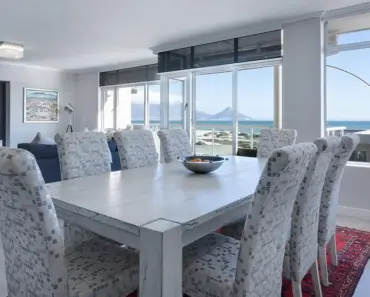
Imagine a dining room with effortless elegance achieved through a combination of greige and crisp white. Use greige paint on the walls, complemented by white chair rails and molding. This contrast creates a refined and welcoming space that allows your furniture to take center stage. Consider a greige rug and subtle greige accents in your tableware.
You may also enjoy reading: 90s Wood Kitchens Back: 7 Ways to Revive the Look.
Build a Greige-on-Greige Cozy Living Room
Create a comfortable and inviting living room by layering different shades of greige. A greige sofa serves as the foundation, complemented by dark greige accent pillows and a light greige chunky knit throw. Varying the tones adds depth and visual interest to the space, making it feel cozy and lived-in.
Mistakes to Avoid When Using Greige
Despite its versatility, greige can fall flat if not implemented thoughtfully. Here are some common mistakes to avoid:
Choosing the Wrong Tone of Greige
Greige reads as either warm or cool, so selecting the incorrect tone can disrupt the overall aesthetic of a room. Generally, a warmer greige (with more beige influence) is ideal for low-light spaces, while a cooler greige (with more gray influence) works well in rooms with ample natural light. Carefully consider the amount of light in your space when choosing a greige shade.
Forgetting to Layer Greige
To achieve a sophisticated and dynamic look, don’t rely on a single shade of greige. Incorporate a variety of tones and textures to create depth and visual interest. This layering effect prevents the space from appearing monotonous or bland.
Opting Only for White or Silver Accents
While white and silver accents can complement greige, relying solely on them can create a cold or sterile atmosphere. Introduce warmer metallic tones like gold or bronze, or incorporate natural materials like wood and plants to add warmth and texture.
Avoiding Accent Colors
While greige serves as a neutral backdrop, it shouldn’t be devoid of color. Introduce pops of color through artwork, textiles, or accessories to add personality and visual interest. Carefully chosen accent colors can beautifully complement the warmth of greige.
The Future of Greige: A Timeless Choice
Greige is far from a fleeting trend. Its inherent versatility and ability to create warm, inviting spaces ensure its continued popularity in interior design. By understanding the nuances of this adaptable neutral and avoiding common pitfalls, you can effortlessly incorporate greige into your home and create a timeless aesthetic that you’ll love for years to come. Its capacity to seamlessly integrate with diverse styles and lighting conditions positions it as a perpetually relevant and adaptable foundation for any well-designed interior.
Resources for Further Exploration
To delve deeper into the world of neutral color palettes and greige variations, explore online resources from reputable design blogs and paint manufacturers. Many offer virtual room tools that allow you to visualize different paint colors in your own space before making a decision. Consider consulting with an interior designer for personalized guidance on selecting the perfect greige shade for your home.
Further Reading
- Sherwin-Williams: The Ultimate Guide to Greige
- Benjamin Moore: Understanding Greige Color Families
- Houzz: What Is Greige? A Complete Guide