2. Consistent Watering: Keeping the Soil Moist
Once established, inkberry holly requires consistent moisture, especially during dry periods. Newly planted shrubs need regular watering – aim for at least once a week, potentially more often depending on the weather. Establishment typically takes about a year, during which time consistent watering is vital for root development. Established plants are relatively drought-tolerant, but they will still benefit from supplemental watering during prolonged dry spells. A good rule of thumb is to check the soil moisture regularly; if the top inch feels dry, it’s time to water.
Consider using a soaker hose or drip irrigation system to deliver water directly to the roots, minimizing water waste and reducing the risk of foliar diseases. Mulching around the base of the plant with organic material like pine straw or wood chips helps retain soil moisture and suppress weeds. Overwatering can be detrimental, leading to root rot, so it’s important to allow the soil to dry slightly between waterings.
3. Fertilizing for Optimal Growth
While not overly demanding, inkberry holly benefits from occasional fertilization, particularly in the spring. Use a fertilizer specifically formulated for acid-loving plants, such as Holly-Tone or another fertilizer with an acidic pH. Avoid fertilizers designed for general use, as these can raise the soil pH and negatively impact the plant’s health. Apply the fertilizer according to the package instructions, typically in early spring as new growth emerges.
Over-fertilizing can lead to excessive, leggy growth and reduced flowering and fruiting. It’s generally better to err on the side of under-fertilizing than over-fertilizing. The slow-release formulas are ideal as they provide a steady supply of nutrients over a longer period. If you notice yellowing leaves, it might indicate a nutrient deficiency, but it could also be a sign of overwatering or other issues. It’s always wise to diagnose the problem before applying fertilizer.
4. Pruning for Shape and Size
Inkberry holly blooms on old wood, meaning that flowers develop on the previous year’s growth. This characteristic dictates the timing and method of pruning. Avoid pruning in late winter or early spring, as this will remove the flower buds and reduce the plant’s bloom. The best time to prune is in late winter or just after the blooms have faded, typically in May or June. This allows the plant to set new flower buds for the following year.
Pruning is primarily done to maintain the plant’s shape and size, or to remove any dead, damaged, or crossing branches. Some varieties, particularly the native form, tend to get leggy and benefit from pruning to encourage denser growth. If you’re using inkberry holly as a hedge, regular pruning will be necessary to maintain its desired form. Remember to use disinfected pruning shears to prevent the spread of diseases. Because inkberry self-propagates by spreading root suckers, regular removal of these suckers can help contain the plant’s growth and prevent it from taking over unwanted areas of your yard. You can slow the pace of growth by removing the suckers each year, which you can plant in other areas of your yard if you’d like.
You may also enjoy reading: 6 Reasons Experts Warn Against Chaos Gardening.
5. Propagation: Expanding Your Inkberry Collection
Inkberry holly is relatively easy to propagate, offering a way to expand your collection or share with friends. One common method is through stem cuttings. Here’s how to do it: Select a healthy, 6-inch piece of new growth from a healthy branch. Dip the cut end into rooting hormone to encourage root development. Choose a well-draining potting mix and insert the cutting into the soil, about an inch deep. Water thoroughly and keep the soil moist but not soggy. Place the cuttings in a warm, humid location, such as a greenhouse or a plastic bag, until roots develop. Alternatively, you can place the cuttings in water until roots form, then transplant them to soil. Propagation is most successful in late spring or early summer. Keep in mind that propagated plants may take a bit longer to mature than those grown from seed.
6. Common Pests and Diseases: Keeping Inkberry Healthy
Inkberry holly is generally a resilient plant with few serious insect or disease problems. However, it can occasionally be affected by spider mites, especially in dry conditions. These tiny pests can cause stippling on the leaves. Control spider mites by spraying the plant with a strong stream of water. Leaf spot, a fungal disease, can also occur, particularly in humid environments. Good air circulation and avoiding overhead watering can help prevent leaf spot. Powdery mildew, another fungal issue, may appear in warm and humid conditions. Early detection and treatment are key to managing any pest or disease issues. While inkberry is deer-resistant, young plants may occasionally be browsed by deer, so protective measures may be necessary in areas with high deer populations.
7. Berries and Pollination: A Note on Fruiting
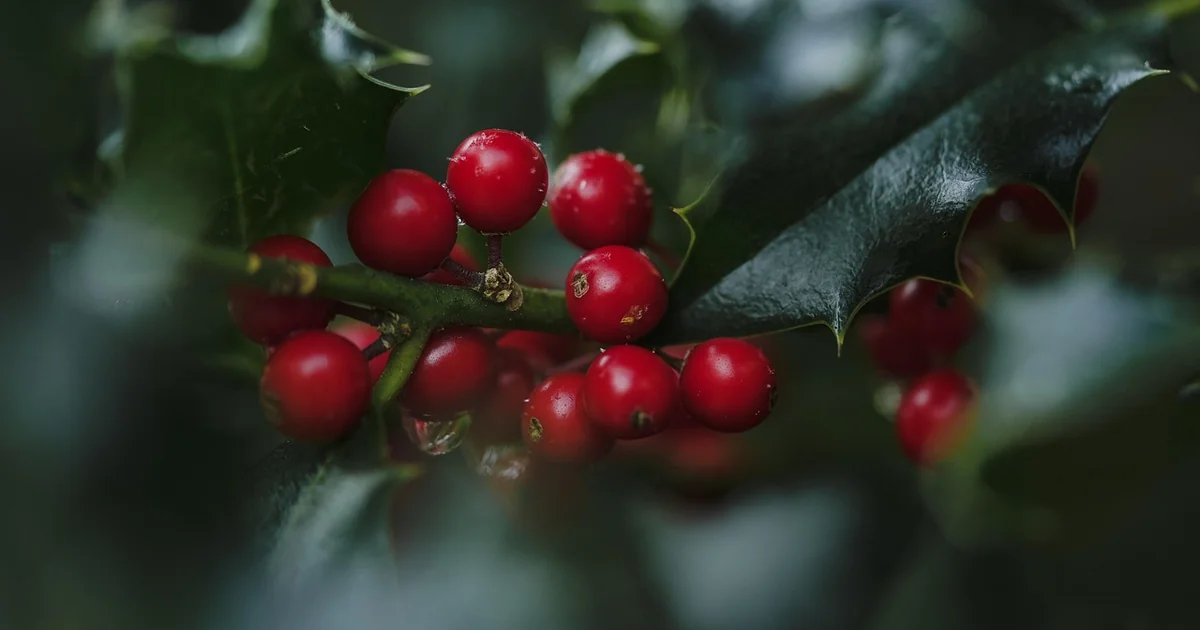
Inkberry holly produces pea-sized black berries in the fall, which are an attractive addition to the landscape and a food source for birds and other wildlife. However, it’s important to know that inkberries are dioecious, meaning that there are separate male and female plants. A female plant is required for berry production. If you want to enjoy berries, you’ll need to plant at least two inkberry hollies – one male and one female. Since the flowers are insignificant, you won’t be able to tell the difference between male and female plants until they produce berries. If you only have female plants, they won’t produce fruit without a nearby male pollinator. The berries are toxic to humans and pets, so exercise caution when handling the plant, especially around children and animals.
Grow inkberry holly with these tips, and you’ll enjoy its beauty and resilience for many years to come. Its adaptability and relatively low maintenance make it an ideal choice for a wide range of landscapes, from formal gardens to naturalistic plantings. By understanding its specific needs – sunlight, soil, water, and pruning – you can ensure that your inkberry holly thrives and adds lasting beauty to your outdoor space.