The allure of a low-maintenance garden, bursting with a vibrant mix of flowers and vegetables seemingly appearing effortlessly, is undeniably appealing. Chaos gardening, a gardening trend gaining traction, promises a beautiful, self-sustaining ecosystem with minimal effort. However, beneath this romantic vision lies a reality fraught with potential headaches. Experts caution that while the concept of letting nature take its course might sound idyllic, it often leads to unforeseen challenges. Before you scatter seeds with abandon, understanding the potential chaos gardening problems is crucial for a more successful and less frustrating gardening experience.

1. Weeds Will Take Over
The concept of chaos gardening originated in England, largely inspired by the charming, informal style of the classic English cottage garden – a delightful jumble of blooms and edibles growing together in a seemingly naturalistic way. Horticulturists like Georgia Parkinson Hill, owner of Beautyberry Gardens in Georgia, understand this appeal. Yet, a fundamental difference in the weed landscape between the UK and the United States poses a significant hurdle. Hill explains that weeds in the UK are considerably less problematic than their American counterparts. She notes that these weeds are often easily removed and rarely return, even without regular mulching. This is in stark contrast to the diverse and tenacious weed population prevalent in the US, particularly in the Southeast.
In regions like the Southeast, the lack of stringent weed control in a chaos garden can quickly devolve into an overwhelming situation. Laura Najman Janney, a garden designer and owner of The Inspired Garden in New Jersey, emphasizes that the “lazy person’s garden” promise of chaos gardening is often misleading. “It’s not going to look like what you see on Instagram,” she cautions. The aggressive nature of many weeds, coupled with a lack of selective control, can lead to a dense, unorganized garden where desired plants struggle to thrive. This isn’t simply an aesthetic issue; a dense, unmanaged garden can also restrict airflow, trapping humidity and creating conditions ripe for disease.
The prevalence of invasive weed species further exacerbates this problem. These are plants that have migrated from other regions and have established themselves with remarkable resilience. For instance, the humble tumbleweed, native to Russia, can germinate and sprout in a matter of hours. Kudzu, originating from Asia, can grow up to a foot per day, and the persistent roots of Japanese knotweed, also from Asia, are known to penetrate even concrete. In a chaos garden, these formidable invaders can easily outcompete more delicate flowers and vegetables, leaving you with a landscape dominated by unwanted vegetation.
2. Most Weeds Aren’t Native or Natural
A core tenet of the chaos gardening philosophy is the embrace of weeds as an integral part of nature, suggesting that allowing them to flourish is a more evolved and environmentally friendly approach to gardening. However, this perspective often overlooks the historical reality of many common weeds. The truth is, a significant majority of the weeds you encounter in your garden are not native to your region but rather introduced species brought to America by early colonists. These are resilient plants that have thrived due to their adaptability and ability to outcompete native flora.
Consider the widespread presence of common weeds like lamb’s quarters (Chenopodium album), originating from Europe, or pigweed (Amaranthus spp.), which has a global distribution. These plants have become so well-established that they often outpace native species in terms of abundance. Their survival in a chaos garden setting is facilitated by the lack of selective removal, allowing them to proliferate unchecked. The assumption that “weeds” are simply wildflowers waiting to be appreciated ignores the ecological impact of these introduced species. They can disrupt local ecosystems, outcompete native plants for resources, and even alter soil composition.
The ecological implications of a predominantly non-native weed population in a chaos garden are significant. These weeds often lack the natural controls – such as native insects or diseases – that would keep their populations in check in their native environments. This can lead to an imbalance in the garden ecosystem, potentially harming beneficial insects or native wildlife. The romantic notion of a self-sustaining chaos garden, teeming with diverse and beneficial plant life, often clashes with the reality of managing a garden dominated by resilient, non-native invaders.
3. Growing from Direct-Sown Seed Is Difficult
A fundamental principle underpinning chaos gardening is the simplicity of growing plants directly from seed – a straightforward approach that requires minimal intervention. However, the reality of direct sowing can be far more complex than it appears. Hill points out that starting plants from seed directly in the ground is often a challenging endeavor, particularly in regions with unpredictable weather patterns or less-than-ideal soil conditions. Germination rates can be notably low, especially when utilizing seeds saved from previous years. This is a common practice among chaos gardeners, but the viability of older seeds can significantly impact success.
The success of direct sowing hinges on several factors, including soil temperature, moisture levels, and seed quality. Heavy rains can wash away seeds, while dry spells can prevent germination. Poor soil drainage or nutrient deficiencies can also hinder seedling establishment. Furthermore, the presence of existing weeds creates direct competition for sunlight, water, and nutrients, further reducing the chances of desired plants thriving. When a multitude of seeds are scattered across a garden bed, it becomes difficult to predict which ones will germinate and which will be weeds.
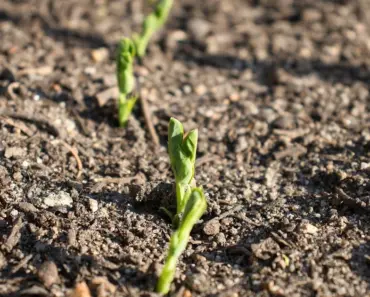
As seedlings emerge, distinguishing between the desired plants and unwanted weeds can be a tedious and time-consuming process. Many weed species exhibit similar early growth stages to vegetables and flowers, making identification challenging. This necessitates regular weeding and thinning, which directly contradicts the low-maintenance ethos of chaos gardening. In a chaotic mix of seeds, you’re likely to encounter a variety of seedlings, some of which you may not have intended to grow. The result can be a garden that is far from the intentionally curated mix envisioned by the chaos gardening proponent.
4. Stronger Plants Will Muscle Out Weaker Plants
The core principle of a chaos garden is allowing nature to follow its natural course, with the assumption that the most vigorous and adaptable plants will naturally thrive. While this might seem logical, the reality is that in a free-for-all environment, the outcome can be unpredictable and often disappointing. While it’s true that stronger plants will generally outcompete weaker ones for resources, the sheer diversity and density of a chaos garden can lead to a less-than-ideal mix of plants.
The concept assumes a balanced ecosystem where all plants have a fair chance to establish themselves. However, in practice, a chaotic scattering of seeds can result in a dominance of a few particularly assertive species. These might be plants that are exceptionally fast-growing, have deep root systems, or are particularly efficient at capturing sunlight and nutrients. This can lead to a situation where the intended mix of flowers and vegetables is overwhelmed by a small number of aggressive plants, leaving you with a garden that isn’t representative of your initial planting plan.
Furthermore, the lack of selective control in a chaos garden means that weaker or less desirable plants may not have the opportunity to develop fully. This can result in a garden with a limited variety of species, dominated by the hardiest, often less aesthetically pleasing, plants. The idea of a self-sustaining ecosystem doesn’t necessarily translate to a visually appealing or productive garden. While the principle of natural selection is at play, the outcome in a chaotic setting is often less about intentional ecological balance and more about which plants are simply the toughest survivors in a crowded environment.
You may also enjoy reading: 7 Best Ground Cover Plants for a No-Mow Tapestry Lawn.
5. Unpredictable Results and Lack of Control
Perhaps the most significant drawback of chaos gardening problems is the inherent unpredictability of the outcome. The very essence of the approach – letting nature take its course – means relinquishing a significant degree of control over the garden’s appearance and productivity. While some might view this as a liberating aspect, it can be frustrating for gardeners who prefer a more structured and planned approach.
Without a defined layout or specific plant choices, it’s difficult to predict what will ultimately flourish in a chaos garden. You might end up with a jumble of plants that don’t complement each other in terms of color, texture, or growth habits. The lack of intentional design can result in a visually disjointed garden that lacks a cohesive aesthetic. For gardeners who value order and a sense of intentionality in their outdoor spaces, this lack of control can be a major deterrent.
The unpredictability also extends to plant health and productivity. Without careful planning for sunlight exposure, soil conditions, and plant spacing, you might find that some plants struggle to thrive, while others become overgrown and invasive. This can lead to a garden that is inefficient in terms of resource utilization and doesn’t yield the desired harvest. While the goal of chaos gardening is often reduced maintenance, the lack of control can ironically lead to more time spent managing unexpected growth and dealing with unwanted plant combinations.
6. Attracting Unwanted Pests and Diseases
While the diverse nature of a chaos garden might seem beneficial for attracting beneficial insects, it can also inadvertently create an environment conducive to pests and diseases. The dense, tangled growth and lack of airflow can provide ideal hiding places for various garden pests, while the close proximity of different plant species can facilitate the spread of diseases.
In a traditional garden, careful plant selection and spacing can help to prevent the buildup of pest and disease pressure. However, in a chaos garden, the lack of planning can lead to a concentration of susceptible plants, making them more vulnerable to infestation. Certain weed species, for example, can act as hosts for various pests, which can then migrate to your desired plants. The dense foliage can also trap humidity, creating a favorable environment for fungal diseases to thrive.
Furthermore, the lack of selective removal can allow pest populations to build up unchecked. Without the ability to target specific pests or diseases, a chaos garden can become a breeding ground for various garden woes. While some level of pest and disease presence is inevitable in any garden, a chaotic environment can exacerbate these issues, requiring more intervention than the low-maintenance approach suggests. The interconnectedness of a chaotic ecosystem means that a problem with one plant can quickly spread to others, leading to a more widespread and challenging situation.
While the idea of a low-effort, naturally thriving garden is enticing, the realities of chaos gardening problems often outweigh the romantic vision. The challenges of weed control, the prevalence of non-native species, difficulties with direct seeding, unpredictable results, and increased pest and disease pressure suggest that a more structured approach to gardening might be more rewarding for many. A balanced garden, while requiring some effort, often yields a more predictable, aesthetically pleasing, and productive outcome.
Practical Solutions
Addressing these chaos gardening problems doesn’t necessarily mean abandoning the idea of a more naturalistic garden. Here are some practical steps to mitigate the challenges and achieve a more manageable outcome:
- Initial Weed Control: Before planting, dedicate time to removing existing weeds. This initial effort will significantly reduce the competition for resources.
- Native Plant Focus: Prioritize native plant species. They are better adapted to your local climate and soil conditions and are often more resilient to pests and diseases.
- Strategic Sowing: If direct sowing, research optimal planting times and conditions for each species. Consider starting some plants indoors for a head start.
- Regular Monitoring: Regularly inspect your garden for signs of weeds, pests, or diseases. Early intervention can prevent minor issues from escalating.
- Mulching: Apply a layer of organic mulch to suppress weed growth, retain moisture, and improve soil health.
- Thinning: Thin out seedlings to ensure adequate spacing for healthy growth and air circulation.
Ultimately, a successful garden, whether chaos or carefully planned, requires observation, adaptation, and a willingness to engage with the natural processes at play. Understanding the potential pitfalls of chaos gardening empowers you to create a more balanced and enjoyable gardening experience.
Resources
- Local Cooperative Extension Office: Provides region-specific gardening advice and resources.
- Native Plant Societies: Offer information on native plant species and their ecological benefits.
- University Extension Websites: Offer research-based information on gardening practices.