Imagine stepping outside your back door, not onto a flat, monotonous expanse of uniform green, but into a living, breathing mosaic of color, scent, and texture. For decades, the standard for the American yard has been the manicured turfgrass monoculture—a demanding landscape that requires a relentless cycle of heavy nitrogen fertilization, intensive irrigation, and weekly mowing just to keep it from reverting to weeds. But there is a more soulful, sustainable way to approach your outdoor space. By shifting your perspective from a single species to a diverse collection of tapestry lawn plants, you can transform a thirsty, high-maintenance chore into a sensory sanctuary that evolves with the seasons.
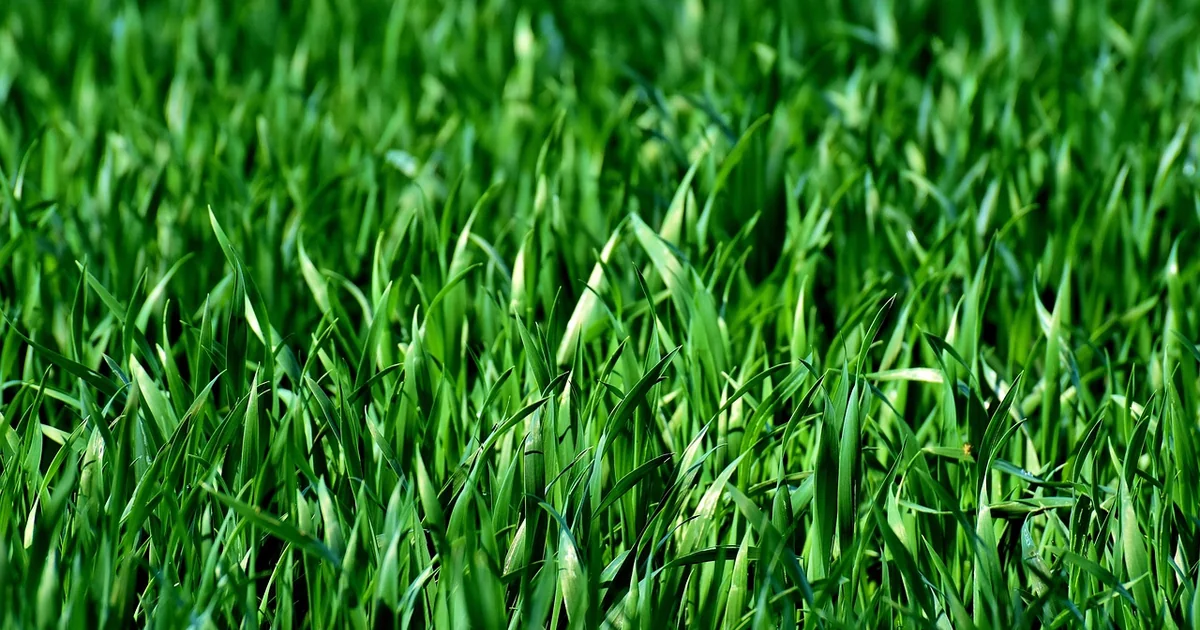
The Philosophy of the Patchwork Landscape
A tapestry lawn, often referred to by horticulturalists as a meadow lawn or a patchwork lawn, is essentially a curated community of low-growing flora. Instead of fighting against nature to keep a single type of grass in check, you are working with a diverse group of perennials and grasses that have been selected to knit together. This approach mimics the natural complexity of a meadow while remaining functional for a residential setting. The goal is to create a “living mulch” where the plants are so densely packed that they naturally suppress weed growth by competing for sunlight and space.
Traditional turfgrass is biologically expensive. To maintain that perfect “golf course” look, homeowners often pump massive amounts of water and nitrogen into the soil. This can lead to nutrient runoff, which negatively impacts local water tables and ecosystems. In contrast, the perennial heroes used in a tapestry design thrive in leaner, more natural soil conditions. They don’t demand a constant chemical diet; instead, they build complex root systems that stabilize the soil and improve its structure over time. When you choose the right tapestry lawn plants, you are essentially designing a self-regulating ecosystem that works for you, rather than you working for it.
Beyond the environmental benefits, there is a profound psychological shift that occurs when you move away from the mower. A tapestry lawn invites curiosity. You might notice a specific butterfly visiting a bloom in June, or feel the soft, herbal fragrance of crushed foliage under your feet during a summer stroll. It turns a utilitarian space into an observational one, connecting your daily life more closely with the rhythms of the natural world.
Preparing Your Canvas: The Essential Setup
One of the most common mistakes beginners make is attempting to simply scatter seeds over an existing lawn. This rarely works because the established grass is far too competitive. To succeed, you must first clear the stage. This involves removing the existing turf and aggressively managing any invasive weeds. Many gardeners find success using a combination of manual removal and sheet mulching (layering cardboard and compost) to starve existing weeds of light before the new plants arrive.
Once the ground is clear, the soil preparation phase begins. Unlike the heavy feeding required by grass, these diverse plantings prefer a more balanced, organic foundation. I recommend a light tilling of the top few inches, followed by a generous amendment of high-quality organic compost. This improves soil aeration and provides a slow-release nutrient source that won’t cause a sudden, weed-inducing growth spurt. Before you commit to a specific plant list, it is wise to test your soil’s pH. Most tapestry species prefer a slightly acidic to neutral range, but knowing your specific baseline allows you to make informed adjustments.
Timing is everything when it comes to establishment. If you are in a temperate climate, aim to begin your planting process in April. This window is crucial because it allows the delicate root systems of your new plants to settle and strengthen during the spring moisture before the intense heat of summer or the frost of winter arrives. A well-timed planting ensures that by the time the following year rolls around, your plants have “knitted” together into a seamless carpet.
To achieve the desired density, you cannot be stingy with your numbers. A vital rule of thumb for creating a successful living mulch is to aim for a planting density of 4 to 6 plants per square foot. While this might seem like a significant upfront investment in nursery stock, it is the secret to preventing weeds. If you plant too sparsely, the gaps will quickly be colonized by unwanted species. By crowding the plants together early on, you ensure they shade the soil surface, keeping it cool and preventing weed seeds from germinating.
7 Best Ground Cover Plants for a No-Mow Tapestry Lawn
Selecting the right species requires a balance of aesthetics, durability, and environmental compatibility. You want plants that can handle the occasional footstep but won’t grow so tall that they require a lawnmower. Here are seven exceptional choices to consider for your diverse landscape.
1. Creeping Thyme (Thymus serpyllum)
If there were a gold medal for tapestry lawn plants, creeping thyme would undoubtedly stand on the podium. This woody perennial is a powerhouse of sensory delight. Growing to a modest height of about 3 inches, it creates a dense, mat-like texture that is incredibly resilient. One of its most magical qualities is its aromatic nature; as you walk across it, the friction breaks tiny oil glands in the leaves, releasing a heavenly, herbal scent that lingers in the air.
Creeping thyme is particularly well-suited for sunny, well-drained locations. It thrives in USDA hardiness zones 4 through 9, making it a versatile option for much of North America. Because it prefers sandy or loamy soil that doesn’t stay soggy, it is an excellent choice for those looking to reduce water usage. It spreads via rooting stems, meaning it will eventually fill in every tiny gap in your tapestry, creating a seamless, fragrant carpet of purple or pink blooms in the late spring.
2. Corsican Mint (Mentha requienii)
For those with slightly more shaded or moisture-retentive areas of the yard, Corsican Mint is a breathtaking alternative. This is a true miniature, often staying well under an inch in height. It forms a lush, emerald-green velvet that feels almost surreal underfoot. Much like its thyme cousins, it offers a distinct olfactory reward, releasing a cool, refreshing minty aroma when disturbed.
While it lacks the sun-loving toughness of thyme, it excels in the damp, dappled light of an understory. It is a perfect choice for a “pocket” within your tapestry lawn—perhaps a corner near a garden bed or under a deciduous tree. Because it is so fine-textured, it provides a beautiful visual contrast when planted alongside broader-leaved species, adding a layer of intricate detail to your landscape design.
3. Sedum (Stonecrop Varieties)
Sedums are the ultimate survivors. If your “lawn” area is particularly rocky, dry, or prone to intense heat waves, various low-growing sedum species are your best allies. These succulents are designed by nature to store water in their fleshy leaves, allowing them to thrive in conditions that would leave traditional grass parched and brown. They are incredibly low-maintenance and require almost zero supplemental irrigation once established.
When selecting sedums for a tapestry, look for “creeping” varieties rather than upright, flowering ones. Species like Sedum spurium offer beautiful reddish foliage and tiny star-shaped flowers that attract pollinators. They add a structural, sculptural element to the lawn, providing a different leaf texture that breaks up the softness of the flowering herbs. They are particularly effective in well-draining, sandy soils where other plants might struggle with root rot.
4. Chamomile (Matricaria chamomilla)
For a tapestry lawn that feels truly whimsical and meadow-like, chamomile is an essential inclusion. While some varieties can grow taller, many low-growing cultivars are perfect for a patchwork lawn. Chamomile brings a delicate, airy texture to the mix, with feathery, fern-like foliage and bright, daisy-like flowers. It adds a sense of movement to the landscape, as the light stems sway gently in the breeze.
You may also enjoy reading: 11 Essential Tips for Buying, Planting, Growing, and Caring for Trees the Right Way Every….
Beyond its beauty, chamomile offers a calming presence. The scent is sweet and apple-like, contributing to the overall sensory richness of the space. It is a hardy plant that can handle a variety of soil types, though it prefers a bit of sun to produce its signature blooms. Including chamomile in your mix ensures that your lawn feels less like a manicured floor and more like a wild, enchanted field.
5. Sagina subulata (Irish Moss)
Despite its name, Irish Moss is not a true moss but a perennial flowering plant that looks remarkably similar. It is the quintessential “cushion” plant. It grows in extremely dense, soft mounds of bright green, which can look like rolling hills in miniature. In the spring, it produces tiny, delicate white flowers that look like fallen snow scattered across a green field.
Irish Moss is a fantastic choice for areas that receive consistent moisture and partial shade. It creates a very tight, cohesive texture that is excellent for suppressing weeds. However, it does not handle heavy foot traffic or extreme drought as well as thyme or sedum, so I recommend placing it in the more protected, “low-traffic” zones of your tapestry design. It provides a stunning visual anchor for the more rugged, sun-loving plants in your mix.
6. Heliotrope (Low-Growing Varieties)
If you want to introduce a deeper color palette and a heavy, intoxicating fragrance, certain low-growing heliotrope varieties are a brilliant addition. They are famous for their “cherry pie” scent, which can transform the atmosphere of an entire garden during the warm summer months. Their clusters of small, intense flowers provide much-needed visual weight to the tapestry.
Heliotrope loves the sun and thrives in well-drained soil. When integrated into a tapestry lawn, they act as “punctuation marks”—bursts of intense color and scent that draw the eye. Because they can be slightly more vigorous than some of the tiny creeping herbs, it is important to place them in areas where they have enough space to spread without completely overwhelming the more delicate species like Corsican Mint.
7. Micro-clover (Trifolium repens)
While many people think of clover as a weed, micro-clover is a deliberate and highly functional choice for a tapestry lawn. It is a much smaller, more refined version of the standard white clover. Micro-clover is a nitrogen-fixer, meaning it has a unique biological ability to take nitrogen from the air and convert it into a form that enriches the soil. This makes it a “living fertilizer” for the other plants in your tapestry.
It is incredibly tough, handles foot traffic better than almost any other plant on this list, and stays very low to the ground. The tiny clover leaves provide a lush green backdrop that makes the bright colors of the flowering herbs pop. By including a nitrogen-fixer like micro-clover, you are creating a self-sustaining cycle of fertility that reduces your need for external fertilizers, truly embodying the spirit of a low-maintenance, eco-friendly landscape.
Designing for Success: Microclimates and Ecosystems
Once you have selected your plants, the final step is the strategic arrangement. A common mistake is to plant in a random, haphazard fashion without considering the needs of the individual species. To create a truly resilient tapestry, you must group plants based on their microclimates—the specific light, moisture, and temperature conditions of different areas in your yard.
Think of your yard as a collection of different environments. A corner near a brick wall might be much warmer and drier due to reflected heat. This is the perfect spot for your sedums and creeping thyme. Conversely, a spot under a large oak tree will be cooler, shadier, and perhaps a bit more damp. This is where your Irish Moss and Corsican Mint will flourish. By matching the plant to its ideal microclimate, you minimize plant stress and reduce the need for human intervention like supplemental watering or shading.
This grouping strategy also facilitates a self-regulating ecosystem. When plants with similar needs are clustered together, they create a more uniform canopy that manages moisture more efficiently. For example, a cluster of moisture-loving plants will help maintain a humid micro-environment that benefits the whole group. This biological synergy is what allows a tapestry lawn to eventually require significantly less care than a traditional lawn. You are no longer fighting the environment; you are leaning into its natural tendencies.
Finally, remember that a tapestry lawn is a living thing. It will change. A plant that was a small seedling this year might become a dominant feature next year. This is not a failure; it is the beauty of the medium. A successful tapestry lawn is not about achieving a static, unchanging look, but about managing a beautiful, evolving process. Embrace the shifts in color and height, and enjoy the incredible reward of a landscape that grows more complex and captivating with every passing season.