What Makes This Pasta Taste Like a Dirty Martini?
A dirty martini gets its signature punch from vodka or gin, dry vermouth, and olive brine. That briny, savory quality is what makes the cocktail so addictive. Now imagine those same bold flavors coating a tangle of spaghetti. That is exactly what dirty martini pasta delivers. The alcohol cooks off during the process, leaving behind aromatic notes that complement the olives and cheese. No cocktail shaker required for this dinner.
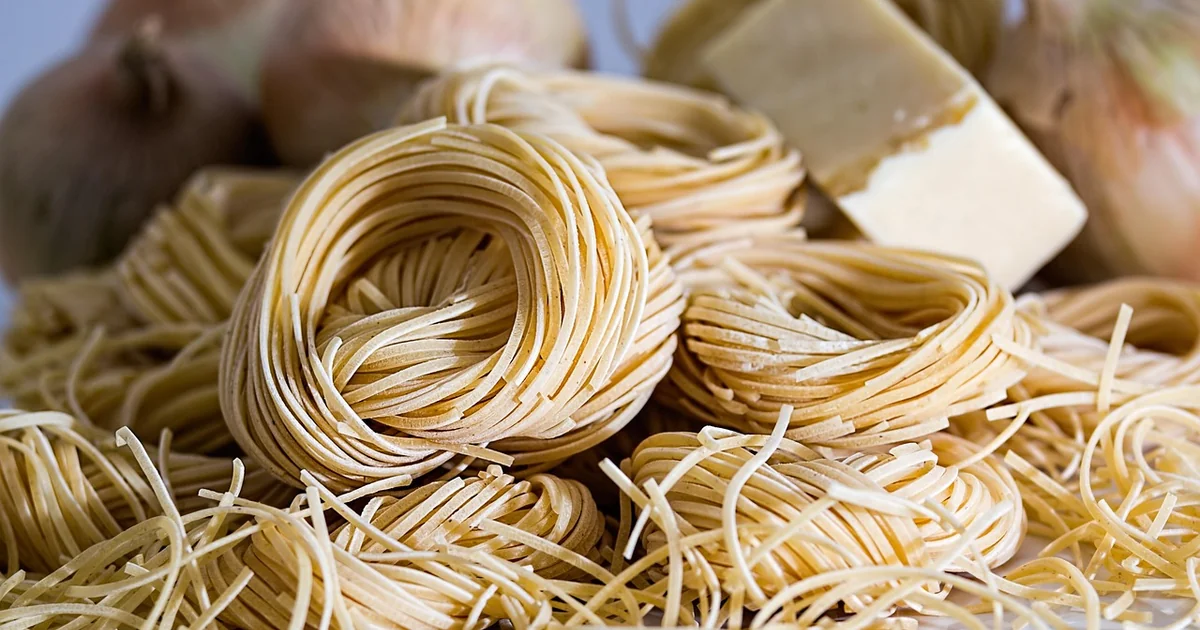
The original version went viral thanks to TikTok creator Emily Eggers, who showed her followers how to turn a bar favorite into a weeknight meal. The concept caught fire because it feels both familiar and unexpected. You know how to cook pasta. You know what a dirty martini tastes like. Combining the two creates something entirely new.
Amazon US Verified
ThermoPro Instant-Read Digital Meat Thermometer
Ultra-fast 3-second temperature sensor ensuring perfect roasts and baked loaves.
The Essential Ingredients for Dirty Martini Pasta
Before we dive into the five recipe twists, let us look at the core components that make this dish work. Understanding the basics will help you adapt with confidence.
Olives and Brine
Castelvetrano olives are the gold standard here. Their flesh is meaty, their flavor is mild and buttery, and they hold up well when chopped. A standard 6- to 8-ounce jar of green olives in brine provides both the fruit and the liquid you need. Black olives will not work because they lack the necessary brininess and turn the dish muddy in color and taste. Stick with green olives packed in brine for the authentic dirty martini experience.
Spirits: Vodka versus Gin
Both vodka and gin appear in dirty martini recipes, and either works in the pasta. Vodka offers a neutral backdrop that lets the olive flavor shine. Gin introduces botanical notes from juniper and other herbs, which add complexity. About 37 percent of home cooks who try this recipe prefer gin for its layered aroma, according to informal polling across cooking forums. If you are unsure, start with vodka and experiment with gin on your second attempt.
Dairy and Fat
Butter and olive oil form the base of the sauce. The butter rounds out the acidity from the olives and lemon, while olive oil provides fruitiness. Blue cheese adds tang and creaminess. Parmesan brings saltiness and umami. Feta or goat cheese can replace blue cheese if you prefer a milder profile. Do not skip the fresh parsley at the end. That sprinkle of green cuts through the richness and brightens every bite.
5 Easy Recipe Twists for Dirty Martini Pasta
Once you have mastered the basic formula, you can start experimenting. Each of these five twists changes the dish in a meaningful way while keeping the dirty martini soul intact.
Twist 1: The Lemon-Herb Variation
This version leans into brightness. Follow the standard dirty martini pasta recipe but double the lemon zest and add a handful of fresh basil along with the parsley. The citrus amplifies the olive brine, and the basil introduces a sweet, peppery note that vodka-based versions love.
To execute this twist, zest an entire lemon before juicing it. Reserve half the zest for garnish. When you toss the cooked pasta with the sauce, add the basil leaves whole if they are small, or tear them if they are large. The heat from the pasta wilts the basil just enough to release its oils without turning it into a paste. Finish with a shower of the reserved zest and extra Parmesan.
This variation works especially well for spring and summer dinners. It feels lighter than the original, yet it still delivers that unmistakable briny kick. Serve it alongside a simple arugula salad with lemon vinaigrette for a meal that comes together in under 30 minutes.
Twist 2: The Spicy Calabrian Chile Version
Heat seekers will appreciate this adaptation. Add two tablespoons of chopped Calabrian chiles in oil to the pan after the garlic softens. The chiles bring fruity heat rather than aggressive burn, and they pair surprisingly well with the olive brine and blue cheese.
Calabrian chiles come from southern Italy and are typically packed in olive oil with salt and herbs. They have a smoky, slightly sweet quality that complements the savory elements of the dish. If you cannot find Calabrian chiles, substitute red pepper flakes. Start with one teaspoon and adjust upward. The spicy version of dirty martini pasta works best with bucatini, because the thick hollow strands catch the chile oil and hold onto it.
One caution: the heat can intensify the perception of saltiness from the olives and cheese. Taste before adding extra salt at the end. A squeeze of lemon juice right before serving helps balance the heat and keeps the dish from feeling heavy.
Twist 3: The Creamy No-Blue-Cheese Adaptation
Blue cheese is polarizing. Some people adore its pungent funk. Others find it overwhelming. This twist replaces blue cheese entirely with a combination of cream cheese and extra Parmesan, creating a sauce that is rich, smooth, and approachable for even the most cheese-averse eaters.
Melt four ounces of cream cheese into the butter and olive oil mixture after the garlic has softened. Whisk until the cream cheese is fully incorporated, then add the Parmesan and a splash of pasta water. The result is a velvety sauce that still carries the dirty martini identity through the olives, brine, and spirits. The cream cheese tames the acidity without muting the olive flavor.
This version freezes better than the original because cream cheese maintains its texture during thawing. If you want to meal prep, double the batch and portion it into containers. Reheat gently with a splash of milk or pasta water to restore the creamy consistency.
Twist 4: The Seafood Addition
Dirty martinis and seafood are natural companions. The briny olive flavor echoes the sea, making this twist feel intuitive rather than forced. Add eight ounces of peeled shrimp or lump crab meat to the pan after the garlic cooks. Sauté the seafood for two to three minutes, then proceed with the remaining steps.
Shrimp works best because it cooks quickly and absorbs the sauce without overpowering it. If you use crab, fold it in gently at the very end to avoid breaking up the delicate meat. The seafood version of dirty martini pasta pairs beautifully with linguine, which mimics the long, elegant strands of a cocktail garnish.
A note on timing: cook the seafood just until opaque. Overcooked shrimp turn rubbery and detract from the luxurious texture of the sauce. If you are serving guests who love seafood, this twist will earn you serious praise without requiring advanced culinary skills.
Twist 5: The One-Pan Baked Version
This twist transforms dirty martini pasta into a hands-off meal. Instead of boiling pasta separately, you bake everything together in a single dish. The pasta absorbs the liquid from the brine, the spirits, and added broth, resulting in a deeply flavored casserole-style dinner.
You may also enjoy reading: 5 Ways to Make Your Own Room Diffuser.
Use an oven-safe skillet or a 9×13 baking dish. Combine uncooked spaghetti broken into thirds, the olive brine, vodka or gin, two cups of chicken or vegetable broth, the chopped olives, minced garlic, and half the butter. Cover tightly with foil and bake at 375 degrees Fahrenheit for 25 minutes. Uncover, stir in the remaining butter and cheeses, and bake for another five minutes until the top is bubbly and golden.
Amazon US Verified
Silpat Non-Stick Silicone Baking Mats (2-Pack)
Professional heat-resistant mats eliminating parchment paper and sticky baking trays.
The one-pan method saves cleanup time and yields a slightly different texture. The pasta comes out softer and more integrated with the sauce. This version is ideal for busy weeknights when you want the dirty martini flavor without standing over a pot of boiling water. Garnish with parsley and serve straight from the dish.
Tips for Perfecting Your Dirty Martini Pasta Every Time
Small details separate a good pasta dish from a great one. These tips apply to all five twists and will help you avoid common pitfalls.
Watch Your Garlic Closely
Burned garlic turns bitter and ruins the entire sauce. Sauté minced garlic over medium-low heat for about 60 seconds, stirring constantly. The moment it becomes fragrant and just barely golden, add the liquids. If you step away from the stove for too long, you will end up with a harsh, acrid flavor that no amount of cheese can fix.
Reserve Pasta Water Before Draining
Pasta water is liquid gold in this recipe. The starch in the water helps bind the sauce to the noodles and gives it a silky consistency. Scoop out at least one cup of pasta water before you drain the spaghetti. If the sauce looks too thick after tossing, add a splash at a time until it reaches the right consistency. You will likely use between a quarter cup and half a cup.
Cook Pasta Al Dente
Dirty martini pasta continues to cook slightly after you toss it with the hot sauce. If you cook the noodles to full tenderness during the boiling stage, they will turn mushy by the time you serve. Aim for al dente, which means the pasta offers slight resistance when you bite into it. The residual heat from the sauce will finish the job.
Adjust Saltiness with Care
Olive brine, Parmesan, and blue cheese all contribute salt. You may not need to add any extra salt during cooking. Taste the sauce before you add salt, and remember that the cheese you sprinkle on top will add more. If the dish tastes overly salty, a squeeze of lemon juice or a drizzle of olive oil can help balance it.
Frequently Asked Questions About Dirty Martini Pasta
What if I want to use a different type of olive?
You can substitute other green olives, but the flavor will shift. Castelvetrano olives are mild and buttery. Manzanilla olives are firmer and more briny. Cerignola olives are large and mild but less flavorful. Avoid black olives entirely because they lack the necessary brine and will make the dish taste flat. Whatever olive you choose, chop it roughly so each bite contains visible pieces.
How do I adjust the saltiness when using both olives and cheese?
Start by draining the olives and patting them dry before chopping. This removes excess brine that can overwhelm the dish. Use unsalted butter if you have it. Taste the sauce before adding Parmesan, and add the cheese gradually. If the dish ends up too salty, stir in a splash of plain pasta water or a teaspoon of lemon juice to cut through the salt.
Can I substitute gluten-free pasta without ruining the texture?
Yes, but you need to adjust your technique. Gluten-free pasta releases less starch into the cooking water, so the sauce may not cling as well. Cook the pasta in a generous amount of salted water and reserve extra cooking liquid. You may need to add a tablespoon of cornstarch or arrowroot powder to the sauce to help it adhere. Rice-based or corn-based gluten-free spaghetti works best for this recipe.
Why does the recipe call for both butter and olive oil?
Each fat serves a different purpose. Olive oil provides fruitiness and helps carry the flavors of garlic and spirits. Butter adds richness and rounds out the acidity from the lemon and brine. Using both creates a sauce that is balanced rather than one-dimensional. If you only have one on hand, you can use either, but the texture and flavor will be less complex.
How can I make this pasta vegan?
Replace the butter with a high-quality vegan butter or additional olive oil. Substitute the blue cheese and Parmesan with vegan alternatives. Many brands now make cashew-based Parmesan and coconut-oil-based blue cheese that melt well. Nutritional yeast can add a cheesy, umami note. The olives and brine already provide plenty of flavor, so the dish remains satisfying even without dairy.
Dirty martini pasta proves that cocktail-inspired cooking can be practical, delicious, and endlessly adaptable. Whether you stick with the original or try one of these five twists, you will end up with a dinner that sparks conversation and satisfies cravings. The next time you reach for a jar of olives, consider turning them into something more than a garnish.
As an Amazon Associate, azuloz.com earns from qualifying purchases.