Imagine walking into a room that smells exactly the way you want it to — fresh, calming, or invigorating — without the hiss of an aerosol can or the hum of a plug-in device. Creating a diy room diffuser at home gives you that control. You skip the harsh chemicals, save money, and get to choose a scent that feels personal. The process takes about ten minutes, and the ingredients are probably already in your kitchen or bathroom cabinet.
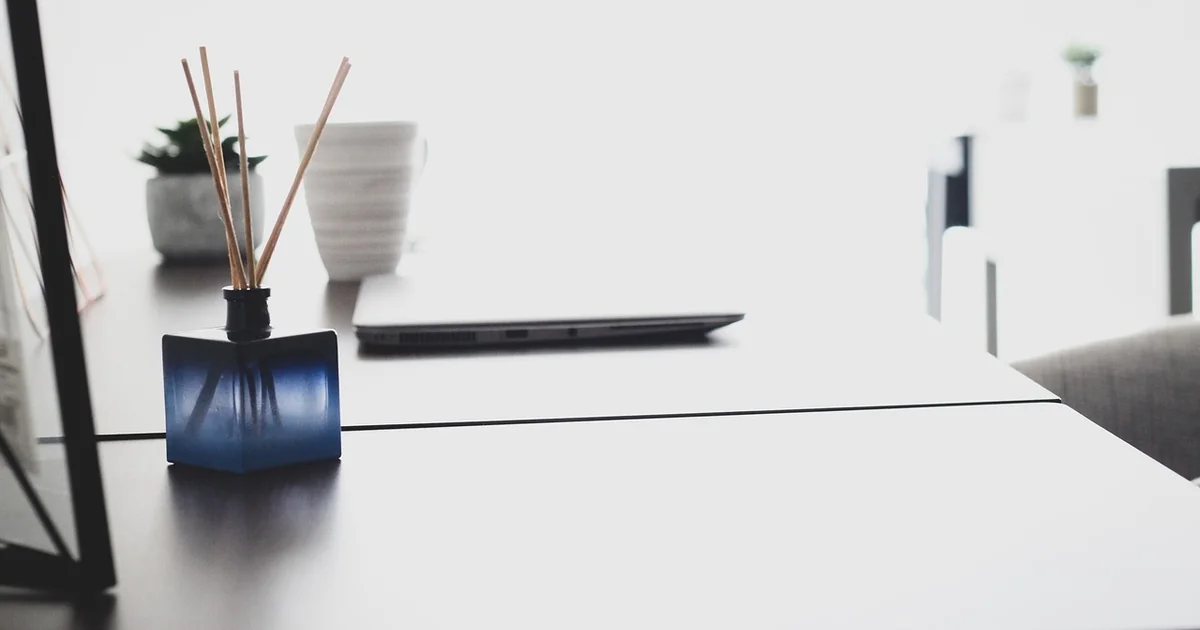
Store-bought reed diffusers can cost anywhere from $20 to $60, yet the core components are surprisingly simple. A commercial diffuser is essentially oil, a thinning agent, fragrance, and a set of porous reeds. When you make one yourself, you pay for the raw materials once and can refill the bottle for pennies. A 16-ounce bottle of baby oil costs about $4, and a pack of bamboo skewers runs around $2. That single investment can produce multiple diffusers or last for months of refills.
There is also the matter of ingredients. Many commercial air fresheners contain phthalates, which are used to make scents last longer. Some studies have linked phthalates to hormonal disruptions, though regulatory bodies like the FDA still consider them safe at low levels. If you prefer to avoid synthetic additives, a diy room diffuser lets you choose pure essential oils and unscented carrier oils. You know exactly what is going into the air your family breathes.
Another advantage is the aesthetic flexibility. You can repurpose a vintage bottle, a small juice jar, or a thrifted ceramic vase. The diffuser becomes part of your decor, not an eyesore. For renters, this is especially appealing because there are no wall plugs, no batteries, and no sticky residue left behind when you move out.
Amazon US Verified
Peel and Stick Textured Linen Wallpaper
Removable neutral wall covering providing architectural warmth and tactile depth.
What You Need to Build a Basic DIY Room Diffuser
The beauty of this project is the short ingredient list. You do not need specialized equipment. Here is everything required to assemble a working diffuser from scratch.
Carrier Oil
The carrier oil holds the fragrance and slowly releases it into the air. Unscented baby oil is the most common choice because it is inexpensive and widely available. It is essentially mineral oil with a light texture. You can also use almond oil, safflower oil, jojoba oil, or fractionated coconut oil. Each has a slightly different viscosity, but all work well. Avoid olive oil or vegetable oil from the kitchen, as they can turn rancid over time and produce an unpleasant smell.
Alcohol for Scent Lift
Alcohol is the secret to making the fragrance travel up the reeds. Essential oils and carrier oils alone are too thick to climb efficiently. By adding 3 tablespoons of rubbing alcohol (at least 90% isopropyl) or vodka, you lower the viscosity and help the mixture wick upward. Without alcohol, the scent would stay in the bottle and barely reach the top of the reeds. Do not skip this step. If you are sensitive to the smell of rubbing alcohol, use a high-proof vodka instead — the ethanol evaporates quickly and leaves no odor behind.
Essential Oils
This is where your creativity comes in. You need 20 to 25 drops of essential oil per batch. Single oils like lavender, eucalyptus, or lemon work well. Blends are even better. Try combining 10 drops of orange with 8 drops of cedarwood and 7 drops of clove for a warm, cozy scent. Or mix 12 drops of peppermint with 10 drops of tea tree for a fresh, clean aroma. Keep a notebook of your blends so you can reproduce the ones you love.
Bottle or Vase
The container should be slightly wider at the base and have a narrow opening at the top. This shape reduces evaporation and keeps the reeds upright. A narrow neck also prevents dust and pet hair from falling into the oil. Look for small glass bottles that originally held juice, perfume, or olive oil. Clean them thoroughly with warm soapy water and remove all labels before using. A bottle with a 4- to 8-ounce capacity is ideal for a single diffuser.
Amazon US Verified
Ceramic Fluted Decorative Vase Set
Modern minimalist ceramic vases perfect for shelves, consoles, and dried florals.
Reeds or Skewers
Specialty diffuser reeds are available online and at craft stores. They are made from porous rattan and wick oil very efficiently. Bamboo skewers are a budget-friendly alternative. They are not quite as porous, so the scent may be slightly less intense, but they still work well. If you use skewers, cut off the sharp pointed end with scissors or a utility knife before inserting them into the bottle. That spike is a safety hazard, especially around children and pets.
Step-by-Step Instructions for Your DIY Room Diffuser
Follow these steps in order. The entire process takes less than ten minutes, and you will have a working diffuser immediately.
Mix the Oil and Alcohol
Measure 1/4 cup of your chosen carrier oil and pour it into a small bowl or a liquid measuring cup. Add 3 tablespoons of rubbing alcohol (90% isopropyl or higher) or vodka. Stir gently with a chopstick or a clean spoon until the two liquids are combined. You will notice the alcohol thins the oil noticeably. That is exactly what you want.
Add Essential Oils
Count out 20 to 25 drops of your essential oil blend and add them to the bowl. Stir again. If you prefer a stronger scent, start with 20 drops and let the diffuser run for a day. You can always add more drops later if the fragrance is too faint. It is easier to increase intensity than to fix an overpowering smell.
Pour the Mixture into Your Bottle
Place a small funnel into the neck of your chosen bottle. If you do not have a funnel, roll a piece of paper into a cone shape and tape the seam. Pour the scented oil mixture into the bottle until it is about three-quarters full. Leave some space at the top so the reeds do not overflow the liquid when you insert them.
Insert the Reeds
Take three to six reeds or bamboo skewers and place them into the bottle. The number of reeds affects how quickly the scent disperses. More reeds mean a stronger fragrance but also faster evaporation. Start with four reeds. You can add more later if you want a bolder scent.
Cut the Reeds to Size
Depending on the height of your bottle, the reeds may be too long. Trim them so they extend about 4 to 6 inches above the top of the bottle. Use sharp scissors to make a clean cut. If you are using bamboo skewers, cut off the pointed tip first. Be careful — bamboo can splinter if you use a dull blade. Sand the cut ends lightly with fine-grit sandpaper to remove any jagged edges.
How to Maintain Your DIY Room Diffuser for Long-Lasting Scent
A homemade diffuser does not require much upkeep, but a little attention every few weeks keeps it working at its best. Here is what to expect over the life of your diffuser.
Check the Liquid Level Monthly
Once a month, look at how much oil remains in the bottle. If the level has dropped significantly, mix a fresh batch of carrier oil, alcohol, and essential oils and top it off. Do not just pour in plain oil — you need the alcohol and fragrance to maintain the correct balance.

Amazon US Verified
Hang-O-Matic All-in-One Picture Hanging Tool
Tape measure, sliding level, and markers in one tool for flawless gallery walls.
Rotate the Reeds Regularly
After a few weeks, the ends of the reeds that sit in the oil will become saturated, while the exposed ends will be dry. To keep the scent flowing, pull the reeds out, flip them so the dry end goes into the oil, and return them to the bottle. Do this once a month. When you rotate, the fresh oil climbs up the newly submerged end, and you get a burst of fragrance for a day or two. After that, the scent settles back to a steady, gentle release.
Replace the Reeds Every Four to Six Months
Over time, the pores in the reeds become clogged with oil residue. You will notice that even after rotating, the scent seems weaker. That is the signal to replace the reeds entirely. Bamboo skewers are cheap enough that you can swap them out without guilt. If you use rattan reeds, a pack of 25 costs about $8 and lasts for multiple diffuser refills.
Creative Essential Oil Blends for Every Mood and Season
One of the best parts of making your own diffuser is experimenting with scent combinations. Here are a few blends that work well in different settings.
Calming Bedroom Blend
Combine 10 drops of lavender essential oil with 8 drops of chamomile and 7 drops of frankincense. This combination is known for its relaxing properties. Place the diffuser on your nightstand about 30 minutes before bed to create a soothing atmosphere.
Fresh Kitchen Blend
Mix 12 drops of lemon essential oil with 8 drops of rosemary and 5 drops of peppermint. This bright, clean scent cuts through cooking odors without overpowering the room. It works especially well in open-concept kitchens where smells tend to linger.
Cozy Autumn Blend
Combine 10 drops of sweet orange with 8 drops of cinnamon bark and 7 drops of clove bud. The warm, spicy aroma mimics the feeling of a fall afternoon. Use this blend in your living room during cooler months to create a welcoming space for guests.
Energizing Home Office Blend
Mix 12 drops of grapefruit essential oil with 8 drops of eucalyptus and 5 drops of black pepper. Grapefruit is uplifting, eucalyptus clears the mind, and black pepper adds a subtle kick that helps with focus. Keep this diffuser on your desk to stay alert during long work sessions.
You may also enjoy reading: 5 Steps to Safely Dispose of Used Lawn Mower Oil.
Common Problems and How to Fix Them
Even a simple project like a reed diffuser can run into issues. Here are the most frequent challenges and straightforward solutions.
The Scent Is Too Weak
If you can barely smell the fragrance after a few days, try adding more essential oils. You can carefully remove the reeds, add 10 to 15 more drops directly into the bottle, and stir with a clean skewer. Alternatively, increase the number of reeds from four to six. More surface area means more evaporation and a stronger scent.
The Scent Is Overpowering
If the fragrance is too strong, remove one or two reeds. Place them on a paper towel to dry, then store them in a sealed bag for later use. You can also dilute the mixture by adding a small amount of plain carrier oil. Stir gently and test the scent after a few hours.
The Oil Is Evaporating Too Quickly
Fast evaporation usually means the bottle neck is too wide. A wide opening exposes more liquid to air, causing it to evaporate before it can travel up the reeds. Transfer the mixture to a bottle with a narrower neck. If you do not have one, reduce the number of reeds to three to slow down the wicking process.
The Reeds Are Clogged and Not Wicking
After several months, reeds can become saturated and stop pulling oil upward. Replace them with fresh ones. If you are using bamboo skewers, you can also sand the bottom ends lightly to open up the pores. This trick works once, but eventually the skewers will need replacing.
Frequently Asked Questions About DIY Room Diffusers
What if I don’t have baby oil — can I substitute another oil?
Yes. Almond oil, safflower oil, jojoba oil, and fractionated coconut oil all work as carrier oils. Avoid cooking oils like olive or vegetable oil because they can go rancid and develop an unpleasant smell over time. If you want an ultra-light option, try mineral oil, which is the main ingredient in baby oil anyway.
How do I know how many drops of essential oil to add for a strong but not overwhelming scent?
Start with 20 drops for a 1/4 cup batch. That is roughly equivalent to 1 milliliter of essential oil. If the fragrance seems too faint after 24 hours, add 5 more drops and wait another day. It is easier to build up intensity gradually than to fix a mixture that is too strong. For a very large bottle, scale the drops proportionally — 40 drops for 1/2 cup of carrier oil, for example.
Why does the alcohol help the scent travel up the rods, and can I skip it?
Alcohol reduces the surface tension of the oil, making it thinner and easier for the reeds to draw upward. Without alcohol, the oil is too viscous to wick efficiently, and the scent will stay mostly in the bottle. You can skip the alcohol, but the diffuser will produce a very faint fragrance. If you prefer to avoid rubbing alcohol, use high-proof vodka or everclear instead. The ethanol evaporates cleanly and leaves no odor.
How often do I need to rotate the reeds to keep the fragrance fresh?
Rotate the reeds once a month. When you flip them, the dry end absorbs fresh oil, which gives a noticeable boost in scent intensity for a day or two. After that, the fragrance returns to a steady, subtle release. If you rotate too often, the oil will evaporate faster and the reeds will need replacing sooner.
What type of bottle works best to minimize evaporation and look nice on a shelf?
A bottle with a narrow neck and a wide base is ideal. The narrow opening limits the surface area of exposed liquid, which slows evaporation. Glass is preferable to plastic because it does not absorb scents and is easier to clean. Small apothecary bottles, old perfume bottles, or narrow juice bottles all work well. Avoid bottles with cork stoppers that seal completely — the reeds need airflow to wick properly.
Safety Tips for Using Essential Oils and DIY Diffusers
Essential oils are concentrated plant extracts. A few drops can cause skin irritation if handled carelessly. When mixing your diffuser, avoid direct contact with the undiluted oils. If you get oil on your hands, wash them with warm soapy water immediately. Keep the diffuser out of reach of toddlers and pets. Some essential oils, such as tea tree, eucalyptus, and peppermint, can be toxic to cats and dogs if ingested or inhaled in high concentrations. If you share your home with animals, place the diffuser in a room they do not frequent, or choose pet-safe oils like lavender (in small amounts) and cedarwood.
Bamboo skewers are sharp before you cut them. Trim the points off right away and dispose of the tips in a sealed container. If you sand the cut ends, do it over a trash bin to catch the fine dust. Inhaling bamboo dust can irritate the lungs, so work in a well-ventilated area or wear a dust mask if you are sensitive.
Finally, do not leave a reed diffuser near a heat source, direct sunlight, or an open flame. The oil is flammable, and the reeds can act as a wick if the bottle tips over. Place your diffuser on a stable, flat surface away from curtains, papers, and electronics.
Turning Your DIY Diffuser Into a Thoughtful Gift
Homemade reed diffusers make excellent presents for housewarmings, birthdays, or holidays. The cost per gift is low, but the personal touch is high. To create a gift set, buy a small glass bottle with a narrow neck, mix a batch of scented oil, and include a bundle of reeds tied with twine. Attach a handwritten tag listing the essential oil blend and a note that says how often to rotate the reeds. You can even package the dry ingredients — a small bottle of carrier oil, a vial of essential oil blend, and a pack of skewers — so the recipient can mix their own. This approach works especially well for friends who enjoy crafting or who have expressed interest in natural home fragrances.
If you want to match the gift to the recipient, consider their favorite scents. A friend who loves the outdoors might appreciate a pine and cedarwood blend. Someone who enjoys baking might like a vanilla and cinnamon combination. The customization possibilities are nearly endless, and that is what makes a homemade diffuser feel special.
Making your own room diffuser is one of those rare projects that saves money, reduces waste, and adds beauty to your home all at once. With a few common ingredients and a little creativity, you can fill every room with a scent that feels uniquely yours.
As an Amazon Associate, azuloz.com earns from qualifying purchases.