You Might Be Recycling Wrong – More Often Than You Think
We all want to do our part for the environment, and recycling is a cornerstone of that effort. But the truth is, many of us are unknowingly sabotaging our recycling efforts with common mistakes. It’s a surprisingly complex system, and what seems like a simple act of environmental responsibility can actually lead to contamination and wasted resources.
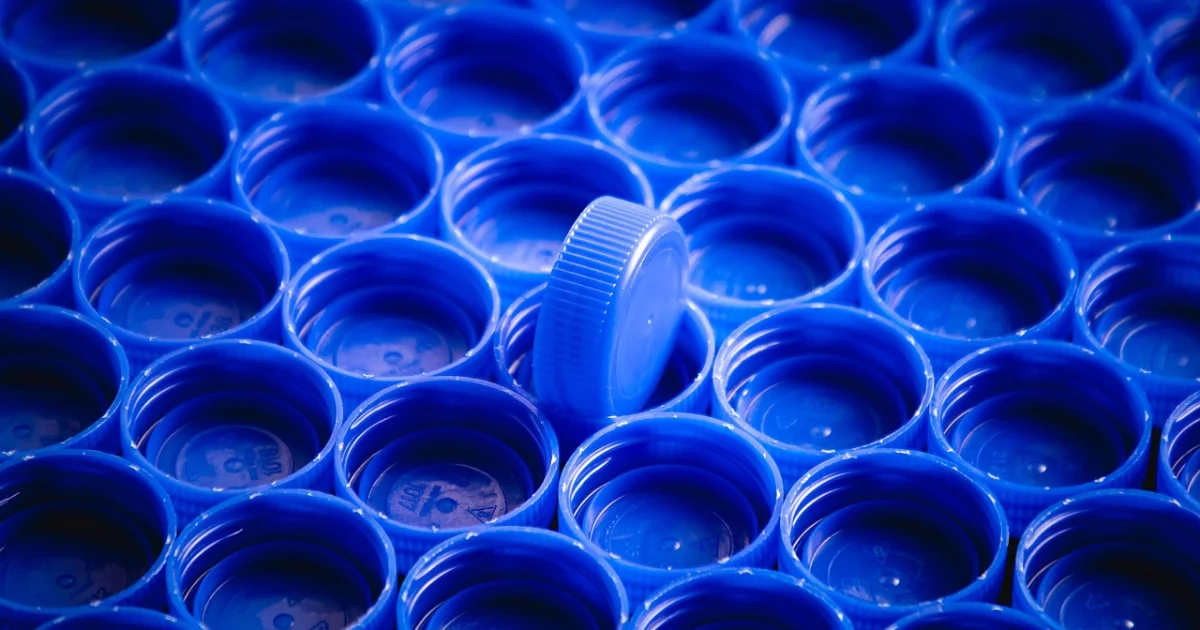
Many people assume they master the art of recycling years ago. Recycling seems straightforward, but it’s actually more complicated than most realize. Odds are pretty high that you’re recycling quite a lot of common items – including paper coffee cups, disposable straws, and pizza boxes – the wrong way. Yes, you read that right: There are wrong ways to recycle. Most of the errors we make in our attempts to recycle items at home cause a problem because they contaminate other recyclable materials. If non-recyclable items wind up in the bin alongside recyclable ones, the entire batch goes to waste and nothing in it can be recycled. Making small mistakes – or recycling the wrong items – can wind up unexpectedly sending your waste to the landfill instead of the recycling plant as you’d intended. So, before you drop another item into your recycling bin, find out which all-too-common items you’re probably recycling wrong. Let’s break it down.
1. Plastic Bags: The Biggest Culprit
Plastic bags are arguably the most frequently recycled incorrectly. While many grocery stores offer recycling bins specifically for plastic film, tossing them into your curbside recycling bin is a significant problem. The issue isn’t simply that they’re not technically recyclable; it’s that they jam the machinery at recycling facilities. These thin, flimsy bags get tangled in the sorting equipment, causing shutdowns and ultimately sending entire batches of recyclable materials to the landfill. The material science behind plastic bags is also a factor. They’re made from a low-density polyethylene (LDPE) that’s difficult to process efficiently compared to higher-density plastics like bottles and jugs.
Solution: Don’t recycle plastic bags curbside. Instead, check with your local grocery store or retailer to see if they have a dedicated plastic film recycling program. Many stores, like Target and Walmart, accept plastic bags, dry cleaning bags, and bubble wrap. You can also drop off plastic bags at designated drop-off locations, often found at community centers or recycling facilities. Consider switching to reusable shopping bags entirely – it’s a small change with a big impact.
2. Paper Coffee Cups: A Sticky Situation
That seemingly recyclable paper coffee cup from your morning latte? It’s frequently a source of confusion. While the cup itself is made of paper, it’s almost always lined with a plastic coating – typically polyethylene – to prevent leaks. This plastic lining is the key problem. Traditional recycling facilities aren’t equipped to separate the paper from the plastic, and the coated cup ends up in the landfill, regardless of whether it’s made of paper or plastic. The specific type of plastic used in these linings varies greatly, further complicating the recycling process. Some newer cups are being made with compostable linings, but those still require industrial composting facilities – not your curbside bin.
Solution: Tear off the paper cup and recycle that. The plastic liner needs to go in the trash. Look for coffee shops that offer cups with compostable linings and inquire about composting options in your area. Alternatively, invest in a reusable travel mug to eliminate the need for disposable cups altogether. The average disposable coffee cup generates approximately 40 pounds of waste annually—a significant impact when multiplied across millions of daily coffee runs.
3. K-Cups and Coffee Pods: Foil and Plastic Frustration
The convenience of single-serve coffee makers has led to a surge in K-cups and other coffee pods. However, these pods are notoriously difficult to recycle. Most are made of a combination of materials: a paper shell, a plastic lid, and a small amount of coffee grounds. While the paper shell can be recycled, the plastic lid and grounds often aren’t. The foil used in some pods adds another layer of complexity, as it requires specialized recycling processes. The volume of K-cups alone represents a massive waste stream, with billions ending up in landfills each year. The production of these pods also requires significant energy and resources – a hidden environmental cost.
Solution: Remove the foil lid and grounds from the K-cup and recycle the paper shell separately. Some companies are beginning to offer compostable K-cup pods, but these require industrial composting facilities. Consider switching to a reusable coffee filter or purchasing whole beans and brewing your coffee manually. A recent study by the EPA found that coffee grounds are a valuable resource – they can be used as a soil amendment in your garden, providing nutrients and improving soil structure.
4. Paper Straws: A Delicate Dilemma
Paper straws were initially touted as an eco-friendly alternative to plastic straws. However, they’re not always recyclable through standard curbside programs. The reason is twofold: their small size and the fact that they degrade as they’re used, breaking down the paper fibers. This degradation makes them unsuitable for recycling machinery, which relies on intact fibers to effectively process paper. Furthermore, many paper straws are coated with wax or plastic for durability, which further hinders their recyclability. The widespread adoption of paper straws has actually increased paper waste in some areas – as restaurants and individuals purchase more straws than they could previously, leading to increased disposal.
Solution: Compost your paper straws if your municipality offers composting. Otherwise, discard them in the trash. The best solution is to simply avoid using straws altogether – many drinks can be enjoyed just as well without them. Businesses are increasingly adopting reusable straw options made from stainless steel or silicone.
5. Disposable Plastic Utensils: A Quick Toss
Fast food containers, pizza boxes, and takeout meals often come with a collection of disposable plastic utensils. While these are convenient, they’re rarely recyclable. Most recycling facilities don’t accept plastic cutlery, and they quickly degrade during the recycling process, making them unusable. The sheer volume of disposable plastic utensils generated each year contributes significantly to landfill waste. The production of these utensils also relies on petroleum-based plastics, further impacting the environment.
Solution: Dispose of disposable plastic utensils in the trash. When ordering takeout, request that your meal be packaged with reusable or compostable alternatives. Carry your own reusable cutlery set – a small investment that can make a big difference.
6. Light Bulbs: Specialized Recycling is Key
Fluorescent light bulbs, LED bulbs, and compact fluorescent lamps (CFLs) contain small amounts of mercury, a toxic substance. These bulbs should never be thrown in the regular trash. Improper disposal can lead to mercury contamination of soil and water. While some municipalities offer special collection programs for hazardous waste, many don’t. The recycling process for these bulbs is complex and requires specialized equipment to safely extract the mercury.
Solution: Check with your local municipality or hazardous waste disposal facility to see if they offer a light bulb recycling program. If no program is available, search online for a retailer that accepts used light bulbs for recycling. Consider switching to LED bulbs, which don’t contain mercury and have a longer lifespan.
7. Pizza Boxes: Grease and Grime Troubles
Pizza boxes are a frequent source of confusion for recyclers. While the paper portion of the box might be recyclable, the grease and cheese residue often contaminate the entire batch, rendering it unusable. Even if the grease is scraped off, the box may still be rejected due to the contamination. The cardboard itself is often coated with wax or plastic, further hindering its recyclability.
Solution: Tear off the clean top portion of the pizza box and recycle that. The greasy bottom portion should be composted if possible, or disposed of in the trash. Alternatively, you can line your compost bin with the greasy bottom portion of the box to create a nutrient-rich composting material.
8. Batteries: A Hidden Hazard
Batteries, whether alkaline, lithium-ion, or rechargeable, contain heavy metals and corrosive chemicals that can be harmful to the environment. Never throw batteries in the trash or recycling bin. Improper disposal can lead to soil and water contamination. The recycling process for batteries is complex and requires specialized facilities.
Solution: Drop off used batteries at designated collection points, such as hardware stores, electronics retailers, or recycling centers. Many municipalities offer battery recycling programs. Consider purchasing rechargeable batteries to reduce the overall number of batteries you need to replace.
9. Styrofoam: The Unrecyclable Nightmare
Styrofoam (polystyrene foam) is notoriously difficult to recycle. It’s a lightweight, bulky material that doesn’t compact well, making it expensive to transport. Furthermore, it’s often contaminated with food residue, which further complicates the recycling process. Most recycling facilities don’t accept polystyrene foam, and it typically ends up in landfills.
Solution: Avoid using styrofoam products whenever possible. Opt for alternatives like cardboard, paper, or biodegradable packaging. If you have styrofoam to dispose of, check with your local municipality to see if they offer special collection programs. Some businesses are beginning to use polystyrene alternatives.
10. Aerosol Cans: Empty is Essential
Aerosol cans are often recyclable, but only if they’re completely empty. Any residual product inside the can can create a fire hazard during the recycling process. Even small amounts of propellant can make the can unsafe to recycle.
You may also enjoy reading: 11 Surprising Ways Gardeners Are Using Aluminum Foil in Their Gardens.
Solution: Empty aerosol cans completely before placing them in the recycling bin. If you can’t empty the can, take it to a hazardous waste disposal facility for proper disposal.
11. Medication Bottles: Privacy Matters
Empty medication bottles can be recycled in some areas, but it’s crucial to protect your privacy. Remove the label from the bottle and break it up before recycling to prevent anyone from identifying the medication. Check with your local municipality to see if they have a specific program for medication recycling.
12. Cereal Boxes: Waxed Paper Challenges
Many cereal boxes are lined with wax or plastic to preserve freshness, making them difficult to recycle. The wax and plastic coatings prevent the paper from being properly processed in the recycling stream.
Solution: Tear off the clean top portion of the cereal box and recycle that. The coated bottom portion should be composted if possible, or disposed of in the trash.
13. Plastic Wrap and Film: A Sticky Issue
Plastic wrap, cling film, and plastic bags are often mistaken for recyclable plastic. However, they tend to tangle in recycling machinery, causing jams. Their low density also makes them difficult to process efficiently.
Solution: Plastic wrap and film should be disposed of in the trash. Consider switching to reusable food storage containers.
14. Mirror Tiles: A Fragile Problem
Mirror tiles are typically made of glass and a thin layer of reflective material, making them difficult to recycle. The reflective material can contaminate the glass recycling stream.
Solution: Dispose of mirror tiles in the trash. Donate them for use in crafts or art projects.
15. Electronics: Complex and Specialized
Electronics, such as computers, televisions, and cell phones, contain hazardous materials and require specialized recycling. Simply throwing them in the trash can contaminate soil and water. The recycling process for electronics is complex and involves recovering valuable materials like gold, silver, and copper.
Solution: Donate or recycle electronics through certified e-waste recycling programs. Many manufacturers and retailers offer take-back programs.
16. Clothing and Textiles: Beyond the Bin
Many people assume that clothing and textiles can be recycled, but the reality is more complex. While some textile recycling programs exist, they’re not widely available. Most clothing and textiles end up in landfills. Fabric scraps and old clothes can, however, be repurposed – donated to charities, used for crafting, or turned into new products.
Solution: Donate unwanted clothing and textiles to charities. Repurpose fabric scraps for crafting projects. Research local textile recycling programs that accept specific types of materials.
By understanding these common recycling mistakes and taking the time to dispose of items properly, we can all contribute to a more sustainable future. Recycling isn’t just about throwing things into a blue bin; it’s about making informed choices and minimizing our environmental impact. A little extra effort can go a long way!