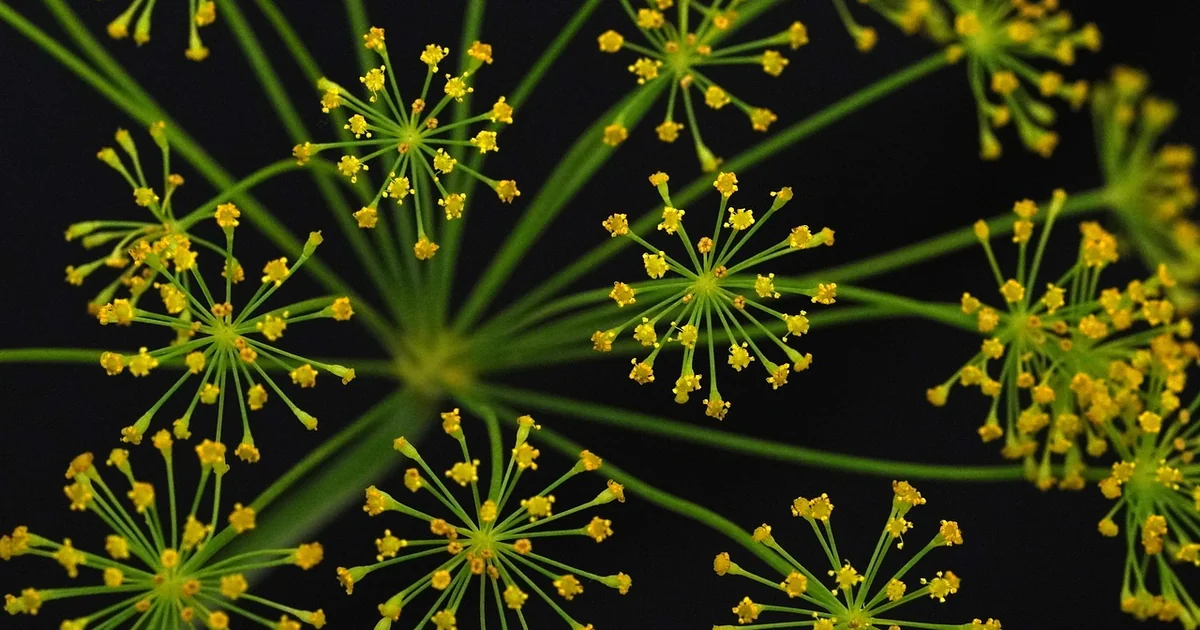
A thriving garden relies on balance. Some plants support each other, while others compete. Dill belongs to the first group. Its feathery leaves and umbrella-shaped flowers, called umbels, offer more than visual appeal. These umbels produce nectar that attracts hoverflies, ladybugs, and lacewings. According to a 2019 study from the University of Vermont, gardens with flowering dill saw a nearly 40% increase in hoverfly visits compared to control plots. These insects prey on aphids, spider mites, and caterpillars. Dill also has a shallow root system. This allows it to fit between larger plants without stealing water or nutrients. Its strong scent confuses pests like cabbage moths, making it harder for them to find their target crops.
Strategic Pairings for a Healthier Garden
Each companion plant offers a unique benefit. Some improve soil, others repel specific pests, and a few even enhance the flavor of nearby herbs. Below are eleven of the most effective partners for dill, backed by practical gardening experience and biological reasoning.
1. Basil: The Aromatic Herb Garden Duo
Basil and dill share similar soil preferences. Both enjoy full sun, consistent moisture, and well-drained ground. More importantly, they attract the same beneficial insects. Honeybees and hoverflies visit both plants regularly. Some gardeners notice that basil helps repel hornworms, which occasionally trouble dill. Planting them side by side creates a fragrant, pest-resistant herb patch. Just give each plant enough room to spread its leaves without crowding.
2. Broccoli and the Brassica Family
Broccoli, cauliflower, kale, and Brussels sprouts belong to the brassica family. These crops face constant threats from cabbage worms, cabbage loopers, and cabbage moths. Dill acts as a natural shield. Its strong aroma masks the scent of brassicas, confusing adult moths looking for a place to lay eggs. Dill also attracts braconid wasps. These tiny, non-stinging wasps parasitize cabbage worms, keeping their populations under control. Planting dill every few feet along a brassica row can dramatically reduce pest pressure without chemicals.
3. Corn
Corn attracts specific pests like cutworms and corn earworms. Dill flowers attract hoverflies and ladybugs, which are natural predators of these pests. The timing works well. Dill typically bolts and flowers just as corn begins to tassel. Experts recommend planting dill at the ends of corn rows, roughly one foot away from the nearest stalk. This positioning gives dill enough sunlight while keeping its beneficial insect army close to where they are needed most.
4. Asparagus
Asparagus beds are permanent fixtures in many gardens. Over time, they can develop persistent aphid populations. Dill seeds attract lacewings and ladybugs, both of which target aphids specifically. Dill’s shallow roots do not disturb the deep-rooted asparagus crowns. Scatter dill seeds along the edges of an asparagus bed in early spring. The dill will often self-seed year after year, creating a living, sustainable pest control system for your asparagus.
5. Lettuce
Lettuce has a short growing cycle and shallow roots. It is also a primary target for aphids and slugs. Dill provides a protective umbrella. By planting lettuce in the dappled shade of taller dill plants, you can extend your lettuce harvest into warmer weather. The dill scent helps mask the lettuce from pests. As you harvest the lettuce, the dill continues to grow, filling the gap and maximizing your garden space efficiently.
6. Onions and Alliums
Onions, garlic, leeks, and chives produce strong sulfur compounds. These compounds repel aphids effectively. When you pair alliums with dill, you create a powerful aromatic barrier that confuses a wide range of pests. Dill attracts beneficial insects, while the onions drive away harmful ones. This combination works especially well around plants prone to aphid infestations. Plant a ring of onions around your dill patch for double protection.
7. Marigolds
Dill repels many insects, but it remains vulnerable to slugs and caterpillars. Marigolds are one of the best plants to address this weakness. They release a compound called thiophene into the soil, which repels nematodes and certain soil-borne pests. Above ground, their bright flowers attract predatory insects that eat slugs and caterpillars. Together, dill and marigolds form a comprehensive pest defense network that protects your entire garden bed.
8. Bush Beans
Bush beans have a unique ability. They host bacteria on their roots that convert atmospheric nitrogen into a form plants can use. This process, called nitrogen fixation, naturally fertilizes the soil. Dill benefits from this nitrogen boost, leading to lusher foliage and more flavorful leaves. In return, dill attracts pollinators that help increase bean yields. Avoid pole beans, which can overshadow and crowd dill due to their aggressive climbing habit.
9. Cucumbers
Cucumbers require heavy pollination to set fruit. Dill flowers attract honeybees and native bees, dramatically improving cucumber yields. Dill also attracts beneficial insects that prey on cucumber beetles, a common garden pest. Plant dill at the base of cucumber trellises or along the edges of cucumber mounds. You will get more pickles and a healthier vine as a result.
10. Chamomile
Chamomile is often called the plant doctor in companion planting circles. It releases specific chemicals that can enhance the growth and essential oil production of nearby herbs. When planted next to dill, chamomile is believed to improve the dill flavor and vigor. Both plants prefer full sun and well-drained soil. Their delicate, feathery foliage also creates a beautiful visual contrast in the garden.
You may also enjoy reading: Tips to Make Compost Tea Like a Pro.
11. Cilantro (Coriander)
Cilantro and dill are botanical cousins. They have similar growing requirements and attract the same beneficial insects. However, avoid planting them directly next to each other if you plan to save seeds, as they can cross-pollinate. For the kitchen garden, this pair works well for succession planting. As dill bolts in the heat, cilantro can take its place. Both are powerhouse attractors for hoverflies and ladybugs, ensuring your garden always has a resident pest control squad.
Plants to Keep Away from Dill
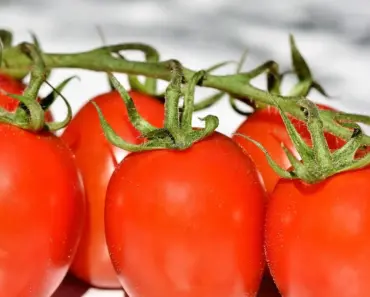
Companion planting is about balance. Dill does not get along with everyone. Avoid planting dill near carrots, as they can cross-pollinate and produce poor-quality roots. Fennel is another bad neighbor. It can inhibit the growth of dill and other plants through allelopathic chemicals. Tomatoes have a complex relationship with dill. Young dill plants benefit tomatoes by repelling pests, but mature dill can stunt tomato growth. Keep dill away from mature tomato plants to avoid this conflict.
Frequently Asked Questions About Dill Companion Plants
Can I plant dill next to tomatoes?
Young dill can benefit tomatoes by repelling pests and attracting pollinators. However, once dill reaches maturity and begins to flower, it can release chemicals that inhibit tomato growth. For this reason, plant them at a distance or remove the dill once it flowers if it is too close to your tomatoes.
Does dill attract any pests to the garden?
Dill is primarily a pest-repelling plant, but it does attract the black swallowtail butterfly. The caterpillars of this butterfly feed on dill foliage. Most gardeners welcome these beautiful butterflies and plant extra dill specifically for them. This is a benefit, not a drawback.
How far apart should I plant dill from its companions?
For most companions like basil, lettuce, and onions, a spacing of 12 to 18 inches is sufficient. For larger companions like corn or asparagus, plant dill at the edge of the bed or row, about one to two feet away. Always ensure the dill receives full sun.
Can I plant different varieties of dill together?
Yes, you can plant different dill varieties together. They will cross-pollinate, which affects the genetics of the seeds you save, but it does not harm the plants growth or their ability to act as companion plants.
Is it better to plant dill from seed or transplants for companion planting?
Dill has a long taproot and does not transplant well. Direct sowing seeds into the garden where you want them to grow is the most reliable method. For continuous companion benefits, succession sow dill seeds every three to four weeks throughout the growing season.