That cheerful morning ritual of watching finches and chickadees at the feeder can turn sour when you spot a shadowy, long-tailed figure scurrying along the fence line at dusk. It’s a frustrating contradiction: your effort to support local wildlife inadvertently rolls out a welcome mat for pests. The core issue isn’t the feeder itself, but the environment it creates—a combination of easy calories and secure hiding spots that rats find irresistible.
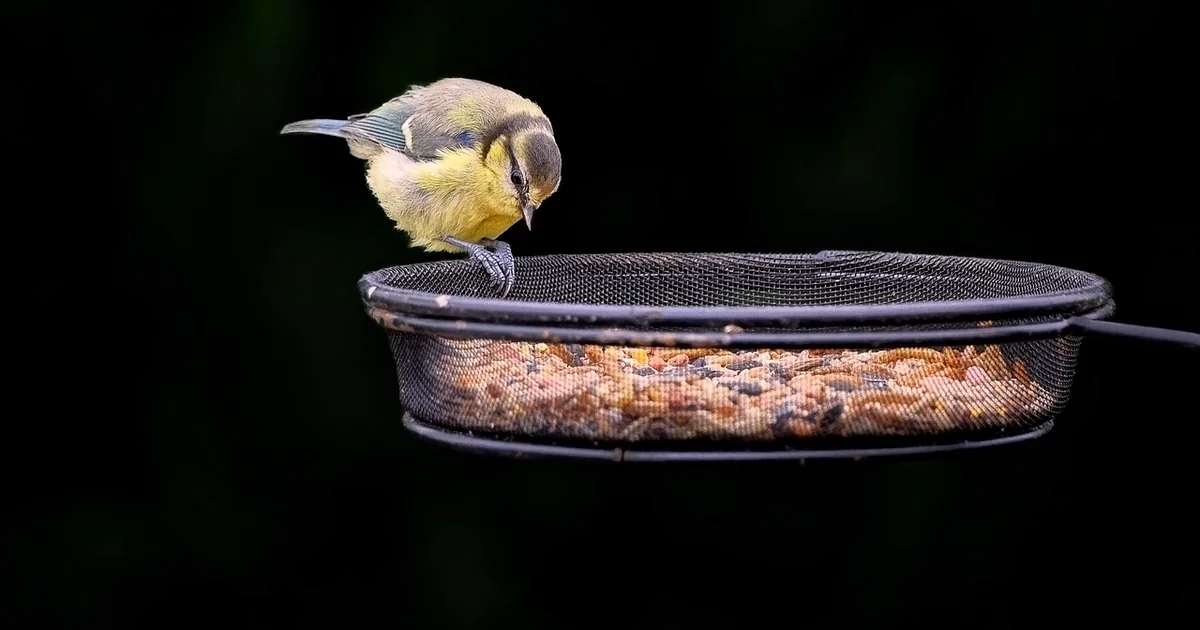
Why Your Current Bird Feeder Setup Is a Rodent Magnet
To solve a problem, you first need to understand the invitation you’re sending. Rats are survival experts, and your garden might be offering them a perfect package deal. Their primary motivations are food, water, and shelter, and a poorly positioned feeder can deliver all three.
The Spilled Seed Buffet
It’s not the seed securely tucked inside the feeder that’s the biggest draw; it’s the steady rain of hulls and whole seeds that accumulates on the ground below. A single black oil sunflower seed can contain about 20 calories. For a rat needing hundreds of calories daily, a carpet of spilled offerings under a feeder is a concentrated energy source. Birds are messy eaters, and standard feeders can waste up to 30% of their contents onto the ground, creating a predictable, renewable food station.
The Psychology of Cover and Edges
Rats are neophobic, meaning they have a deep fear of new, open spaces. They are thigmotactic, preferring to travel with their whiskers touching a vertical surface like a wall, fence, or dense hedge. This behavior provides constant tactile feedback and quick escape routes. When a feeder is placed against a shed, near a woodpile, or under tree branches, it sits within their preferred “travel lane.” They can dart out, grab food, and vanish in seconds, feeling secure. An open lawn, however, represents a terrifying expanse with no quick hideaways.
Night Shift Operations
While you’re sleeping, rodent activity peaks. Rats are primarily nocturnal, and the cover of darkness emboldens them to venture further from their nests. If you hear strange rustling or scratching sounds at night, or find disturbed mulch and new burrow holes near foundations come morning, your feeder is likely funding their after-hours operations. This nighttime activity often goes unnoticed until the population grows large enough to become visible during twilight hours.
7 Quick Bird Feeder Fixes for Effective Rat Prevention
You don’t need to declare war or use harsh methods. The most effective bird feeder rat prevention strategy is about making your yard an inconvenient and risky dining destination. Here are seven actionable adjustments that work in harmony with animal behavior.
1. Relocate to the Center of Your Lawn
This is the single most impactful change you can make. Move the feeder at least ten to fifteen feet away from any structure, fence, or dense vegetation. Position it in the middle of the most open area you have, even if it’s a modest patch of grass. This utilizes their fear of exposure. A rat must cross open ground, visible to owls, hawks, and neighborhood cats, to reach fallen seed. This perceived threat often outweighs the reward. For the birds, this is a non-issue; most feeder visitors are quite comfortable in open spaces where they can spot predators approaching.
2. Install a Seed Catcher or Tray
Eliminate the ground buffet entirely by attaching a wide tray or catcher directly beneath the feeder ports. These devices, often called “seed hoops” or “no-mess trays,” are designed to catch hulls and whole seeds before they hit the ground. Look for models with a fine mesh bottom that allows rainwater to drain, preventing moldy sludge. Empty and clean this tray weekly as part of your routine. By cutting off the easy, spilled food source, you remove the primary reason rats linger.
3. Switch to Selective, No-Mess Food Blends
Not all bird food is created equal. Cheap mixes often contain filler seeds like milo or wheat, which many common backyard birds will kick out of the feeder, creating waste. Opt for no-waste, no-mess options. These are typically shelled seeds (like sunflower hearts or shelled peanuts) or rendered suet cakes. Since there are no hulls, there is virtually nothing to fall to the ground. While initially more expensive, you feed the birds, not the ground, making it more cost-effective and a cornerstone of good bird feeder rat prevention.
4. Implement a Strict Cleaning Schedule
Sanitation is critical. Establish a simple routine: every week or two, sweep or use a handheld vacuum to clean the area under and around the feeder. Don’t just brush the debris into the flower bed; dispose of it in a sealed compost bin or trash can. Periodically, take the feeder down and give it a thorough scrub with a mild vinegar solution or a dilute bleach mix (one part bleach to nine parts water), rinsing it thoroughly before refilling. This removes accumulated oils and bacteria that can also attract pests.
5. Choose a Rat-Resistant Feeder Design
Invest in hardware designed to foil clever climbers. Effective designs include weight-sensitive feeders that close the feeding ports when anything heavier than a cardinal lands on the perch. Also consider fully enclosed tube feeders with short perches, or caged feeders where the seed compartment is surrounded by a wire mesh large enough for small birds but too small for rats. For pole-mounted feeders, a simple, smooth metal pole baffle placed about five feet off the ground acts as an impassable barrier for climbing rodents.
6. Embrace Strategic Feeding Times
Rats are creatures of habit and learn feeding schedules. Break their routine by adopting a “daylight only” policy. Put out only as much seed as the birds will consume by late afternoon, and bring the feeder in at dusk. Alternatively, use feeders that are completely empty by nightfall. This starves the night shift. While it requires more daily effort, it’s a highly effective temporary measure to break a rodent cycle, teaching them that the food source is unreliable after dark.
7. Modify the Surrounding Landscape
Look beyond the feeder itself. Remove the “cover” part of the equation. Trim back tree branches that overhang the feeding area. Keep grass and weeds short around the feeder pole. Store firewood, construction materials, and yard waste bins well away from the feeding station. By creating a clean, open perimeter of at least a few feet, you eliminate the staging areas rats use to launch their raids, forcing them into the open and making them feel vulnerable.
You may also enjoy reading: Feng Shui Tips: Align Your Bed for Better Sleep.
Solutions for Challenging Yard Layouts
Not everyone has a sprawling, open lawn. If your outdoor space is a compact courtyard, a narrow side yard, or heavily shaded by trees, the classic “middle of the lawn” advice can feel impossible. Here’s how to adapt the principles.
For Small or Enclosed Spaces
Use height and isolation to your advantage. Install a feeder on a tall, smooth pole placed in the center of your patio or courtyard, as far from walls as possible. Combine this with a large, effective baffle on the pole. The key is maximizing the distance from any jump point. Rats can jump vertically about three feet, so ensure the feeder hangs well above that from the baffle. The open, hard surface of a patio provides similar exposure to a lawn.
For Yards with Heavy Tree Cover
Instead of fighting the trees, use them strategically. Suspend a feeder from a long, strong wire strung between two trees, positioning it so the feeder hangs in the clearest open air possible, at least six feet from any trunk or thick branch. This creates the necessary exposure. Ensure the wire is thin and slippery (like a coated cable), making it difficult for rodents to tightrope walk their way across.
Answers to Common Bird Feeder Rat Questions
How can I tell if rats or other rodents are visiting my feeder?
Look for signs beyond sightings. Rat droppings are dark, spindle-shaped, and about half an inch long, often found in concentrated areas. You may see smooth, worn-down trails in grass leading to and from the feeder area. Greasy rub marks can appear on fences or walls from their constant travel. At night, shining a flashlight from your window might catch the reflection of their eyes.
Will moving my feeder scare the birds away?
Birds are highly adaptable and primarily driven by food availability. They may show caution for a day or two as they reassess the new location for safety, but they will quickly return. Their vision is excellent for spotting aerial predators, so an open location often feels safer to them than a bush where a cat could be hiding. Be patient and keep the feeder stocked; they will find it.
What if I have multiple feeders?
Apply the same rules to all of them. Cluster them in the same open area rather than scattering them around the yard. This creates one centralized, defensible feeding zone that you can monitor and clean easily, rather than multiple small buffets that spread the problem and your effort.
Are there any bird seeds that specifically deter rats?
While no seed is “rat-proof,” rats have preferences. They tend to favor millet, corn, and wheat. Using blends that minimize these ingredients in favor of black oil sunflower, nyjer, or suet can make the fallen debris slightly less attractive. However, a hungry rat will eat almost anything, so this tactic works best in combination with the cleanup and placement strategies above.
When should I consider professional help?
If you’ve implemented these fixes consistently for several weeks and still see significant, persistent activity, or if you notice signs of rats attempting to enter your home (chewed wires, holes near the foundation, noises in walls), it’s time to call a licensed pest management professional. This indicates an established population with nests nearby that requires a more targeted intervention.
The goal isn’t to create a sterile yard, but a balanced one where you can enjoy birds without subsidizing pests. By understanding the simple equation of food plus cover, you can disrupt it with intelligent placement, smart cleaning, and selective products. A few thoughtful changes can restore peace, letting you watch the chickadees in peace, knowing your feeder is for the birds alone.