When Too Much Love Drowns Your Tomato Plants
A gardener with a generous heart can accidentally harm tomato plants through excessive watering. The leaves droop. The stems sag. The soil feels more like a sponge than a nurturing bed. These are the classic signs that your plants are suffering from moisture overload. Many home gardeners misread wilting as a cry for water when, in fact, the roots are drowning. The condition is common, but the good news is that overwatered tomato plants are remarkably resilient. With the right steps, you can bring them back to full health.
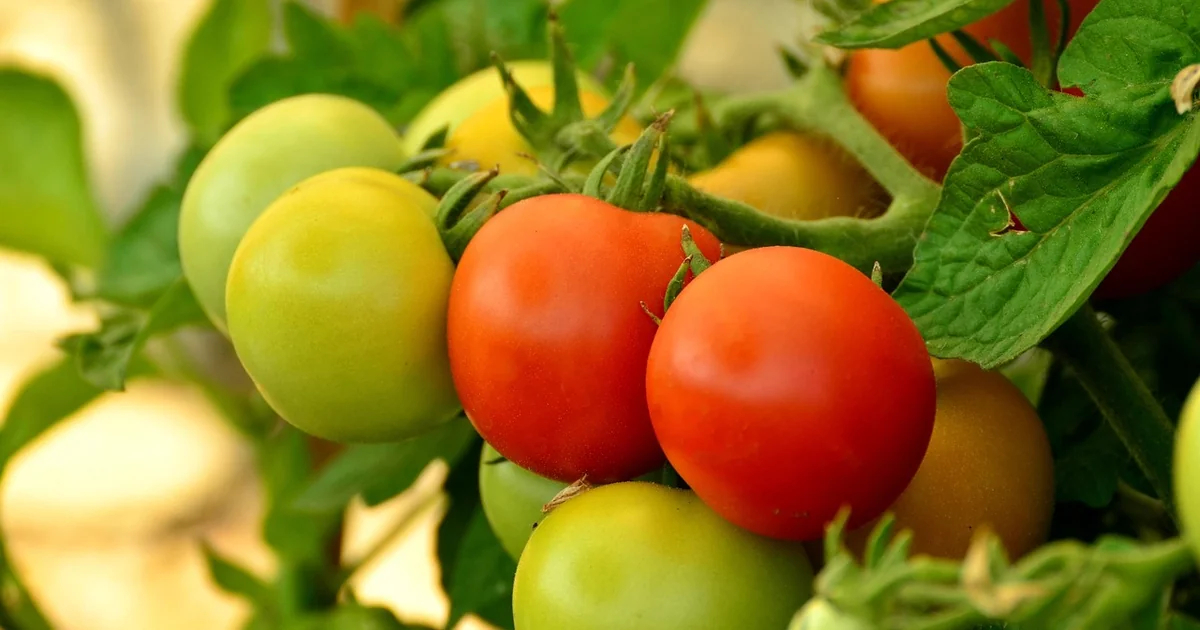
Understanding the difference between thirsty plants and waterlogged ones is the first skill to master. A plant that needs water will have leaves that look dry and papery. An overwatered plant, by contrast, has leaves that wilt while remaining soft and green. The soil tells the real story. If it clings to your fingers and smells musty, you have a moisture problem. Let us walk through five practical tips that will help you rescue your precious tomato plants and restore them to vigorous growth.
Tip One: Confirm the Problem by Inspecting the Roots
Before you take any action, you need to be certain that overwatering is the issue. Surface signs can sometimes mislead. The most reliable method involves looking at the roots themselves. Tomato roots typically grow in the top 8 to 12 inches of soil. Use your gloved hands or a small trowel to gently expose a portion of the root system near the stem.
Healthy roots appear whitish or light tan. They feel firm and springy to the touch. Unhealthy roots from overwatered tomato plants look brown or black. They feel limp and mushy, almost like wet string. A foul odor rising from the soil is another strong indicator of root rot caused by excess moisture. If you confirm these symptoms, proceed immediately to the next tip. Early detection dramatically improves your chances of a full recovery.
Some gardeners notice raised bumps or blisters on the leaves. This condition, called edema, happens when roots cannot absorb water fast enough and the leaf cells swell and burst. It is a secondary sign that confirms the roots are struggling. Do not wait for all symptoms to appear. Act as soon as you suspect trouble.
Tip Two: Remove the Plant and Trim the Damaged Roots
Once you have confirmed root damage, the plant needs to come out of the ground or its pot. This step sounds drastic, but it is necessary. Gently lift the plant, keeping as much of the root structure intact as you can. Shake off the soggy soil or rinse the rootball with a gentle stream of water from a faucet or hose. You want to see the roots clearly so you can assess the damage.
Using a clean pair of snippers or pruning shears, cut away every root that looks mushy, dark, or discolored. Be thorough. Any rotting tissue left on the plant will continue to decay and may spread to healthy roots. Trim back to firm, white or light-colored tissue. Do not worry if you remove a significant portion of the root mass. Tomato plants are vigorous growers and will regenerate new roots quickly if given the right conditions. This pruning step is the single most important action you can take to save the plant.
For garden-grown plants, you may encounter a deep taproot that extends up to 3 feet into the soil. You likely cannot remove the entire taproot, and that is fine. Focus on cleaning and trimming the smaller feeder roots near the surface. Those are the roots that absorb water and nutrients. A network of new feeder roots will develop to replace the damaged ones.
Tip Three: Replant in Fresh, Dry Soil Immediately
After trimming the damaged roots, you must give the plant a fresh start. Discard the old soil completely. It is saturated with excess moisture and may contain pathogens that cause rot. Fill the pot or a new garden hole with a dry, well-draining potting mix. For container plants, use a mix designed for vegetables that contains perlite or vermiculite to improve aeration.
When replanting, set the tomato plant at the same depth it was growing before. Burying the stem too deeply can invite disease. Gently spread the trimmed roots outward in the hole and cover them with dry soil. Add a stake or cage to support the plant, especially if it is top-heavy or already bearing fruit. The support helps the plant stay upright while new roots establish themselves.
For garden plants, choose a new location that does not collect standing water. A slightly raised bed or a slope works well. If moving the plant is not an option, amend the existing soil with compost or sand to improve drainage before replanting. After placing the plant in its new home, do not water it immediately. The roots need time to dry out and heal. Withhold water for at least three to five days, depending on the weather and soil moisture.
Mature bush-type tomato plants with small fruits tend to handle transplanting better than large-fruited varieties. If you have a huge plant with extensive fruit set, you may decide to leave it in place and simply allow the soil to dry out naturally. In that case, skip the transplanting step and focus on withholding water and improving drainage around the base. Either approach can work, but transplanting gives you more control over the root environment.
Tip Four: Feed the Plant After the Roots Recover
Roots that have been waterlogged are weak and inefficient at taking up nutrients. After the soil has dried out and the plant shows signs of new growth, it is time to provide a gentle boost. Choose a balanced NPK fertilizer, such as a 10-10-10 formulation, and apply it according to the package directions. Do not fertilize immediately after transplanting. Wait until you see fresh leaves emerging, which signals that the roots are beginning to function again.
A foliar spray can also help deliver nutrients directly to the leaves while the roots are still recovering. Use a diluted liquid fertilizer and spray it on the foliage in the early morning or late evening. Avoid spraying plants that are severely wilted, as the leaves may not absorb the spray effectively. The foliar approach is a temporary measure. Once the roots are healthy, the plant will get everything it needs from the soil.
Some gardeners also apply a fungicide to the soil around the base of the plant. This treatment can help suppress root rot fungi and give the recovering roots a better chance. Follow the product instructions carefully. Do not overapply, as fungicides can harm beneficial soil organisms if used excessively. The combination of dry soil, trimmed roots, and balanced nutrition gives the plant the best possible foundation for recovery.
Depending on the extent of the damage, your tomato plant should show noticeable improvement within one to two weeks. You will likely lose some leaves during the process. That is normal. The plant sheds foliage to reduce the demand on its compromised root system. When new growth appears at the tips and along the stem, you can be confident that the rescue worked.
Tip Five: Adjust Your Watering Habits for Good
Preventing a recurrence is just as important as the rescue itself. Overwatered tomato plants usually result from a mismatch between watering frequency and the plant’s actual needs. A few simple changes to your routine will keep your tomatoes happy and healthy going forward.
First, check your containers. Every pot must have drainage holes in the bottom. If water collects in a saucer, empty it promptly. Elevate pots on bricks or pot feet to allow air to circulate underneath. For garden beds, avoid planting tomatoes in low-lying areas where water pools after rain. If your soil is heavy clay, amend it with organic matter to improve drainage before planting next season.
You may also enjoy reading: 9 Small DIY Projects with Leftover Paint.
Second, establish a watering schedule based on soil moisture rather than the calendar. Stick your finger about 2 inches into the soil. If it feels dry at that depth, it is time to water. If it feels damp, wait another day. Tomato plants generally need about 1 to 2 inches of water per week from rainfall or irrigation. Potted plants may need around 1 gallon per day during hot weather, but always check the soil first.
Third, keep track of rainfall. A week of steady rain can saturate the ground even if you have not touched the hose. During wet periods, skip your watering sessions entirely. It is far easier to hydrate a slightly thirsty tomato plant than to repair one that has been overwatered. When you do water, apply it slowly and deeply at the base of the plant rather than sprinkling the foliage. Deep watering encourages roots to grow downward, which makes them more resilient.
If you have missed a watering and the plant looks wilted, do not overcompensate by dumping a large volume of water all at once. Give it a moderate drink and check the soil again the next day. Consistent, moderate moisture is the goal. Erratic watering patterns stress the plant and make it more vulnerable to both overwatering and underwatering problems.
Recognizing the Full Range of Overwatering Symptoms
Knowing what to look for helps you catch the problem early. Beyond the obvious wilting and soggy soil, several other signs can indicate trouble. A white, green, or dark crust on the soil surface or on the lower part of the main stem suggests that salts and minerals have accumulated due to poor drainage and excess moisture. Standing water around the base of the plant is an immediate red flag. A sour or musty smell rising from the soil indicates anaerobic conditions that promote root rot.
Leaves may develop yellowing between the veins or drop prematurely. In severe cases, the stem may become soft near the soil line. All of these symptoms point to the same underlying cause: the roots cannot breathe because the pore spaces in the soil are filled with water instead of air. Tomato roots need oxygen to function. When they suffocate, the entire plant suffers.
Wilting alone is not enough to diagnose overwatering. Check the soil moisture and inspect the roots before taking action. A quick root check takes only a few minutes and can save you from making the wrong move. If the roots look healthy and the soil is dry, the plant likely needs water instead. If the roots are brown and mushy, follow the five tips outlined here to rescue your plant.
Frequently Asked Questions About Overwatered Tomato Plants
How can I tell if my tomato plant is overwatered?
Look for soggy soil that clings to your fingers, drooping leaves that remain green and soft, standing water around the stem, and a musty smell from the soil. The most reliable test is to inspect the roots. Healthy roots are white or light tan and firm. Overwatered roots are brown or black, limp, and mushy.
Can overwatered tomato plants recover?
Yes, tomato plants are resilient and can recover from overwatering, especially if you catch the problem early. Remove the plant, trim the damaged roots, and replant in dry, well-draining soil. With proper care, new growth should appear within one to two weeks.
How long does it take for an overwatered tomato plant to recover?
Recovery time depends on the extent of root damage. Minor overwatering may resolve in a few days once the soil dries out. More severe cases involving root rot can take one to two weeks before new growth appears. Be patient and avoid watering until the soil is dry.
Should I fertilize an overwatered tomato plant?
Wait until the plant shows signs of new growth before fertilizing. Damaged roots cannot absorb nutrients effectively. After the soil dries and new leaves emerge, apply a balanced NPK fertilizer such as 10-10-10 to support recovery. A foliar spray can provide nutrients in the meantime.
How often should I water tomato plants to prevent overwatering?
Water when the top 2 inches of soil feel dry to the touch. This usually works out to about 1 to 2 inches of water per week for garden plants and around 1 gallon per day for potted plants during hot weather. Adjust for rainfall and never water on a fixed schedule without checking the soil first.