The urge to fill a new space with furniture and decor can be powerful, especially when facing empty walls or a recently moved-into home. It’s tempting to opt for quick fixes and budget-friendly options to achieve an instant sense of completion. However, a growing movement champions a different approach: slow home decorating. This philosophy prioritizes thoughtful curation and lasting quality over rapid acquisition, fostering a home that truly reflects your personal style and stands the test of time. It’s a mindful practice, akin to the slow fashion movement, emphasizing intentionality and a deeper connection to the pieces that inhabit your living space. This isn’t about delaying the enjoyment of a comfortable home; it’s about investing in a sanctuary that evolves with you.

The beauty of slow home decorating lies in its ability to cultivate a space that feels uniquely yours, free from the constraints of fleeting trends. It’s a conscious decision to resist the pressure of instant gratification and instead embrace a more considered, sustainable way of building a home. This approach isn’t simply about taking your time; it’s about developing a deeper understanding of your personal aesthetic and the spaces you inhabit.
1. Start with the Big Pieces: Laying a Timeless Foundation
The initial phase of any decorating project often revolves around acquiring the foundational elements – the substantial furniture pieces that define the layout and functionality of a room. This might include a sofa, a dining table, or a bed frame. When practicing slow home decorating, the key is to prioritize quality and enduring design over trendy styles or low prices. Consider the long-term investment these items represent. A well-crafted sofa, for instance, can last for 10-15 years with proper care, whereas a cheaper alternative might require replacement every few years. This not only saves money in the long run but also reduces the environmental impact associated with frequent disposal.
Instead of succumbing to impulse purchases, dedicate time to researching brands known for their craftsmanship and commitment to sustainable practices. Look for furniture constructed with solid wood frames, durable fabrics, and timeless silhouettes. Think about pieces that can easily adapt to evolving decor styles, perhaps through reupholstering or simple updates. This deliberate approach to the core elements of your home creates a solid foundation for future additions and ensures a cohesive aesthetic that won’t quickly feel dated. Furthermore, investing in fully assembled furniture can save you time and effort, as these pieces are typically constructed to a higher standard.
2. Curate, Don’t Accumulate: The Power of Intentionality
A cornerstone of slow home decorating is the principle of curation – carefully selecting items that resonate with you and contribute to the overall narrative of your home. This contrasts sharply with the tendency to accumulate possessions without much thought. Before adding a new piece, ask yourself: Does it serve a purpose? Does it bring you joy? Does it align with your existing style? If the answer to these questions is a resounding yes, then it’s likely a worthwhile addition. If not, it’s best to pass.
This mindful approach extends beyond furniture to include decorative objects, artwork, and textiles. Instead of filling shelves with numerous trinkets, opt for a few carefully chosen pieces that hold personal significance or complement your existing decor. Consider the story behind an item – perhaps it’s a vintage find with a unique history or a handcrafted piece made by a local artisan. These narratives add depth and character to your home, transforming it from a collection of objects into a reflection of your life and experiences. The focus is on quality over quantity, ensuring that every item has a purpose and contributes meaningfully to the overall aesthetic.
3. Embrace the Beauty of Vintage and Secondhand Finds
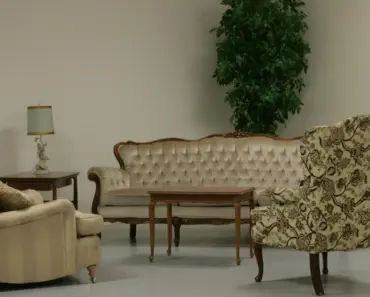
One of the most sustainable and characterful aspects of slow home decorating is the embrace of vintage and secondhand items. These pieces not only offer a unique aesthetic but also reduce the demand for new manufacturing, minimizing environmental impact. Exploring antique stores, flea markets, and online marketplaces can uncover hidden gems – furniture with rich histories, unique decorative objects, and one-of-a-kind textiles.
Vintage furniture often boasts superior craftsmanship compared to mass-produced items, built to withstand decades of use. A well-maintained antique can become a cherished heirloom, adding a sense of timeless elegance to your home. Beyond furniture, vintage textiles, artwork, and accessories can inject personality and character into any space. The process of discovering and restoring a vintage piece can be incredibly rewarding, fostering a deeper appreciation for craftsmanship and history. This approach also allows for greater flexibility in decorating, as vintage pieces can be easily integrated into various style schemes. It’s a way to add unique flair without contributing to overconsumption.
4. Prioritize Quality Materials: Investing in Longevity
The materials used in furniture and decor significantly impact both the longevity and the aesthetic of a piece. Slow home decorating emphasizes investing in items crafted from durable, high-quality materials that will withstand the test of time. This might include solid wood, natural stone, high-thread-count cotton, or linen. These materials not only look and feel more luxurious but are also less prone to wear and tear compared to synthetic alternatives.
Consider the long-term cost-effectiveness of choosing quality materials. While the initial investment may be higher, the reduced need for replacements over time can result in significant savings. Furthermore, natural materials often develop a beautiful patina with age, adding to their character and charm. This contrasts with synthetic materials that can quickly fade, crack, or lose their appeal. By prioritizing quality materials, you’re not only creating a more durable and aesthetically pleasing home but also making a more environmentally responsible choice. This mindful selection process is a hallmark of the slow home decorating philosophy.
5. Cultivate a Timeless Color Palette: Beyond Fleeting Trends
One of the easiest ways to achieve a timeless aesthetic through slow home decorating is to opt for a neutral or muted color palette. While bold colors and trendy hues can add excitement to a space, they are often associated with fleeting trends and can quickly feel outdated. A foundation of neutral colors – such as whites, creams, grays, and beiges – provides a versatile backdrop that can be easily updated with accent colors and accessories.
These neutral tones create a sense of calm and sophistication, allowing you to focus on the textures and forms of your furnishings. When it comes to accent colors, choose hues that you genuinely love and that complement your existing decor. Consider incorporating earthy tones, soft pastels, or rich jewel tones – colors that have stood the test of time and are unlikely to go out of style. This approach creates a cohesive and enduring aesthetic that won’t require frequent overhauls. The focus is on creating a serene and welcoming environment that feels comfortable and timeless.
6. Allow for Gradual Evolution: A Journey, Not a Race
The essence of slow home decorating is the understanding that creating a beautiful home is a journey, not a destination. It’s a process of gradual evolution, allowing your style to develop organically over time. Resist the urge to fill every space immediately. Instead, focus on acquiring pieces that you truly love and that fit seamlessly into your existing decor. This allows you to refine your aesthetic as you go, ensuring that your home reflects your evolving tastes and experiences.
This approach also provides an opportunity to budget effectively. By spreading out your purchases over time, you can avoid overspending and invest in quality pieces that you’ll truly cherish. It’s a more sustainable and financially responsible way to build a home. Furthermore, allowing for gradual evolution prevents the feeling of overwhelm that can often accompany a rushed decorating project. You can take your time to find the perfect pieces, ensuring that each addition feels intentional and well-considered. This patient approach ultimately leads to a more satisfying and personal living space.
7. Focus on Personal Connection: Creating a Home That Tells Your Story
Ultimately, slow home decorating is about creating a home that feels authentic and reflects your unique personality. It’s not about following trends or striving for perfection; it’s about surrounding yourself with items that hold meaning and evoke positive emotions. Incorporate pieces that have sentimental value – family heirlooms, travel souvenirs, or gifts from loved ones. These items add depth and character to your home, transforming it from a mere dwelling into a personal sanctuary.
Display items that spark joy and tell your story. This might include photographs, artwork created by loved ones, or collections of objects that reflect your hobbies and interests. The more personal touches you incorporate, the more your home will feel like a true reflection of you. This focus on personal connection is what truly elevates slow home decorating beyond mere aesthetics. It’s about creating a space that nourishes your soul and celebrates your life’s journey. The result is a home that is not only beautiful but also deeply meaningful.
You may also enjoy reading: 7 Best Dopamine Decor Pieces From Amazon for 2025.
By embracing the principles of slow home decorating, you’re not just creating a visually appealing space; you’re cultivating a more sustainable, intentional, and personally fulfilling home environment. It’s a move away from fleeting trends and towards lasting quality, fostering a connection to your surroundings and the objects within them. This mindful approach ultimately leads to a home that feels truly like your own – a sanctuary that evolves with you over time.
Glossary
Slow Home Decorating: A design philosophy emphasizing mindful curation, quality over quantity, and a gradual approach to building a home that reflects personal style and values sustainability. It’s a conscious rejection of fast-paced trends in favor of enduring aesthetics and lasting investments.
Patina: A surface change on certain materials, such as bronze or copper, caused by exposure to the atmosphere over a period of time, often resulting in a rich, aged appearance.
Sustainable Practices: Methods and approaches that minimize environmental impact throughout the lifecycle of a product, from sourcing materials to manufacturing and disposal.
Timeless Aesthetic: A design style that remains stylish and relevant over long periods, resisting the influence of fleeting trends.
References
Land, D. A. (n.d.). What Is Slow Decorating? Azuloz. Retrieved from [Insert hypothetical link to an article about slow decorating on Azuloz]
Marlowe, J. (n.d.). Personal communication. Jeweled Interiors.
Putzier, L. (n.d.). Personal communication. Lindsey’s Eclectic Interiors.
Baratta, A. (n.d.). Personal communication. Jeweled Interiors.
Author Bio
[Author Name] is an experienced SEO blogger and lifestyle writer for Azuloz, focusing on creating informative and engaging content for families. With a keen eye for detail and a passion for sustainable living, [Author Name] explores topics ranging from home decor and parenting to relationships and well-being. [Author Name] believes in the power of mindful living and strives to provide readers with practical advice and inspiring ideas for creating a fulfilling life.