There is perhaps no kitchen task more universally dreaded than dicing an onion. You need it for soups, stews, sauces, and salads, yet preparing it often feels like a battle against your own biology. The tears, the stinging, the burning sensation that lingers long after the onion is in the pan. For years, I accepted the tears as a necessary evil. But recently, while prepping a massive batch for a French Onion Pot Roast, I found myself crying harder than I had during any movie. That is when I decided to find out the truth about how to stop onion tears for good. Instead of relying on viral TikTok hacks that rarely work, I looked into the professional methods used by chefs who prep onions by the pound every single day. Here are the five essential steps they take before they start chopping.
Why Do Onions Make Us Cry? The Science Behind the Sting
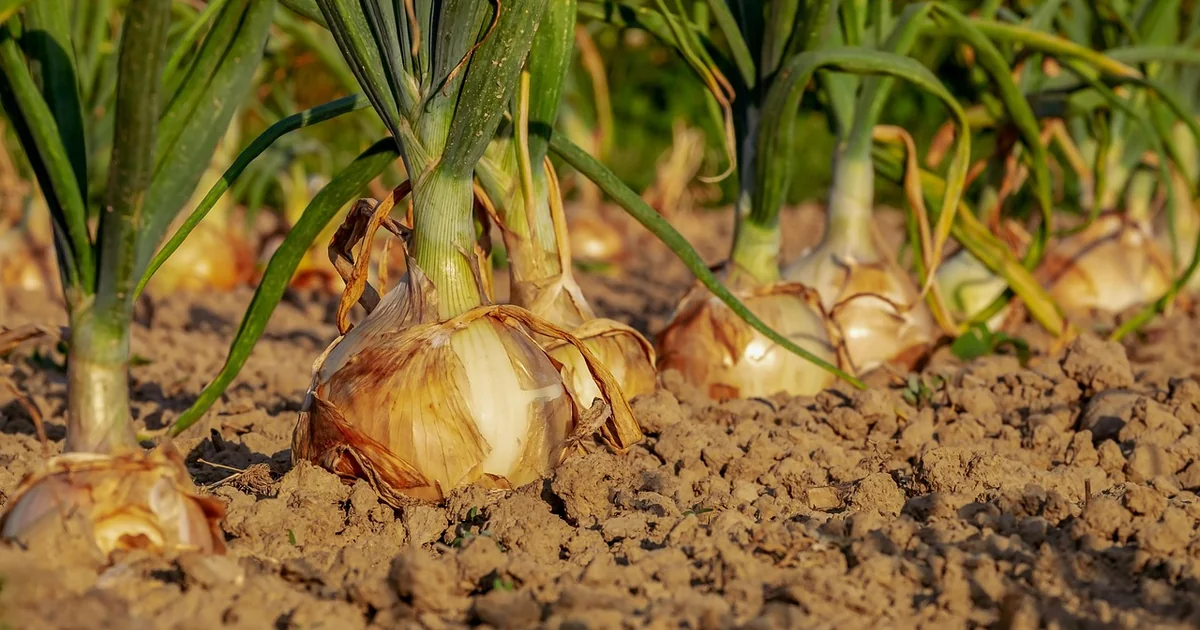
To understand how to stop onion tears, we need to understand why they happen in the first place. Onions belong to the allium family, and they have a sophisticated chemical defense system. This system is designed to protect the bulb from being eaten by animals and pests in the ground.
When you cut into an onion, you rupture its cells. This releases a set of enzymes that mix with sulfenic acid to create a new, highly volatile gas called syn-propanethial-S-oxide. This gas is scientifically known as a lachrymatory factor, which literally means “tear maker.” Once this gas floats up toward your face and interacts with the moisture in your eyes, it forms a very mild sulfuric acid. This acid irritates the nerve endings in your eyes, causing a stinging sensation. Your eyes respond by producing tears to flush the irritant out.
Think of it as the onion’s final act of defiance. It releases a tear gas specifically designed to make you put down the knife. You are not crying because you are sad. You are crying because your onion just retaliated against you. Knowing this science is the first step in learning how to outsmart the onion before it attacks.
The No. 1 Trick Chefs Swear By: How to Stop Onion Tears Before They Start
Without exception, the first thing most professional chefs do is chill the onion. This is the single most effective way to disarm the chemical reaction before it even begins. Cold temperatures slow down the enzymatic activity that creates the lachrymatory gas.
Placing an onion in the freezer for 10 to 15 minutes, or in the refrigerator for 20 to 30 minutes, significantly reduces the volatility of the tear-inducing gas. The core of the onion needs to be cold, not just the outer layers. A quick chill is enough to slow the reaction without freezing the onion solid.
Many home cooks worry that chilling an onion will affect its flavor or texture. This is a common misconception. The flavor compounds in onions are heat-activated and stable. Chilling only slows the chemical reaction that makes you cry. It does not change the taste of your finished dish. Whether you are making caramelized onions for a burger or a fresh salsa, a pre-chilled onion will perform exactly the same as a room-temperature one.
You should not store your onions in the fridge long-term. Extended refrigeration can alter the onion’s flavor and increase its rate of spoilage. The ideal storage temperature for whole onions is around 50 degrees Fahrenheit, which is typical of a cool, dark pantry. Simply tuck the onion into the freezer or fridge about 20 minutes before you plan to cut it. This is the most reliable answer to how to stop onion tears at the source.
Chef Tip #1: Choose Your Onion Wisely (Variety Matters)
Not all onions are created equal. If you are particularly sensitive to onion fumes, the type of onion you choose makes a huge difference. Some varieties are naturally more aggressive than others.
Sweet onions, such as Vidalia or Walla Walla, contain fewer sulfuric compounds than standard storage onions. They are the mildest and least likely to cause tears. Shallots and green onions also fall into this milder category. They are great for eating raw on sandwiches or in salads because their chemical defense system is much weaker.
Yellow, white, and red onions, on the other hand, are the workhorses of the kitchen. They have a higher sulfur content, which gives them a stronger, more pungent flavor. Unfortunately, this also means they are the most potent tear-jerkers. If a recipe calls for a large yellow onion but you are already dreading the tears, consider using two small sweet onions instead. You get a milder flavor and a lot fewer tears.
Size matters a little less than the type of onion, but it is still worth considering. A larger onion contains more cells, and therefore more of the tear-inducing compounds. If you only need a cup of diced onion, choose the smallest onion available. You will be inviting fewer “guests” to the party you did not want in the first place.
Chef Tip #2: Use a Razor-Sharp Knife (Dull Blades Are the Enemy)
This is one of the most overlooked secrets in the kitchen. A sharp knife glides through the onion’s cell walls cleanly. A dull knife crushes and tears the cells, rupturing far more of them and releasing a massive cloud of the irritating gas. Every chef knows that a dull knife is not only more dangerous, but also causes exponentially more tears.
Think of it this way. A sharp knife makes a precise cut, like a scalpel in a surgical procedure. It separates cells neatly with minimal damage. A dull knife pulverizes the tissue, like a hammer smashing a rock. The more cells you damage, the more enzymes are released, and the more gas is created.
Before you even think about slicing an onion, take a minute to hone your knife with a honing steel. Honing realigns the edge of the blade, keeping it straight and sharp. If your knife feels dull, sharpen it with a whetstone or use a professional sharpening service. A sharp knife is safer because it requires less force to cut. It is also a fundamental step in learning how to stop onion tears effectively. A well-maintained knife is a chef’s best friend, especially when dealing with alliums.
Chef Tip #3: Leave the Root End Intact (The Root of the Problem)
The root end of an onion has the highest concentration of the sulfuric compounds that cause tears. Cutting through the root is like setting off a stink bomb. It releases a concentrated burst of the lachrymatory gas directly into the air around your face.
Chefs use a specific technique to avoid this. They leave the root end attached while dicing. Here is how you can do it at home. First, slice the onion in half from the top to the root. Peel away the skin. Now, make horizontal cuts parallel to the cutting board, but stop just before you reach the root. Next, make vertical cuts down toward the board, again stopping just before the root. Finally, chop across the onion. The root holds everything together and minimizes the release of the tear-inducing compounds.
By leaving the root intact, you are physically containing the chemical reaction. You cut off the root at the very end, after the onion is already diced. This small change in technique can dramatically reduce the amount of gas that reaches your eyes. It is a simple, chef-grade method that sets a professional cook apart from a home cook.
You may also enjoy reading: 7 Best Beach Tents & Canopies According to Testing.
Chef Tip #4: Wear Protective Goggles (The Foolproof Way to Stop Onion Tears)
This sounds silly, but it is 100% effective. If you absolutely cannot tolerate onion fumes, or if you have to prep a massive quantity of onions for a party or meal prep, the only completely foolproof method is to create a physical barrier. Chefs in high-volume kitchens sometimes wear kitchen goggles or even swim goggles.
It looks a little ridiculous, but it works perfectly. If the gas cannot reach your eyes, it cannot react with the moisture in your eyes. You will not feel a single sting. This is the nuclear option for how to stop onion tears. It is not a hack or a trick. It is pure, unadulterated physics and chemistry.
Sure, you might look a bit silly chopping onions in goggles. But your family will thank you when dinner is ready and you are not hiding in the living room with red, swollen eyes. If you wear contact lenses, you are already at an advantage, as the lenses provide a slight barrier. For everyone else, a pair of cheap safety goggles from the hardware store is a worthy investment for a tear-free cooking experience.
Chef Tip #5: Create a Ventilation Strategy (Fan or Open Window)
The tear-inducing gas is airborne. It floats up from the cutting board and hangs in the air around your face. If you can physically move the gas away from you, you can reduce or eliminate the stinging. Chefs work in kitchens with powerful ventilation hoods that suck the air out of the room. You can replicate this effect at home with a simple strategy.
Set up a small fan on your counter pointing away from you. Turn on your stove’s exhaust fan if you have one. Open a window nearby to create cross-ventilation. A standard kitchen exhaust fan can move a significant volume of air per minute, which is enough to dilute the concentration of the gas near your face.
Combine this with a chilled onion and a sharp knife, and you have a multi-layered defense system. The ventilation physically removes the gas, while the chilling slows its production. This is a simple, low-tech solution that many home cooks overlook. It is especially useful during the summer months when the kitchen is warm and the gas tends to be more volatile.
Frequently Asked Questions About Stopping Onion Tears
Does cutting an onion under water help stop the tears?
Yes, it does work in theory. Water absorbs the gas before it can reach your eyes. However, it is highly impractical. Cutting an onion under water makes the onion slippery and very difficult to hold safely. You are much more likely to cut your fingers. Chilling the onion is a much safer and equally effective alternative.
Does holding bread in your mouth while cutting onions actually work?
This is a popular myth that has been circulating for generations. Some people swear by it. The idea is that the bread absorbs the gas before it reaches your eyes. While it might create a slight physical barrier, there is no strong scientific evidence to support it. It is not nearly as reliable as chilling the onion or using a sharp knife.
Do sweet onions really not make you cry?
Sweet onions, like Vidalia or Walla Walla, contain fewer sulfuric compounds than standard yellow or white onions. This means they are significantly milder and produce far fewer tears. However, they are not completely tear-free. If you are extremely sensitive, you may still experience some mild stinging, but the reaction is much less intense.
Why does chilling an onion stop the tears so effectively?
Cold temperatures slow down the enzymatic reaction that converts sulfenic acid into the tear-inducing gas, syn-propanethial-S-oxide. Think of it like putting a chemical reaction on ice. The enzymes become less active, so they produce less of the gas. A 20-minute chill is usually enough to make a noticeable difference.
Is it better to use a stainless steel or ceramic knife for cutting onions?
Both types of knives can be very sharp. The key factor is sharpness, not the material. A sharp stainless steel knife is excellent for cutting onions. Some people believe that ceramic knives react less with the onion, which might reduce tears slightly. However, the primary factor is how cleanly the knife cuts. A sharp knife of any material is better than a dull one.
You do not have to suffer every time you make dinner. By adopting just a few of these chef-approved strategies, you can significantly reduce or even eliminate onion-induced tears. The next time you are preparing a French Onion Soup, a hearty stew, or a fresh salsa, try chilling your onion, sharpening your knife, and leaving the root intact. Your eyes will thank you, and you will finally be able to cook with onions without reaching for the tissues.