Why Baby Artichokes Deserve a Spot on Your Antipasto Board
Fresh artichokes can feel like a project. Between the layers of leaves and the fuzzy center, many home cooks stick to the canned versions. But baby artichokes change the game entirely. They are tender, mostly leaf, and completely edible after cooking. It is the kind of appetizer that disappears quickly at dinner parties.
Baby artichokes are not just small artichokes. They are often harvested from the lower part of the plant, where they receive less sunlight. This keeps them smaller and exceptionally tender. The biggest advantage is the lack of the fuzzy “choke” that makes larger artichokes tedious to eat. You can cook them whole or halved, right down to the heart. Their nutty, slightly sweet flavor pairs beautifully with charred grill marks, good olive oil, and bright citrus.
The Essential Technique for Grilling Baby Artichokes
Before we get to the three recipes, you need to know the master technique. It involves a quick parboil followed by a hot grill session. This dual method ensures the artichokes are tender all the way through with a smoky, lightly charred exterior. The parboiling step also infuses them with flavor from lemon, garlic, and oregano.
How to Prep and Parboil
Start with a large pot. Fill a 5- to 6-quart pot halfway with water. Squeeze the juice of two lemons into the water and drop in the spent halves. Add four sprigs of fresh oregano, two peeled garlic cloves, and a tablespoon of coarse salt. Bring this mixture to a boil.
While the water heats, prepare your artichokes. Work with one at a time. Snap off any loose, tough outer leaves. Use a serrated knife to trim the stem and slice off the top quarter-inch of the artichoke. Cut each one in half lengthwise. Drop the halves into the boiling water immediately to prevent browning.
Reduce the heat to a simmer. Cover the pot and cook until the artichokes are tender when pierced with a knife, about 10 minutes. Drain them well in a colander.
How to Grill for Smoky Flavor
Wipe out the pot and return it to the stove over medium-low heat. Add a third of a cup of olive oil, eight more oregano sprigs, and four more garlic cloves. Heat this until the garlic becomes fragrant, about one to two minutes. Stir in two tablespoons of white wine vinegar, then remove the pot from the heat.
In a separate large bowl, toss the parboiled artichokes and sliced bell peppers with two tablespoons of olive oil. Transfer them to a grill basket. Grill over medium-high heat, covered, for seven to ten minutes. Stir occasionally until the artichokes are lightly charred and the peppers have softened. If you do not have a grill basket, thread the pieces onto 12-inch skewers. Grill, turning once, for the same amount of time.
Once grilled, add the hot vegetables to the oil and vinegar mixture in the pot. Toss in a handful of pitted olives, half a teaspoon of salt, and a pinch of crushed red pepper. Stir everything together. This is your master baby artichoke antipasto base.
3 Irresistible Baby Artichoke Antipasto Recipes to Try
Now that you have the technique down, here are three distinct ways to serve it. Each recipe builds on the master method but takes the final dish in a different direction.
Recipe 1: Classic Mediterranean Antipasto Platter
This version is the purest expression of the grilled artichoke. Use the master recipe as written. Let the mixture cool to room temperature. The flavors deepen as it sits, allowing the garlic and oregano to meld with the olive oil.
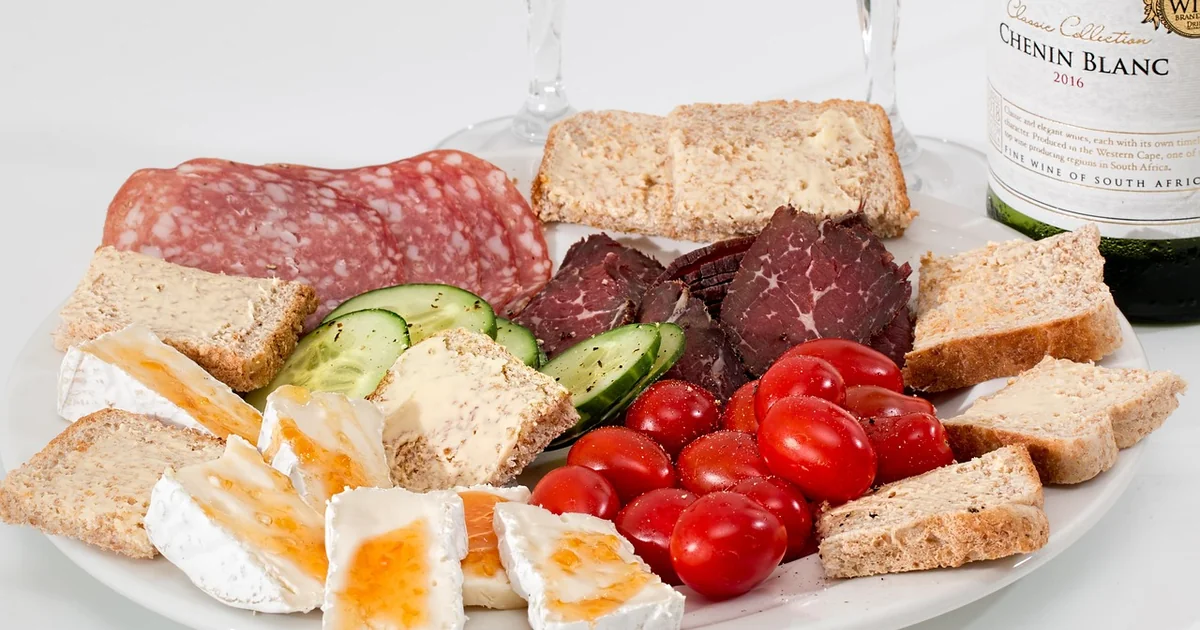
Arrange the artichokes, peppers, and olives on a large wooden board. Add slices of fresh mozzarella, rolled prosciutto, and a pile of arugula. Serve with crusty bread and a roasted garlic bulb for spreading. The creamy, sweet roasted garlic is a perfect counterpoint to the tangy artichokes.
How to Make a Roasted Garlic Bulb:
Preheat your oven to 400°F. Cut off the top half-inch of a garlic bulb to expose the cloves. Place the bulb cut-side up on a piece of foil. Drizzle with a tablespoon of olive oil and sprinkle with salt. Wrap the foil tightly around the bulb. Roast for 35 to 40 minutes, until the cloves are soft and golden. Squeeze the bottom of the bulb to release the roasted cloves. They add a sweet, buttery richness to the antipasto.
Make-Ahead Tip: This entire dish can be prepared up to one week in advance. Store the grilled artichoke mixture in a sealed container in the refrigerator. Bring it to room temperature before serving to allow the olive oil to liquefy and the flavors to wake up.
Recipe 2: Grilled Artichoke and Sun-Dried Tomato Skewers
For a party-friendly presentation, turn your antipasto into skewers. These are perfect for picnics, buffets, or cocktail hours where guests are standing and mingling. The skewers make serving simple and mess-free.
Prepare the artichokes and bell peppers as directed in the master technique. Instead of tossing everything in the pot, thread the grilled artichoke halves, bell pepper pieces, and sun-dried tomatoes onto short skewers. If you are using wooden skewers, soak them in water for 30 minutes beforehand to prevent burning on the grill.
You may also enjoy reading: 13 Cheap Outdoor Party Ideas That Look Luxurious.
Arrange the skewers on a platter. Drizzle them with a balsamic glaze and a sprinkle of flaky sea salt. The concentrated sweetness of the sun-dried tomatoes complements the smoky char of the artichokes beautifully. Serve at room temperature with a side of lemon aioli for dipping.
Recipe 3: Warm Artichoke and White Bean Bruschetta
This heartier version transforms the antipasto into a satisfying starter or a light lunch. It is especially welcome in the cooler months when you want something warm and substantial. The creamy beans soak up the garlic-oregano oil beautifully.
Prepare the master recipe, but roughly chop the grilled artichokes and bell peppers into bite-sized pieces. Return the pot to low heat. Add a can of drained and rinsed cannellini beans. Stir gently until the beans are warmed through.
Toast thick slices of sourdough or ciabatta bread. Rub each slice with a cut garlic clove. Spoon the warm artichoke and bean mixture over the toast. Finish with a squeeze of fresh lemon juice and a handful of chopped parsley. This warm baby artichoke antipasto is rustic, filling, and deeply flavorful. It proves that antipasto does not have to be cold to be authentic.
Common Questions About Cooking Baby Artichokes
What if I don’t have a grill basket or skewers?
You can still get great results. Use a cast-iron grill pan on the stovetop for similar char marks. Alternatively, you can broil the artichokes and peppers on a sheet pan for five to seven minutes. Watch them closely to avoid burning. The broiler gives you that same caramelized edge without needing an outdoor grill.
How do I know when the artichokes are tender enough after boiling?
The best test is a sharp knife. Insert the tip into the thickest part of the artichoke heart. It should slide in with very little resistance. If there is a crunch or snap, they need another minute or two. Overcooking makes them mushy, so start checking at the eight-minute mark.
Why is it important to squeeze lemon into the cooking water?
Artichokes oxidize and turn brown very quickly once cut. The acid in the lemon juice slows this reaction significantly. It also infuses the artichokes with a bright, fresh flavor that balances their natural earthiness. Without the lemon, your artichokes will look gray and unappetizing before they even hit the grill.
Tips for Selecting and Storing Baby Artichokes
Choosing the right artichokes makes a big difference in your final dish. Look for specimens that feel heavy for their size. The leaves should be tight and squeak when you squeeze them. Avoid any that look wilted, dry, or have widespread brown spots. A little discoloration on the tips is normal, especially on baby artichokes.
Once you bring them home, store them in a plastic bag in the refrigerator. They are best used within three to four days of purchase. Freshness is key to achieving that tender texture after grilling.
If you have leftover grilled artichokes, store them in their oil mixture in a sealed container. They will keep for up to one week in the fridge. The flavor actually improves after a day or two as the ingredients continue to marry. Just remember to bring them back to room temperature before serving. Cold olive oil becomes thick and cloudy, but it clears up beautifully as it warms.
Grilled baby artichokes are a versatile addition to any cook’s repertoire. Whether you serve them on a lavish platter, on a stick for easy eating, or warm over crusty bread, they bring a touch of Mediterranean sophistication to the table. The next time you see a bag of baby artichokes at the market, grab them. You now have three excellent ways to turn them into something memorable.