1. The “Sponge Bad Kitchen” Argument Starts with Bacteria
Let us dive into the five main reasons why the “sponge bad kitchen” argument holds a lot of weight. The most significant strike against the kitchen sponge is its inability to stay clean. Isabella Flores, a cleaning expert and professional organizer at Sparkly Maid San Diego, points out that sponges are more prone to harbor bacteria than almost any other item in your home. “Dish towels and rags can be washed in a hot wash and dry machine cycle, effectively killing all bacteria,” she explains. “Sponges can’t be sanitized to such standards in a home environment.”
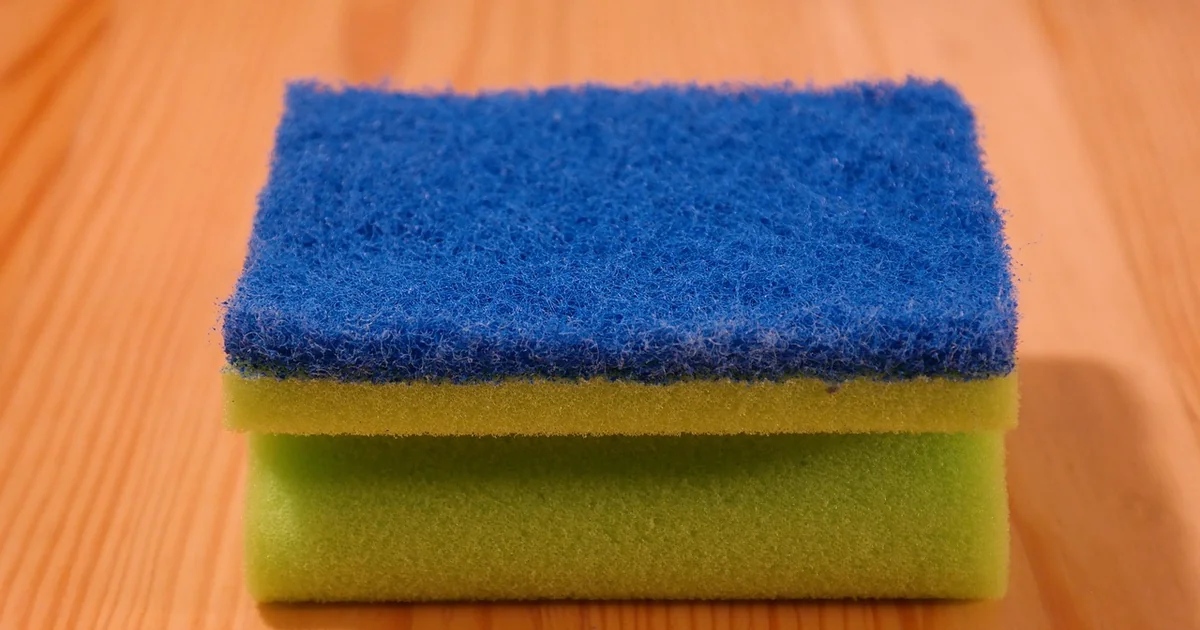
A 2017 study found that a single kitchen sponge can harbor up to 54 billion bacteria per cubic centimeter. That is a density you would typically find in raw sewage. For a busy parent worried about foodborne illness, this is a critical risk. You wipe down a counter after handling raw chicken, and you are essentially spreading bacteria around with a tool that cannot be properly sanitized.
Kitchen design pro Dino Rachiele, founder of Rachiele Custom Sinks, offers a counterpoint. He prefers sponges for their scrubbing power. “Modern engineered sponges outperform traditional cloth rags in several critical ways,” he argues. However, even he acknowledges that hygiene is a trade-off. The dense, porous structure of a sponge is a perfect home for Salmonella and E. coli. Unlike a dish rag, which you can toss in the laundry, a sponge stays damp and warm inside your sink, creating the perfect petri dish for microbial growth.
Can You Microwave a Sponge to Sanitize It?
Many people try to sanitize sponges in the microwave or dishwasher. Flores warns that this does not bring it to the same sanitation standards as a hot wash cycle for rags. It can also be a fire hazard if the sponge is too dry or contains metal scrubbers. The safest approach is to replace sponges frequently and use rags for daily cleaning.
2. Sponges Redistribute Grime Instead of Removing It
Have you ever wiped a counter with a sponge only to see a thin, greasy film left behind? Flores explains that this is a core functional flaw. “Dish rags provide a more efficient cleaning process and remove residue rather than just redistributing it,” she says. A sponge, especially when it is saturated, tends to push grease and food particles around rather than lifting them away.
Imagine trying to clean a spill with a wet paper towel. It just pushes the liquid around. A dry cloth absorbs it. The same principle applies here. A rag has capillary action that pulls liquid and dirt into its fibers. A sponge, once saturated, simply smears the mess across your surfaces. This is a core part of the “sponge bad kitchen” debate.
Rachiele, however, prefers sponges for their abrasive texture. “Dish rags lack the firmness required to remove food without significant effort,” he argues. While Rachiele has a point about scrubbing power, the reality is that for general surface cleaning, a rag does a better job of actually picking up and trapping dirt. For someone with sensitive skin, the constant scrubbing with a rough sponge can also cause irritation.
3. The Hidden Cost and Environmental Waste
If you follow Flores’s advice and replace your sponge every one to two weeks, the costs and waste add up quickly. Over a year, that is 26 to 52 sponges heading to the landfill. Most conventional sponges are made of plastic materials that do not biodegrade. For the eco-conscious reader, this is a significant concern.
Let us break down the cost. A pack of 6 sponges costs about $4. That is roughly $0.67 per sponge. Replacing them every two weeks costs about $17 per year. A pack of 12 quality dish rags costs about $10 and can last for two years or more. The laundry cost to wash them is pennies per load. Over five years, you save over $70 by switching to rags.
On the other hand, a pack of quality dish rags or microfiber cloths can last for months or even years. They can be washed hundreds of times. For an eco-conscious reader trying to reduce single-use plastic waste, switching to rags is a simple but impactful swap. It is also easier on the wallet over time.
4. Sponges Can Scratch and Damage Your Surfaces
That rough scrubby side of a sponge is great for caked-on food, but it is terrible for delicate surfaces. Rachiele acknowledges the balance: “The textured surface of a sponge balances gentle cleaning with sufficient abrasion.” However, that abrasion can scratch glass cooktops, stainless steel sinks, non-stick pans, and sealed granite countertops.
Non-stick pans have a delicate coating that scratches easily. Once scratched, the pan can release toxic fumes. A sponge can cause this damage. Stainless steel sinks develop swirl marks from harsh scrubbers. Glass cooktops can get micro-scratches that make them look cloudy over time.
Flores recommends using a dish rag for all general kitchen surfaces, including appliance exteriors and cabinet doors. “All of these tasks are easier to complete with a cloth than with a sponge,” she notes. If you have expensive cookware, avoiding the harsh scrubbers is a wise move. Rachiele understands the “sponge bad kitchen” concerns but defends the tool for its utility on tough messes.
5. Sponges Never Dry Out Properly
Bacteria thrive in moisture. A sponge sits in the bottom of the sink or in a caddy, staying wet for hours. Flores emphasizes the importance of drying for rags: “Hang them flat to dry instead of crumpled up.” A rag can dry completely between uses. A sponge cannot.
Even if you squeeze it out, the dense interior of a sponge remains damp. This is why it starts to smell after a few days. That smell is the byproduct of bacterial waste. For someone living in a small apartment with limited airflow and storage, this is a constant hygiene battle. A smelly sponge can ruin the whole vibe of your kitchen.
You may also enjoy reading: 7 Best Beach Tents & Canopies According to Testing.
Flores recommends washing your rags in hot water after every one to two uses. She also uses a color-coded system: one rag for food prep surfaces and another for non-food areas. This prevents cross-contamination. A clean, dry rag keeps things fresh and safe.
When a Sponge Is Actually the Better Tool
Despite the risks, both experts agree that sponges have a place in the kitchen. Flores says they are ideal for “eliminating stubborn foods and stains on dishes, stoves, and ovens.” Rachiele agrees, noting that the ability to rinse a sponge clean completely “makes a meaningful difference in real-world kitchen workflow.”
Sponges are also versatile for hard-to-reach places like inside bottles, cups, and mugs. The key is to use them sparingly and replace them often. Reserve your sponge for the tough jobs, and use a dish rag for your daily counter wipes and surface cleaning. This hybrid approach gives you the best of both worlds without the constant bacteria risk.
Frequently Asked Questions About Kitchen Sponges
How often should I really replace my kitchen sponge to keep bacteria under control?
Flores recommends replacing your sponge every one to two weeks if you are using it actively for scrubbing. If it starts to smell before that, toss it immediately. Do not wait for a specific date on the calendar. Trust your senses.
Can I safely sanitize a sponge in the microwave or dishwasher at home?
While some people microwave damp sponges to kill bacteria, Flores warns that this does not bring it to the same sanitation standards as a hot wash cycle for rags. It can also be a fire hazard if the sponge is too dry or contains metal scrubbers. It is safer to just replace it.
What is the best way to wash and dry a dish rag to prevent bacteria growth?
Wash your rags in hot water with detergent after every one to two uses. Dry them on a high heat setting in the dryer. Hang them flat to dry between uses to prevent mildew. Flores emphasizes that a dry rag is a safe rag.
Are there any kitchen surfaces where a sponge is actually better?
Yes. Sponges are better for scrubbing stubborn food residue off dishes, stoves, and ovens. They are also great for cleaning tight spaces like bottle interiors and mug handles. For general countertops and appliance exteriors, a rag is superior.
How do I tell if my sponge is too dirty to use, even if it looks clean?
Trust your nose. If it has any musty or sour odor, it is full of bacteria. Also, if the sponge feels slimy or has visible dark spots, replace it immediately. These are clear signs that the sponge is too dirty to use safely.
The “sponge bad kitchen” idea is not about ditching sponges entirely. It is about using the right tool for the job. For daily cleaning, a dish rag is safer, more effective, and more economical. Save the sponge for the tough stuff, and your kitchen will be cleaner and healthier for it.