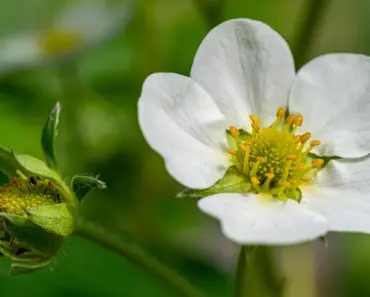
That pretty white-flowering tree in your yard might be causing more trouble than you realize. Bradford pear trees, also known as Callery pears, were planted by the thousands across the United States for their charming spring blooms and tough nature. But these trees have a dark side. They are aggressively invasive, weak-limbed, and notorious for taking over landscapes. If you have one on your property, you likely need to consider bradford pear tree removal sooner rather than later. Here are five practical things you can do about it.
Why You Should Remove a Bradford Pear Tree
Understanding the problem is the first step. These trees are not just a nuisance; they actively harm the environment. Native to China, the Bradford pear was introduced to the U.S. by the Department of Agriculture over a century ago. The goal was to help hybridize fruiting pear trees for better disease resistance, specifically against fire blight. The tree was released commercially in 1961 and quickly became a landscaping darling.
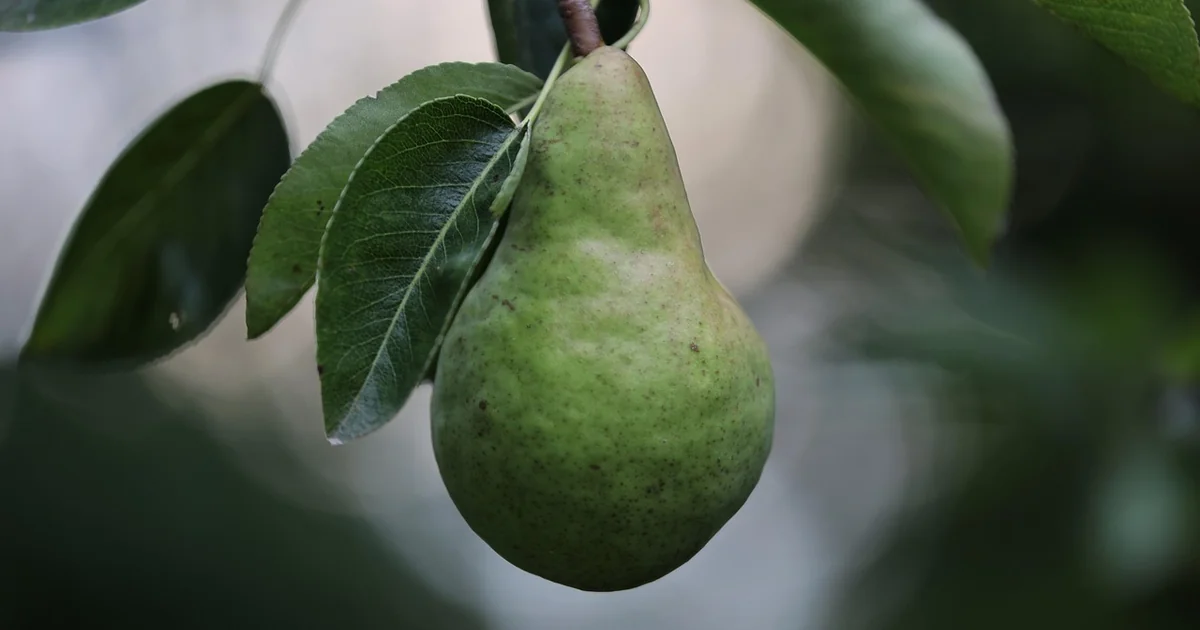
For decades, people believed the tree was sterile. They were wrong. Once different cultivars began cross-pollinating, the trees started producing small, round fruits filled with viable seeds. Birds eat these fruits and spread the seeds far and wide. By the early 2000s, Bradford pears had escaped yards and gardens. They now invade roadsides, abandoned fields, and woodlands, choking out native plants. In 2015, this tree was the third most popular tree in New York. Some homeowners’ associations even required residents to plant them.
Their aggressive growth is not their only flaw. The branches grow at tight angles, making the wood weak. A heavy snow or ice storm can cause major limbs to snap off, potentially damaging your house, car, or fence. The spring flowers also produce a distinct, unpleasant odor that many compare to rotting fish or dirty laundry. For all these reasons, bradford pear tree removal is often the best course of action for responsible homeowners.
1. Remove Young Seedlings Immediately
The easiest battle is against the next generation. Bradford pear trees are prolific seed producers. You will likely find small saplings sprouting up in your flower beds, lawn, or along fence lines. These young seedlings are the simplest to handle.
When you spot a seedling, do not hesitate. Grab a garden trowel or a shovel and dig it out. Make sure you get as much of the root system as possible. A small root left behind can sometimes resprout. Once removed, do not put the seedling in your compost pile. Composting invasive plants is risky because seeds or root fragments can survive and spread. Instead, place the entire plant in a trash bag and throw it in the garbage. This stops the life cycle right there.
Check your yard regularly, especially in spring and early summer. New seedlings can pop up quickly after birds drop seeds. Staying on top of this task prevents a future infestation. It is a simple, chemical-free method of controlling the spread.
2. Cut Down a Mature Tree Yourself
If you have a full-grown Bradford pear, you can tackle the job yourself if you are comfortable with basic tree work. Safety is the top priority here. Assess the tree carefully. Look for large, hanging limbs or cracks in the trunk. Because these trees are brittle, they can be unpredictable when falling. If the tree is near your house, power lines, or a driveway, consider hiring a professional arborist.
If you decide to proceed, you will need a chainsaw, safety goggles, gloves, and a hard hat. Start by removing the smaller branches. Work your way down the trunk in sections. Cut the trunk into manageable pieces for disposal. Remember, you cannot simply leave the wood lying around. The wood can still produce new shoots from the stump if not treated.
After the tree is down, you must address the stump immediately. This is a critical step in bradford pear tree removal. If you ignore the stump, it will send up a thicket of new shoots. These shoots are even harder to manage than the original tree. The goal is to kill the root system so nothing grows back.
Applying Herbicide to the Stump
The most effective method for killing the stump is to apply herbicide directly to the fresh cut. You have a very short window to do this. The herbicide must be applied within minutes of cutting the tree down. Once the cut surface begins to dry, the tree seals itself off, and the chemical cannot penetrate.
Use a paintbrush or a small spray bottle to apply the herbicide. Environmental agencies often recommend a 25% to 50% diluted solution of glyphosate or triclopyr. Glyphosate is the active ingredient in products like Roundup. Triclopyr is found in many brush killers and stump treatments. You can buy these at most home improvement or garden supply stores. Brush the solution generously over the entire surface of the stump, especially the outer ring of bark, which is the most active part of the tree.
Avoid using stump killers that require you to burn the stump. These products are dangerous and can cause wildfires or serious burns. Stick to the liquid herbicide method for safe and reliable results.
3. Use a Chemical-Free Method to Kill the Stump
If you prefer to avoid chemicals, there is a simple, natural alternative. It requires patience, but it works. After cutting the tree down, cover the stump with a heavy-duty black trash bag. Secure the bag tightly around the base of the stump using rope, bungee cords, or duct tape. The goal is to block all light and moisture from reaching the stump.
Leave the bag in place for at least one full year. During this time, the lack of sunlight and trapped heat will stress the stump. The roots will eventually starve and die. You can check on it periodically. If you see mushrooms growing on the stump or through the bag, that is a good sign. Mushrooms indicate that fungi are breaking down the dead wood. The stump is dying or already dead. Once the stump is completely dead, you can dig it out or grind it down more easily.
This method is slow but highly effective. It is also completely safe for pets, children, and the surrounding soil. It is an excellent choice for organic gardeners or anyone looking to avoid synthetic chemicals on their property.
4. Hire a Professional for Safe Removal
Not every situation is a do-it-yourself project. Large Bradford pear trees, especially those near structures, are best handled by professionals. These trees are notorious for splitting apart during removal. A falling branch can cause thousands of dollars in damage or serious injury.
You may also enjoy reading: 7 Gadgets That Make Gardening Easier & Save Time.
A certified arborist or tree removal service has the right equipment and experience. They can safely fell the tree in sections, remove the stump, and haul away the debris. They also know the correct herbicide application rates and techniques to ensure the tree does not grow back. While this option costs more money, it saves you time and reduces risk.
When hiring someone, ask for proof of insurance and references. Get multiple quotes to compare pricing. Explain that you need complete bradford pear tree removal, including stump treatment. A good company will guarantee that the stump will not resprout.
5. Replace It With a Beneficial Native Tree
Once the invasive tree is gone, you have a blank canvas. Do not leave the spot empty. A bare patch of ground invites weeds and erosion. More importantly, it is an opportunity to support your local ecosystem. Planting a native tree is one of the best things you can do for your yard and the environment.
Native trees provide food and shelter for local birds, insects, and wildlife. They are adapted to your region’s climate and soil, so they require less water and fertilizer. They will not become invasive. Some excellent alternatives to the Bradford pear include the serviceberry, redbud, dogwood, and flowering crabapple. These trees offer beautiful spring blooms, attractive fall color, and strong wood that can handle storms.
Before you plant, check with your local extension office or a native plant nursery. They can recommend species that thrive in your specific area. Planting a native tree is a lasting positive action. It restores balance to your landscape and helps undo the damage caused by invasive species.
Frequently Asked Questions About Bradford Pear Tree Removal
Is it illegal to plant a Bradford pear tree?
In some states, it is becoming illegal to sell or plant Bradford pear trees. Ohio, South Carolina, and Pennsylvania have enacted bans on the sale of Callery pear trees. Other states are considering similar laws. Even if it is legal in your area, planting one is strongly discouraged due to its invasive nature.
Can I just cut the tree down and leave the stump?
No, you should not leave the stump untreated. A Bradford pear stump will aggressively send up new shoots from the roots. These shoots can turn into a dense thicket that is very difficult to remove. You must either apply herbicide to the fresh cut or cover the stump to kill it completely.
What is the best time of year for bradford pear tree removal?
Late winter or early spring is often the best time. The tree is dormant, which makes cutting easier and reduces stress on surrounding plants. However, you can remove a Bradford pear at any time of year. If you remove it during the growing season, be extra careful to treat the stump immediately to prevent resprouting.
How deep do the roots go on a Bradford pear tree?
The roots are typically shallow and spread out wide, often extending beyond the tree’s canopy. They do not usually have a deep taproot. This shallow root system is one reason the trees are weak and prone to falling over in storms. It also means the stump can be dug out relatively easily once it is dead.
What should I plant instead of a Bradford pear tree?
Excellent native alternatives include the Eastern redbud, flowering dogwood, serviceberry, and American plum. These trees provide similar spring beauty without the invasive tendencies. They also support local pollinators and wildlife much better than the Bradford pear ever did.
Taking action against a Bradford pear tree is a responsible choice for your home and the environment. Whether you dig up a seedling, cut down a mature tree, or hire a professional, each step helps stop the spread of this invasive species. Once the tree is gone, you can plant something beautiful and beneficial that will thrive for generations to come.