A Living Fossil in Your Backyard
Picture a tree that dinosaurs might have brushed past. That is the dawn redwood. This species thrived across North America and Asia over 50 million years ago. For decades, scientists knew it only from fossil records. Then, in 1941, a living stand was discovered in central China. Today, you can plant this piece of prehistory in your own yard. It offers soft green needles that turn a brilliant russet-red each autumn. It grows fast and asks for surprisingly little trouble in return. The key lies in understanding a few specific needs.
1. Choose the Right Planting Site With Room to Grow
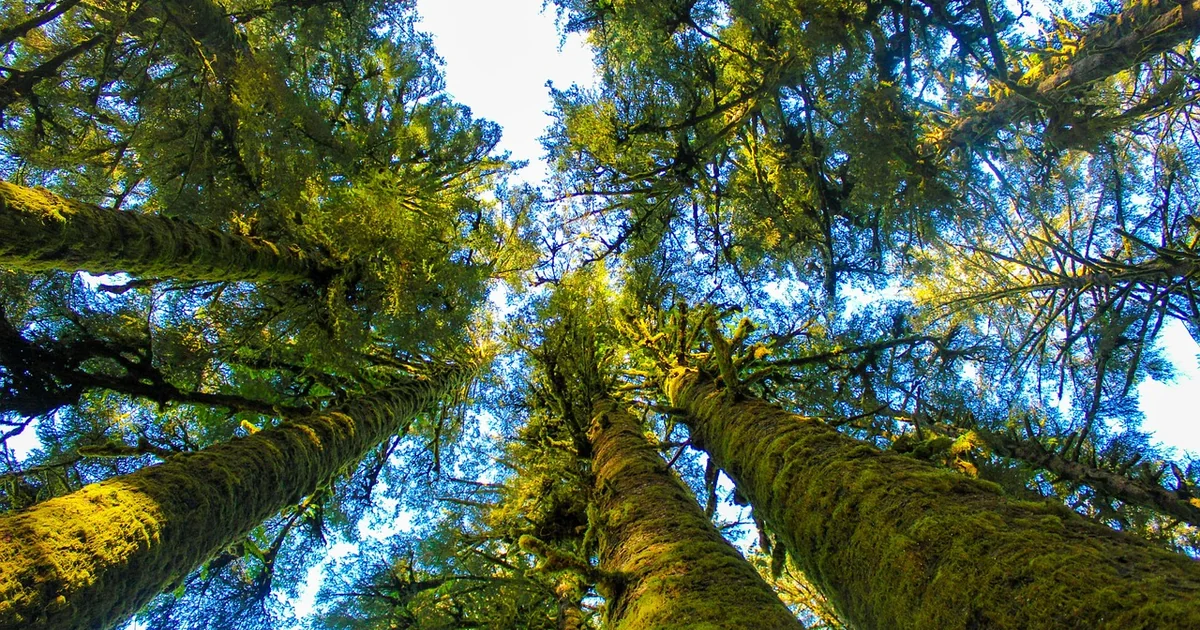
Dawn redwood is not a tree for small spaces. It can add three feet of height each year. Mature specimens routinely reach 70 to 90 feet tall. Their spread can stretch 20 to 40 feet wide. Before you dig, measure your available space carefully.
Look for a location that gets full sun. At least six hours of direct sunlight daily is non-negotiable. Less light leads to sparse foliage and a leggy, weak form. The tree also needs room away from buildings, power lines, and other large trees. A distance of at least 25 feet from any structure is a smart minimum.
Consider what the tree offers in different seasons. During spring and summer, its dense canopy casts excellent shade. It creates a private, cool area for a patio or deck. In winter, however, the bare branches offer no windbreak or privacy. Plan your outdoor living spaces around this seasonal rhythm.
2. Plant at the Optimal Time for Root Establishment
Timing matters more than most gardeners realize. For growing dawn redwood, early fall is the ideal planting window. The soil is still warm from summer. This encourages root growth before the ground freezes. Cooler air temperatures reduce stress on the top growth.
Dig a hole that is at least twice as wide as the root ball. Keep the depth exactly the same as the container or burlap ball. If you plant too deep, the trunk can rot. Position the tree so the top of the root ball sits level with the surrounding soil. Backfill with the original soil you removed. Do not add compost or other amendments to the hole. Research from the University of Florida Extension shows that trees planted in unamended native soil develop stronger root systems that venture beyond the planting hole.
Water thoroughly after planting. For the first few weeks, keep the soil consistently moist. Stop watering once the ground freezes solid. Resume in spring when the soil thaws.
3. Maintain the Right Soil Chemistry and Moisture Balance
Soil is where many gardeners stumble with this species. Dawn redwood demands acidic conditions. An ideal pH sits around 4.5. That is markedly more acidic than what most garden plants prefer. If your native soil is neutral or alkaline, the tree will struggle.
Test your soil before planting. A simple home test kit can give you a rough reading. For precise results, send a sample to your local cooperative extension office. If the pH is too high, you can lower it by adding elemental sulfur or peat moss to the soil. Plan this adjustment several months before planting for best results.
Moisture is equally critical. The tree prospers in soil that stays damp but never waterlogged. Think of a sponge that has been wrung out. During dry spells, provide deep watering. A soaker hose on a timer works well. Dry soil causes the needles to turn brown in summer and drop early. This weakens the tree and slows its growth. According to a 2019 study in the journal Forests, dawn redwood seedlings subjected to drought stress showed a 37% reduction in biomass accumulation compared to well-watered controls.
4. Understand Temperature Limits and Frost Sensitivity
Dawn redwood is hardy down to USDA Zone 4. That means it can handle winter temperatures as low as minus 30 degrees Fahrenheit. Many gardeners assume this makes it bulletproof. But the tree has a specific vulnerability.
It does not tolerate early fall frosts well. Late-season growth remains tender. A sudden cold snap can damage new shoots and buds. You cannot control the weather, but you can avoid encouraging late growth. Stop fertilizing after midsummer. This signals the tree to slow down and harden off before frost arrives.
High humidity poses no problem for this species. In fact, it thrives in humid conditions similar to its native Chinese river valleys. Hot, dry air is more stressful. If you live in a region with low humidity, provide extra water during heat waves. A layer of mulch around the root zone helps retain moisture and keeps roots cool.
5. Address Nutrient Needs Without Over-Fertilizing
Many gardeners make the mistake of feeding dawn redwood like a typical landscape tree. This species has modest fertilizer needs. If you planted it in rich, organic soil, additional fertilizer is usually unnecessary. Over-fertilizing can lead to weak, rapid growth that is more susceptible to frost damage and disease.
There is one nutrient issue you must watch for: iron deficiency. Dawn redwood is highly susceptible to this condition. It shows up as yellowing needles, especially on new growth. The veins of the needles often remain green while the spaces between turn pale. This is called interveinal chlorosis.
Do not guess at the cause. Yellow needles can also result from overwatering, poor drainage, or nitrogen deficiency. Only a laboratory soil test can confirm iron deficiency. If the test shows low iron, apply chelated iron according to the product instructions. Avoid adding raw iron sulfate, which can acidify the soil too rapidly and harm roots.
You may also enjoy reading: I Tried Barbra Streisand’s Instant Coffee Ice Cream Topping.
6. Prune With Restraint and Watch for Specific Problems
Dawn redwood requires very little pruning. Its natural pyramidal form is elegant without human intervention. The only branches you should remove are dead, broken, or diseased ones. Prune these in late winter while the tree is dormant. Use clean, sharp tools to make clean cuts just outside the branch collar.
Resist the urge to shape the tree or thin its canopy. Unnecessary pruning opens wounds that invite pathogens. It also disrupts the tree’s natural architecture. Branches that cross or rub should be removed, but this is rare in a well-sited tree.
Pest problems are uncommon with dawn redwood. Deer rarely browse it, which is a relief for rural gardeners. However, a young tree benefits from a tree guard for the first two or three years. This protects the thin bark from rodents, rabbits, and sunscald.
The most serious disease to watch for is redwood branch canker. This fungal infection causes sunken, discolored areas on branches. It can kill individual limbs over time. If you spot cankers, prune the affected branch several inches below the visible damage. Sterilize your pruning shears between cuts with a 10% bleach solution. There is no chemical cure, so prevention through good site selection and proper watering is your best defense.
7. Propagate the Right Way or Leave It to Professionals
Propagating dawn redwood is not a beginner project. The tree can be grown from seed, but the seeds have low viability. They require a cold stratification period of 30 to 60 days. Even then, germination rates hover around 20 to 30 percent under ideal conditions. Seedlings also vary widely in growth rate and form.
Stem cuttings are a more reliable method, but they demand precision. Take cuttings from semi-hardwood growth in late summer. Each cutting should be about six inches long with at least three nodes. Dip the cut end in rooting hormone powder. Insert it into a moist mix of perlite and peat. Keep the humidity high with a clear plastic bag or propagation dome. Roots may form in four to eight weeks, but success is not guaranteed.
Grafting is the preferred method for commercial growers. It produces uniform trees with predictable characteristics. For the home gardener, the simplest path is to buy a container-grown tree from a reputable nursery. The cost is modest compared to the decades of enjoyment the tree will provide. If you do attempt propagation, be patient and manage your expectations. Most attempts will fail, but the ones that succeed can be deeply rewarding.
For growing dawn redwood from seed, collect cones in autumn before they open. Store them in a paper bag at room temperature until the scales separate. Extract the tiny seeds and place them in damp sand inside a sealed plastic bag. Refrigerate for 60 days. Sow the seeds on the surface of moist seed-starting mix. Do not cover them; they need light to germinate. Keep the tray at about 70 degrees Fahrenheit. Germination can take two to four weeks. Transplant seedlings into individual pots once they develop their first true needles.
One final note on spacing: if you plant more than one dawn redwood, give them at least 25 feet of separation. This allows each tree to develop its full crown without competing for light or nutrients. Crowded trees grow tall but thin, with weak branch attachments that can fail in storms.
Dawn redwood is a remarkable addition to any landscape with enough room. It connects you to a world that existed long before humans walked the earth. With these seven tips, you can grow a healthy, majestic tree that will be a living legacy for generations to come.