Why Plant a Hawthorn Tree
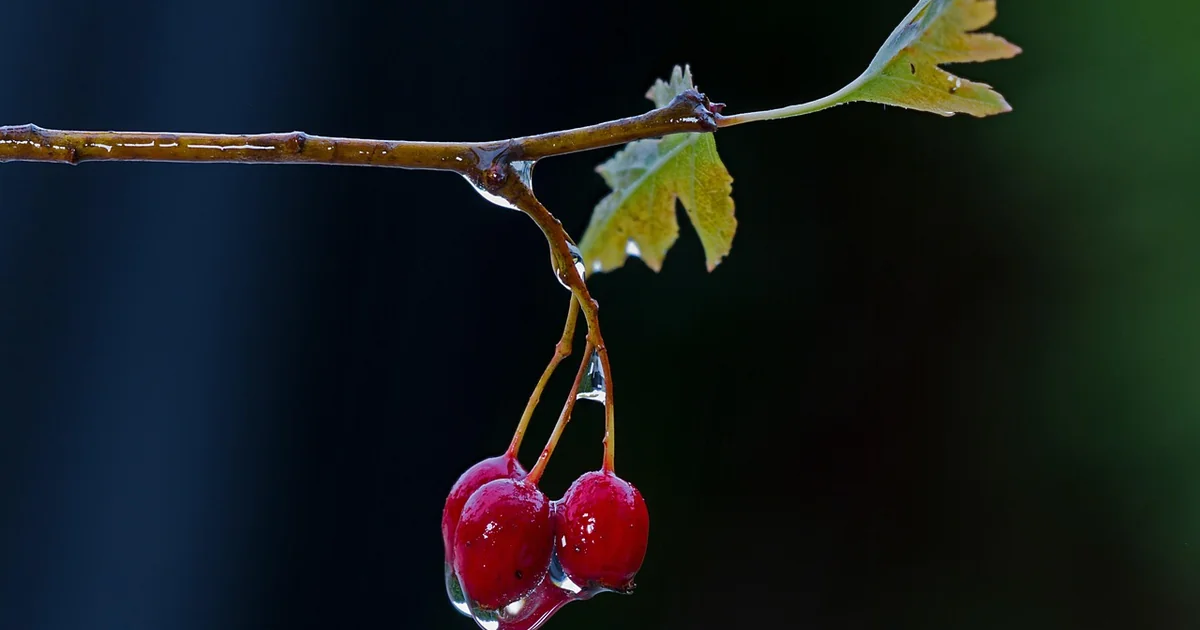
Before we dive into the details of how to grow hawthorn, it helps to understand what you are bringing into your landscape. The hawthorn, or Crataegus crus-galli, is a small, showy tree native to eastern North America. It offers a rare combination of seasonal beauty: clouds of white flowers in spring, vivid blue-green foliage that turns brilliant shades in autumn, and bright red fruits that persist through the winter snow. These fruits, resembling rosehips, become a critical food source for robins and other birds in late winter. The tree is also known as cockspur thorn, named for the numerous sharp thorns along its horizontal branches. This natural defense makes a grouping of hawthorns an excellent living fence or barrier. With over 200 species available, including thornless varieties, there is a hawthorn suited for nearly every garden in zones 3 through 7.
The 7 Essential Steps for Success
Hawthorn trees are hardy and tolerant of many conditions, but they are notably susceptible to pests and diseases if not given the right start. Mastering how to grow hawthorn successfully requires a blend of smart planning and consistent care. Follow these seven steps to enjoy a healthy, flowering tree for decades.
Step 1: Select the Perfect Spot and Variety
Sunlight is the most critical factor for flowering and fruiting. Choose a location that receives at least 6 hours of direct sun each day. Trees planted in shade will produce fewer blooms and less vibrant berries. If you select a thorny variety like the Cockspur hawthorn, keep it away from walkways, driveways, and children’s play areas, as the thorns can grow up to 3 inches long. For family-friendly yards, look for thornless cultivars such as Crataegus crus-galli var. inermis. Consider the mature size of the tree, which ranges from 15 to 50 feet tall and 20 to 30 feet wide, and give it ample space to spread its horizontal branches.
Step 2: Time Your Planting Right
Timing is crucial for root establishment. The ideal windows for planting are early spring, just after the ground thaws, or early fall, about 6 to 8 weeks before the first hard frost. Fall planting allows the roots to settle in during the cool, moist season without the stress of summer heat. If you plant in spring, be prepared to monitor water needs closely through the first summer. Avoid planting during the heat of summer or when the ground is frozen. A well-timed start gives your tree the best chance to develop a strong root system before facing extreme weather.
Step 3: Prepare the Soil and Dig the Hole
Hawthorns are adaptable to clay, loam, or sandy soils, but they demand good drainage. Compacted soil is a leading cause of root rot and tree failure. The ideal soil pH is between 6.0 and 7.5. Before digging, test your soil drainage by filling the hole with water and timing how long it takes to drain. If it takes longer than 24 hours, consider planting on a slight mound to improve drainage. Dig a hole that is at least twice as wide as the root ball and just as deep. This loosens the surrounding soil, making it easier for young roots to spread and anchor the tree.
Amazon US Verified
Organic Perlite Horticultural Soil Conditioner
Lightweight volcanic mineral that improves root aeration and prevents compaction.
Step 4: Plant the Tree Correctly
Gently remove the tree from its nursery container. If the roots are circling the pot, score them with a sharp knife to encourage outward growth. Place the tree in the center of the hole. The top of the root ball should be level with the surrounding soil, or just slightly above it. Planting too deep is a common mistake that can lead to rot. Backfill the hole with the original soil you removed. Do not add heavy amendments or fertilizer at this stage, as this can discourage roots from venturing outward. Tamp the soil down gently to remove air pockets. If you are planting a living fence, space the holes at least 20 feet apart to allow for mature growth.
Step 5: Water and Mulch Thoroughly
Immediately after planting, give the tree a deep, slow soaking. This settles the soil and hydrates the roots. Apply a 2 to 3-inch layer of organic mulch, such as shredded bark or wood chips, around the base of the tree. Keep the mulch a few inches away from the trunk to prevent rot. Mulch is critical for suppressing weeds, retaining soil moisture, and regulating soil temperature. For spring-planted trees, deep watering once a week is essential through the first growing season. For fall-planted trees, continue regular watering through the following spring. Consistent moisture during the first year is the key to a strong start.
Amazon US Verified
Digital 3-in-1 Soil Moisture & pH Meter
Accurate probe to test deep root zone moisture and prevent accidental overwatering.
Step 6: Prune for Health and Shape
Hawthorn trees rarely need structural pruning. Their natural form is often quite beautiful without intervention. However, you should prune to remove dead, diseased, or crossing branches. The best time to prune is in late winter or early spring while the tree is still dormant. Sterilize your pruning tools between cuts to prevent spreading diseases like fire blight. Hawthorn wood is incredibly dense, so use sharp, sturdy tools. For a living fence, light pruning can encourage denser branching, but be mindful of the thorns. Proper pruning improves air circulation, which is vital for disease prevention.
Step 7: Monitor for Pests and Diseases
This is the hawthorn’s primary challenge. They are notably susceptible to fungal issues like rust, powdery mildew, apple scab, and leaf blight, as well as bacterial fire blight. Prevention is the best strategy. Choose disease-resistant varieties when possible. Ensure good air circulation by not planting them too close together or to other trees. If you spot signs of disease, prune affected areas immediately and dispose of the debris. Do not compost infected material. Cedar-hawthorn rust, for example, requires both a juniper and a hawthorn to complete its life cycle. If you have junipers nearby, select a rust-resistant cultivar. Proper spacing, sunlight, and drainage are your best defenses.
You may also enjoy reading: 7 Best Patio Pot Plants That Flower Every Year.

Amazon US Verified
Self-Watering Planters with Drainage Aerators
Elevated reservoir design that prevents soggy roots and ensures steady hydration.
Frequently Asked Questions About Growing Hawthorns
How fast does a hawthorn tree grow?
Hawthorns are considered slow to moderate growers. Under ideal conditions, they typically add about 12 to 24 inches of height per year. It can take a decade or more for them to reach their full mature height. Patience is key, but the wait is rewarded with a long-lived, resilient tree.
Can I grow a hawthorn tree from a seed?
Yes, but it requires significant patience. Hawthorn seeds have a hard outer coat and a deep dormancy. They need a period of warm stratification followed by a long period of cold stratification, often requiring two winters to germinate. Most gardeners find it much easier and more reliable to purchase a nursery-grown sapling.
Do hawthorn trees need a lot of water?
Once established, hawthorns are fairly drought-tolerant. However, they need consistent, deep watering during their first year to develop a strong root system. In prolonged dry spells, even mature trees benefit from a deep soaking every few weeks. Overwatering, especially in compacted soil, can lead to root rot.
Why is my hawthorn tree not flowering?
The most common reason is insufficient sunlight. If the tree is shaded, it will prioritize leaf growth over flowers. Another cause could be improper pruning. Since hawthorns bloom on old wood, heavy pruning in late winter can remove the flower buds for that season. Ensure the tree receives at least 6 hours of direct sun daily.
Are hawthorn berries edible for humans?
Yes, the fruits, known as haws, are edible and have a tart, apple-like flavor. They are rich in pectin, making them excellent for jams, jellies, and sauces. However, the seeds contain trace amounts of cyanide and should not be consumed in large quantities. Always identify the specific variety, as some taste better than others. The Azarole hawthorn, for example, produces particularly sweet and flavorful fruit.
Planting a hawthorn tree is an investment in your landscape’s future. By following these seven steps, you provide the strong foundation it needs to reward you with decades of spring blossoms, autumn color, and winter wildlife activity. With the right care, this resilient native will become a cherished part of your garden for years to come.
As an Amazon Associate, azuloz.com earns from qualifying purchases.