Why Hemlock Deserves a Spot in Your Landscape
Few evergreens match the gentle elegance of a mature hemlock. Its soft, short needles and drooping branch tips create a texture that feels almost feathery against the sky. For homeowners seeking year-round structure, wildlife habitat, or a natural privacy screen, this native conifer delivers on every front. But growing hemlock trees successfully requires more than just digging a hole and hoping for the best. These slow-growing giants have specific needs around soil acidity, moisture consistency, and pest vigilance. Understanding those needs before you plant makes the difference between a tree that thrives for centuries and one that struggles from the start.
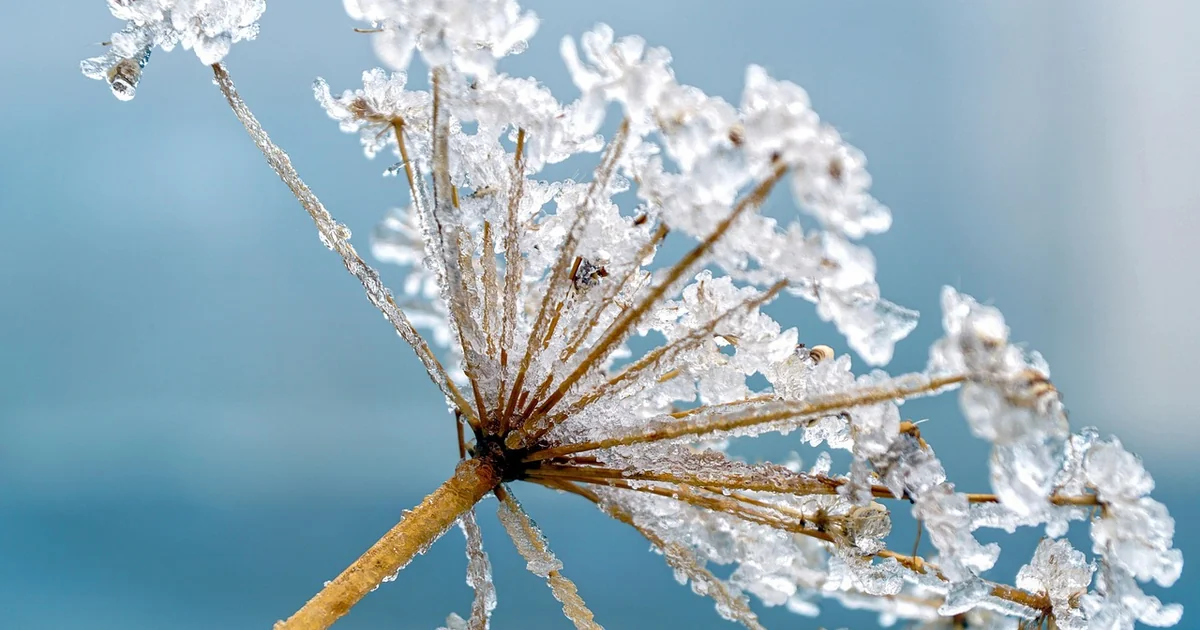
Hemlock wooly adelgid alone has devastated countless stands across eastern North America since its accidental introduction from Japan in the 1950s. According to the US Forest Service, infestations have spread through about half the native range of eastern hemlock since that time, with mortality rates exceeding 80% in some untreated populations. That statistic underscores a sobering truth: growing hemlock trees in the twenty-first century demands proactive management. But with the right approach, you can enjoy these graceful evergreens for decades.
Tip 1: Match the Species to Your Site and Climate
Not all hemlocks are created equal. Of the roughly ten species worldwide, only two are widely available for home landscapes in North America, and each has distinct preferences. Eastern hemlock (Tsuga canadensis), also called Canadian hemlock, is native to zones 3 through 8 and grows best in cooler, humid regions. Western hemlock (Tsuga heterophylla) hails from the Pacific Northwest and tolerates more direct sun than its eastern cousin, though it still prefers some afternoon shade in hotter climates.
Choosing the wrong species for your region is one of the most common mistakes people make when growing hemlock trees. Eastern hemlock struggles where summer temperatures regularly climb above 95 degrees Fahrenheit, especially when combined with high humidity. Western hemlock, while slightly more heat-tolerant, still prefers mild coastal conditions. If you live in the southern reaches of zone 8 or anywhere in zone 9, hemlocks are unlikely to thrive regardless of how carefully you water them.
Consider Dwarf Cultivars for Smaller Spaces
Standard hemlocks eventually reach 60 to 70 feet tall with a spread of 25 to 35 feet. That size simply does not work in every yard. Fortunately, breeders have developed compact versions that bring hemlock beauty to smaller properties. ‘Gentsch White’ stays around 4 feet tall and wide, with creamy white tips on new growth that brighten shady corners. ‘Moon Frost’ offers variegated white needles on a dwarf frame reaching just 2 to 4 feet. These cultivars make growing hemlock trees feasible even in foundation plantings, perennial borders, or compact suburban gardens.
Tip 2: Prepare the Soil and Site Before You Dig
Hemlocks demand acidic soil with a pH between 4.0 and 6.0. That is significantly more acidic than what many garden plants prefer. A standard vegetable garden bed sits around pH 6.5 to 7.0, which is far too alkaline for a hemlock. Before purchasing your tree, test your soil pH with an inexpensive meter or a mail-in lab test. If your soil reads above 6.0, you will need to amend it with elemental sulfur or peat moss to lower the pH into the acceptable range.
Drainage matters just as much as acidity. Hemlocks have shallow, fibrous root systems that rot quickly in waterlogged soil. Dig a test hole about 12 inches deep and fill it with water. If it takes longer than 24 hours to drain, choose a different spot or build a raised planting mound. Growing hemlock trees in heavy clay without improving drainage almost always leads to yellowing needles and eventual decline.
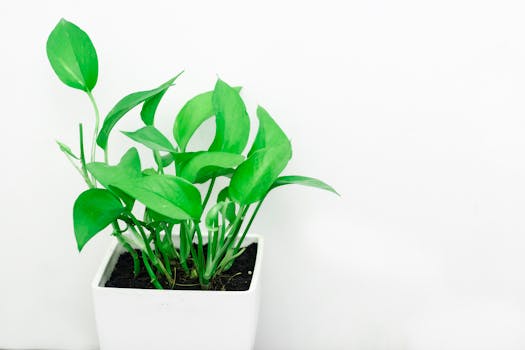
Amazon US Verified
Organic Perlite Horticultural Soil Conditioner
Lightweight volcanic mineral that improves root aeration and prevents compaction.
Sun Exposure Requirements
Both eastern and western hemlocks perform best in partial shade, especially when sheltered from harsh afternoon sun. A location on the north or east side of a building, or under the dappled canopy of taller deciduous trees, provides the ideal light conditions. Western hemlock can handle more direct sun than eastern, but even it benefits from some midday protection. Full sun exposure in hot climates causes needle scorch and increases water stress, which makes trees more vulnerable to pests.
Tip 3: Plant at the Right Depth and Water Strategically
Early spring is the optimal planting window for hemlocks. Planting in spring gives the root system the entire growing season to establish before winter freezes arrive. Dig a hole as deep as the root ball and at least twice as wide. Wide holes encourage roots to spread outward rather than circling the root ball, which prevents girdling later. Place the tree so the top of the root ball sits level with the surrounding soil, not buried deeper. Planting too deep is a leading cause of failure when growing hemlock trees.
Backfill with the original soil, not amended potting mix. Tamp it gently to remove air pockets, then water thoroughly. For standard-sized trees, space them 30 feet apart to allow for mature spread. If you are creating a hedge, space them 6 feet apart instead. Dwarf cultivars can be planted 3 to 4 feet apart depending on the variety.
Watering Schedule for the First Two Years
Consistent moisture during the establishment phase is non-negotiable. Water newly planted hemlocks deeply once per week if rain does not provide at least an inch of water. The goal is to keep the root zone moist but not saturated. Hemlocks are surprisingly sensitive to drought despite their rugged appearance. Yellowing or browning needles, especially on the interior of the tree, often signal that the roots are not getting enough water. Apply a 2-inch layer of shredded bark mulch over the root zone, keeping it a few inches away from the trunk, to slow evaporation and moderate soil temperature.
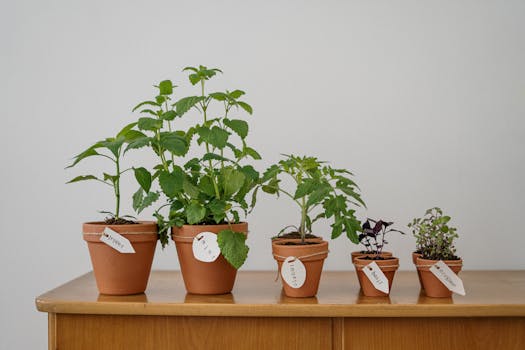
Amazon US Verified
Digital 3-in-1 Soil Moisture & pH Meter
Accurate probe to test deep root zone moisture and prevent accidental overwatering.
You may also enjoy reading: 5 Kitchen Trends That Lower Home Value.
Tip 4: Stay Vigilant Against Hemlock Wooly Adelgid
No discussion of growing hemlock trees is complete without addressing the hemlock wooly adelgid (Adelges tsugae). This tiny sap-sucking insect, native to Asia, was first detected in the eastern United States around 1951. It has since spread to at least 20 states, causing widespread mortality in both wild and cultivated hemlocks. The adelgid feeds on the sap at the base of needles, disrupting nutrient flow and causing needles to drop prematurely. Without treatment, an infested tree can die within four to ten years.
Early detection is critical. Look for small white cottony masses at the base of needles on the undersides of branches. These masses, which resemble tiny tufts of wool, are the egg sacs of the adelgid. They appear most prominently in late winter and early spring. If you spot them, act promptly. Systemic insecticides containing imidacloprid or dinotefuran, applied as a soil drench or trunk injection, are the most effective treatments. Horticultural oil sprays can also smother active adelgids but require thorough coverage of all branch surfaces.
Integrated Pest Management Approach
Chemical treatment alone is not a long-term solution. Combine it with cultural practices that keep your trees healthy and resilient. Water deeply during dry spells, avoid wounding the trunk with lawn equipment, and maintain adequate mulch cover. Healthy trees are better able to tolerate low-level infestations. Some biological control programs have introduced predatory beetles like Sasajiscymnus tsugae, but these are not widely available to homeowners. For most people, annual monitoring and timely systemic treatment offer the best protection.
Tip 5: Prune Lightly and Fertilize Only When Needed
Hemlocks are naturally tidy trees that rarely require heavy pruning. Their slow growth rate means they maintain their shape with minimal intervention. If you need to control size or shape, do your pruning in late spring after the first flush of new growth has hardened off. Remove only what is necessary, and never cut back into bare wood on the interior, because hemlocks do not reliably produce new growth from old wood. Damaged or diseased branches can be removed at any time of year as soon as you notice them.
Fertilizer is another area where less is more. If your hemlock is planted in rich, fertile soil with adequate organic matter, it may not need any supplemental feeding at all. For trees growing in lean or sandy soils, apply a granular slow-release fertilizer formulated for acid-loving trees and shrubs once in early spring. Follow the label directions for dosage based on the tree’s size. Over-fertilizing, especially with high-nitrogen products, encourages lush growth that is more attractive to adelgids and more susceptible to frost damage.
Recognizing Nutrient Deficiencies
Yellowing needles that are not caused by drought or pests may indicate a manganese or iron deficiency, both of which are common in alkaline soils. A foliar spray of chelated iron or manganese can correct the problem quickly, but the underlying issue is usually soil pH that is too high. Adjusting the pH downward with sulfur is the permanent fix. Growing hemlock trees in the correct pH range from the start prevents most nutrient-related discoloration.
Hemlocks reward careful planning with decades of quiet beauty. Their soft texture, graceful form, and year-round greenery make them one of the most satisfying evergreens to cultivate. By choosing the right species for your climate, preparing the soil properly, planting at the correct depth, staying ahead of adelgid infestations, and pruning with restraint, you set the stage for a tree that may outlive you by several generations. That kind of legacy is rare in modern landscaping, and it starts with getting the fundamentals right from day one.
As an Amazon Associate, azuloz.com earns from qualifying purchases.