1. Choose a Location That Mimics the Forest Edge
When it comes to growing Japanese snowbell, light is the most misunderstood factor. Many gardeners assume this tree needs blazing full sun all day because it produces such heavy spring blooms. In reality, Styrax japonicus thrives in conditions that mirror its native habitat along the forest edges of Japan, Korea, and eastern China. In those environments, the tree receives bright morning light followed by dappled or partial afternoon shade.
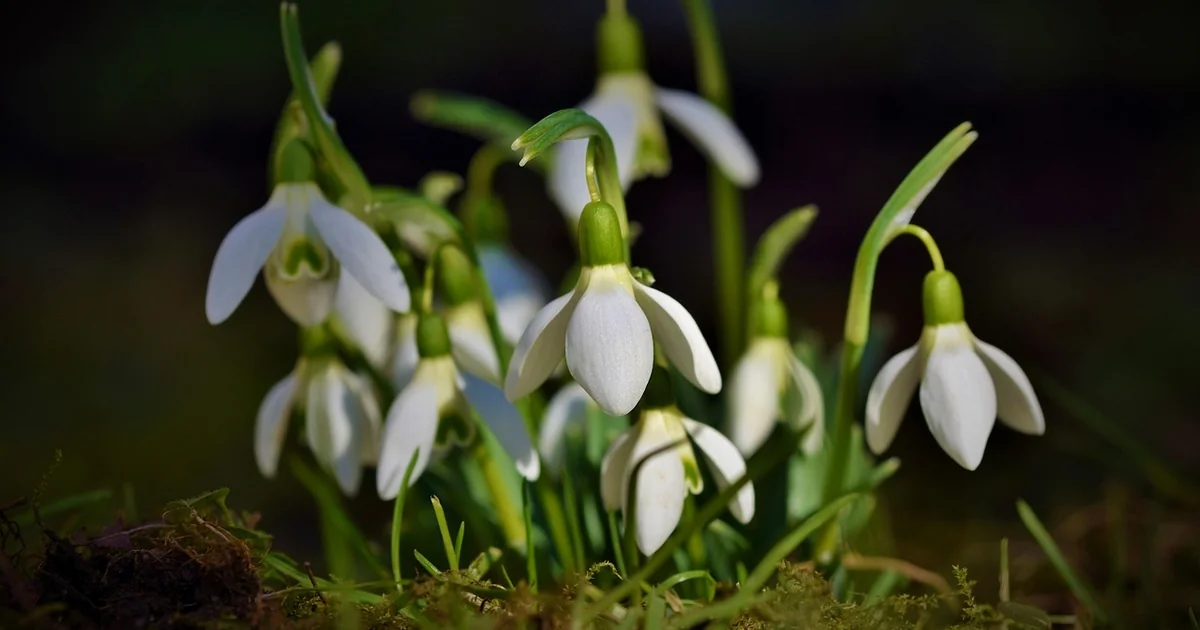
For the most consistent results in your own yard, look for a spot that offers at least six hours of direct morning sunlight. Afternoons should bring filtered shade, especially if you live in zones 7 through 9. Hot afternoon rays can scorch the broad leaves, causing the edges to turn crispy and brown by midsummer. If you plant this tree on the south or west side of a building, the reflected heat will stress it further.
Wind protection is just as important. The Japanese snowbell develops a broad, layered canopy that can span thirty feet wide. Strong gusts can snap young branches and desiccate the foliage. To prevent this, place your tree near a fence, a row of evergreens, or the north side of a structure where it will be shielded from prevailing breezes.
Space is another factor that gets overlooked. Growing Japanese snowbell successfully means giving it room to spread. The root system is fibrous and non-invasive, but the branches need 20 to 30 feet of clearance at maturity. Plant it at least 15 feet away from your house foundation, driveways, and other trees. If you crowd it, the canopy will become lopsided as it reaches for light, and air circulation will suffer.
Pro Tip — In hotter climates, the north side of a building provides a perfect microclimate. The tree gets bright reflected light without the direct blast of afternoon sun, and it stays cooler during heat waves.
2. Create an Acidic, Well-Drained Foundation
Soil preparation is where most people either set their Japanese snowbell up for decades of success or doom it to a slow decline. This tree has zero tolerance for heavy clay or soggy ground. If you dig a hole and find water pooling at the bottom, you must amend the soil or select a different location altogether. Root rot can kill a snowbell within a single growing season.
Start by testing your pH. Styrax japonicus wants a reading between 5.0 and 7.0, with 5.5 to 6.5 being the sweet spot. If your soil leans alkaline, work in elemental sulfur, peat moss, or pine bark fines several months before planting. A simple home test kit gives you reliable results for under fifteen dollars.
Drainage matters even more than pH. Dig a test hole that is twelve inches deep and fill it with water. Let it drain completely, then fill it again. If the second fill drains at a rate of one to two inches per hour, your soil is perfect. If it drains much faster, you will struggle to keep the tree hydrated. If it drains slower, you risk deadly root rot. In that case, build a raised berm or amend the clay heavily with coarse sand and organic compost.
Amazon US Verified
Organic Perlite Horticultural Soil Conditioner
Lightweight volcanic mineral that improves root aeration and prevents compaction.
When you are ready to plant, dig the hole twice as wide as the nursery pot but no deeper than the root ball itself. Place the tree so that the top of the root ball sits exactly level with the surrounding soil surface. Planting too deep is one of the most common mistakes in growing Japanese snowbell. Backfill halfway, water thoroughly to settle the soil, then finish filling. Tamp down gently and water again.
Spread a two-inch layer of organic mulch over the root zone, but keep it a few inches away from the trunk. Pine bark or shredded hardwood works well. Mulch keeps the soil cool, conserves moisture, and slowly feeds the roots as it decomposes.
Pro Tip — Encourage mycorrhizal fungal networks by adding a root inoculant powder to the planting hole. These beneficial fungi attach to the roots and dramatically improve nutrient and water uptake. It is one of the most effective ways to reduce transplant shock.
3. Water Deeply and Consistently for the First Two Years
Japanese snowbell is not drought tolerant. In its first year, watering discipline makes the difference between a tree that establishes quickly and one that lingers in a state of chronic stress. If you let the root ball dry out completely, even once, the tree may drop leaves and struggle to recover.
Here is the benchmark to follow. If your area receives less than one inch of rain per week, you need to supplement with deep watering. Apply about ten gallons of water slowly to the base of the tree. A soaker hose set on low flow for forty-five minutes does the job perfectly. The goal is to moisten the soil at least twelve inches deep, encouraging the roots to grow downward rather than staying shallow near the surface.
After the first year, you can taper off slightly, but you must still maintain even soil moisture during dry spells. In sandy soils, this may mean watering twice per week. In loamy soils, once per week is usually enough. Check the soil by sticking your finger two inches down. If it feels dry, it is time to water.
Amazon US Verified
Digital 3-in-1 Soil Moisture & pH Meter
Accurate probe to test deep root zone moisture and prevent accidental overwatering.
Overwatering is just as dangerous as underwatering. If the leaves turn yellow and begin to drop while the soil feels soggy, you are giving the tree too much. Allow the top few inches of soil to dry out between waterings, especially after the tree is established.
One nuance many people miss is that the root ball of a newly planted tree sheds water differently than the surrounding soil. If you plant in heavy soil, the root ball can remain bone dry while the rest of the hole stays wet. Always water slowly and directly at the base to ensure the root ball absorbs the moisture it needs.
Pro Tip — During a heat wave, a mature Japanese snowbell can transpire more than twenty gallons of water in a single day. If you see the leaves wilting in the afternoon but they recover by morning, increase your watering frequency immediately.
4. Prune with Purpose to Shape the Umbrella Canopy
One of the greatest joys of growing Japanese snowbell is developing its signature layered, umbrella-like silhouette. The tree naturally forms multiple trunks, which gives it a full, bushy appearance when young. Over time, you can train it into a single-stemmed specimen or let it keep its multi-stemmed character. Either approach works, but intentional pruning is essential for both health and aesthetics.
The best time to prune is late winter or early spring, before the leaves emerge. At this point, the branch structure is fully visible, and cuts heal quickly as the tree awakens. Start by removing any dead, diseased, or crossing branches. This improves airflow and reduces the risk of fungal infections.
Next, look at the lower branches. One of the most striking ways to showcase the snowbell is to gradually remove the lowest limbs over the first few years. This creates a clean trunk that allows you to walk underneath the canopy. Aim to keep the crown high enough that the flowers dangle at eye level when you stand beneath the tree. This technique is often called limbing up.
Never top the tree or cut back the central leader to restrict its height. Doing so ruins the natural branching pattern and encourages weak, upright shoots that are prone to breaking. Instead, if the tree grows too tall for your space, it is better to remove it and select a smaller ornamental. The snowbell is a slow grower, topping out around twenty-five feet under typical garden conditions, so height is rarely an issue.
You may also enjoy reading: 7 Must-Have Pole Saws That Make Tree Trimming Easy.
If you prefer a multi-stemmed look, select three to five strong trunks to keep and remove the rest at ground level. This gives the tree a beautiful grove-like appearance while maintaining structural integrity. Always use sharp, sterile bypass pruners or a folding saw for clean cuts that heal fast.
Pro Tip — After you finish pruning, seal larger cuts with a thin layer of pruning sealer if you live in an area with high ambrosia beetle pressure. The beetles are attracted to the scent of fresh sap on injured wood.
5. Anticipate Pests and Environmental Stress Early
An established Japanese snowbell resists most pests and diseases, but it is not invincible. The key to avoiding serious problems is keeping the tree vigorous. A stressed tree sends out chemical signals that invite insects and pathogens, while a healthy tree produces defensive compounds that repel them.
The most serious pest to watch for is the ambrosia beetle (Xyleborus germanus). These tiny beetles bore into the trunk and branches, introducing a fungus that clogs the vascular system. You will notice small puncture wounds and fine sawdust on the bark. Infestations usually happen in spring when temperatures reach the sixties. Protect your tree by keeping the bark free of sunscald and avoiding mechanical damage from string trimmers or lawnmowers. If you spot an infestation, remove the affected branch immediately and dispose of it away from the garden.
Fungal issues like canker and root rot are almost always caused by poor drainage or excessive irrigation. If you see sunken, discolored patches on the bark or oozing sap, the tree may have a canker infection. Prune out affected limbs several inches below the visible damage and disinfect your tools between cuts. For root rot, there is rarely a cure, which is why prevention through proper soil preparation is so critical.
Environmental stress shows up as leaf scorch, leaf drop, or stunted growth. In zone 5, winter winds can dry out the buds and cause dieback. Apply a thick layer of mulch before the ground freezes and consider wrapping the trunk with tree wrap during the first two winters. In zones 8 and 9, provide consistent shade and never let the soil dry out completely during the hottest months.
Fertilizer is rarely needed after the first year. If your soil is poor, apply a balanced, slow-release fertilizer formulated for acid-loving plants in early spring, just before new growth appears. Avoid high-nitrogen fertilizers, which promote leafy growth at the expense of flowers and attract soft-bodied pests like aphids.
Pro Tip — During the first three years, inspect the trunk and main branches monthly. Early detection of borer damage or fungal cankers gives you a chance to intervene before the tree is compromised.
Frequently Asked Questions About Growing Japanese Snowbell
Q: Is Japanese snowbell a messy tree?
A: Compared to ornamentals like crabapples or cherries, the Japanese snowbell is quite tidy. The fallen flowers are small and delicate, and the green-gray drupes that follow are sparse and not particularly noticeable. There is no heavy fruit litter to rake.
Q: Can I grow Japanese snowbell in a container?
A: It is possible for the first few years, but this tree develops a wide, fibrous root system that quickly becomes cramped in a pot. If you want to try, choose a half-barrel or a planter at least twenty-four inches deep and wide, and be prepared to transplant it into the ground within three to four years.
Amazon US Verified
Self-Watering Planters with Drainage Aerators
Elevated reservoir design that prevents soggy roots and ensures steady hydration.
Q: Why is my Japanese snowbell not blooming?
A: The most common reasons are insufficient sunlight and improper pruning. If the tree receives less than four hours of direct sun, it will channel energy into leaf production rather than flower buds. Also, if you pruned heavily in the previous year, you may have removed the flower buds that formed on old wood.
Q: Does Japanese snowbell attract bees and butterflies?
A: Yes, the pendulous, bell-shaped flowers are rich in nectar and highly attractive to native bees, bumblebees, and some species of butterflies. Planting a snowbell adds significant pollinator value to your garden during the late spring gap when many other trees have already finished blooming.
Q: How fast does a Japanese snowbell tree grow?
A: This is a slow-growing tree, averaging twelve to twenty-four inches per year under ideal conditions. Patience is required, but the wait is rewarded by a long-lived specimen that requires very little maintenance once it matures.
Growing Japanese snowbell is an exercise in thoughtful preparation. If you give this tree the right light, soil, and space from day one, it will reward you with decades of elegance. There is something deeply satisfying about sitting beneath a mature snowbell in late spring, watching the white blossoms sway in the breeze, knowing you set the stage for that moment years before.
As an Amazon Associate, azuloz.com earns from qualifying purchases.