Imagine a shrub that delivers spring blossoms, summer foliage drama, autumn color, and winter texture all from one spot in your yard. That is the promise of ninebark. Growing ninebark shrubs rewards gardeners with multi-season interest and a surprisingly easy care routine. This plant does not demand constant attention. It thrives with a little knowledge and the right timing. Below, you will find seven essential secrets that turn a good ninebark planting into a great one.
Secret 1: Master the Timing and Technique for Planting
Getting a ninebark off to a strong start depends on when and how you put it in the ground. Many gardeners rush this step and pay for it later with slow growth or weak roots. The ideal window stretches from early spring to early autumn. Planting in spring gives the roots a full growing season to establish before winter. Autumn planting works well too, as long as you set the shrub in the ground at least six weeks before the first hard frost. This allows roots to anchor themselves while the soil is still warm.
The planting hole matters more than most people realize. Dig a hole that is twice as wide as the nursery container and just slightly deeper. Loosen the soil at the bottom of the hole and mix in a generous handful of compost. This creates a welcoming environment for young roots to spread outward. Position the shrub so the top of the root ball sits exactly level with the surrounding soil line. Burying the crown too deep invites rot. Backfill the hole gently, pressing down with your hands to remove air pockets. Water deeply right after planting. For multiple shrubs, space them four to six feet apart. This gap ensures good air circulation and room for mature growth.
Secret 2: Choose the Right Light Exposure for Maximum Bloom
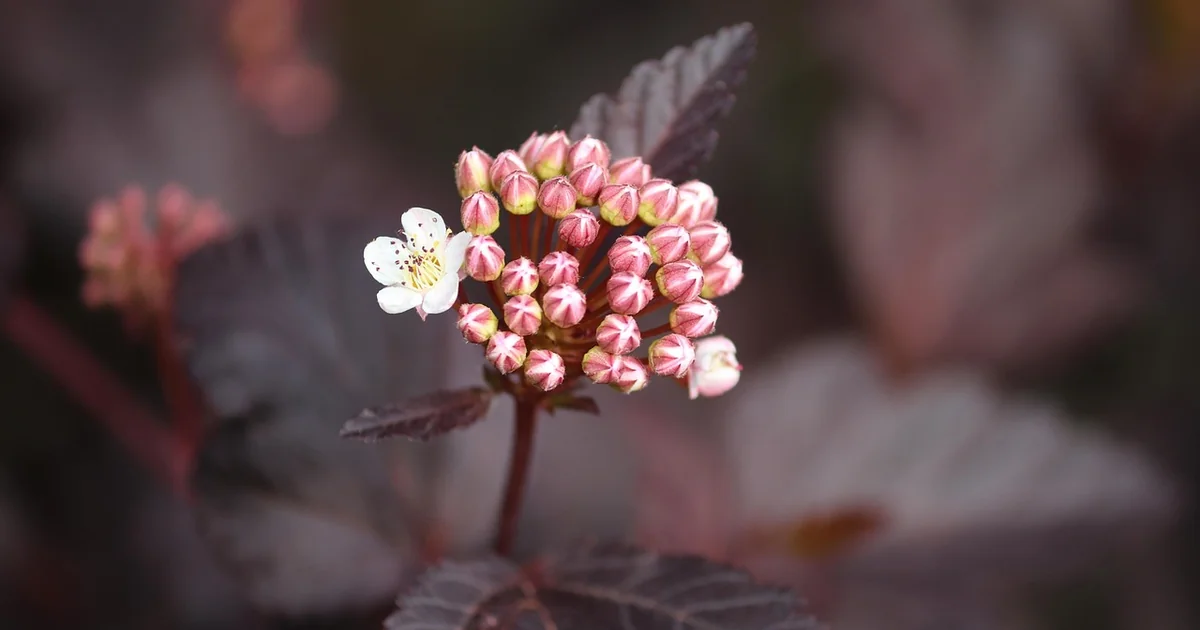
Light is a major factor in how well your ninebark performs. The shrub grows in partial shade, but it truly shines in full sun. Aim for a location that receives at least six hours of direct sunlight each day. More light translates directly into denser foliage and a heavier display of those delicate white and pink flower clusters. In shadier spots, the plant becomes leggy. The branches stretch toward the light, and flowering drops off noticeably. The vibrant foliage colors also fade in low light. A deep purple variety may look washed out and greenish if it does not get enough sun.
Southern gardeners in hot climates can offer afternoon shade to prevent leaf scorch. This is especially helpful during heat waves. But even in warmer zones, morning sun is critical. The plant needs that energy to fuel its fast growth. If you are growing ninebark shrubs in a spot that gets dappled light all day, expect a looser, more open shape. That can be a deliberate choice for a woodland-style garden, but it is not the plant at its best.
Secret 3: Prepare Soil That Drains Well but Holds Moisture
Ninebark is famously adaptable when it comes to soil. It tolerates clay, rocky ground, and even slightly compacted earth. But there is one non-negotiable condition: good drainage. Roots sitting in soggy soil for long periods will rot. The ideal soil is moist, fertile, and loamy with a pH that falls between neutral and slightly acidic, roughly 5.5 to 7.0. Before planting, test your soil drainage by digging a small hole, filling it with water, and timing how long it takes to drain. If it takes longer than two hours, you need to improve the site.
Amend heavy clay soil with organic matter such as aged compost or well-rotted leaf mold. This opens up the texture and allows water to move through. For sandy soils that dry out too fast, mix in peat moss or compost to increase moisture retention. A two-inch layer of mulch around the base of the plant helps regulate soil temperature and keeps moisture consistent. Keep the mulch a few inches away from the main stems to prevent bark rot. This simple step reduces stress on the plant during dry spells and reduces how often you need to water.
Secret 4: Water Smartly — Young Plants Need More, Mature Plants Need Less
Watering mistakes cause more problems with ninebark than almost any other care issue. The biggest error is overwatering. This shrub is drought-tolerant once established. During the first growing season, young plants need consistent moisture. Water them deeply two to three times a week during the hottest part of summer. Deep watering encourages roots to grow downward, which builds drought resilience. Shallow, frequent watering creates weak surface roots that dry out quickly.
After the first year, cut back significantly. Mature ninebark shrubs only need supplemental water during extended dry periods. A good rule of thumb is to check the soil two inches below the surface. If it feels dry, water deeply. If it feels moist, leave it alone. In regions with high rainfall, you may never need to water an established plant. Overwatering in humid climates also raises the risk of fungal diseases. Let the soil dry out between waterings. This is especially important for growing ninebark shrubs in containers, where drainage is even more critical.
Secret 5: Prune with Purpose — Not Just for Shape but for Health
Pruning ninebark is not complicated, but it requires a clear goal. The primary reason to prune is to maintain vigor and prevent disease. The best time for major pruning is early spring, just as the buds begin to swell. Cut the oldest, thickest canes all the way to the ground. This technique, called renewal pruning, encourages fresh growth from the base. It keeps the shrub looking youthful and full. Removing about one-third of the oldest stems each year is a solid approach.
During the growing season, focus on maintenance. Snip out any damaged, diseased, or crossing branches. Thinning crowded areas improves air circulation, which is the single best defense against powdery mildew. In winter, when the plant is dormant, you can prune for size management. Cut back wayward branches to maintain the shape you want. Ninebark handles hard pruning well. You can cut the entire shrub back to six inches above the ground if it has become overgrown, and it will bounce back the following season. Just do not prune after mid-summer, because you will remove the flower buds for next year.
Secret 6: Manage Pests and Diseases Before They Take Hold
The most common issue with ninebark is powdery mildew. This fungal disease appears as a white, dusty coating on the leaves. It looks alarming, but it rarely causes long-term harm. The real problem is that it weakens the plant over time and makes it look unsightly. Prevention is straightforward. Space your shrubs properly, thin out dense branches, and avoid overhead watering in the evening. Water at the base of the plant early in the day so the foliage dries before nightfall. Newer ninebark varieties, such as ‘Summer Wine’ and ‘Little Devil’, have been bred for improved mildew resistance. If you live in a humid region, choosing a resistant cultivar is a smart move.
You may also enjoy reading: I Tried Barbra Streisand’s Instant Coffee Ice Cream Topping.
Aphids can also appear, especially on tender new growth. These small insects cluster on stems and leaf undersides, sucking sap and excreting sticky honeydew. A strong blast of water from a garden hose knocks them off effectively. For heavier infestations, apply insecticidal soap or neem oil. Both options are safe for beneficial insects when used correctly. Check your plants weekly during the growing season. Early detection makes treatment much easier. Remember that healthy, well-watered plants are less attractive to pests. Stress weakens natural defenses, so consistent care is your best pest deterrent.
Secret 7: Propagate Your Own Plants for Free
Once you have a thriving ninebark, you can easily create more plants without spending a dime. Two methods work well for home gardeners. The first is root sucker propagation. Ninebark often sends up suckers from the root system. In winter, when the plant is dormant, locate a sucker and trace it back to the parent root. Cut the connecting root with a sharp spade, lift the sucker with its own root system intact, and replant it immediately. Water it well and treat it like a new transplant.
The second method is stem cuttings. Take cuttings in late summer from the current season’s growth. Each cutting should be four to six inches long with several leaf nodes. Remove the lower leaves, dip the cut end in rooting hormone powder, and insert it into a moist mix of peat and sand. Place the container in a shady spot and keep the medium consistently damp. Roots typically form in four to six weeks. Once you see new leaf growth, you know the cutting has rooted. Transplant it into a small pot and grow it for a season before moving it to the garden. This method gives you exact genetic copies of your favorite varieties, preserving their unique foliage colors and growth habits.
Frequently Asked Questions About Growing Ninebark Shrubs
How fast does ninebark grow?
Ninebark is considered a fast-growing shrub. Under ideal conditions, it can add two to three feet of height per year until it reaches its mature size. The growth rate slows once the plant is established and filling its space.
Can ninebark grow in shade?
Ninebark tolerates partial shade, but it performs best in full sun. In shade, flowering decreases significantly, foliage colors become less vibrant, and the plant develops a looser, more open habit. For the best display, choose a sunny location.
Does ninebark need a lot of water?
Young ninebark plants need regular watering during their first growing season. Once established, they are drought-tolerant and only require watering during extended dry periods. Overwatering is more harmful than underwatering for mature plants.
When is the best time to prune ninebark?
The best time for major pruning is early spring, just before new growth begins. This is when you remove the oldest canes to rejuvenate the plant. Light maintenance pruning for shape or to remove damaged branches can be done anytime during the growing season.
Is ninebark resistant to deer?
Yes, ninebark is considered deer resistant. Deer typically avoid it, making it a good choice for gardens in areas with high deer pressure. This resistance, combined with its drought tolerance, makes it a low-maintenance option for challenging landscapes.