Secret #1: The Perfect Soil Recipe to Grow Peanuts
If you dream of harvesting your own goobers, the journey begins beneath your feet. Peanuts are geocarpic, meaning they actually develop their fruit underground. This unique trait makes soil quality the single most important factor in your success. You can’t just dig a hole in any old dirt and hope for the best.
Why Soil Structure is Non-Negotiable
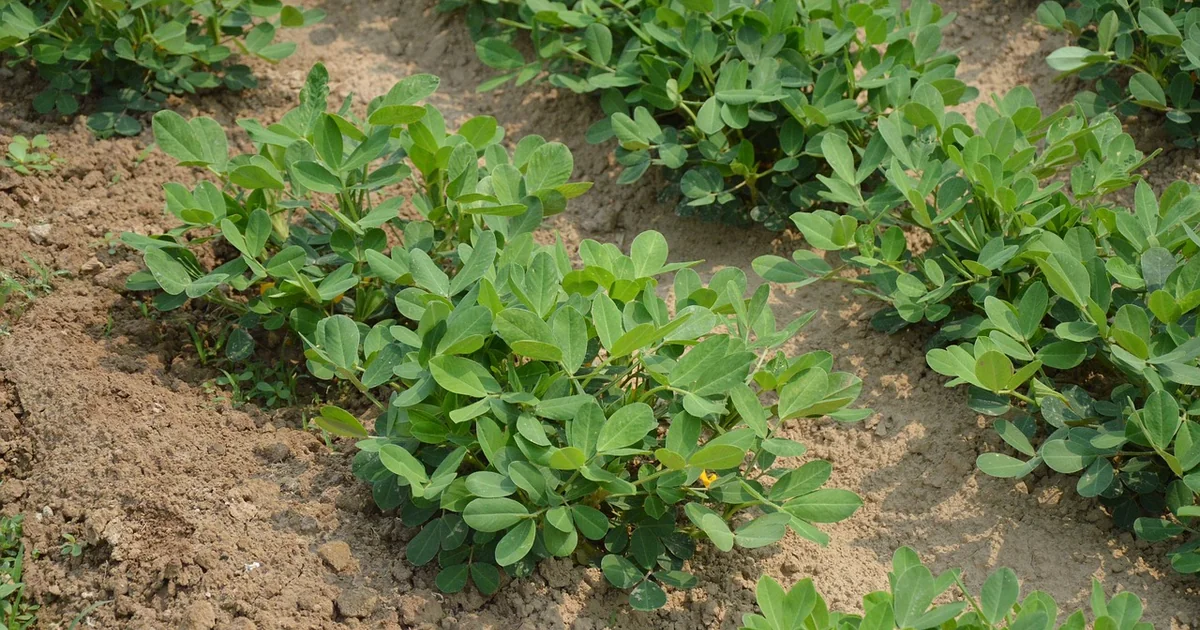
Peanut plants need loose, crumbly, well-drained soil. Heavy clay or compacted ground acts like a concrete wall. The plant’s pegs — the fertilized ovaries that elongate and burrow into the earth — simply cannot penetrate hard soil. If they can’t get in, you get no peanuts.
Before you plant, test your soil by grabbing a handful and squeezing it. If it forms a tight, sticky ball that doesn’t break apart easily, it’s too dense. You need to amend it. Mix in plenty of organic matter like aged compost or coarse sand. Raised beds are a fantastic solution for heavy clay yards because they guarantee the loose texture peanuts crave.
Getting the pH and Temperature Just Right
Peanuts prefer a slightly acidic environment, with a pH between 6.0 and 6.5. This range allows them to access the nutrients they need most efficiently. A simple soil test kit from your local garden center can tell you where you stand. If your pH is too low, add garden lime. If it’s too high, sulfur can help bring it down.
Temperature is equally critical. Peanut seeds are tropical by nature. They will simply rot in cold, damp soil. You must wait until the ground temperature reaches a consistent 65°F before sowing. A soil thermometer is a cheap investment that saves you from heartbreak. In cooler regions (USDA zones 6 or 7), using black plastic mulch can help warm the soil faster in the spring.
Secret #2: Mastering the Planting Technique
Planting peanuts is different from planting beans or corn. You are not planting a seed in the traditional sense. You are planting a whole peanut — shell and all, or carefully shelled kernels. The process is simple, but the details make a huge difference.
Timing Your Planting for Success
The absolute rule is to wait until all danger of frost has passed. A single late frost will kill tender peanut seedlings. In most southern climates, this means planting in late April or early May. In northern zones, you may need to wait until late May or even early June.
Choose raw, unroasted peanuts from a seed supplier. Grocery store peanuts are often treated to prevent sprouting. Plant the seeds (or whole peanuts) about 1 to 2 inches deep. Space them 6 to 8 inches apart in rows. For bunch-type varieties, leave 24 inches between rows. For runner types, which spread more, give them 36 inches.
The Magic of Pegging
About 40 days after germination, your plants will produce beautiful yellow flowers. This is where the magic begins. After the flower is pollinated, the stalk bends downward and grows toward the soil. This stalk is called a “peg.” It buries the fertilized ovary about an inch underground, where the peanut pod develops.
To help this process, gently mound loose soil around the base of the plant once you see flowers. This gives the pegs a soft landing spot and makes it easier for them to penetrate. This simple act of “hilling” can significantly boost your final yield.
Secret #3: Sunlight & Watering – The Goldilocks Zone
Peanuts are sun worshipers. They need full, direct sunlight for at least eight hours every single day. Less light means fewer flowers, fewer pegs, and a disappointing harvest. Choose your garden spot with ruthless honesty about sun exposure.
Eight Hours of Full Sun is Non-Negotiable
Do not plant peanuts near tall crops like corn or sunflowers that will cast shade. They also don’t do well against a north-facing fence. The more sun they get, the more energy they can produce to fuel that underground development. In partial shade, the plants will grow leggy and produce very few pods.
The Art of Watering Peanuts
Peanuts need consistent moisture, especially during the flowering and pegging stages. In hot climates, this means watering deeply two to four times per week. The goal is to keep the soil evenly moist, like a wrung-out sponge.
Overwatering is a real danger. Soggy soil leads to root rot and fungal diseases. Drip irrigation is an excellent choice because it delivers water directly to the roots without wetting the foliage. Wet leaves can invite leaf spot diseases. If you use a sprinkler, water early in the morning so the leaves dry out during the day.
Secret #4: Heat & Humidity – Mimicking the Southern Summer
Peanuts are native to South America and thrive in conditions that make other plants wilt. They love high heat and high humidity. Understanding their temperature needs is the key to unlocking their full potential.
Understanding Temperature Thresholds
After germination, peanuts grow best when daytime temperatures hover between 85°F and 95°F. They can handle even higher temperatures as long as they have enough water. However, they are very sensitive to cold. If nighttime temperatures drop below 65°F for several days in a row, the plant’s maturation process comes to a screeching halt.
This is why peanuts are famously successful in the American South. The long, hot, humid summers provide the perfect growing conditions. If you live in a cooler zone, focus on early-maturing varieties and use row covers to trap heat on cool nights.
Extending the Season in Cooler Climates
Don’t let a short summer stop you. You can start peanuts indoors in biodegradable pots about 3-4 weeks before your last frost. Transplant the entire pot into the ground once the soil is warm. This gives you a critical head start. Choose a variety like “Early Spanish,” which matures in about 90 days, rather than “Virginia,” which can take 130 days.
Secret #5: Feeding Your Peanuts – Less is More (But Right is Crucial)
One of the most common mistakes new growers make is over-fertilizing. Peanuts are legumes, which means they have a symbiotic relationship with bacteria that fix nitrogen from the air. They essentially make their own fertilizer. Giving them too much nitrogen leads to giant, lush plants with very few peanuts.
You may also enjoy reading: 7 Best Gardening Gloves for Every Task in 2026.
Why Nitrogen Isn’t the Star Here
When you use a standard lawn fertilizer high in nitrogen, the plant gets lazy. It focuses all its energy on growing leaves instead of producing flowers and pegs. You end up with a beautiful green bush and nothing underground.
Instead, peanuts need phosphorus and potassium. These nutrients support root development, flower production, and pod filling.
The Magic of 0-10-20 and Bone Meal
Look for a fertilizer with an NPK ratio like 0-10-20 or 0-20-20. The zeros mean no nitrogen. You can also work bone meal into the soil before planting. Bone meal is rich in phosphorus and calcium, both of which are vital for strong peg development and healthy pods.
Apply the fertilizer according to the package directions just before sowing. Be very careful not to over-apply. Peanut roots are sensitive and can be burned by too much salt from fertilizer. A light hand is always better than a heavy one.
Secret #6: Protecting Your Underground Bounty
Peanuts are relatively tough plants, but they have a few enemies. Weeds are the biggest competitor, stealing light and nutrients. Pests like thrips and leafhoppers can transmit diseases that stunt your plants.
Common Pests and Organic Solutions
Thrips and leafhoppers are tiny insects that suck sap from the leaves. They can spread the tomato spotted wilt virus, which is devastating to peanuts. Keep an eye on the new growth. If you see stippling or curling, spray the plants with neem oil or insecticidal soap. These organic options are safe for your family and the environment.
Caterpillars can also be a problem. They chew holes in the leaves and can defoliate a plant quickly. If you see them, treat with Bacillus thuringiensis (Bt). This is a biological insecticide that targets caterpillars but is harmless to humans, pets, and beneficial insects.
The Importance of Gentle Weed Control
Weeds must be removed, but you have to be careful. Peanut pegs are delicate. Rough hoeing or deep cultivating can sever the pegs, destroying the developing pods. Always weed by hand or use a very shallow trowel. A layer of organic mulch, like straw or grass clippings, can suppress weeds and keep the soil cool and moist.
Secret #7: The Harvest – The Ultimate Reward When You Grow Peanuts
This is the treasure hunt you’ve been waiting for. After months of care, the plant will tell you when it’s ready. The leaves will turn yellow, signaling that the plant is done. It is time to dig.
Reading the Plant’s Signals
Don’t pull the plants by hand. The pegs are strong and you might break them, leaving the peanuts in the ground. Use a garden fork to gently lift the entire plant from underneath. Shake off the loose soil, and you will see dozens of peanuts clinging to the roots.
The peanuts are not ready to eat right away. They are full of moisture and need to be cured. Hang the whole plant in a warm, dry, well-ventilated place like a garage or shed. Leave it there for two to three weeks. The peanuts are cured when the shells rattle when you shake them.
The Joy of the First Bite
Once cured, you can roast them, boil them, or save them for next year’s seed. The flavor of a homegrown peanut is richer and earthier than anything from a store. You did it. You hosted your own treasure hunt, and you won.
Growing peanuts is a slow, patient process, but the payoff is deeply satisfying. From the first yellow flower to the final harvest, every step teaches you something new about the hidden world beneath the soil. Give it a try this season. Your garden — and your snack drawer — will thank you.