Have you ever walked past a garden and felt an instant sense of calm, as if the space had been carefully curated by a professional designer? Chances are, that garden featured a lush combination of green foliage and purple blooms. This color pairing appears in some of the most celebrated show gardens, from the prestigious RHS Chelsea Flower Show to sweeping American prairie-style landscapes. The palette feels both romantic and refined, yet it does not require a team of landscapers to maintain.
Purple carries a unique visual weight in the garden. It sits between the energy of red and the tranquility of blue, creating a sense of balance that feels both dynamic and soothing. When paired with green leaves, the contrast is striking without being harsh. This is why so many award-winning planting schemes lean heavily on this combination. The effect is not accidental. It is a deliberate choice that mimics the natural world, where purple wildflowers often appear in meadows and along woodland edges during the warmest months.
Beyond aesthetics, purple flowers serve a practical purpose. They are highly visible to pollinators. Bees, in particular, see purple more clearly than many other colors, which is why you will often find them buzzing around lavender and salvia. By planting purple flowers summer varieties, you are not just decorating your yard. You are creating a vital food source for local wildlife during a season when nectar can be hard to find.
1. Lavender: The Fragrant Foundation
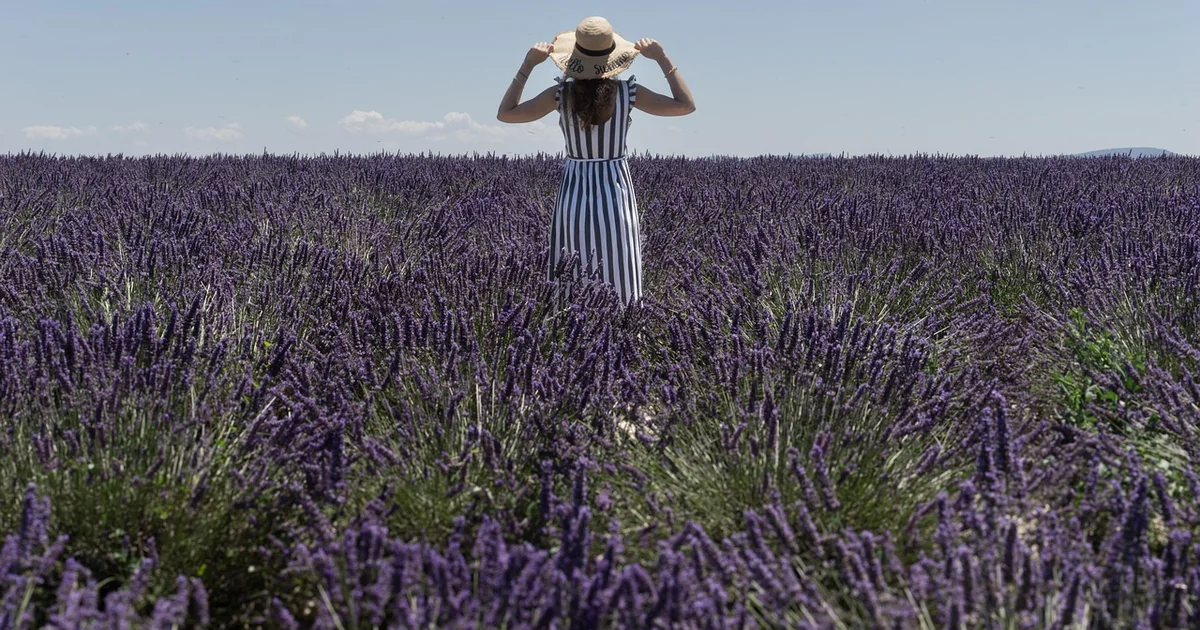
If you have ever scrolled through dreamy garden photos on social media, you have likely seen lavender. Its silvery foliage and tall purple flower spikes are almost synonymous with a relaxed, established garden. The fragrance alone can transport you to a sunbaked hillside in Provence, but the real appeal for home gardeners is its resilience.
Lavender thrives on neglect. It prefers full sun and soil that drains quickly, making it an ideal candidate for those hot, dry spots where other plants struggle. Once the roots are established, this plant becomes remarkably drought tolerant. It will produce waves of flowers throughout the summer with very little water or fertilizer. The reward for your minimal effort is a plant that bees adore and that you can harvest for sachets, teas, or simply enjoy as a natural air freshener in the garden.
Top Lavender Varieties for Long Blooming
Not all lavender is created equal. Some varieties bloom earlier and stop, while others keep going until the first frost. For a long season of color, consider these options.
Grosso Lavender is a classic choice. It thrives in USDA Zones 5 through 8 and produces exceptionally long flower spikes. The color is deep and rich, and the fragrance is strong enough to perfume an entire pathway.
Sensational! Lavender lives up to its name. It produces larger blooms than many standard varieties and offers better cold tolerance, making it a reliable option for gardeners in Zones 5 through 9. If you have struggled with lavender dying over winter, this variety is worth trying.
Phenomenal Lavender is a hybrid French lavender that flowers continuously from early summer until the frost arrives. It is known for its exceptional heat and humidity tolerance, which means it can handle the muggy summers that often kill other lavender types. For gardeners in warmer regions, this is a standout choice.
2. Russian Sage: Airy Elegance
Russian sage is one of those plants that quietly transforms a border without demanding attention. Its soft, smoky-purple flowers appear to float above silvery stems, creating a hazy, layered effect that looks effortlessly designer. This plant brings movement to the garden, swaying gently in the breeze and softening the edges of harder landscaping features.
The practical benefits are equally impressive. Russian sage thrives in intense heat and tolerates drought with ease. It keeps flowering long after many other perennials have given up for the season. For gardeners who want a low-maintenance way to add vertical interest and a touch of wild elegance, this is an excellent choice.
If space is limited, look for a compact variety like Blue Jean Baby Russian Sage. It delivers the same beautiful blooms but in a more contained form. It is also cold hardy, performing well in Zones 4 through 9, which makes it a versatile option for a wide range of climates.
3. Salvia: The Workhorse of the Summer Border
Few plants work as hard in the summer garden as salvia. Its upright purple flower spikes add structure and a bold pop of color for months on end. The key to its longevity is simple: light deadheading. If you snip off the spent flower spikes every few weeks, the plant will reward you with fresh blooms until autumn.
Salvia is remarkably tough. It copes beautifully with heat and dry spells, making it a staple in low-maintenance planting schemes across the United States. It is also a magnet for wildlife. Hummingbirds, bees, and butterflies all flock to it, turning your garden into a lively ecosystem.
For a variety that is as showy as it is resilient, consider Sensation Sky Blue Salvia. The flowers are a vibrant shade of purple-blue, and the plant is both deer resistant and hardy. It fits well into borders, containers, and cutting gardens alike.
4. Clematis ‘Diamantina’: Double Blooms on a Vine
If you want a plant that makes your garden look significantly more expensive than it actually is, clematis ‘Diamantina’ is a strong contender. This vine produces huge double blooms in a deep purple shade, each flower ruffled and full like a miniature peony. The effect is luxurious and romantic.
Unlike some spring-flowering climbers that bloom once and stop, ‘Diamantina’ repeat flowers throughout the summer once it is established. This means you get waves of color from June through September. It is ideal for training on trellises, fences, arches, or even growing up through a large shrub.
This clematis thrives in USDA Zones 4 through 9. The most important care tip is to keep its roots cool and moist while the plant is establishing. A layer of mulch or a low-growing ground cover at the base of the vine will help maintain the right soil temperature and moisture level. Once it settles in, it requires minimal intervention to produce a spectacular display.
5. Agastache: Tough and Pollinator-Friendly
Agastache, also known as hyssop or hummingbird mint, looks delicate but is impressively tough. Its tall spikes of purple flowers bloom for months on end, even in poor soil and full sun. This plant is a hotspot for pollinators, drawing bees, butterflies, and hummingbirds from far and wide.
The flowers have a pleasant licorice or minty scent, depending on the variety, which adds another sensory layer to the garden. Agastache is drought tolerant once established, making it an excellent choice for xeriscaping or low-water gardens. It also self-seeds moderately, so you may find new plants popping up in unexpected places, which many gardeners consider a happy accident.
For a reliable summer-long bloomer, look for varieties like Agastache ‘Blue Fortune’ or Agastache ‘Purple Haze’. Both are known for their long flowering season and exceptional heat tolerance.
6. Catmint: Sprawling Color
Catmint, or Nepeta, is a low-growing perennial that produces waves of small purple flowers from late spring through summer. It is often used as a ground cover or border edging because it sprawls gently, softening the edges of pathways and beds. The foliage is aromatic, releasing a pleasant minty scent when brushed against.
One of the best things about catmint is how easy it is to maintain. It thrives in full sun and well-drained soil, and it is highly drought tolerant. A quick shearing after the first flush of blooms will encourage a second wave of flowers later in the season. Varieties like ‘Walker’s Low’ or ‘Purple Haze’ are particularly reliable for continuous summer color.
7. Verbena Bonariensis: Airy Height
Verbena bonariensis is a tall, airy plant that adds a vertical element to the garden without blocking the view behind it. Its slender stems rise to about four feet tall, topped with clusters of tiny purple flowers. The effect is like a cloud of color floating above lower-growing plants.
You may also enjoy reading: 7 Ways to Get Rid of Crabgrass Before It Overtakes Your Yard.
This verbena is a perennial in warmer zones (USDA 7-11) but is often grown as an annual in cooler climates. It self-seeds readily, so once you plant it, you may see it return year after year. It is exceptionally drought tolerant and attracts butterflies in droves. For a long-lasting display, plant it in groups of three or five for maximum visual impact.
8. Purple Coneflower: A Native Favorite
Purple coneflower, or Echinacea purpurea, is a native North American wildflower that has become a garden staple. Its large, daisy-like flowers with prominent central cones bloom from midsummer through early fall. The color is a rich, rosy purple that pairs beautifully with ornamental grasses and other prairie-style plants.
Coneflowers are incredibly tough. They tolerate heat, humidity, drought, and poor soil. They are also a favorite of goldfinches, which will visit the seed heads in late summer and autumn. Deadheading spent flowers will encourage more blooms, but leaving some seed heads on the plant provides winter interest and food for birds.
Modern hybrids like ‘Magnus’ or ‘PowWow Wild Berry’ offer improved flower size and more compact growth habits, making them suitable for smaller gardens or containers.
9. Globe Thistle: Architectural Interest
Globe thistle, or Echinops, is a unique addition to the purple flower garden. Its spherical, steel-blue to purple flower heads sit atop tall, branching stems. The texture is striking, adding an architectural element that contrasts nicely with softer, billowy plants like Russian sage or catmint.
Globe thistle is a tough plant. It thrives in full sun and poor, dry soil. It is drought tolerant and rarely bothered by pests or diseases. The flowers are excellent for cutting and drying, retaining their shape and color for months indoors. Varieties like ‘Blue Glow’ or ‘Taplow Blue’ are popular choices for their intense color and sturdy stems.
10. Butterfly Bush: A Shrub for Continuous Color
Butterfly bush, or Buddleia, is a fast-growing shrub that produces long, cone-shaped clusters of purple flowers from midsummer until frost. The fragrance is sweet and heavy, and the blooms are irresistible to butterflies, bees, and hummingbirds. In fact, a single plant can host dozens of butterflies at once on a warm summer afternoon.
Butterfly bush is easy to grow. It prefers full sun and well-drained soil, and it is quite drought tolerant once established. Pruning it back hard in early spring encourages vigorous growth and more flowers. However, be aware that some varieties can be invasive in certain regions, so check local guidelines before planting. Sterile hybrids like ‘Miss Molly’ or ‘Lo & Behold’ series are excellent choices that do not spread aggressively.
11. Bellflower: Classic Charm
Bellflower, or Campanula, offers a classic, cottage-garden charm. Its cup-shaped flowers in shades of purple and violet appear in early summer and can continue blooming into early fall with proper care. Some varieties are low-growing and spreading, perfect for rock gardens or container edges, while others are upright and make excellent cut flowers.
Bellflowers are generally easy to grow. They prefer full sun to partial shade and evenly moist, well-drained soil. Regular deadheading will keep the flowers coming. For a long-blooming purple variety, try Campanula glomerata or Campanula persicifolia. Both are reliable performers that add a touch of old-fashioned elegance to the summer border.
Frequently Asked Questions About Purple Flowers for Summer
What is the easiest purple flower to grow all summer?
Salvia and catmint are among the easiest. They require minimal water once established, tolerate heat well, and bloom continuously with just occasional deadheading.
Do purple flowers attract bees and butterflies?
Yes, strongly. Bees see purple more clearly than many other colors, and butterflies are drawn to the nectar-rich blooms of plants like verbena, butterfly bush, and coneflower.
Can I grow purple flowers in containers?
Absolutely. Lavender, salvia, and compact varieties of Russian sage or clematis all perform well in containers. Ensure the pot has drainage holes and use a high-quality potting mix.
How often should I water purple summer flowers?
Most of the plants on this list are drought tolerant once established. During their first growing season, water deeply once or twice a week. After that, they typically need water only during extended dry periods.
Do these plants come back every year?
Most are perennials that return year after year in the appropriate USDA zones. Lavender, Russian sage, salvia, coneflower, and catmint are all reliable perennials. Verbena bonariensis is a perennial in warmer zones but often grown as an annual in cooler climates.
Building a garden filled with purple flowers summer blooms is one of the most rewarding projects a home gardener can undertake. The color palette is sophisticated, the maintenance is low, and the ecological benefits are substantial. By choosing a mix of these eleven plants, you can create a landscape that looks professionally designed while supporting local pollinators through the hottest months of the year. Start with a few varieties that match your climate and growing conditions, and watch your garden transform into a purple paradise.