Why May Is the Perfect Month to Start Your Edible Flower Garden
May brings longer days and warmer soil across most gardening zones. This timing creates ideal conditions for sowing seeds directly outdoors. The risk of frost has passed in many regions, which means tender blooms can thrive without protection. Starting your edible flowers may garden now gives plants a full growing season to establish before summer heat arrives.
Growing flowers you can eat connects your kitchen directly to your backyard. You save money on expensive specialty produce at farmers markets. You also control exactly what touches your plants, which matters greatly when you plan to consume the petals.
The five flowers covered here each bring distinct flavors and textures. Some offer peppery heat. Others provide sweet floral notes or unexpected crunch. All of them grow reliably from seed or starter plants during this month.
1. Nasturtiums: The Peppery Powerhouse
Nasturtiums rank among the easiest plants to start from seed in May. Their large seeds germinate quickly, often within seven to ten days. Children enjoy planting them because the seeds are big enough for small hands to handle easily.
Flavor Profile and Kitchen Uses
Both the flowers and leaves carry a peppery kick similar to watercress. The intensity varies between cultivars. Some varieties taste mild enough to eat by the handful. Others deliver a sharp bite that wakes up your palate.
The back spur of each flower contains the most concentrated heat. If you find a particular bloom too spicy, simply pinch off that small section before adding the rest to your dish. This trick lets you adjust flavor intensity to suit your preferences.
Toss whole nasturtium flowers into green salads for color contrast. Use the leaves to make a pesto by blending them with garlic, pine nuts, Parmesan, and olive oil. The resulting sauce has a distinctive peppery finish that pairs well with pasta or grilled vegetables.
Growing Requirements for May Planting
Nasturtiums prefer full sun but tolerate partial shade. They perform best in poor to average soil. Rich soil actually reduces flower production and encourages excessive leaf growth. This makes them perfect for spots where other plants struggle.
Two main types exist. Tropaeolum minus grows as a compact bush reaching about twelve inches tall. It needs no support and works well in containers or along borders. The cultivar Black Velvet produces dramatic ruby-black petals that look striking against green foliage.
Tropaeolum majus climbs or trails depending on how you position it. Provide a cane wigwam or netting for vertical growth. Alternatively, plant them in hanging baskets where stems cascade downward. The cultivar Purple Emperor offers color-changing blooms that open in shades of purple before fading into lavender and dusky rose tones.
Sow seeds about one inch deep and ten inches apart. Water gently after planting and keep soil moist until seedlings emerge. In zones ten and warmer, nasturtiums behave as perennials. Everywhere else, treat them as annuals and replant each May.
2. Dahlias: The Unexpected Vegetable
Most gardeners think of dahlias purely as ornamental plants. Yet these flowers have a long history as food crops. Indigenous peoples in Mexico cultivated dahlias for their edible tubers long before European gardeners became fascinated with the blooms.
Flavor Profile and Kitchen Uses
Dahlia petals add color, taste, and crunch to salads. Their flavors range from green apple to water chestnut depending on the variety. Heirloom types generally offer the best taste because modern hybrids were bred primarily for appearance rather than flavor.
To crystallize dahlia petals for cake decorations, brush each petal lightly with egg white. Sprinkle superfine sugar over both sides. Let them dry on parchment paper for several hours. The resulting decorations look professional and taste delicately sweet.
The tubers deserve attention too. After peeling away the bitter skin, you can eat them raw, boiled, or baked. Their texture resembles potatoes but with a slightly sweeter, nuttier flavor. Roast them with olive oil and herbs for a side dish that surprises dinner guests.
Growing Requirements for May Planting
Dahlias thrive in sunny, sheltered positions. They need well-draining soil enriched with organic matter. Plant tubers about four inches deep with the eye facing upward. Space them roughly two feet apart to allow for mature growth.
In colder climates, you must lift dahlia tubers after the first frost blackens the foliage. Cut back stems to about six inches. Dig carefully around the clump to avoid damaging tubers. Store them in a cool, dry place packed in peat moss or wood shavings until next spring.
For the best edible results, seek out heirloom varieties and Dahlia coccinea, the native species. These offer superior flavor compared to showy modern hybrids. The cultivar Penhill Watermelon produces dinnerplate-sized blooms with petals that taste faintly fruity.
3. Roses: The Classic Floral Ingredient
Roses have been used in cooking across multiple cultures for centuries. Middle Eastern cuisine features rose water in desserts and beverages. Indian cooking incorporates dried rose petals into spice blends. European traditions use crystallized petals for cake decorations.
Flavor Profile and Kitchen Uses
Rose petals typically taste sweet and floral. Some varieties offer fruity undertones reminiscent of raspberries or citrus. The flavor intensity depends on growing conditions and the specific cultivar.
Modern breeders have developed roses specifically for edible qualities. These varieties produce petals with stronger, more pleasant flavors than older ornamental types. They also tend to have fewer bitter compounds near the petal base.
Use fresh rose petals to infuse honey by gently warming honey and submerging petals for several hours. Strain and store in a jar. This infused honey adds floral sweetness to tea, yogurt, or baked goods.
Rose petal jam requires cooking petals with sugar and lemon juice until the mixture thickens. Spread it on scones or use it as a filling for thumbprint cookies. The flavor pairs surprisingly well with dark chocolate.
Growing Requirements for May Planting
Plant container-grown roses in May after the last frost date. Choose a sunny location with good air circulation. Roses need at least six hours of direct sunlight daily for optimal bloom production.
Only use roses you have grown yourself without chemical treatments. Florist roses and nursery stock not labeled as edible have likely been sprayed with pesticides or growth regulators. These substances remain in the petals and can cause illness if ingested.
Feed roses monthly during the growing season with a balanced organic fertilizer. Water deeply once or twice weekly rather than frequent shallow watering. This encourages deep root systems that support heavy blooming.
Prune spent flowers regularly to encourage continuous production. Cut back to a five-leaflet leaf facing outward from the center of the plant. This practice keeps bushes productive well into autumn.
4. Calendula: The Poor Man’s Saffron
Calendula officinalis, commonly called pot marigold, has been used in cooking and medicine for centuries. Its bright orange and yellow petals add color to dishes while providing a subtle flavor that mimics expensive saffron.
Flavor Profile and Kitchen Uses
Calendula petals taste mildly peppery with hints of tangy citrus. The flavor is gentle enough not to overpower other ingredients. This makes calendula versatile for both savory and sweet applications.
Dry calendula petals and crumble them into rice dishes for golden color similar to saffron. The flavor differs but the visual effect is striking. Use about one tablespoon of dried petals per cup of rice.
Fresh petals brighten salads, soups, and grain bowls. Scatter them over roasted vegetables just before serving for visual appeal. The petals soften slightly when heated, releasing their mild flavor into the dish.
Calendula infused oil makes a beautiful base for salad dressings. Steep dried petals in olive oil for two weeks, then strain. The resulting oil has a golden hue and subtle herbal notes.
Growing Requirements for May Planting
Calendula grows easily from seed sown directly in the garden during May. Seeds germinate within five to ten days in warm soil. Thin seedlings to about twelve inches apart for proper air circulation.
These plants prefer full sun but tolerate light shade. They bloom best in cool weather, which makes spring and fall their peak seasons. In hot summer climates, calendula may stop flowering until temperatures drop again.
You may also enjoy reading: 5 Ways to Make Your Own Room Diffuser.
Deadhead spent blooms regularly to extend the flowering period. Each plant can produce dozens of flowers over several months. Let a few flowers go to seed at the end of the season for self-sowing next year.
Calendula suffers from few pest problems. Aphids occasionally attack new growth but can be washed off with a strong spray of water. Powdery mildew may appear in humid conditions, so ensure good spacing for air movement.
5. Borage: The Cucumber-Flavored Bloom
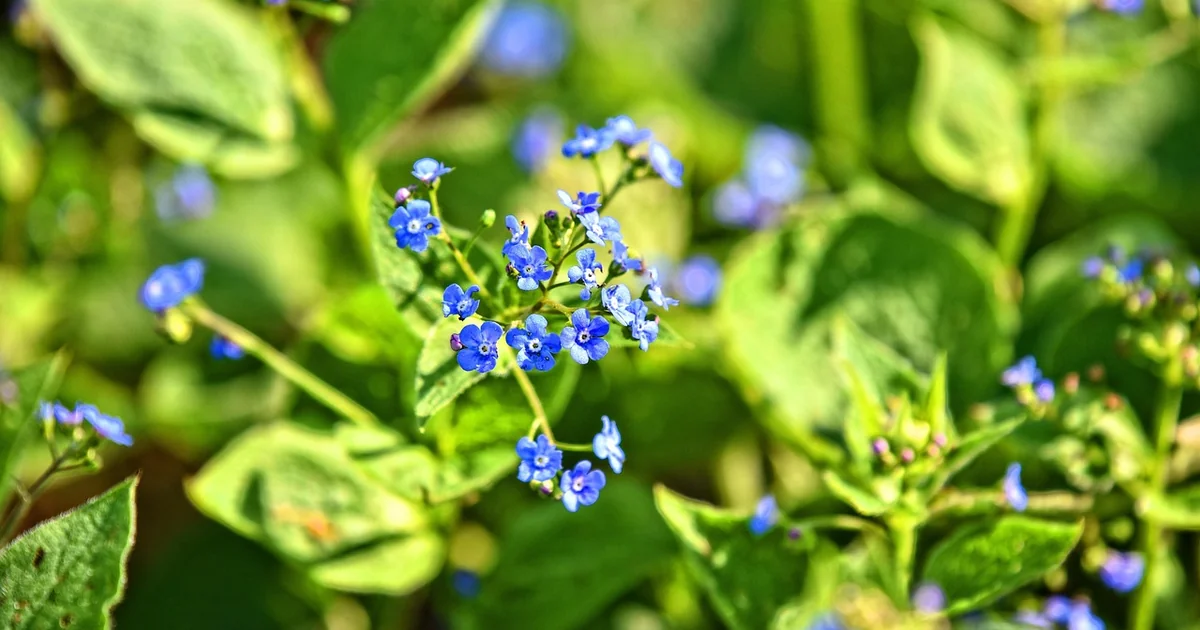
Borage officinalis produces star-shaped blue flowers that taste remarkably like cucumber. The plant has a long history in European herbalism and kitchen gardens. Its leaves and flowers both serve culinary purposes, though the flowers are more commonly used today.
Flavor Profile and Kitchen Uses
Borage flowers deliver a clean, refreshing cucumber flavor with subtle sweetness. The texture is delicate, almost melting on the tongue. This makes them ideal for adding to drinks and cold dishes where a light touch matters.
Freeze individual borage flowers into ice cubes for summer beverages. The blue petals suspended in clear ice create a stunning visual effect. Drop these cubes into lemonade, iced tea, or cocktails for instant elegance.
Scatter fresh borage flowers over cucumber salads to reinforce the flavor theme. They also complement melon, feta cheese, and mint. Use them as a garnish for chilled soups like gazpacho.
Candied borage flowers make lovely cake decorations. The process is the same as for other edible flowers: brush with egg white, dust with superfine sugar, and dry. Their natural blue color remains vibrant after candying.
Growing Requirements for May Planting
Borage grows readily from seed sown directly in the garden during May. Seeds germinate in seven to fourteen days. Plants reach about two to three feet tall with a sprawling habit that requires some space.
Full sun produces the most abundant flowers, but borage tolerates partial shade. It grows well in poor soil and actually prefers lean conditions. Overly rich soil leads to excessive leaf growth at the expense of flowers.
Borage self-seeds prolifically once established. Many gardeners consider this a feature rather than a problem because volunteers appear reliably each spring. Simply pull unwanted seedlings or transplant them to desired locations.
The leaves are edible too, though covered in fine hairs that can irritate sensitive mouths. Young leaves work best when chopped finely into salads or cooked like spinach. The hairs soften during cooking.
Tips for Growing and Harvesting Edible Flowers Safely
Always confirm proper identification before eating any flower. Misidentification can lead to consuming toxic lookalikes. Purchase seeds or plants from reputable sources that clearly label edible varieties.
Never eat flowers from florists, nurseries, or roadside stands unless specifically labeled as edible. These plants likely received chemical treatments unsafe for consumption. Even organic labeled nursery plants may have been treated with products not intended for edible use.
Harvest flowers in the morning after dew has dried but before heat intensifies. This timing captures peak flavor and freshness. Choose fully opened blooms for the best texture and taste.
Wash flowers gently in cool water just before using. Pat dry with paper towels or spin in a salad spinner. Remove pistils and stamens from larger flowers as these parts can taste bitter.
Store unwashed flowers in the refrigerator between damp paper towels inside a sealed container. Most edible flowers last three to five days when stored properly. Use them as soon as possible for the best flavor and appearance.
Frequently Asked Questions About Edible Flowers in May
Can I eat flowers from any plant in my garden?
No. Many common garden plants produce toxic flowers. Only eat flowers you have positively identified as safe for consumption. Stick to known edible varieties from reputable sources until you gain experience identifying safe species.
How do I know if a flower has been sprayed with chemicals?
Unless you grew the plant yourself and controlled all inputs, assume it has been treated. Flowers from florists, grocery stores, and most nurseries are not safe to eat. Look for plants specifically labeled as edible or grown using organic methods.
What part of the flower should I eat?
For most edible flowers, the petals are the safest and most palatable part. Remove the sepals, pistils, and stamens before eating. These reproductive parts often taste bitter and may cause digestive upset in sensitive individuals.
Can I dry edible flowers for later use?
Yes. Dry edible flowers in a dehydrator or by hanging them in small bunches in a dark, well-ventilated area. Store dried flowers in airtight containers away from light. Use within six months for the best flavor and color retention.
Will eating flowers trigger allergies?
People with pollen allergies should exercise caution when eating flowers. The petals contain less pollen than the reproductive parts, but reactions are still possible. Start with small amounts to test your tolerance before consuming larger quantities.
Starting your edible flowers may garden this month sets you up for months of colorful, flavorful harvests. Each of these five flowers offers something unique to your kitchen while beautifying your outdoor space. The satisfaction of plucking homegrown petals for your dinner plate rivals any store-bought ingredient.