Why Your Garden Needs a May Deadheading Routine
If you have ever wondered why some gardens seem to explode with color month after month while others fizzle out after a single spring show, the answer often comes down to a simple five-minute habit. May is the gateway month for this essential task. The early bloomers are finishing their performance, and the summer stars are just beginning to stir. What you do with your pruners right now determines whether your garden will coast through the summer or keep producing wave after wave of flowers. Learning which plants to deadhead in May is one of the most rewarding skills you can develop as a gardener.
The term itself sounds a bit grim, I admit. Deadheading sounds like something you would do to a zombie, not a delicate petunia. But the process is actually a gentle conversation between you and your plants. You are telling them that their work is not done yet. You are redirecting their energy away from seed production and back into creating more blooms. And the best part? It takes almost no time at all.
What Is Deadheading and How Does It Work?
Deadheading is simply the act of removing faded or spent flowers from a plant. It sounds almost too simple to make a difference, but the science behind it is fascinating. Every flowering plant has one primary biological goal: reproduction. It produces a flower, attracts a pollinator, and then sets seed. Once that seed is formed, the plant’s mission is complete. It slows down on blooming and pours its energy into maturing those seeds.
When you snip off the fading flower before the seed has a chance to develop, you interrupt this cycle. The plant receives a signal that its reproductive attempt has failed. Its only option is to try again by producing another flush of flowers. This is not a theory. It is basic plant physiology. For annual plants, which live for only one season, deadheading can extend their blooming life by weeks or even months. For perennial plants, it encourages a second wave of flowers later in the summer and builds stronger root systems for the following year.
There is a common misconception that deadheading is only about aesthetics. Yes, removing brown, mushy flowers makes your garden look tidier. But the real payoff is biological. You are essentially hacking the plant’s natural programming to work in your favor. A study published in HortScience found that regular deadheading significantly increased the total number of flowers produced in several common bedding plants compared to plants that were allowed to set seed naturally. The difference was not subtle. It was dramatic.
When to Start Deadheading in May
May is the perfect month to begin because it sits right at the intersection of spring and summer. The spring bulbs are finishing their display. The early perennials like bleeding hearts and lungwort are fading. And the first flush of annuals is just starting to bloom. The general rule is simple: the moment you see a flower starting to fade, wilt, or drop its petals, it is time to act.
Do not wait until the entire plant looks messy. Deadheading is most effective when done early in the fading process. Once the petals have browned and the seed head begins to swell, the plant has already committed significant energy to reproduction. Catching it just as the petals drop prevents that energy loss entirely. I like to take a quick walk through my garden every evening in May. It takes about five minutes, and it keeps me connected to what each plant is doing. You do not need to do it daily, but once or twice a week will make a noticeable difference.
The Right Tools and Techniques for Deadheading
You do not need a shed full of expensive equipment to deadhead effectively. In fact, your hands are the best tool for most plants. For soft-stemmed flowers like petunias and marigolds, you can simply pinch the spent bloom between your thumb and forefinger and snap it off. The stem will break cleanly at the right spot. For plants with slightly thicker stems, such as daffodils or tulips, you can use your thumbnail to slice through the stem just below the flower head.
For woody stems like those of lilacs or shrubs, you will need a pair of hand pruners. Make a clean cut just above a set of healthy leaves or a lateral bud. This encourages the plant to branch out and produce more flowering stems. For ground covers like creeping phlox that bloom in dense mats, a pair of hedging shears is the fastest option. You can simply shear the entire patch back by about half its height. It takes seconds and the plant responds beautifully.
One technique that many gardeners overlook is cutting at the right angle. Always cut at a 45-degree angle just above a leaf node. This prevents water from pooling on the cut surface and reduces the risk of disease. It also encourages the plant to send out new growth from that node, which is exactly where the next round of flowers will form.
5 Plants to Deadhead in May for Continuous Blooms
Not all plants need deadheading in May, but these five respond exceptionally well to early season attention. Adding them to your May routine will set you up for a summer of abundant flowers.
1. Spring Bulbs: Daffodils, Tulips, and Hyacinths
This is the most important group to deadhead in May, and it is also the one where gardeners make the most common mistake. Once the flowers of daffodils, tulips, and hyacinths fade, they begin to form seed pods. These pods are energy hogs. A single daffodil seed pod can consume a significant portion of the bulb’s stored energy, energy that would otherwise go into next year’s bloom.
To deadhead spring bulbs, simply snap off the spent flower head and the top portion of the stem. With daffodils, you will notice a swollen area just behind the petals. That is where the seeds are forming. Remove that entire structure. But here is the critical part: do not cut the leaves. I know the foliage looks messy. It flops over and turns yellow and it is tempting to tidy it up. But those leaves are solar panels. They spend the next four to six weeks photosynthesizing and sending energy back down into the bulb. If you cut them too early, you starve the bulb and next year’s flowers will be smaller or nonexistent.
If the yellowing leaves bother you, interplant your bulbs with hostas, daylilies, or other perennials that will grow up and hide the fading foliage. This is a simple design trick that solves the problem without compromising the health of your bulbs.
2. Lilacs: Deadheading for Next Year’s Show
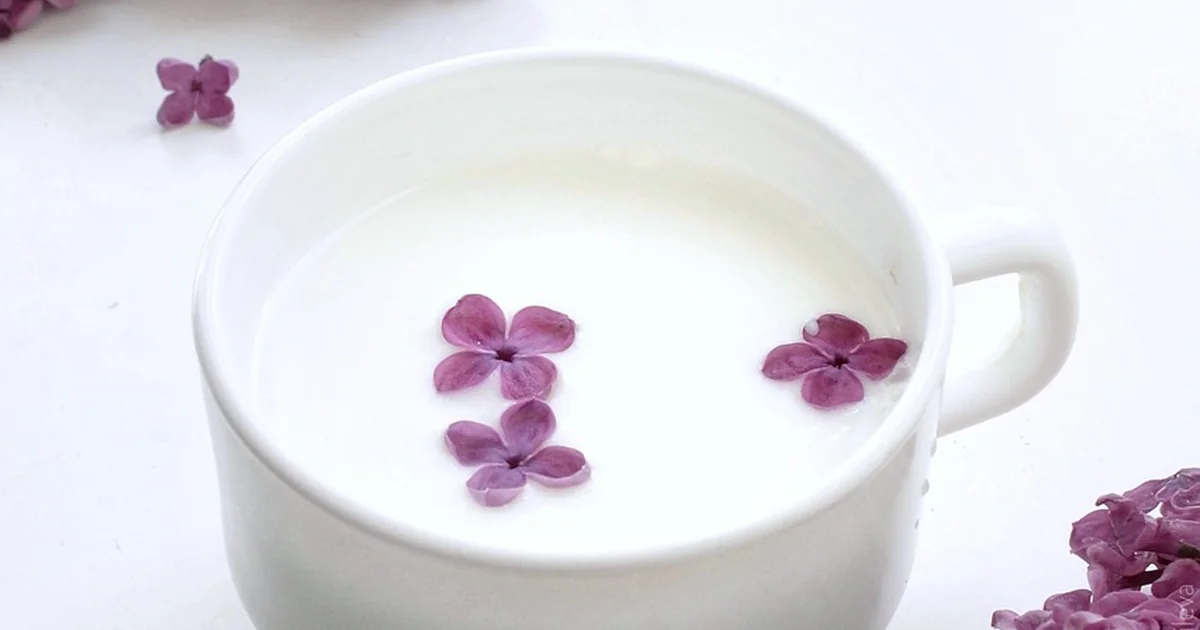
Lilacs bloom in late spring, and their fragrance is one of the great joys of the season. But once those purple, pink, or white panicles fade, they turn into brown, woody clusters. If you leave them on the plant, they will form seed capsules. This is a major drain on the shrub’s resources. By deadheading your lilacs in May, you are essentially banking energy for next year’s flower display.
The technique is straightforward. Using a pair of sharp hand pruners, cut the spent flower cluster off just above a pair of leaves or a lateral bud. Do not just snap off the tip. Make a clean cut that encourages the plant to branch out. This redirects auxins and carbohydrates into vegetative growth and the formation of next year’s flower buds. Lilacs set their flower buds for the following year shortly after blooming, so early deadheading gives them the entire growing season to develop those buds fully.
One thing to keep in mind: if your lilac is very old and woody, deadheading alone may not be enough to rejuvenate it. You may need to do some renewal pruning by cutting a few of the oldest stems back to the ground. But for a healthy, well-maintained shrub, deadheading in May is the single most effective thing you can do to ensure a spectacular show next spring.
3. Bleeding Hearts: Tidy Up for a Potential Second Bloom
Bleeding hearts are one of the most charming plants in the spring garden. Their arching stems of pink, heart-shaped flowers are truly unique. But once those flowers fade, the stems can look bare and leggy. Many gardeners are hesitant to cut them, worried that they will harm the plant. The opposite is true. Deadheading bleeding hearts encourages the plant to focus its energy on its foliage and root system, and it may even produce a second, smaller flush of blooms in late summer if the weather is cool.
You may also enjoy reading: 5 Ways to Make Your Own Room Diffuser.
To deadhead a bleeding heart, trace the spent flower stem all the way back to the base of the plant and cut it off cleanly. Do not leave a stub. The plant will respond by sending up fresh new growth from the crown. As the summer heats up, the plant may naturally go dormant and die back to the ground. This is normal. Do not panic. Mark the spot so you do not accidentally dig it up in the fall, and it will return next spring bigger than ever.
4. Lungwort: Preventing Mildew and Encouraging Fresh Growth
Lungwort is grown as much for its spotted, textured foliage as for its early spring flowers. The blooms are beautiful, ranging from blue to pink to white, but they fade quickly. Deadheading lungwort is important for two reasons. First, it prevents the plant from wasting energy on seed production. Second, and more critically, it helps prevent powdery mildew.
Powdery mildew is the biggest challenge with lungwort. It thrives in damp, crowded conditions. When spent flowers and old leaves are left to rot around the base of the plant, they create the perfect environment for fungal spores. By deadheading the spent flower stalks and removing any old, spotted, or damaged leaves, you improve air circulation and dramatically reduce the risk of mildew. The plant responds by producing fresh, clean new foliage that looks beautiful all summer long.
To deadhead lungwort, simply cut the flower stalks to the ground. Also, take a moment to remove any leaves that look tired or diseased. The plant will thank you with a flush of vibrant new growth.
5. Creeping Phlox: The Post-Bloom Haircut
Creeping phlox is a star of the spring garden. It creates a stunning carpet of color that spills over rocks, walls, and borders. But once the flowers fade, the plant can look straggly and brown. The center of the patch often becomes woody and dies out, leaving a ring of flowers around a bare spot. The solution is simple and satisfying: give it a haircut.
Using a pair of hedging shears or even kitchen scissors, shear the entire patch of creeping phlox back by about half its height. Do not worry about cutting individual flowers. Just go for it. This aggressive deadheading technique encourages the plant to produce dense, compact growth from the center of the patch. It prevents the woody center from taking over and keeps the plant looking full and healthy. The result is a much better flower display next spring and a neater appearance throughout the summer.
Frequently Asked Questions About Deadheading in May
What happens if I do not deadhead my spring bulbs?
If you leave the spent flowers on your daffodils, tulips, and hyacinths, they will form seed pods. The plant will divert a significant amount of energy into developing those seeds. Over time, this weakens the bulb, resulting in smaller flowers or no flowers at all in subsequent years. Deadheading prevents this energy loss and ensures your bulbs return strong year after year.
Can I deadhead in the rain?
It is best to avoid deadheading when the foliage is wet. Wet conditions make it easier for fungal diseases to spread through fresh cuts. Wait until the plants have dried out, ideally in the morning after the dew has evaporated or in the evening before the dew sets in.
Should I deadhead perennials that only bloom once a year?
Yes, absolutely. Even if a perennial only produces one flush of flowers per year, deadheading is still beneficial. By removing the spent flowers, you prevent seed formation and redirect the plant’s energy into root development and vegetative growth. This results in a stronger, healthier plant that will bloom more abundantly the following year.
What tools do I need to start deadheading?
You can start with just your hands. For most soft-stemmed flowers, a simple pinch is all it takes. As you get more comfortable, a pair of sharp hand pruners is useful for thicker stems. For ground covers like creeping phlox, a pair of hedging shears speeds up the job significantly. Bonsai scissors are also excellent for delicate, thin-stemmed flowers like cosmos.
How often should I deadhead in May?
Once or twice a week is sufficient for most gardens. The key is consistency. A quick five-minute walk through your garden every few days allows you to catch spent flowers early, before they have a chance to set seed. This regular attention also helps you spot any other issues, like pests or diseases, before they become serious problems.
Stepping out into the garden each evening in May with a pair of pruners is not just about horticulture. It is a small ritual that connects you to the rhythm of the season. A few minutes of snipping here and there rewards you with a garden that feels alive, vibrant, and endlessly generous. Happy gardening.