The Secret Language of Flowers That Matches Your Birth Month
You have likely heard of birthstones. Those gemstones tied to each month carry symbolic weight. But a parallel tradition exists in the floral world. Every month of the calendar pairs with a specific bloom. Each carries its own meaning, history, and personality. These floral emblems offer a personal way to celebrate a birthday, decorate a home, or send a thoughtful gift. The color of the flower often shifts the message too. A white carnation says something different from a pink one. Understanding these nuances adds depth to a simple bouquet. Let us walk through each month and uncover what these flowers represent.
January: The Carnation and Its Layers of Love
Carnations rank among the most widely available flowers on the planet. You see them in grocery stores, florist shops, and roadside stands year-round. Their affordability and long vase life make them a practical choice. But their meaning runs deeper than convenience. Carnations symbolize love in its many forms. Unlike the romantic love of a red rose, carnations speak to familial affection, friendship, and admiration.
Color Variations Carry Distinct Messages
White carnations convey good luck and pure affection. Pink carnations express gratitude. Red carnations suggest deep admiration or romantic interest. Purple carnations indicate capriciousness or whimsy. This color-coded language allows you to tailor a bouquet to the recipient. For a January birthday, a mix of white and pink carnations delivers wishes for luck and thankfulness simultaneously.
Growing Carnations at Home
Carnations thrive in full sun with well-drained soil. Most varieties reach about 12 inches tall. They make excellent cutting flowers for indoor arrangements. Plant them in spring after the last frost. Space them about 12 inches apart to allow airflow. Deadhead spent blooms to encourage continuous flowering. With proper care, carnations bloom from late spring through early autumn.
Historical records show carnations have been cultivated for over 2,000 years. The ancient Greeks used them in ceremonial crowns. The name likely derives from the Latin word “carnis,” meaning flesh, referring to the flower’s original pinkish hue. Today, over 300 varieties exist worldwide.
February: The Violet and Its Quiet Devotion
February brings the violet, a delicate and fragrant bloom. This flower symbolizes faithfulness and loyalty. It pairs beautifully with February’s birthstone, amethyst, sharing a similar purple palette. Violets have a subtle sweetness that fills a room without overwhelming it.
Why Violets Suit Winter Birthdays
Violets are perennials that tolerate cold well. They can grow indoors in pots during winter months. Place the pot on a shallow tray filled with water and pebbles. This increases humidity around the plant, compensating for dry indoor air. Once the snow melts, transplant them outdoors. They grow up to 12 inches tall in full sun or partial shade. Consistently moist soil keeps them happy.
Cultural Significance Across Civilizations
The violet appears in Greek mythology as a flower created by Zeus for Io. Napoleon Bonaparte adopted the violet as his emblem. Supporters wore violets to show allegiance during his exile. In Victorian flower language, violets represented modesty and humility. Shakespeare referenced violets in several plays, often linking them to fidelity and constancy.
Violets contain a compound called ionone. This chemical temporarily desensitizes your olfactory receptors. That is why you smell violets strongly at first, then the scent seems to vanish. Wait a few moments, and it returns. This unique property makes violets a fascinating subject in perfumery.
March: The Daffodil and Its Promise of Renewal
March marks the beginning of spring in many regions. The daffodil emerges as a fitting symbol of new beginnings and renewal. Its bright yellow petals and trumpet-shaped corona capture sunlight. The flower appears early in the season, often pushing through remaining snow. This resilience reinforces its meaning of hope and fresh starts.
Forcing Daffodils Indoors for March Birthdays
You can force daffodil bulbs indoors to ensure blooms for a March birthday. Plant bulbs in pots with drainage holes in autumn. Keep them in a cool, dark place for 12 to 16 weeks. This cold period mimics winter and triggers growth. Move the pots to a bright, warm location about three weeks before the birthday. Water regularly. The daffodils will bloom just in time.
Outdoors, plant bulbs in fall about 6 inches deep. Choose a spot with at least six hours of direct sun daily. Daffodils naturalize well, meaning they spread and return year after year. A single bulb can produce multiple blooms over its lifetime.
Daffodil Toxicity and Pest Resistance
Daffodils contain lycorine, an alkaloid that deters deer, rabbits, and rodents. This natural defense makes them ideal for gardens troubled by wildlife. However, the toxin also means all parts of the plant are poisonous to humans and pets if ingested. Plant them away from vegetable gardens and areas where children or animals might dig.
April: The Daisy and Its Celebration of Innocence
April offers two main floral representatives: the Shasta daisy and the gerbera daisy. Both share a common meaning of youth and purity. The daisy’s simple form and bright white petals evoke a sense of uncomplicated joy. Gerberas add bold color with shades of orange, yellow, and red.
Shasta Daisies Are Hardy Perennials
Shasta daisies tolerate cold winters and return each spring. They grow up to three feet tall in well-drained soil. Full sun produces the most blooms, though partial shade works too. Space plants about 18 inches apart. Divide clumps every two to three years to maintain vigor. Shasta daisies attract pollinators like bees and butterflies.
Gerbera Daisies Bring Tropical Flair
Gerberas originate from South Africa. They thrive in warmer conditions and do not tolerate frost. Grow them as annuals in cooler climates or as houseplants in bright windows. Their large, colorful blooms last up to two weeks in a vase. Pair daisies with eucalyptus, ferns, or baby’s breath for a fresh arrangement.
The name “daisy” comes from the Old English “daes eage,” meaning “day’s eye.” The flower opens its petals at dawn and closes them at dusk. This daily rhythm reinforces its association with innocence and new beginnings.
May: Lily of the Valley and the Spirit of Motherhood
May belongs to lily of the valley. This plant produces delicate, bell-shaped white flowers along a single stem. The blooms emit a sweet, intoxicating scent. Lily of the valley represents motherhood, making it a popular choice for Mother’s Day bouquets. The flower also symbolizes sweetness, humility, and a return to happiness.
Growing Conditions for Shady Gardens
Lily of the valley thrives in damp, shady areas where many other plants struggle. It spreads through underground rhizomes and can form a dense ground cover. Plant it under trees, along north-facing walls, or in shaded borders. Keep the soil consistently moist. The plant goes dormant in summer heat but returns the following spring.
Historical and Royal Connections
Lily of the valley appears in Christian tradition as the flower that wept at the crucifixion. Its tears became the bell-shaped blooms. In France, May 1 is La Fête du Muguet. People give sprigs of lily of the valley to loved ones for good luck. The tradition began in 1561 when King Charles IX received a sprig as a lucky charm and started giving them to court ladies.
All parts of lily of the valley are highly toxic. The plant contains cardiac glycosides that affect heart rhythm. Wear gloves when handling it. Keep it away from children and pets who might ingest the berries or leaves.
June: The Rose and Its Universal Language of Love
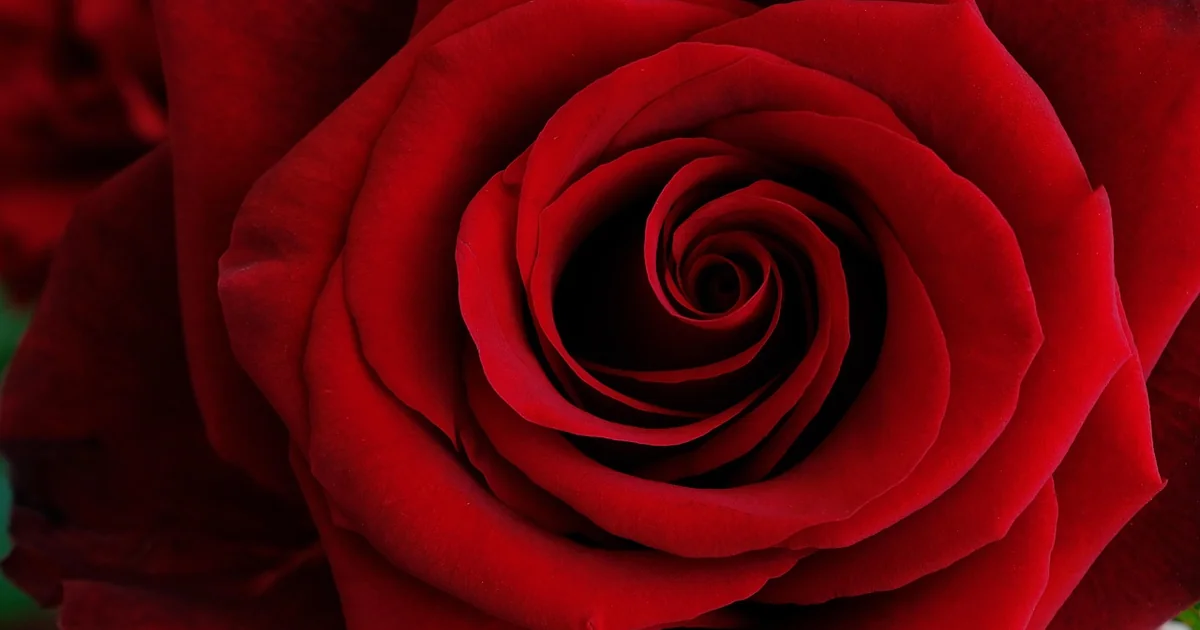
June brings the rose, perhaps the most recognized flower in the world. Roses symbolize love in its many forms. The specific color changes the message. Red roses convey romantic love. Yellow roses express friendship and joy. Pink roses indicate admiration or gratitude. White roses represent purity and new beginnings.
Over 150 Species and Thousands of Cultivars
Roses belong to the genus Rosa, which includes over 150 species. Hybridizers have created thousands of cultivars. This diversity means you can find a rose for nearly any climate, soil type, or garden design. Climbing roses cover trellises. Shrub roses fill borders. Miniature roses suit containers. Each type carries the same essential symbolism with slight variations.
Growing Roses Successfully
Roses need at least six hours of direct sun daily. Good drainage is essential to prevent root rot. Plant them in loamy soil amended with organic matter. Water at the base to avoid wetting the foliage, which encourages fungal diseases. Prune in early spring to remove dead wood and shape the plant. Fertilize monthly during the growing season.
The oldest known rose fossil dates back 35 million years. Cultivation began around 5,000 years ago in China. Today, roses account for about 30% of the global cut flower market. The rose is the national flower of the United States, England, and Iran.
July: The Larkspur and Its Stance of Grace
July features the larkspur, a tall and striking flower. It symbolizes gracefulness, positivity, and an open heart. Larkspur grows in dense spikes covered with numerous blossoms. The flower stalks can reach three feet or more. They draw attention in any garden or arrangement.
Colors and Their Meanings
Larkspur comes in shades of blue, purple, pink, white, and red. Blue larkspur represents dignity and grace. Purple suggests first love or a sweet disposition. Pink indicates fickleness or changeability. White conveys happiness and joy. This range allows you to choose a color that matches the recipient’s personality or your intended message.
Growing Larkspur from Seed
Larkspur prefers cool weather and full sun. Sow seeds directly in the garden in early spring or late autumn. The seeds need light to germinate, so press them into the soil surface without covering. Thin seedlings to about 12 inches apart. Provide support with stakes or a trellis if the plants grow tall. Larkspur self-seeds readily, so you may see new plants appear each year.
Larkspur contains toxic alkaloids similar to those in its relative, delphinium. Both plants belong to the Ranunculaceae family. The toxicity protects them from grazing animals. Handle with care and avoid ingestion.
August: The Gladiolus and Its Emblem of Integrity
August brings the gladiolus, a flower named for the Latin word “gladius,” meaning sword. The tall, sword-shaped leaves give it this name. Gladiolus symbolizes integrity, persistence, and moral strength. It blooms during the hottest months of the year, displaying remarkable endurance.
A Flower That Keeps Blooming Through Heat
Gladiolus produces spikes of blooms that open from bottom to top. This sequential blooming extends the display for weeks. Plant corms every two weeks from spring through early summer to create a continuous bloom cycle. Each spike can hold 10 to 20 individual flowers. Cut stems last about a week in a vase.
Growing Gladiolus in Your Garden
Plant corms 4 to 6 inches deep in well-drained soil. Full sun produces the strongest stems and brightest colors. Space corms about 6 inches apart. Water regularly during dry spells. Stake tall varieties to prevent toppling. After flowering, allow the foliage to die back naturally. This feeds the corm for next year. In cold climates, dig up corms before frost and store them in a cool, dry place over winter.
Gladiolus has been cultivated for over 2,000 years. Ancient Romans associated the flower with gladiators. They believed the flower’s shape resembled the swords used in combat. Today, gladiolus ranks among the top cut flowers in the global market.
You may also enjoy reading: 7 Proven Tips to Plant and Grow Pine Trees.
September: The Aster and Its Starry Symbolism
September’s flower is the aster. Its name comes from the Greek word for “star,” describing the flower’s star-shaped blooms. Asters represent wisdom, faith, and love. They bloom in late summer and autumn, providing color when many other flowers fade.
Dozens of Species Across the Globe
The Aster genus includes about 170 species. They grow naturally across Europe, Asia, and North America. Colors range from deep purple and blue to pink, red, and white. The central disk is typically yellow. Asters attract pollinators like bees and butterflies late in the season when other nectar sources are scarce.
Growing Asters for Autumn Color
Plant asters in full sun for the best blooms. Partial shade works but may reduce flower production. Well-drained soil prevents root rot. Space plants 18 to 24 inches apart. Pinch back stems in early summer to encourage bushier growth and more flowers. Divide clumps every two to three years to maintain vigor. Asters are hardy perennials that return reliably each year.
In Victorian flower language, asters represented daintiness and patience. A gift of asters conveyed the message “I will be patient” or “I trust you.” This makes them a thoughtful choice for relationships built on mutual respect and endurance.
October: The Marigold and Its Warmth of Creativity
October belongs to the marigold. This flower symbolizes creativity, passion, and the warmth of the sun. Its bright orange and yellow hues echo the colors of autumn leaves. Marigolds have a distinctive scent that some find pleasant and others find pungent.
Cultural Importance in Traditions Worldwide
Marigolds play a central role in Dia de los Muertos (Day of the Dead) celebrations in Mexico. Families scatter marigold petals to guide spirits back to the living world. In Hindu traditions, marigolds adorn temples and wedding ceremonies. The flower represents auspiciousness and positive energy. In Victorian times, marigolds conveyed grief or despair, showing how meanings shift across cultures.
Easy Growing for Beginners
Marigolds are among the easiest flowers to grow from seed. They germinate quickly and bloom within eight weeks. Plant them in full sun with average soil. They tolerate heat and drought better than many annuals. Deadhead spent blooms to encourage continuous flowering. Marigolds also repel certain garden pests, making them excellent companion plants for vegetables.
African marigolds (Tagetes erecta) can reach three feet tall with blooms up to five inches across. French marigolds (Tagetes patula) stay compact at about 12 inches. Both types produce flowers from summer until the first frost.
November: The Chrysanthemum and Its Celebration of Joy
November features the chrysanthemum, often shortened to “mum.” This flower symbolizes joy, optimism, and longevity. In many cultures, it represents a life well lived. Chrysanthemums bloom in late autumn, providing color when most other flowers have finished.
Global Variations in Meaning
In Japan, the chrysanthemum is the imperial flower. It appears on the emperor’s seal and represents nobility and perfection. The Japanese celebrate a National Chrysanthemum Day on September 9. In China, the flower symbolizes longevity and is one of the Four Gentlemen of Chinese painting. In parts of Europe, chrysanthemums are associated with death and used primarily for funerals. Understanding these cultural differences matters when giving mums as gifts.
Growing Mums for Autumn Displays
Plant chrysanthemums in full sun with rich, well-drained soil. Pinch back stems in early summer to promote bushiness. Stop pinching in mid-July to allow flower buds to form. Mums are photoperiodic, meaning they bloom when nights grow longer. This natural timing makes them perfect for autumn gardens. In cold climates, mulch heavily after the ground freezes to protect roots.
Chrysanthemums have been cultivated in China for over 2,500 years. More than 20,000 cultivars exist worldwide. The flowers come in every color except true blue. They range from small button-like blooms to large spider forms with long, curling petals.
December: The Narcissus and Its Quiet Dignity
December’s flower is the narcissus, often called the paperwhite. It symbolizes hope, good wishes, and faithfulness. The flower blooms indoors during the darkest months of the year, bringing light and fragrance to winter homes. Paperwhites are a type of narcissus that requires no cold period to bloom.
Forcing Paperwhites for Winter Blooms
Paperwhites grow easily in pots with pebbles and water. Place bulbs in a shallow container with stones. Add water until it touches the base of the bulbs. Keep the container in a cool, dim location for two weeks. Move it to a bright window once shoots appear. Blooms follow in about four to six weeks. The flowers last up to two weeks.
The Myth of Narcissus
The flower’s name comes from Greek mythology. Narcissus was a young man who fell in love with his own reflection. He stared at himself until he died, and a flower grew where he fell. This story gives the narcissus a dual meaning: self-love and vanity on one hand, hope and renewal on the other. The paperwhite variety typically carries the more positive interpretation.
All narcissus bulbs contain lycorine, the same toxin found in daffodils. They are poisonous if ingested. Keep them away from pets and children. The fragrance of paperwhites can be strong. Some people find it overwhelming in enclosed spaces. Place them in a well-ventilated room or hallway.
Frequently Asked Questions About Birth Month Flower Meanings
Can I have more than one birth month flower?
Yes. Some months have multiple official flowers. April has both the daisy and the sweet pea. November has the chrysanthemum and the peony in some traditions. You can choose the flower that resonates most with you or use both in arrangements.
Do birth month flowers have meaning in different cultures?
Meanings vary across cultures. The chrysanthemum symbolizes joy in Japan but grief in parts of Europe. The marigold represents passion in Western traditions but is associated with death in some Mexican contexts. Always consider the recipient’s cultural background when choosing a flower.
What if my birth month flower does not grow in my climate?
Many birth month flowers can be grown indoors or forced to bloom out of season. Carnations, violets, and paperwhites adapt well to indoor conditions. For others, high-quality silk or dried flowers offer an alternative that retains the symbolic meaning.
How do I choose the right color of a birth month flower?
Consider the message you want to send. Red roses convey romantic love. Yellow roses express friendship. White carnations bring good luck. Pink carnations show gratitude. Each color shifts the meaning slightly. Match the color to the relationship you share with the recipient.
Can I combine multiple birth month flowers in one arrangement?
Absolutely. Combining flowers from different months creates a personalized bouquet. For example, pairing January’s carnation with June’s rose blends love and admiration. This approach works well for group gifts or family celebrations where multiple birthdays occur in different months.