Standing in your garden, hose in hand, you watch water arc over the sidewalk while the soil around your tomatoes stays dry. It is a familiar frustration. Dragging a hose around takes time. Water bills climb. Plants do not get the deep, consistent moisture they need. A targeted watering system solves all of this. The surprising truth is that a complete drip irrigation installation takes just a few hours and costs around $75. You do not need special tools or plumbing experience. This guide walks you through seven straightforward steps to get it done.
Amazon US Verified
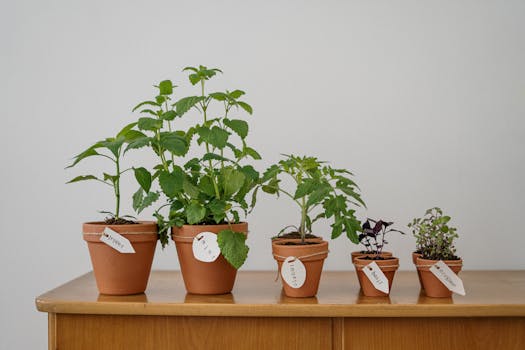
Digital 3-in-1 Soil Moisture & pH Meter
Accurate probe to test deep root zone moisture and prevent accidental overwatering.
Why Drip Irrigation Beats a Sprinkler Every Time
Traditional sprinklers blast water into the air. Wind carries it onto your driveway. A significant portion evaporates before it ever touches the soil. Drip irrigation works differently. It releases water slowly at the soil line, directly over the root zone. This method uses up to 50% less water than conventional sprinkler systems. It also keeps foliage dry, which dramatically reduces the risk of fungal diseases like powdery mildew and leaf spot. The precision means you water your plants, not your weeds.
Amazon US Verified
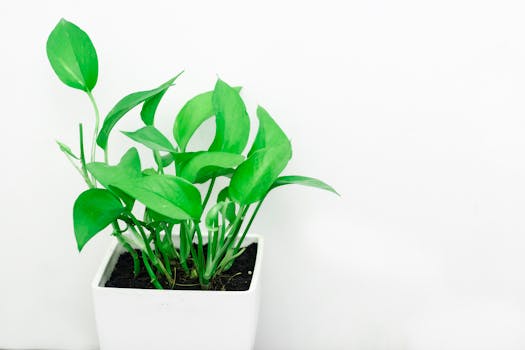
Organic Perlite Horticultural Soil Conditioner
Lightweight volcanic mineral that improves root aeration and prevents compaction.
For gardeners in areas with water restrictions, this efficiency is a game-changer. You get shorter, more effective watering sessions. The water seeps deep into the ground, encouraging roots to grow downward. This makes plants more resilient during hot spells. A well-planned drip irrigation installation transforms a tedious chore into a set-it-and-forget-it system.
What You Need for a Basic Drip Irrigation Installation
Gathering the right parts before you start makes the process smooth. Most hardware stores sell complete kits that include the essential components. A good kit costs around $55. You will need a hose timer separately if you want automated watering, which adds roughly $20 to the total. Here is what you will need for a standard setup on an outdoor spigot.
- Hose Timer: This automates your watering schedule. You can find simple mechanical timers or smart timers that connect to your phone.
- Backflow Preventer: This critical device stops water from your garden hose from flowing backward into your home’s drinking water supply.
- Filter: Drip emitters have tiny openings. A filter catches sediment and debris that would otherwise clog the system.
- Pressure Regulator: Household water pressure is typically 40 to 60 PSI. Drip systems operate best at 20 to 30 PSI. A regulator prevents blowouts and ensures even water distribution.
- Drip Adapter: This connects your standard hose thread to the polyethylene tubing used in the system.
- Mainline Tubing: Usually 1/2-inch or 5/8-inch black polyethylene hose. This carries water from the spigot to your garden beds.
- Distribution Tubing: This is the smaller 1/4-inch tubing that runs from the mainline to individual plants.
- Emitters: These release water at a slow, steady rate. They come in different flow rates, such as 1/2 gallon per hour (GPH) or 1 GPH.
- Stakes and Connectors: These secure the tubing and emitters in place.
- End Caps: These seal the ends of your tubing lines.
7 Simple Steps for Your Drip Irrigation Installation
Once you have your materials, the actual installation is surprisingly straightforward. Follow these seven steps, and you will have a working system in a single afternoon.
Step 1: Measure and Map Your Garden Beds
Start with a simple sketch of your yard. Measure the length and width of each flower bed, vegetable row, or shrub border. Note the location of every plant you want to water. Group plants with similar water needs together. For example, tomatoes and peppers require more water than lavender or succulents. This map helps you determine how much mainline tubing you need and where to place the emitters. Accurate measurements prevent you from buying too much or too little material.
Step 2: Assemble the Spigot Connection
This assembly is the command center of your system. Attach the hose timer directly to the outdoor faucet. Screw the backflow preventer onto the timer. Next, attach the filter, followed by the pressure regulator. Finally, connect the drip adapter. This sequence is important. The timer controls the flow. The backflow preventer protects your water supply. The filter removes debris before it enters the sensitive components. The regulator brings the pressure down to a safe level for the drip tubing. Tighten all connections by hand until they are snug. Do not overtighten.
Step 3: Lay Out the Mainline Tubing
Run the 1/2-inch polyethylene tubing from the spigot assembly through your garden beds. Lay it along the path you mapped out earlier. Let the tubing sit in the sun for a few minutes before you position it. Warmth makes the plastic more flexible and easier to maneuver around corners. Use landscape staples to pin the tubing down loosely. Leave a little slack in the line. Tubing expands and contracts with temperature changes. If you stretch it too tight, it can pull away from connectors on a hot day.
Step 4: Install the Emitters and Distribution Lines
This is where the customization happens. Use the hole punch tool that comes with your kit to create a small hole in the mainline tubing at each plant location. Insert a barbed connector into the hole. Attach a length of 1/4-inch distribution tubing to the connector. Run this smaller tube to the base of the plant. Attach the emitter to the end of the distribution tube and push it into the soil near the root ball. For larger shrubs or trees, create a loop of distribution tubing around the plant and install several emitters in a circle. For dense ground cover or vegetable rows, you can use soaker dripline instead of individual emitters.
Step 5: Stake and Secure Everything
Use plastic or metal stakes to hold the 1/4-inch tubing and emitters in place. This keeps the water directed exactly at the root zone. It also prevents the tubing from shifting when you weed, mulch, or walk through the garden. A misplaced emitter waters the pathway instead of your plant. Secure the mainline tubing with landscape staples every few feet. A tidy system is easier to maintain and less likely to be damaged by foot traffic or garden tools.
You may also enjoy reading: 7 Crucial Differences: Rigid Foam vs Fiberglass Insulation.
Step 6: Flush the System Before Capping
This step is easy to overlook, but it saves a lot of frustration. Before you install the end caps on your mainline tubing, turn on the water. Let it run for a minute or two. This flushes out any dirt, plastic shavings, or debris that got into the tubing during assembly. You will see the water run cloudy at first, then clear. Once the water runs clear, turn off the water and install the end caps. You can also fold the end of the tubing over and secure it with a compression fitting. Flushing prevents debris from clogging your emitters later.
Step 7: Set the Timer and Test the System
Program your hose timer to water in the early morning. This minimizes water loss from evaporation. Set it to run for about 15 minutes initially. Turn the system on and walk through your garden. Check each emitter to make sure it is dripping properly. Look for leaks at every connection point. After the cycle finishes, dig down a few inches near a plant to check the moisture depth. You want the water to penetrate 6 to 8 inches deep. If the soil is only wet on the surface, increase the run time. If water is running off, decrease the run time or use emitters with a lower flow rate.
Common Pitfalls in Drip Irrigation Installation
A few mistakes can turn a smooth drip irrigation installation into a frustrating experience. Knowing them beforehand helps you avoid them. One of the most frequent errors is using too many emitters on a single line. Every emitter has a specific flow rate. Add the GPH of all emitters on one line. If the total exceeds the capacity of your pressure regulator or tubing, the emitters at the far end of the line will not get enough water. You will see weak drips or nothing at all.
Another common issue is burying the emitters completely under mulch or soil. While the mainline tubing can be buried, the emitters should remain visible on the surface. This allows you to see if they are clogged or damaged. If an emitter gets buried, you might not notice a problem until the plant starts to wilt. Keep the emitter heads exposed so you can monitor their performance. Also, avoid mixing different brands of fittings without checking compatibility. Stick with one brand for your connectors and tubing to ensure a tight seal.
Maintaining Your Drip System Over Time
A drip system requires very little maintenance, but a few seasonal checks keep it running efficiently. At the start of each growing season, flush the lines again by removing the end caps and running the water for a minute. Inspect the filter and clean it if necessary. Check the emitters for clogs. If an emitter is clogged, you can usually clean it by removing it and soaking it in vinegar overnight. Before winter, drain the system completely. Disconnect the timer and store it indoors. Blow out the lines with a compressor or lift the tubing to let gravity drain the water. Proper winterization prevents freeze damage and extends the life of your components.
Seeing your garden thrive with less effort and a noticeably lower water bill makes the small upfront investment worthwhile. Drip irrigation takes the guesswork out of watering. Once you have it set up, you can spend less time wrestling with hoses and more time actually enjoying your outdoor space.
As an Amazon Associate, azuloz.com earns from qualifying purchases.