The Appeal of Adding Vegetables to Macaroni and Cheese
Few dishes deliver the same level of comfort as a warm, bubbly casserole of macaroni and cheese. The creamy sauce, the tender pasta, and the golden topping create a combination that satisfies both young and old. Yet many home cooks struggle to fit enough vegetables into their family meals. A standard mac and cheese offers plenty of cheese but almost no nutrition beyond the pasta itself. By blending vegetables directly into the dish, you can retain all the creamy richness while boosting the meal’s nutritional value. This approach helps parents sneak in extra servings of produce without hearing complaints at the dinner table.
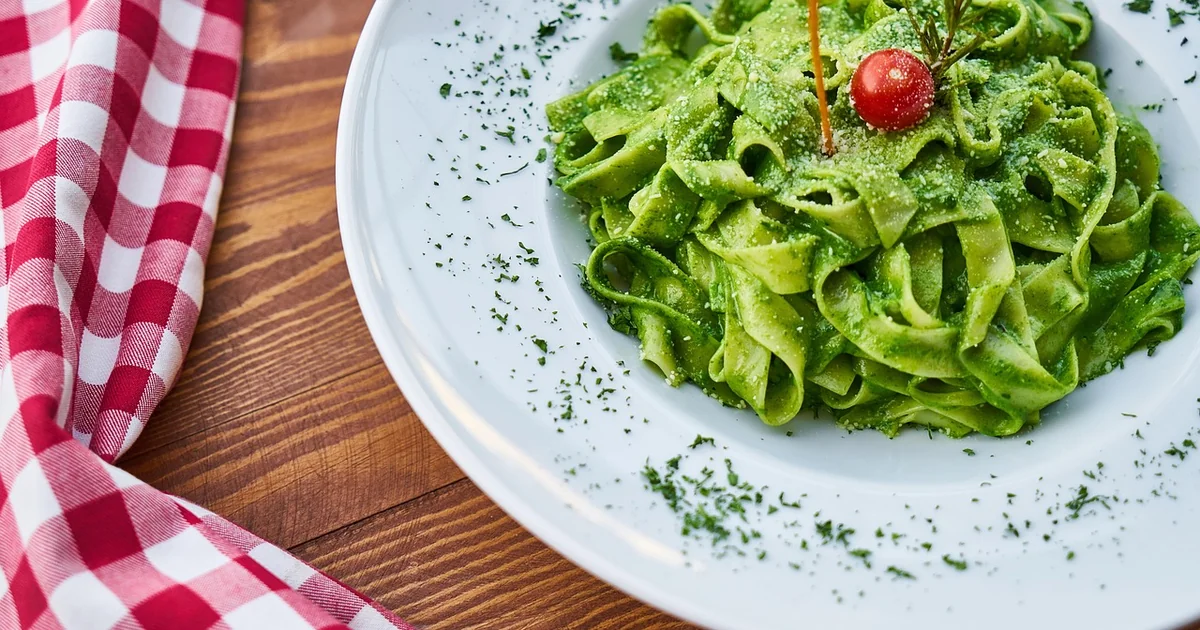
The idea of adding vegetables to mac and cheese is not new, but the technique matters. Some methods puree the veggies into the sauce so they disappear completely. Others leave them in small, tender pieces for texture and visual appeal. Both strategies work, depending on the eaters you are serving. The key is balancing the cheese flavor so it remains dominant while the vegetables play a supporting role. When done well, veggie mac and cheese becomes a staple that everyone looks forward to, not a compromise they tolerate.
Below you will find five distinct variations of veggie mac and cheese. Each recipe takes a different approach to incorporating vegetables. Some rely on a pureed base for a silky sauce. Others layer in roasted or sauteed vegetables for extra bite. All of them deliver the comforting, cheesy experience that makes mac and cheese a beloved classic.
This version stays closest to the familiar baked mac and cheese that many people grew up eating. The twist comes from finely chopped carrots, green beans, and broccoli folded into the pasta and sauce. The vegetables are small enough that picky eaters barely notice them, yet they add color, fiber, and vitamins to every serving.
Why This Recipe Works for Families
The vegetables cook briefly before being mixed into the casserole, so they soften without losing their shape entirely. Carrots contribute a subtle sweetness that complements the sharpness of the cheese. Green beans add a mild grassy note, and broccoli brings a slight earthiness. Together they create a balanced flavor profile that does not overwhelm the main event: the cheese sauce.
Using whole grain elbow pasta adds another layer of nutrition. Whole grain pasta contains more fiber and protein than refined white pasta. It also holds up well to baking, maintaining a firm texture even after the casserole spends time in the oven. If whole grain pasta is not available, regular elbow macaroni works perfectly fine. Just reduce the baking time by a few minutes to prevent the pasta from becoming mushy.
The Lighter Sauce That Still Feels Indulgent
Many home cooks worry that a lighter cheese sauce will taste thin or watery. This recipe solves that problem by using reduced-fat cream cheese as a thickener. The cream cheese melts into the fat-free milk and reduced-fat Mexican cheese blend, creating a sauce that coats each piece of pasta evenly. The texture remains creamy and luxurious, even though the overall fat content is lower than a traditional mac and cheese made with heavy cream and full-fat cheddar.
The reduced-fat Mexican cheese blend melts smoothly and provides a mild, slightly tangy flavor. If you prefer a sharper taste, you can substitute half of the Mexican cheese with shredded sharp cheddar. Gruyere also works well, adding a nutty complexity that pairs nicely with the vegetables. For an extra-indulgent version, swap the reduced-fat ingredients for their full-fat counterparts. The sauce becomes richer and thicker, which some diners may prefer on special occasions.
Building a Crispy Topping
The panko breadcrumb topping gives this casserole its signature crunch. Panko crumbs are larger and flakier than standard breadcrumbs, so they stay crisp even after baking. Mixing a tablespoon of melted butter or olive oil with the panko helps them brown evenly. For an extra layer of flavor, stir in a quarter cup of grated Parmesan cheese before sprinkling the crumbs over the casserole. The Parmesan adds a salty, savory note that contrasts beautifully with the creamy sauce beneath.
If panko is not available, regular breadcrumbs work as a substitute. They will produce a finer, more compact crust, but the flavor will still be satisfying. You can also skip the topping entirely and serve the mac and cheese straight from the stovetop for a faster weeknight meal.
Customization Ideas for This Base Recipe
Once you have made this version a few times, you may want to experiment. Here are some easy adjustments:
- Cheese swaps: Replace the Mexican cheese blend with sharp cheddar, Gruyere, or a mix of both for a bolder flavor.
- Extra vegetables: Fold in roasted red peppers, sauteed mushrooms, or corn kernels for additional sweetness and texture.
- Protein additions: Stir in shredded rotisserie chicken, crumbled bacon, cooked Italian sausage, or cubed tofu to turn the dish into a complete one-pan meal.
- Seasonings: Add garlic powder, onion powder, or a pinch of cayenne pepper to the sauce for a subtle kick.
- Herbs: Stir in a handful of chopped fresh parsley just before serving for a bright, herbaceous finish.
- Pasta shapes: Use rotini, penne, shells, or fusilli instead of elbows. The nooks and crannies in these shapes catch extra sauce, making every bite more flavorful.
2. Roasted Red Pepper and Spinach Mac and Cheese
This variation takes a different approach by pureeing roasted red peppers into the cheese sauce. The result is a sauce with a beautiful orange-red hue and a subtly sweet, smoky flavor. Fresh spinach wilts into the hot pasta just before serving, adding iron and a tender green element.
How Roasted Peppers Transform the Sauce
Roasting red bell peppers concentrates their natural sugars and gives them a soft, almost jammy texture. When you puree them with the milk and cheese, they break down completely, leaving no visible pieces. This makes the sauce ideal for diners who object to seeing vegetables in their food. The pepper flavor melds with the cheese instead of competing with it, so the dish still tastes unmistakably like mac and cheese.
To roast peppers at home, place them under a broiler or directly over a gas flame until the skin blackens and blisters. Let them steam in a covered bowl for ten minutes, then peel off the skin, remove the seeds, and chop the flesh. Jarred roasted peppers work just as well and save time. Drain them well before pureeing to avoid adding excess liquid to the sauce.
Adding Spinach Without Making It Soggy
Spinach wilts in seconds when it contacts hot food. The key is to add it at the very end, after the pasta and sauce have already been combined. Stir the fresh spinach leaves into the hot mixture and let the residual heat soften them. This method preserves their bright green color and prevents them from releasing too much water into the dish.
If you are feeding a crowd, you can double the spinach without affecting the flavor much. The leaves shrink dramatically as they wilt, so a large pile reduces to a modest volume. For picky eaters, chop the spinach finely before stirring it in. The small pieces distribute evenly and become nearly invisible among the pasta and sauce.
Choosing the Right Cheese for This Combination
A mild, creamy cheese works best with roasted red peppers. Monterey Jack or a young Gouda both melt beautifully and allow the pepper flavor to shine. If you want a sharper note, mix in a small amount of aged cheddar. Avoid using strongly flavored blue cheeses or very sharp aged cheeses, as they can overpower the delicate sweetness of the peppers.
For the sauce base, whole milk or a combination of milk and half-and-half creates a luscious texture. The roasted pepper puree already adds body, so you do not need a heavy cream to achieve a thick consistency. A tablespoon of flour whisked into the milk before heating helps stabilize the sauce and prevents it from separating during baking.
3. Butternut Squash and Sage Mac and Cheese
This recipe swaps the traditional cheese-heavy sauce for a velvety butternut squash puree blended with a modest amount of cheese. The squash provides natural sweetness and a creamy texture that mimics a traditional béchamel. Fresh sage adds an earthy, aromatic note that complements the squash perfectly.
The Science Behind Squash as a Sauce Base
Butternut squash contains a high percentage of starch and natural sugars. When cooked and pureed, it becomes thick and smooth, almost like a custard. Blending it with a small amount of milk or broth thins it to a sauce-like consistency. The starch in the squash also helps emulsify the cheese, preventing the sauce from turning grainy.
To prepare the squash, peel it, remove the seeds, and cut the flesh into one-inch cubes. Roast the cubes at 400 degrees Fahrenheit for about 25 minutes, or until fork-tender. Roasting concentrates the flavor and drives off excess moisture. You can also steam or boil the cubes, but roasting yields a richer taste. Once the squash is soft, puree it in a blender or food processor until completely smooth.
Balancing the Cheese and Squash Ratio
The goal is a sauce that tastes cheesy but not heavy. A ratio of one part cheese to two parts squash puree works well. For a standard batch serving four to six people, use about two cups of squash puree and one cup of shredded sharp white cheddar. Stir the cheese into the warm puree until it melts, then season with salt, pepper, and a pinch of nutmeg.
Fresh sage leaves are essential for this variation. Fry a few leaves in a small amount of butter until they crisp, then crumble them over the finished dish as a garnish. You can also chop a tablespoon of fresh sage and stir it into the sauce before combining with the pasta. Dried sage works in a pinch, but the flavor will be less vibrant.
Why This Version Appeals to Health-Conscious Cooks
Butternut squash mac and cheese contains significantly less saturated fat than a traditional recipe. The squash provides beta-carotene, vitamin C, and fiber while reducing the amount of cheese needed. For families trying to cut back on dairy without giving up comfort food, this recipe offers a satisfying middle ground. It also happens to be naturally gluten-free if you use a gluten-free pasta.
The squash-based sauce freezes well, making it a good candidate for meal prep. Make a double batch of the puree and freeze it in portion-sized containers. When you want mac and cheese on a busy night, thaw the puree, reheat it, stir in the cheese, and toss with freshly cooked pasta.
4. Broccoli and Mushroom Alfredo-Style Mac and Cheese
This recipe takes inspiration from fettuccine Alfredo but uses macaroni or shells instead of long noodles. Sliced mushrooms and broccoli florets are sauteed before being folded into a garlicky cream sauce. The result is a hearty, earthy version of veggie mac and cheese that feels more like a restaurant dish than a weeknight staple.
Building Flavor Through Browning
Mushrooms release moisture as they cook. If you crowd them in the pan, they steam instead of brown. For the best texture, cook them in a single layer over medium-high heat and let them sit undisturbed for several minutes before stirring. This allows the moisture to evaporate and the mushrooms to develop a deep, golden-brown crust.
You may also enjoy reading: 7 Simple Steps to Plant & Grow Lima Beans.
Broccoli requires a slightly different treatment. Cut the florets into small, bite-sized pieces. Steam or blanch them briefly before adding them to the dish, or saute them directly in the same pan after the mushrooms are done. A quick saute over high heat preserves the broccoli’s bright green color and keeps it from turning mushy.
The Alfredo-Style Sauce
Instead of a traditional roux-based sauce, this version uses a combination of cream cheese, milk, and Parmesan to create a rich, velvety coating. Start by sauteing minced garlic in butter until fragrant, then whisk in a few ounces of cream cheese until it softens. Slowly pour in whole milk while stirring, then add shredded Parmesan. The sauce thickens as it heats, coating the back of a spoon.
This sauce is lighter than a classic Alfredo but still feels decadent. The cream cheese provides body without requiring heavy cream. If you want an even silkier texture, substitute half-and-half for the milk. The sauce will be slightly richer, but the mushrooms and broccoli keep the overall dish from feeling too heavy.
Topping Options for Extra Crunch
A crispy topping adds contrast to the creamy sauce and tender vegetables. For this variation, try a mixture of panko breadcrumbs, melted butter, and a tablespoon of grated Parmesan. Sprinkle the mixture over the assembled casserole and bake until golden brown. If you prefer a nutty flavor, substitute almond flour or crushed pecans for half of the breadcrumbs.
For a gluten-free option, use crushed pork rinds or gluten-free breadcrumbs as the topping. Both options crisp up nicely and add a savory note that complements the mushrooms.
5. Sweet Potato and Corn Mac and Cheese with Smoked Paprika
This final recipe leans into sweet and smoky flavors. Sweet potato cubes roast until caramelized, then mix with sweet corn kernels and a cheese sauce spiced with smoked paprika. The combination is unexpected but deeply satisfying. The sweetness of the potato and corn balances the smokiness of the paprika, while the cheese binds everything together.
Preparing the Sweet Potatoes for the Best Texture
Cut the sweet potatoes into half-inch cubes so they cook quickly and fit neatly between the pieces of pasta. Toss them with a little olive oil and salt, then roast at 425 degrees Fahrenheit for about 20 minutes. The edges should be slightly browned and the centers tender. Roasting rather than boiling keeps the cubes firm enough to hold their shape when stirred into the mac and cheese.
Frozen corn kernels work well here because they are sweet and convenient. Thaw them before adding to the dish, or add them frozen and let the residual heat from the sauce warm them through. If you use fresh corn, cut the kernels from the cob and saute them briefly in a dry skillet to bring out their natural sugars.
Smoked Paprika as a Flavor Anchor
Smoked paprika gives this dish a distinctive character. It adds warmth and a subtle smokiness that echoes the roasted sweet potatoes. Start with one teaspoon and adjust upward based on your preference. Sweet paprika cannot substitute effectively for smoked paprika; the flavors are quite different. If you do not have smoked paprika, a pinch of chipotle powder mixed with regular paprika can approximate the effect.
The cheese sauce for this version should be mild and creamy. A combination of Monterey Jack and mild cheddar allows the sweet potato and paprika flavors to shine. Avoid using a very sharp cheese, as it will compete with the other ingredients rather than supporting them.
Serving Suggestions for a Complete Meal
This mac and cheese is substantial enough to serve as a main dish, especially if you add a protein. Shredded rotisserie chicken or crumbled cooked sausage both pair well with the sweet and smoky profile. For a vegetarian version, add a can of drained black beans or some crumbled tofu seasoned with smoked paprika.
A simple green salad with a lemon vinaigrette provides a fresh counterpoint to the richness of the casserole. The acidity of the dressing cuts through the cheese and brightens the sweet potato flavor. Roasted asparagus or sauteed kale also work as side dishes, reinforcing the vegetable-forward theme.
Frequently Asked Questions About Veggie Mac and Cheese
Can I use frozen vegetables instead of fresh?
Frozen vegetables work very well in mac and cheese. They are already blanched, so they require less cooking time. Add them directly to the sauce without thawing, and extend the baking time by about five minutes if needed. Frozen broccoli, peas, and spinach are particularly good options.
How do I prevent the sauce from becoming grainy?
A grainy sauce usually results from overheating or using pre-shredded cheese that contains anti-caking agents. Shred your cheese from a block whenever possible. Heat the sauce gently and avoid boiling it once the cheese has been added. Low, steady heat keeps the emulsion stable.
What pasta shapes work best for holding the sauce and vegetables?
Shapes with ridges, curves, or hollow centers capture more sauce and vegetable pieces. Rotini, shells, fusilli, cavatappi, and penne are all excellent choices. Long, straight shapes like spaghetti or linguine allow the sauce to slide off more easily, so they are less ideal for this type of dish.
Can I make veggie mac and cheese ahead of time?
Yes. Assemble the casserole completely, but do not bake it. Cover and refrigerate for up to 24 hours. When you are ready to serve, bake it straight from the refrigerator, adding about ten extra minutes to the baking time. You can also freeze the unbaked casserole for up to three months. Thaw overnight in the refrigerator before baking.
Is it possible to make this dish dairy-free or vegan?
Absolutely. Use a dairy-free milk such as unsweetened oat or almond milk. Substitute a vegan cream cheese and a shredded vegan cheese blend. Nutritional yeast adds a cheesy flavor without any dairy. The butternut squash version is especially easy to adapt because the squash provides much of the creaminess naturally.
Adding vegetables to mac and cheese opens up countless possibilities for flavor and nutrition. Each of the five recipes above offers a different way to enjoy this classic comfort dish while incorporating more produce into your meals. Whether you prefer the hidden-veggie approach of the first recipe or the bold roasted flavors of the last one, you will find a version that suits your family’s tastes. Experiment with the customization ideas, swap in seasonal vegetables, and make each batch your own. Veggie mac and cheese is not a compromise. It is an upgrade.