Creating a Family Room That’s Both Stylish and Seriously Practical
Designing a home that caters to the entire family can feel like walking a tightrope – balancing individual style with the undeniable need for functionality and durability. The family room, often dubbed the “living room,” is frequently the heart of the home, a central hub for entertainment, relaxation, and connection. It’s where movie nights unfold, board games are strategized, and conversations flow. But how do you achieve a family room design that doesn’t sacrifice aesthetic appeal for practicality, or vice versa? It’s a common dilemma, and one we’re here to tackle. We’ll explore six essential tips for decorating your family room so that style truly does meet practicability, creating a space that’s inviting, comfortable, and perfectly suited to the needs of everyone in the household. Let’s dive in.
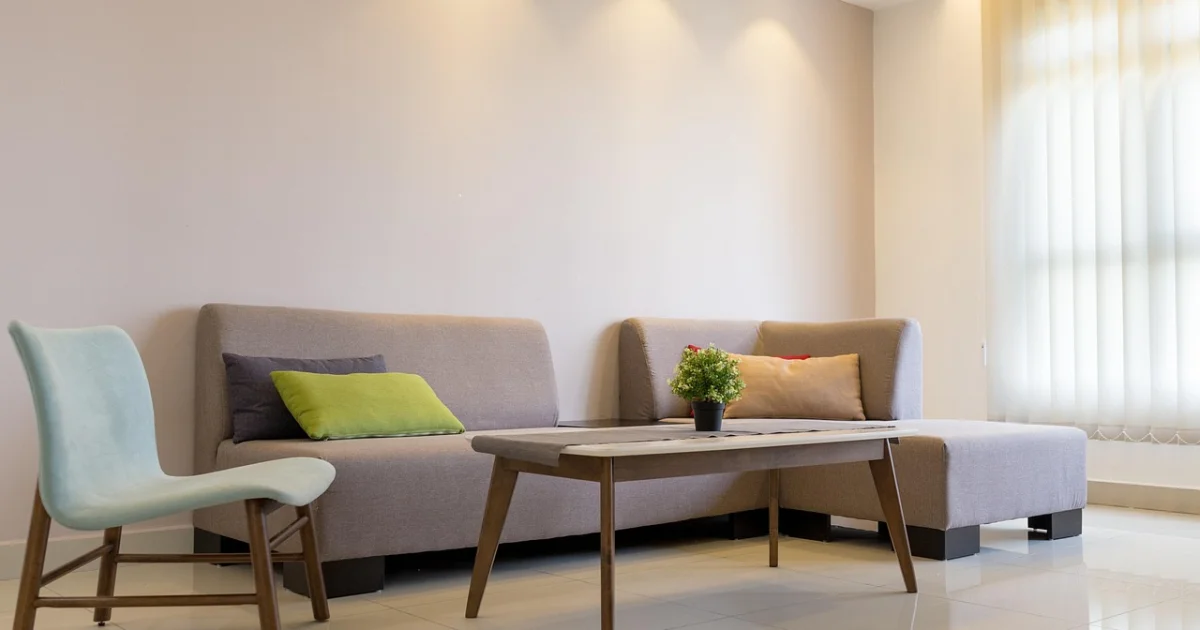
1. Prioritize Durable Fabrics and Furniture – It’s a Battleground
Let’s be honest: family rooms are subject to a lot of wear and tear. Sticky fingers, spilled juice, muddy shoes tracked in after outdoor adventures – it’s a constant barrage. Choosing materials that can withstand this onslaught is paramount. Opting for durable fabrics like microfiber, canvas, or even tightly woven cotton blends is a smart investment. Leather, while undeniably luxurious, can be a nightmare to maintain in a high-traffic, kid-friendly zone. When it comes to furniture, consider solid wood frames and reinforced construction. Avoid delicate frames that are prone to damage. Think about the depth of the sofa cushions – a deeper seat provides more comfortable support for lounging, and often offers more hiding space for dropped toys or blankets. A study by the American Home Furnishings Alliance found that families spend an average of 12 hours per week in their living rooms, highlighting the importance of investing in furniture that can endure this level of use. Furthermore, remember that ‘durable’ doesn’t have to mean ‘drab.’ There are beautiful, stain-resistant fabrics available in a range of colors and patterns that can add personality to your space. Consider a performance fabric – these are specifically engineered to resist stains, fading, and wrinkles. You might even want to look into furniture with removable, washable covers for ultimate ease of cleaning. Don’t underestimate the power of a good protector spray – a quick application can significantly reduce the impact of spills and accidents.
2. Smart Seating Arrangements: Meeting Family Needs Without Sacrificing Style
How will you position your furniture so that it can easily meet your family’s needs without feeling like your taste has to suffer? This is a critical question. Traditional layouts often place the sofa facing the television, but this isn’t always the most practical solution for a family. Consider creating zones within the room – a reading nook, a play area, a conversation area. Modular seating, like sectional sofas with reversible chaise lounges, offers incredible flexibility. You can easily configure them to accommodate a larger group for movie nights or arrange them into smaller groupings for individual reading or playtime. Ottomans with built-in storage are a genius addition – they provide extra seating and a place to stash blankets, toys, or games. Think about incorporating a coffee table with drawers or shelves to keep clutter at bay. A lift-top coffee table can even double as a temporary workspace. Also, consider the height of the furniture. Lower sofas and chairs are generally more accessible for younger children, while taller pieces can create a more sophisticated look. The key is to create a layout that’s both comfortable and functional for everyone, regardless of age or activity.
3. Lighting Layers: More Than Just a Ceiling Fixture
Lighting is actually one of the most important things to consider when renovating a room. It’s not just about illuminating the space; it’s about creating ambiance and setting the mood. Relying solely on a single overhead light is a recipe for disaster – it can be harsh, unflattering, and create glare. Instead, layer your lighting with a combination of ambient, task, and accent lighting. Ambient lighting provides overall illumination, while task lighting focuses on specific activities, such as reading or homework. Accent lighting highlights architectural features or decorative elements. Floor lamps and table lamps allow you to direct light where you need it most. Dimmers are essential – they give you the flexibility to adjust the brightness and create different moods. Consider incorporating smart lighting systems that can be controlled with your smartphone or voice assistant. Warm-toned light bulbs are generally more inviting and relaxing than cool-toned bulbs. And don’t forget about natural light – maximize it by using sheer curtains or blinds that allow light to filter through while still providing privacy. Adding a strategically placed reading nook with a floor lamp can transform a corner into a cozy retreat.
4. Color Psychology and Family Harmony: A Splash of Personality
Choosing a paint job will create the biggest difference in your living room. The paint color that you will choose should match well with the color and theme of your room. Take a look at your sofa set and determine which color scheme will work well with it. You may even want to try painting an accent wall to add color! When it comes to color, consider the psychology of color. Blues and greens are often associated with calmness and relaxation, making them ideal for a family room. Yellows and oranges can create a cheerful and energetic atmosphere. Neutrals like gray and beige provide a versatile backdrop that can be easily accessorized. However, don’t be afraid to incorporate pops of color – a bright rug, throw pillows, or artwork can add personality and visual interest. It’s crucial to get input from the entire family when choosing a color scheme. Consider a survey or poll to gauge everyone’s preferences. Creating a collaborative process will ensure that everyone feels a sense of ownership and pride in the space. And remember, it’s okay to experiment – you can always repaint if you change your mind.
You may also enjoy reading: 5 Show-Stopping Summer Bulbs That Can Survive Your Neglect.
5. Storage Solutions: Taming the Toy Tornado
Regardless of the reason for renovation, budget should be considered. A cluttered family room can quickly become a source of stress and frustration. Implementing smart storage solutions is essential for maintaining a sense of order and calm. Built-in shelving units are a great investment, providing ample storage for books, toys, and games. Baskets and bins are perfect for corralling smaller items. Ottomans with hidden storage are a lifesaver. Consider utilizing vertical space – wall-mounted shelves and cabinets can maximize storage without taking up floor space. A media console with drawers and cabinets is a must-have for storing electronics and accessories. Think about creating a designated play area with storage for toys – this will help keep the rest of the room tidy. Rotating toys regularly can also help reduce clutter. Don’t underestimate the power of a good organizing system – label bins and shelves to make it easy to find what you’re looking for. A well-organized family room is a happy family room.
6. Rugs: Defining Zones and Adding Comfort
Choosing a new set of curtains can definitely change the whole look of your family room. If you used to have an all-white room, adding a splash of color by using drapes and curtains can make a big difference. You can choose from bright colors, dark colors and shades of black and gray. Choose a curtain depending on the theme of the room. A beautiful curtain bar and drapes can really dress up a room! A rug can anchor the furniture and define a specific area within the room. A large area rug can create a cozy and inviting space for lounging. Smaller rugs can be used to delineate zones, such as a play area or a reading nook. Consider the pile height of the rug – a low-pile rug is easier to clean than a high-pile rug. Choose a rug that’s durable and stain-resistant, especially if you have young children or pets. Don’t be afraid to layer rugs – layering a smaller rug over a larger rug can add visual interest and warmth. And remember to consider the colors and patterns of the rug – they should complement the overall color scheme of the room. A family room inspiration: The Demi Room by La-Z-Boy offers a beautiful example of how to blend comfort and style, demonstrating that family room design doesn’t have to compromise on aesthetics.
Ultimately, creating a family room that’s both stylish and practical is about finding the right balance between comfort, functionality, and personal expression. By prioritizing durable materials, implementing smart storage solutions, and layering lighting, you can transform your family room into a space that’s truly inviting and enjoyable for everyone. Remember that it’s not about achieving perfection, but about creating a space that reflects your family’s unique personality and meets your everyday needs.