You already know the scene: your cat sits at the window, tail flicking, eyes fixed on a bird or a drifting leaf. That longing gaze is familiar to millions of pet owners. The solution many families are turning to is a catio — an enclosed outdoor space that lets felines enjoy fresh air, sunshine, and stimulation without the dangers of roaming free. The global catio market, valued at roughly $425 million in 2024, is projected to more than double by 2033, according to industry estimates. That growth reflects a shift in how it’s worth noting about indoor cat care. But simply adding a catio is just the start. The real magic happens when you upgrade that space with features that match your cat’s instincts and your home’s style. Below are seven specific catio upgrades for cats that can transform a basic enclosure into a feline paradise.
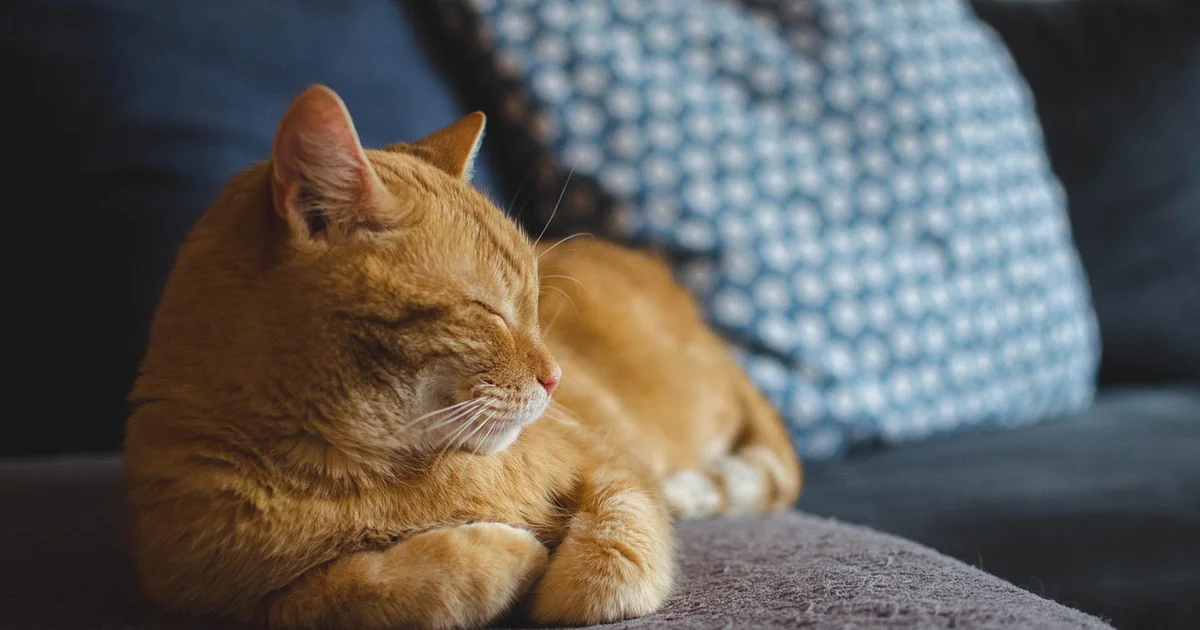
1. Multi-Level Shelving and Elevated Perches
Most cats love height. In the wild, elevated spots offer safety and a clear view of prey or threats. A flat, single-level catio misses this natural preference entirely. Adding shelves, ramps, and perches at different heights gives your cat the chance to climb, survey, and feel secure.
Consider using rot-resistant wood for the shelves, and cover them with outdoor-grade carpet or sisal fabric for traction. Space the shelves so your cat can leap from one to the next — about 12 to 18 inches apart works well for most adult cats. You can install a corner perch near the highest point so your cat has a designated lookout spot. This kind of vertical expansion is one of the simplest catio upgrades for cats who love to climb.
If your cat is older or has mobility issues, include a gentle ramp with shallow steps rather than wide gaps between levels. That way every cat, regardless of age, can enjoy the view.
2. Interactive Play Stations and Puzzle Feeders
Stimulation is a key reason veterinarians recommend catios. Dr. Brittany Scott, a veterinarian, notes that playtime and enrichment help decrease stress in indoor cats. Adding interactive elements inside the catio takes that benefit further.
You can attach a wall-mounted puzzle board where your cat bats at sliding discs or lifts flaps to find treats. Another option is a hanging toy that dangles from the top of the enclosure — something with feathers or crinkle material that moves in the breeze. Rotate these toys every few days to keep novelty alive.
For cats who love to hunt, consider a food-dispensing ball or a snuffle mat placed inside the catio. These encourage natural foraging behavior and add mental challenge to mealtime. Including play stations is a practical catio upgrade for cats that need more than just fresh air.
3. Cozy Resting Nooks with Weather Protection
Not every moment in a catio needs to be active. Cats sleep an average of 12 to 16 hours per day, and they need a comfortable, sheltered spot to doze outdoors. A simple open bench may not be enough when the sun shifts or a light drizzle starts.
Build or install a small enclosed nook — essentially a miniature cat house within the catio. Use weather-resistant materials like cedar or treated plywood, and add a soft, washable cushion inside. Position the nook so it stays dry even during rain. In colder months, you can add a self-warming pad (designed for pets, with no electricity needed) to keep the space cozy.
This upgrade is especially valuable in regions with unpredictable weather. A protected resting area ensures your cat uses the catio year-round, not just on perfect afternoons.
4. Living Green Walls or Cat-Safe Plants
Bringing plant life into a catio does two things: it improves air quality and gives your cat something to sniff, rub against, and occasionally nibble. Many cats are drawn to grass and herbs, and providing safe options can reduce their interest in your houseplants.
Install a vertical planter on one wall of the catio and fill it with cat-safe species like catnip, cat grass, valerian, or spider plants. Avoid lilies, sago palm, or any plant toxic to cats — the ASPCA maintains a reliable list of safe and unsafe plants. You can also place a shallow tray of wheatgrass on the floor; many cats enjoy grazing on it.
This type of green upgrade adds texture and scent variety. It is a natural catio upgrade for cats who show interest in plants or who seem bored with plain surroundings.
5. Elevated Walkways and Tunnel Connections
If your catio attaches to a window or door, consider adding a clear tunnel or a mesh walkway that leads from the house to the main enclosure. This gives your cat a sense of journey before reaching the outdoor space. It also reduces the chance of escape, since the cat moves directly from the home into the tunnel without crossing open ground.
Some owners build a narrow shelf that runs along an exterior wall, enclosed with mesh, creating a “catwalk” that ends at a larger catio. Others use corrugated plastic or rigid mesh tubing that connects a second-story window to a ground-level enclosure. The key is secure fastening and smooth joints that won’t snag fur or paws.
Walkways and tunnels add a sense of adventure. They are especially useful for cats in apartments or homes where yard space is limited, making them a smart catio upgrade for cats who crave exploration.
6. Lighting and Ambiance Features
A catio that looks dull after sunset may go unused during evening hours. Adding subtle lighting extends usability and creates a pleasant atmosphere for both you and your cat. Solar-powered string lights are an easy, low-cost option. Place them along the top edge of the enclosure or weave them through shelves.
For a warmer glow, install a small battery-operated lantern in a corner that is out of your cat’s reach. Avoid candles or open flames. You can also use reflective elements, such as a small mirror or polished metal surface, to bounce natural light into shadier parts of the catio during the day.
You may also enjoy reading: 5 Pro Tips to Plant & Grow Japanese Snowbell.
Good lighting also helps you check on your cat after dark. This upgrade may seem decorative, but it has practical value for safety and comfort.
7. Scratch-Friendly Surfaces and Posts
Scratching is a natural, necessary behavior for cats. It marks territory, stretches muscles, and maintains claw health. A catio without scratching surfaces may lead your cat to scratch the mesh walls or wooden frame, which can cause damage over time.
Install a sturdy sisal-wrapped post or a flat scratching board inside the catio. Place it near the entrance or along a wall where your cat already likes to stretch. You can also attach replaceable cardboard scratchers to shelves or the floor. Some owners mount a vertical log or branch (from a pet-safe, untreated tree) for a more natural feel.
Providing dedicated scratching surfaces protects your catio structure and satisfies your cat’s instincts. This is a practical catio upgrade for cats who are heavy scratchers or who have damaged furniture indoors.
Materials and Safety Considerations
When building or upgrading a catio, material choice matters. Galvanized wire is common, but make sure the openings are small enough that your cat cannot stick a paw through or get a claw caught. Polycarbonate mesh panels offer visibility and durability. Wood should be rot-resistant, like cedar or pressure-treated pine, and finished with pet-safe stain or paint.
Avoid treated lumber that contains copper or other heavy metals if your cat chews on surfaces. Check all fasteners and edges for sharp points. Inspect the catio regularly for wear, especially after storms.
These precautions keep the space safe while you focus on enrichment.
Frequently Asked Questions About Catio Upgrades
How much does it cost to upgrade a catio with shelves and perches?
Adding shelves and perches can cost between $30 and $150, depending on materials and whether you build them yourself or buy pre-made kits. A single wooden shelf with carpet covering may run about $15 in materials.
Can I add catio upgrades to a rented home or apartment?
Yes. Many upgrades are non-permanent. Freestanding catio units, removable window boxes, and tension-mounted shelves do not require drilling into walls or altering the structure. Check your lease for any restrictions on exterior modifications.
What plants are safe to put inside a catio?
Safe options include catnip, cat grass (wheatgrass), valerian, spider plants, and Boston ferns. Always verify with a trusted source like the ASPCA poison control list before adding any plant your cat may nibble.
How do I clean and maintain catio upgrades?
Wash cushions and fabric covers monthly. Wipe down shelves and perches with a pet-safe cleaner. Replace sisal rope or cardboard scratchers when they show wear. Inspect mesh and fasteners every season for rust or loosening.
Will my cat use a catio if it has never been outdoors before?
Most cats adapt within a few days. Start with short visits, and place familiar items like a favorite blanket or toy inside. Supervise the first few sessions. Many indoor cats become enthusiastic about their catio once they discover the sights and smells.