Why Finding a New Pastime Matters More Than You Think
You meet someone new. The conversation flows. Then comes the question: “What do you like to do in your free time?” If your mind goes blank, you are not alone. Many adults struggle to name a single hobby beyond binge-watching shows or scrolling social media. According to a 2022 survey by the Bureau of Labor Statistics, the average American spends nearly five hours per day on leisure activities, yet over 60% of that time goes to screen-based entertainment. That leaves little room for hands-on, fulfilling pursuits that actually spark joy.
More people are choosing to spend less time on screens. They crave activities that ground them, challenge them, or connect them with others. Having a casual hobby can help in social situations, from first dates to networking events. It also benefits mental health by providing a creative outlet and a sense of accomplishment. So whether you are looking for fun things to do with friends or simply seeking ways to fill your evenings, this list of hobby ideas for adults offers something for every personality and budget.
The Joy of Hands-On Creation
1. Pizza Making
Oh, how I adore this activity! Grab a bag of pizza dough from your local grocery store — the herb and garlic dough from Trader Joe’s is a favorite. Roll it out, slap on your favorite toppings, and create your ideal pie. Once you get the hang of it, invest in tools like a pizza stone or a small oven attachment for your grill. The crispy crust you achieve will rival any delivery.
2. Calligraphy
Whether you want to elevate your stationery game or improve your note-taking, learning calligraphy adds a touch of elegance to everyday life. You can find free tutorials online, but be warned: quality pens can be pricey. Start with a basic set and practice letters until your handwriting transforms into art.
3. Cake Decorating
You reserve the right to make your art and eat it too. Cake decorating combines baking with sculpting. Begin with a simple buttercream and a piping bag. Follow online classes to learn rosettes, borders, and fondant shapes. The best part? You get to enjoy the finished product.
4. Candle Making
Candles can be expensive as hell. But not if you make them yourself! With wax, wicks, fragrance oils, and a heat source, you can craft custom scents for a fraction of store prices. Soy wax is beginner-friendly and burns cleanly. Experiment with lavender, vanilla, or even coffee scents to make your home smell exactly how you want it to.
5. Soap Making
Similar to candle making, soap crafting lets you control ingredients and scents. The melt-and-pour method requires no lye handling — just melt pre-made soap base, add color and fragrance, and pour into molds. It makes thoughtful gifts and reduces plastic waste.
6. Pottery and Clay Work
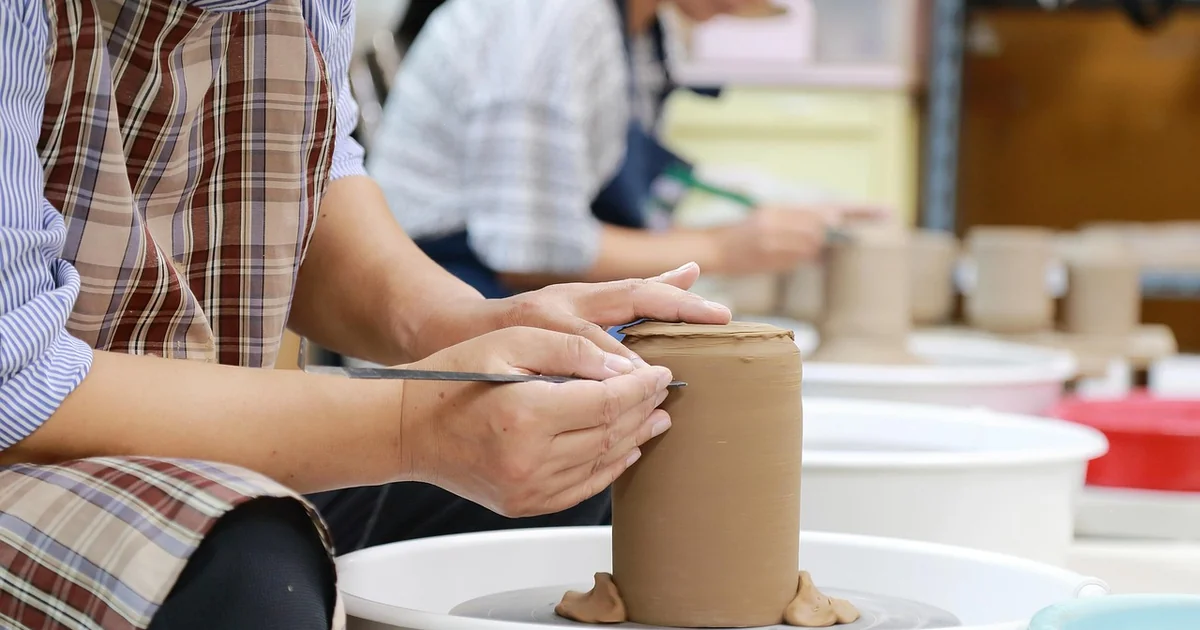
Working with clay is deeply grounding. You can join a local studio with a wheel or simply hand-build at home with air-dry clay. The tactile experience lowers stress and yields functional items like mugs, bowls, or decorative pieces.
7. Knitting or Crocheting
These fiber arts have seen a resurgence. They are portable, meditative, and produce warm scarves, blankets, or even stuffed animals. Start with a simple scarf pattern; online video tutorials make it easy to learn the basic stitches.
8. Embroidery
Embroidery allows you to embellish clothing or create framed art. Modern patterns range from floral to cheeky phrases. It requires minimal supplies — a hoop, needle, thread, and fabric — and can be done while watching a show.
9. Woodworking
If you have a bit of space, woodworking offers immense satisfaction. Begin with small projects like a birdhouse, cutting board, or shelf. Many community workshops offer classes with access to tools. The smell of sawdust and the pride of building something with your hands is unmatched.
10. Leather Crafting
Make your own wallet, belt, or keychain. Leather crafting involves cutting, stitching, and stamping designs. Starter kits are affordable and include pre-cut pieces. The results look professional and last for years.
Nature and Outdoor Pursuits
11. Gardening
This may sound overwhelming, but you can ease into it. Start with low-maintenance indoor houseplants like pothos or snake plants. If you have outdoor space, try herbs like basil and mint. Gardening is a great way to keep yourself busy and your space really cute. Studies show that tending plants reduces cortisol levels by up to 20% within 30 minutes.
12. Nature Photography
Seeing life through a lens can make you appreciate it even more. You don’t need a DSLR — an iPhone camera works beautifully. Head to a local park or botanical garden. Focus on light, texture, and composition. Sharing your shots on social media or printing them for your wall adds a creative outlet.
13. Birdwatching
Birdwatching is a peaceful way to connect with nature. Download an app like Merlin Bird ID to identify species by sound. Keep a journal of sightings. It’s free, can be done from your window, and offers endless learning opportunities.
14. Hiking or Trail Running
Explore local trails to improve fitness and mental clarity. The American Hiking Society reports that hiking for just 90 minutes can reduce negative thoughts and rumination. Start with easy loops and gradually increase difficulty.
15. Foraging for Wild Edibles
Learn to identify mushrooms, berries, and greens in your area. Foraging connects you to ancient human skills. Always go with an expert or use a reliable guidebook. It makes you an extra unique dinner party guest when you bring home wild garlic or chanterelles.
16. Stargazing and Astronomy
You don’t need a telescope to enjoy the night sky. Learn to identify constellations, planets, and meteor showers. Apps like SkyView help you navigate. It’s a humbling, awe-inspiring way to spend an evening.
17. Geocaching
Think of it as a real-world treasure hunt. Use GPS coordinates to find hidden containers (caches) placed by other enthusiasts. It combines hiking, puzzle-solving, and exploration. Over 3 million geocaches exist worldwide.
18. Fishing
Fishing teaches patience and provides a quiet escape. You can start with a simple rod and reel at a local pond. Catch-and-release is common. The meditative rhythm of casting and waiting lowers blood pressure.
Movement and Body Awareness
19. Self-Defense Classes
It’s a wild, wild world out there, and knowing how to take someone out at the knees isn’t a bad skill to have in your back pocket. Many programs offer free online classes, like the SEPS Women’s Self-Defense Program. You can also search for local dojos. Beyond safety, it builds confidence and physical fitness.
20. Yoga or Pilates
Both improve flexibility, strength, and mental focus. You can follow free YouTube videos at home. A 2020 study found that 12 weeks of yoga reduced anxiety symptoms by 50% in participants. Start with a 15-minute morning routine.
21. Dance (Salsa, Swing, or Hip-Hop)
Dancing is joyful cardio. Many studios offer beginner classes without a partner. You can also learn through online tutorials. It’s a great way to be chic and debrief with friends after a class.
22. Rock Climbing (Indoor or Outdoor)
Indoor climbing gyms have exploded in popularity. Climbing builds full-body strength and problem-solving skills. Bouldering (no ropes, low walls) is an easy entry point. The climbing community is famously supportive.
23. Martial Arts (Karate, Judo, Taekwondo)
Beyond self-defense, martial arts teach discipline and respect. Many dojos offer trial classes. It’s a structured way to stay active and earn belts as you progress.
You may also enjoy reading: Ramy Youssef Joins Cosmo’s Blind Date.
24. Roller Skating or Ice Skating
Roller skating has made a huge comeback. Rinks offer rental skates, or you can buy your own. It’s excellent for balance and leg strength. Outdoor skating on smooth paths adds a nostalgic feel.
Food and Drink Exploration
25. Learning to Cook (with a Workbook)
Don’t feel bad if you’re still navigating the kitchen — even Kendall Jenner has admitted to kitchen mishaps. Make learning fun by picking a cookbook and working through every recipe. Or try a different TikTok recipe each night. The process becomes a game.
26. Throwing Themed Dinner Parties
This is a great way to be chic and debrief with your loved ones. Choose a theme like 1997 Romeo and Juliet, Studio 54, or La Dolce Vita. Decorate, curate a menu, and invite friends to dress up. The planning is as fun as the event.
27. Make Your Own Milk Alternative
Is this a weird suggestion? Yes. But I promise this hobby will make you an extra unique dinner party guest. Instead of buying almond or oat milk, make it yourself. Soak nuts, blend with water, strain through a nut milk bag. Your lattes will thank you. You can even bottle it and gift to friends.
28. Pickling and Fermenting
Transform your produce into the perfect snack or garnish. With a fermentation kit or just Mason jars, vinegar, salt, sugar, and spices, you can pickle cucumbers, carrots, or onions. Fermented foods like kimchi and sauerkraut are rich in probiotics.
29. Home Brewing (Beer or Kombucha)
Brewing your own beer or kombucha is a science experiment you can drink. Starter kits are under $100. The process takes a few weeks but yields a sense of accomplishment. Share your brews with friends for honest feedback.
30. Coffee Roasting
Buy green coffee beans and roast them in a popcorn popper or oven. Freshly roasted coffee tastes dramatically better than store-bought. You control the roast level from light to dark. It’s a sensory hobby that rewards experimentation.
Mental Stimulation and Quiet Focus
31. Puzzling
If you’ve ever placed that final piece into a puzzle, you know that’s a feeling worth repeating regularly. Jigsaw puzzles improve short-term memory and visual-spatial reasoning. After completion, you can frame them as rustic artwork. Try 500-piece puzzles to start.
32. Learning to Read Tarot Cards
Tarot is a tool for self-reflection, not fortune-telling. A comprehensive guidebook helps you learn the meanings of each card. Pull a daily card and journal about how it relates to your day. It’s a thoughtful, introspective hobby.
33. Chess or Other Strategy Games
Chess sharpens critical thinking. You can play online for free or join a local club. Studies show that regular chess play improves concentration and problem-solving skills. It’s a timeless hobby that connects generations.
34. Learning a Musical Instrument
Pick up a ukulele, keyboard, or harmonica. Online platforms like YouTube offer free lessons. Playing music reduces stress and boosts brain plasticity. Even 10 minutes a day leads to progress.
35. Journaling (Bullet or Creative)
Journaling helps process emotions. Bullet journaling combines organization with creativity — you design layouts, track habits, and doodle. It’s a low-cost hobby that improves mental clarity.
Social and Community-Focused Hobbies
36. Board Game Nights
Host a regular board game night with friends. Games like Catan, Ticket to Ride, or Codenames encourage laughter and strategy. It’s a screen-free way to bond. You can rotate who hosts each month.
37. Volunteering (Animal Shelters, Food Banks)
Volunteering gives back and fills your time with purpose. Many shelters need dog walkers or cat cuddlers. Food banks appreciate consistent help. It’s a hobby that directly improves your community and your mood.
38. Book Club
Start or join a book club. Choose a genre everyone enjoys. Meet monthly to discuss themes and characters. It encourages reading regularly and deepens social connections. Virtual clubs work too.
39. Gaming (From Animal Crossing to Myst)
There’s absolutely something for you in the gaming world. Casual games like Animal Crossing offer relaxation and creativity. Puzzle games like Myst challenge your mind. Just be sure to do it right and splurge on a gorgeous gaming setup if you can. Gaming can be a social hobby through online multiplayer or a solo escape.
Finding a hobby that sparks joy doesn’t require a huge investment of time or money. Start with one that intrigues you, give it a few sessions, and see how it feels. You might discover a passion that enriches your life in unexpected ways.