Why May Is the Moment Peonies Reveal Their Potential
You have been watching those pink shoots emerge for weeks. The anticipation builds with each passing day. Now the buds are fat and soft to the touch. That squishy marshmallow stage means bloom time is nearly here. But here is the truth about peonies: the final weeks before flowering can make or break the entire display. A single heavy rain can send a loaded stem crashing to the ground. A sudden heat spike can stress buds before they open. The worst move you can make right now is to do nothing at all. A few focused actions in the coming days will determine whether you enjoy towering fluffballs or heartbreak in the mud. This is where strategic may peony care becomes essential. The choices you make during this narrow window directly influence bloom size, stem strength, and overall plant health.
7 Essential May Peony Care Tips for a Blooming May
These seven actions target the specific challenges peonies face during their pre-bloom period. Each one addresses a common problem that can derail your display. Apply them in order of urgency, starting with structural support and moving toward fine-tuning bloom quality.
1. Install Support Structures Before Stems Begin to Lean
Rain-soaked peony blooms are deceptively heavy. A single fully developed flower can weigh several ounces. Multiply that by a dozen stems on one clump, and you have a serious load. When rain saturates the petals, that weight increases dramatically. Stems that stood upright in dry weather can buckle within minutes during a spring downpour. The moment you see a stem begin to lean, it is already too late to install supports without risking breakage. The solution is proactive. Place grow-through grids or metal rings around your herbaceous peonies now, before the buds open. These supports allow stems to rise naturally through the grid and remain upright as flowers develop. For clumps that are already too dense for a grid, use individual bamboo stakes with soft twine. Drive each stake about eight inches into the soil, angled slightly outward from the crown. Loop the twine loosely around the stem and tie it to the stake with a figure-eight knot. This allows the stem to sway naturally while staying upright. Check your supports weekly. A single afternoon of growth can shift stems out of position. Adjust the ties before the stems rub against the stakes and damage the bark.
Not all peonies need the same level of support. Itoh hybrids, which are crosses between herbaceous and tree peonies, inherit stiff woody stems from their tree peony parent. Varieties like ‘Bartzella’ or ‘Keiko’ rarely need staking. Their stems hold heavy blooms upright even after rain. Herbaceous types such as ‘Sarah Bernhardt’, ‘Festiva Maxima’, or ‘Coral Sunset’ are the ones that typically need help. Their stems are succulent and tender. A single thunderstorm can flatten an entire clump. If you missed the window for grow-through grids, do not try to force them into place now. You will snap stems. Instead, use the stake-and-twine method, working carefully from the outside of the clump inward. This is the single most important may peony care task you can perform. A supported plant produces clean, upright blooms. An unsupported one produces mud-caked flowers that rot before they open.
2. Inspect Foliage for Disease Before Buds Are Affected
May’s combination of warmth and moisture creates ideal conditions for fungal diseases. Botrytis blight is the most common threat to peonies during this period. It begins as small brown spots on leaves and stems. Within 48 hours under humid conditions, it can spread to the buds themselves. Affected buds turn brown, fail to open, and may develop a gray fuzzy mold. Phytophthora blight is another concern. It causes stems to darken and collapse at the soil line, as if someone pinched them. Both diseases thrive in stagnant air and wet foliage. The solution is early detection and immediate action. Walk through your peony patch every few days during May. Look for discolored spots, wilting stems, or any foliage that looks different from the rest. If you find affected tissue, remove it with clean pruners. Cut at least six inches below the visible damage. Dispose of the removed material in the trash, not the compost pile. Fungal spores can survive in compost and reinfect plants next season. After cutting, wipe your pruners with rubbing alcohol to prevent spreading spores to healthy tissue. Improving airflow around the clump also helps. If neighboring plants crowd your peonies, trim back the encroaching growth. Peonies need room for air to circulate through the foliage. Stagnant air traps moisture against leaves and stems, creating a perfect environment for spores to germinate.
A specialist term worth knowing is sanitation. In plant pathology, sanitation refers to removing infected material and cleaning tools between cuts. It is the single most effective non-chemical strategy for controlling fungal diseases in peonies. No spray or treatment can replace the simple act of removing diseased tissue promptly. If you prefer an organic preventive spray, a solution of one tablespoon of baking soda per gallon of water with a few drops of mild liquid soap can help suppress surface fungi. Apply it in the morning so foliage dries fully before nightfall. But never spray open buds or flowers. Moisture on petals accelerates petal blight and shortens bloom life.
3. Water Deeply During Dry Spells but Keep Foliage Dry
May weather is unpredictable. Some years bring steady rain that keeps soil moist without effort. Other years deliver a string of dry, sunny days that stress plants. Peonies need consistent moisture during bud development and bloom. Inconsistent watering causes buds to abort or flowers to open small and misshapen. The key is to water deeply rather than frequently. A deep soaking once every five to seven days during dry periods is better than a light sprinkle every evening. Deep watering encourages roots to grow downward, where soil stays cooler and moister. Shallow watering keeps roots near the surface, where they dry out quickly and suffer during heat spikes. Apply water at soil level using a soaker hose or drip irrigation. Overhead watering wets the foliage and flowers, promoting fungal diseases and causing heavy blooms to sag under the weight of water droplets. If you must use a sprinkler, run it early in the morning so the sun can dry the leaves before nightfall. Wet foliage overnight is an invitation to botrytis. A good rule of thumb is to provide about one inch of water per week during dry May weather. You can measure this by placing an empty tuna can in the garden bed while you water. When the can fills, you have delivered roughly one inch.
Mulch helps maintain consistent soil moisture. A two-inch layer of shredded bark or compost around the base of each clump reduces evaporation and keeps soil temperatures stable. Keep the mulch a few inches away from the stems themselves to prevent rot at the crown. Peonies are not heavy feeders, but they do benefit from steady moisture during this critical growth phase. If you notice the lower leaves turning yellow and dropping, you may be overwatering. Check the soil moisture by sticking your finger two inches into the soil. If it feels damp, skip watering for another day or two.
4. Apply a Gentle Seaweed Tonic for Stronger Stems and Richer Color
May is not the time for high-nitrogen fertilizers. Nitrogen promotes lush leafy growth at the expense of flowers. It also produces soft, sappy stems that flop easily under the weight of blooms. What peonies need during this period are micronutrients that support cell wall strength and pigment development. Seaweed extract delivers exactly that. It contains trace minerals, plant hormones called cytokinins, and natural growth regulators that help stems stiffen and flowers develop deeper color. A liquid seaweed tonic applied once in early May and again just before buds open can make a noticeable difference. Mix the concentrate according to package directions and apply it to the soil around the root zone. You can also use it as a foliar spray on the leaves, but avoid spraying the buds directly. The cytokinins in seaweed extract encourage cell division and help plants manage stress from temperature swings. Many gardeners report that seaweed-treated peonies produce blooms with richer, more saturated colors compared to untreated plants. The effect is subtle but real. It is not a miracle cure for poor soil or weak genetics. But it gives healthy plants an edge during the demanding pre-bloom period.
One product many gardeners rely on is Neptune’s Harvest Fish and Seaweed Fertilizer. It combines fish emulsion with seaweed extract for a balanced nutrient profile. Apply it at half strength during May to avoid overfeeding. A single application every two weeks from early May through early June is sufficient. Stop feeding once the flowers begin to open. Fertilizing during bloom can shorten flower life and cause petals to drop prematurely. After the blooms fade, you can switch to a balanced fertilizer to support root and crown development for next season.
5. Remove Side Buds for Fewer but Larger Blooms
Peony stems typically produce one large terminal bud at the tip and two smaller side buds below it. If you leave all three in place, the plant divides its energy among them. The result is three medium-sized flowers rather than one spectacular bloom. For gardeners who want show-stopping flowers for cutting or display, removing the side buds is a simple technique that pays off. The process is called disbudding. When the side buds are about the size of a pea, pinch them off with your fingers or snip them with small pruners. Take care not to damage the main bud or the stem. The plant then channels all its resources into that single terminal bud. The resulting flower is noticeably larger, with thicker petals and a longer vase life. Disbudding is optional. Many gardeners prefer the natural look of multiple blooms per stem. The choice depends on your goals. If you grow peonies primarily for garden display, leaving the side buds creates a fuller, more abundant look. If you grow them for cut flowers or competition, disbudding is standard practice. You can also compromise by removing only one of the two side buds, leaving one secondary flower to open slightly after the main bloom. This extends the display period without sacrificing too much size.
Disbudding also reduces the total weight on each stem. A stem carrying three flowers is more likely to bend or break after rain than a stem carrying one. In wet May weather, this structural benefit matters. The stems remain more upright, and the flowers stay cleaner since they are not resting against wet foliage or soil. If you have already installed supports, disbudding provides an extra margin of safety against storm damage.
6. Protect Buds from Sudden Temperature Extremes
May can deliver both late frosts and unseasonable heat waves. A frost after the buds have developed can damage the petals inside, causing them to turn brown at the edges or fail to open entirely. A heat spike can cause buds to open too quickly, producing small flowers that fade within a day or two. Both extremes are frustrating because you have no control over the weather. But you can mitigate the damage with simple protective measures. If frost is forecast when your peonies have visible buds, cover the plants overnight with a lightweight frost cloth or an old bedsheet. Drape the fabric loosely over stakes so it does not touch the buds directly. Remove it in the morning before the sun heats up. Trapping heat under the cloth can actually damage the buds if left on too long. For heat spikes, provide temporary shade during the hottest part of the day. A patio umbrella, a shade cloth suspended on stakes, or even a large piece of cardboard propped on the south side of the clump can reduce the temperature around the buds by several degrees. This slows the opening process and allows the flowers to develop at a natural pace. The result is larger, longer-lasting blooms with better color.
You may also enjoy reading: 13 Best Wicker Patio Furniture Pieces Tested by BHG.
Mulch also helps moderate soil temperature. A layer of organic mulch keeps the root zone cooler during heat waves and warmer during cold snaps. Peonies are hardy plants that tolerate a wide range of conditions. But the buds themselves are tender. A little protection during extreme weather can mean the difference between a full display and a disappointing one. Pay attention to your local forecast during the two weeks before your peonies typically bloom. That is when the buds are most vulnerable to temperature stress.
7. Deadhead Strategically to Preserve Plant Energy
Once your peonies finish blooming, deadheading becomes the priority. Removing spent flowers prevents the plant from putting energy into seed production. Peonies produce large, leathery seed pods that take significant resources to develop. By cutting off the faded blooms, you redirect that energy back into the roots and crown, where it supports next year’s growth. Use clean pruners to cut the stem just above the first strong leaf below the spent flower. Do not cut the entire stem back to the ground. The leaves are still photosynthesizing and feeding the roots for the rest of the season. Removing too much foliage weakens the plant and reduces next year’s bloom count. Leave as much healthy foliage as possible. The leaves will continue to gather sunlight and store energy in the roots until they naturally yellow in autumn. If you cut peonies for bouquets, take no more than one-third of the stems from any single clump. Leaving the majority of stems intact ensures the plant has enough leaf area to recharge for next season. When cutting stems for vases, choose stems with buds that are just beginning to show color. They will open fully in water and last longer than stems cut at a more advanced stage.
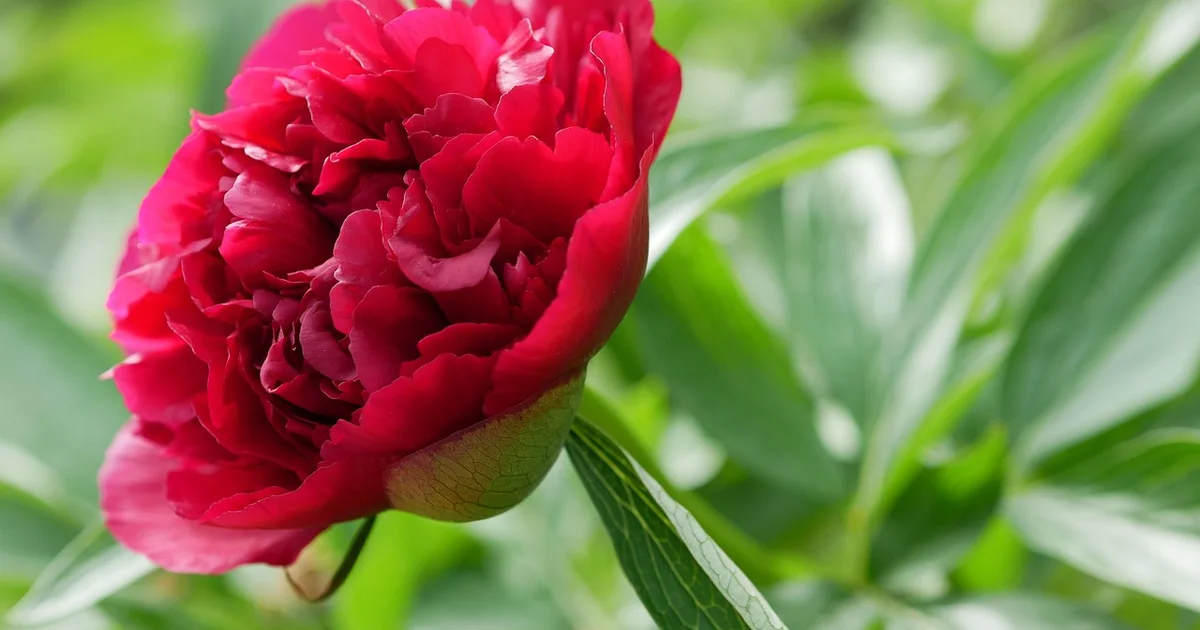
A common mistake is cutting peonies too early in the morning while dew is still on the foliage. Wet stems rot faster in the vase. Cut them in the late afternoon when the plant is dry and fully hydrated. Place the stems in warm water immediately after cutting and let them condition in a cool room for several hours before arranging. The marshmallow stage is the ideal harvest window for cut flowers. The buds should feel soft but not loose. If you squeeze the bud gently and it feels like a marshmallow, it is ready to cut. It will open in the vase within 24 to 48 hours, giving you a long display period indoors.
Frequently Asked Questions About May Peony Care
Should I fertilize peonies in May?
Yes, but choose the right fertilizer. Avoid high-nitrogen formulas that promote soft, weak growth. A balanced fertilizer with a ratio such as 5-10-10 or a seaweed-based tonic supports flower development without encouraging excessive foliage. Apply it in early May and again just before buds begin to open. Stop fertilizing once flowers appear.
Why are my peony buds turning brown and not opening?
Bud blast, the term for buds that dry up and fail to open, has several causes. Late frost damage, insufficient sunlight, drought stress, and botrytis blight are the most common. Check for signs of fungal infection on the stems and leaves. Ensure the plant receives at least six hours of direct sun daily. Water deeply during dry spells. If frost is the cause, the damage is done for this season, but you can protect next year’s buds by covering the plant when frost is forecast.
Can I transplant peonies in May?
Transplanting peonies in May is risky. Peonies establish best when moved in early autumn, after the foliage begins to die back. Moving them during active growth in spring causes severe transplant shock. Buds may abort, and the plant may take two or three years to recover. If you must move a peony in May, dig as large a root ball as possible, keep the soil intact, and water deeply every few days for the rest of the season. Expect reduced bloom for at least one year.
How do I stop ants from crawling on my peony buds?
Ants are attracted to the sweet nectar that peony buds secrete. They do not harm the plant or the flowers. The old myth that ants are necessary for peonies to open is false. Peonies open perfectly well without ants. If you want to remove ants before bringing cut flowers indoors, gently rinse the buds with a spray of water from the garden hose and let them dry before bringing them inside. Do not use insecticide on peony buds. It is unnecessary and harms pollinators.
What should I do after peonies finish blooming in May or June?
Deadhead the spent flowers promptly. Cut the stem just above the first strong leaf below the flower. Leave all foliage in place. Continue watering during dry spells through the summer. In autumn, after the leaves yellow and die back, cut the stems to ground level and remove all debris from around the crown. This prevents fungal spores from overwintering near the plant. Apply a layer of compost or well-rotted manure around the crown in late fall to feed the roots for next season.
May is the month when your patience through the long spring finally pays off. The buds that looked like tight little promises for weeks are about to deliver. A few hours of focused attention now ensures those promises are kept. Support the stems. Check for disease. Water wisely. Feed gently. Remove side buds if you want show-stopping size. Protect against weather extremes. And when the blooms finally arrive, cut a few for the house and leave the rest to light up your garden. The marshmallow stage is fleeting. The bloom window is short. But the memory of a well-tended peony display lasts all year. That is the reward for thoughtful may peony care. You put in the work during the critical weeks, and the garden gives back in full measure.