Introduction: The Magic of Flowering Cherry Trees
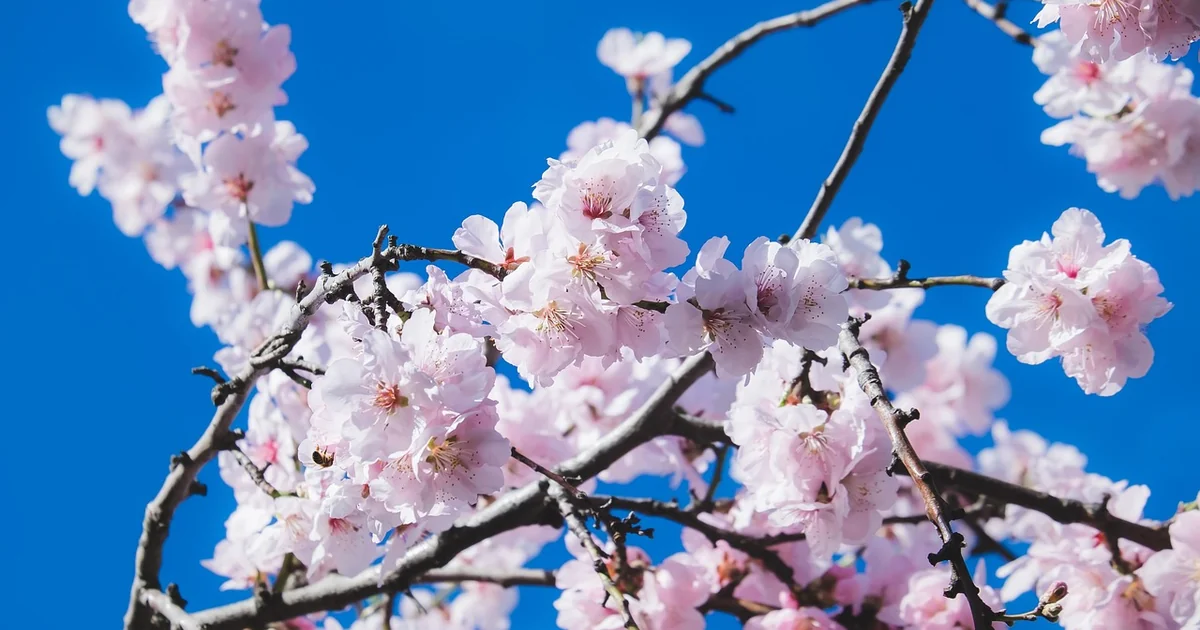
Imagine stepping outside on a crisp spring morning to find your yard transformed by clouds of pink or white blossoms. That is the promise of a well-cared-for flowering cherry tree. These ornamental trees are among the most dramatic additions you can make to a home landscape. They offer a spectacular spring show, followed by glossy green summer leaves, fiery autumn colors, and even attractive coppery bark in winter.
Yet many homeowners struggle to get their trees to thrive. They plant them in poor locations, water them incorrectly, or skip essential pruning steps. The good news is that success is entirely achievable when you understand the tree’s specific needs. Mastering the basics of planting flowering cherry trees is the first step toward creating a stunning centerpiece for your garden. These trees are hardy in zones 5 through 8, making them accessible to a wide range of gardeners across the country.
1. Choose a Sunny Location with Wind Protection
Flowering cherry trees are solar-powered performers. They need a minimum of eight hours of direct sunlight every single day to generate those famous blooms. If you plant your tree in a shady spot, you will likely see sparse flowers and a leggy, unbalanced growth habit. The tree may survive, but it will never reach its full potential.
Sunlight is only half the equation. Wind is a silent enemy of young cherry trees. Strong gusts can dry out the bark and branches, a condition known as desiccation. This is especially harmful in winter when the ground is frozen and the roots cannot replace lost moisture. To protect your investment, choose a location that offers a natural windbreak. A spot near a fence, the side of a house, or behind a row of evergreen shrubs provides the shelter a young tree needs to establish itself.
Think about the view from inside your home as well. These trees offer multi-season beauty. Placing one where you can see it from a kitchen window or a favorite reading nook means you get to enjoy the show even on chilly days when you prefer to stay indoors.
2. Master the Planting Calendar and Depth
Timing is a critical factor when it comes to planting flowering cherry trees. Bare-root trees should go into the ground in the fall. The cool, moist autumn soil encourages root development before the tree goes dormant for winter. Container-grown trees offer more flexibility. You can plant them in the fall or wait until after the last frost in spring.
How you plant matters just as much as when you plant. The most common mistake gardeners make is digging a hole that is too deep. Dig a hole that is twice as wide as the root ball but exactly the same depth. Think of a shallow, wide saucer rather than a narrow bucket. This shape encourages the roots to spread outward horizontally, which is how they naturally grow.
Position the tree so the topmost root sits right at soil level. If your tree is grafted, the knobby graft union must remain above the ground. Burying it can lead to rot and disease. After you backfill the hole, press down gently on the soil to remove air pockets. Water deeply and apply a 3- to 4-inch layer of organic mulch around the base. Keep the mulch a few inches away from the trunk itself to prevent moisture buildup against the bark.
3. Prepare Rich, Well-Drained Soil
Flowering cherries are not overly demanding, but they do have one non-negotiable requirement: excellent drainage. They thrive in moist, organically rich loam that allows water to flow through freely. Heavy clay soil is a common challenge in many neighborhoods. It holds water like a sponge, which can suffocate roots and promote fungal diseases such as root rot.
If you are dealing with clay, do not despair. You can amend the soil at planting time to create a better environment. Mix generous amounts of compost, peat moss, or coconut coir into the native soil. These organic materials improve drainage and add essential nutrients. They also help lighten the soil structure, making it easier for roots to spread.
Soil pH is another factor worth checking. Flowering cherry trees prefer slightly acidic soil, with a pH between 6.0 and 6.5. A simple soil test from your local garden center can tell you where you stand. If your soil is too alkaline, you can lower the pH by adding elemental sulfur or organic matter like pine needles. For an extra boost, top-dress the soil around your tree with an inch or two of organic matter every late autumn. This continual enrichment encourages a healthy population of beneficial soil microbes.
4. Water Deeply to Encourage Strong Roots
Watering seems simple, but it is one of the easiest tasks to get wrong. Newly planted trees need consistent moisture to establish their root systems. Plan to water your young cherry tree deeply once a week during its first growing season. This helps the roots push deep into the soil rather than staying near the surface.
Once the tree is established, you can cut back significantly. Mature flowering cherries prefer a deep soak about every 10 days, especially during dry spells. The goal is to encourage deep root growth, which makes the tree more drought-tolerant. Shallow, frequent watering creates weak surface roots that struggle during hot weather.
How do you know when it is time to water? Stick your finger into the soil near the base of the tree. If the top two inches feel dry, it is time to water. When you do water, let the hose run slowly at the base so the moisture penetrates the soil rather than running off. A soaker hose is an excellent tool for this task. In humid southern summers, established trees can tolerate the moisture, but they may need more frequent watering during hot, dry periods.
5. Feed Your Tree for Abundant Blooms
To achieve those magnificent spring displays, your tree needs the right fuel. Apply a slow-release fertilizer formulated specifically for cherry trees or ornamental flowering trees in early spring, just as new growth begins. This gives the tree a steady supply of nutrients throughout the growing season.
Avoid high-nitrogen fertilizers. Nitrogen encourages leafy green growth at the expense of flowers. Look for a balanced formula, such as a 10-10-10 mix, or one slightly higher in phosphorus and potassium. Phosphorus supports root health and flower production, while potassium helps the tree resist disease and stress. Follow the package directions carefully. More is not better when it comes to fertilizer. Over-fertilizing can burn the roots and damage the tree.
If you have rich, organic soil, you might only need to fertilize every other year. Pay attention to your tree’s growth. If it is producing plenty of new leaves but few flowers, you may need to adjust your fertilizer choice. A soil test can provide valuable insights into exactly what your tree needs.
6. Prune for Health and Structure
Pruning is a task that many homeowners avoid, but it is essential for a healthy, beautiful tree. A dense, congested canopy traps moisture and limits airflow. This creates a perfect environment for fungal diseases like brown rot. Regular pruning keeps the tree healthy and looking its best.
You may also enjoy reading: 7 Grilling Essentials & Upgrades for Summer 2026.
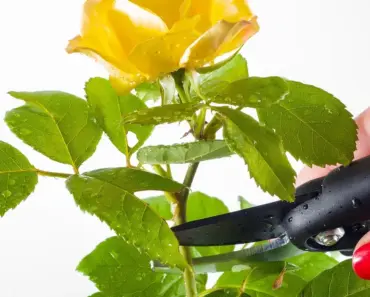
The best time to prune a flowering cherry is in late winter, while the tree is still dormant. The absence of leaves makes it easy to see the tree’s structure. Start by removing any dead, damaged, or diseased branches. Next, cut away suckers growing from the base of the tree. These suckers steal energy from the main tree and rarely produce flowers.
Look for branches that rub against each other. Rubbing creates wounds that invite pests and disease. Remove the weaker of the two branches. Finally, thin out some of the interior branches to allow sunlight and air to reach the center of the tree. Always make your cut at a 45-degree angle just above a bud that faces the outside of the canopy. This encourages outward growth and prevents the center from becoming congested. A properly pruned tree is not only healthier but also more beautiful.
7. Prevent Disease with Good Hygiene
Most problems with flowering cherry trees are not caused by pests or diseases. They are caused by environmental stress. Extreme weather, overly wet soil, low sunlight, and poor planting conditions are the usual culprits. By following the tips above, you already prevent the vast majority of potential issues.
That said, there are a few specific problems to watch for. Brown rot is a fungal disease that turns blossoms brown and causes twigs to die back. It thrives in wet, humid conditions. Good air circulation from proper pruning is your best defense. If you notice signs of brown rot, remove and dispose of the affected branches immediately. Do not compost them.
Leaf spot is another common issue. It appears as small purple or black spots on the leaves. Again, good hygiene is key. Rake up and dispose of fallen leaves in the autumn to break the disease cycle. If you notice aphids or other small insects, a strong spray of water from the hose is often enough to dislodge them. A healthy, well-cared-for tree is naturally more resistant to invaders. Applying a dormant spray in late winter can also help prevent fungal issues before they start.
Frequently Asked Questions About Flowering Cherry Trees
How long does it take for a flowering cherry tree to bloom?
It depends on the size of the tree at planting and the specific variety. A young, bare-root tree may take three to five years to produce a substantial bloom. A larger, container-grown tree might flower in its very first spring. Patience is key, but the wait is always worth it.
Can I grow a flowering cherry tree in a pot?
Yes, absolutely. Dwarf varieties like ‘Hiromi’ are perfect for container life. Choose a large pot with drainage holes and fill it with high-quality, well-draining potting mix. Place the container in a spot that receives full sun. Container-grown trees need more frequent watering than those in the ground, especially during hot weather.
What is the difference between a flowering cherry and a fruiting cherry?
While both belong to the Prunus genus, flowering cherries are bred for their stunning blossoms and attractive form. Fruiting cherries are cultivated for their edible fruit. Ornamental cherries do produce small fruit, but it is usually too tart and small for human consumption. Birds, however, love them.
Why are the leaves on my cherry tree turning yellow and dropping in summer?
This is often a sign of stress. The most common causes are overwatering, underwatering, or a lack of nutrients. Check your soil moisture. If it is soggy, you may be watering too much. If it is bone dry, increase your watering depth. A lack of nitrogen can also cause older leaves to yellow. A balanced fertilizer can help correct this.
Do I need to protect my young tree from animals?
Yes. Deer love to browse on tender cherry branches. Rabbits and voles can gnaw on the bark in winter. A physical barrier, such as a wire cage or tree wrap around the trunk, provides excellent protection during the tree’s vulnerable early years.
Bringing a flowering cherry tree into your landscape is an investment in future joy. By choosing the right site, preparing the soil, and following these straightforward care guidelines, you set the stage for a lifetime of breathtaking spring displays. The effort you put into planting flowering cherry trees correctly pays off every single year when those delicate petals begin to unfurl. Whether you are lining a driveway, shading a patio, or simply adding beauty to your backyard, a flowering cherry tree is a gift that keeps on giving for generations.