Why Catnip Deserves a Spot in Your Garden
A single brush against a catnip plant can send a cat into a state of pure bliss. But this hardy perennial offers more than just feline entertainment. It is a drought-tolerant, pollinator-friendly herb that thrives in conditions where other plants struggle. If you want to grow catnip that is lush, potent, and healthy, you need to understand its unique preferences. Let us walk through seven proven strategies that will set you up for success.
Tip 1: Timing and Location Matter Most
Catnip is a sun worshipper. It requires at least six hours of direct sunlight daily. In hotter climates, a little afternoon shade prevents the leaves from scorching. The soil must drain quickly. Sandy or loamy soil with a pH between 6.1 and 7.8 is ideal. Plant your catnip in the spring, after the last frost has passed. This gives the roots time to establish before the summer heat arrives.
If your garden has heavy clay soil, do not despair. Mix in a generous amount of sand or perlite before planting. This mimics the rocky, well-draining terrain of its native Mediterranean habitat. A raised bed is another excellent option for controlling drainage.
Tip 2: Master the Seed Starting Process
Starting catnip from seed is simple, but a few tricks improve germination rates. Sow seeds indoors about six weeks before your last expected frost. Press them gently into the soil surface. Catnip seeds need light to germinate, so do not bury them deeply. Keep the soil lightly moist. Once the seedlings have two sets of true leaves, harden them off before transplanting them outdoors.
Harden your seedlings over the course of a week. Place them outside for a few hours each day, gradually increasing their exposure to sun and wind. This prevents transplant shock and ensures a strong start.
Tip 3: Give Your Plants Room to Breathe
Space your catnip plants 18 to 24 inches apart. Mature plants can reach 2 to 3 feet in both height and width. Proper spacing ensures good air circulation, which helps prevent fungal diseases in humid weather. If you are planting in a container, choose one that is at least 12 inches in diameter. This gives the taproot enough room to develop.
Catnip is a great companion plant for vegetables. It attracts beneficial insects like bees and parasitic wasps. Its strong scent also helps deter aphids and flea beetles from your garden crops.
Tip 4: Water Deeply, But Only When Necessary
Catnip is incredibly drought-tolerant. Its deep taproot allows it to access moisture far below the soil surface. Overwatering is a common mistake. Water seedlings lightly to keep them from drying out. Mature plants rarely need supplemental watering unless you are experiencing a prolonged drought. If the leaves begin to wilt, give the plant a deep soak.
In humid climates, spacing plants further apart improves air circulation. Always water at the base of the plant to keep the foliage dry. This simple habit helps prevent powdery mildew and other moisture-related issues.
Tip 5: Prune Like a Pro for Better Yields
Regular pruning encourages bushier growth and prevents the plant from becoming leggy. Pinch back the growing tips early in the season. After the first bloom cycle, cut the plant back by half. This often triggers a second flush of flowers. Pruning also helps contain the spread of catnip in your garden. Cut the stems back to the ground after the first frost.
In colder zones, apply a layer of mulch around the crown of the plant after the ground freezes. This protects the roots from freeze-thaw cycles. Your catnip will return vigorously in the spring.
Tip 6: Choose the Right Variety for Your Needs
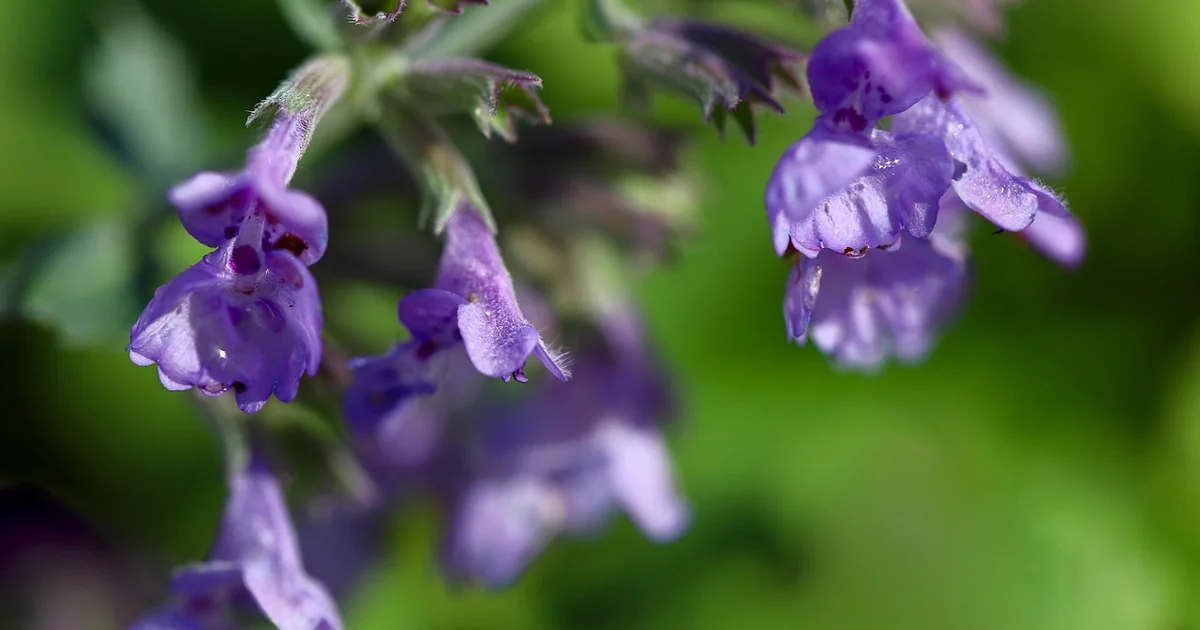
True catnip is Nepeta cataria. It has white flowers and contains high levels of nepetalactone, the chemical that attracts cats. Nepeta mussinii, commonly called catmint, has purple flowers and a longer bloom period, but it does not attract cats. If you want to grow catnip specifically for your pets, stick with Nepeta cataria.
Lemon catnip (Nepeta citriodora) has a citrusy scent and grows slightly smaller. It is a wonderful addition to herbal teas. Greek catnip (Nepeta parnassica) stays under 2 feet tall and bears light pink flowers. Experimenting with different varieties adds diversity to your garden.
You may also enjoy reading: 5 Color Mixes to Create Custom Brown Paint.
Tip 7: Harvest and Dry at the Perfect Moment
The best time to harvest catnip is when the plant is in full bloom. The concentration of nepetalactone is highest at this stage. Harvest in the late morning, after the dew has dried but before the heat of the day. Cut entire stems and hang them upside down in a dark, dry, well-ventilated space. Allow them to dry for two to three weeks. Once dry, strip the leaves and flowers from the stems and store them in an airtight container.
Store dried catnip in a dark glass jar away from sunlight. Properly stored catnip retains its potency for up to a year. You can use the dried leaves to stuff cat toys or brew a calming tea for yourself.
Frequently Asked Questions About Growing Catnip
Is catnip easy to grow for beginners?
Yes, it is one of the easiest herbs to grow. It tolerates poor soil, drought, and neglect. Catnip is a member of the mint family. It shares the same vigorous growth habits. This makes it very forgiving for novice gardeners. As long as you provide full sun and well-drained soil, it will thrive with minimal attention.
Why is my catnip plant not attracting my cat?
The sensitivity to catnip is hereditary. About 30 to 50 percent of cats do not react to it at all. Additionally, the potency of the plant decreases after it flowers. Harvesting right at the peak of bloom captures the most nepetalactone. Fresh leaves are also more potent than dried ones.
Can I grow catnip indoors on a windowsill?
Yes, you can. Place it in a south-facing window that receives at least six hours of direct sunlight. Use a pot with drainage holes. Catnip hates sitting in wet soil. Indoor plants also benefit from occasional misting if the air is dry. An indoor catnip plant provides year-round entertainment for your feline friend.
How do I prevent catnip from spreading everywhere?
Catnip self-seeds readily. Deadheading the flowers before they set seed is the most effective way to control its spread. Growing it in a container is another foolproof method. A 12-inch pot will contain the roots and prevent unwanted seedlings from taking over your garden beds.
What is the difference between catnip and catmint?
While both are in the Nepeta genus, they serve different purposes. Catnip (Nepeta cataria) is grown for its effect on cats and its medicinal uses. Catmint (Nepeta mussinii) is grown as a low-maintenance ornamental ground cover with beautiful purple flowers. Catmint has a longer blooming period and a neater form, making it better for landscaping.
With these seven strategies, you are well on your way to cultivating a lush patch of catnip that will delight your pets and attract pollinators to your yard. It is a simple, forgiving herb that asks for very little and gives back plenty.




![Ordinary Celebrations [and a recipe for Chocolate Chip Cupcakes]](https://azuloz.com/wp-content/uploads/azuloz-349IVCpA-370x297.webp "Ordinary Celebrations [and a recipe for Chocolate Chip Cupcakes]")