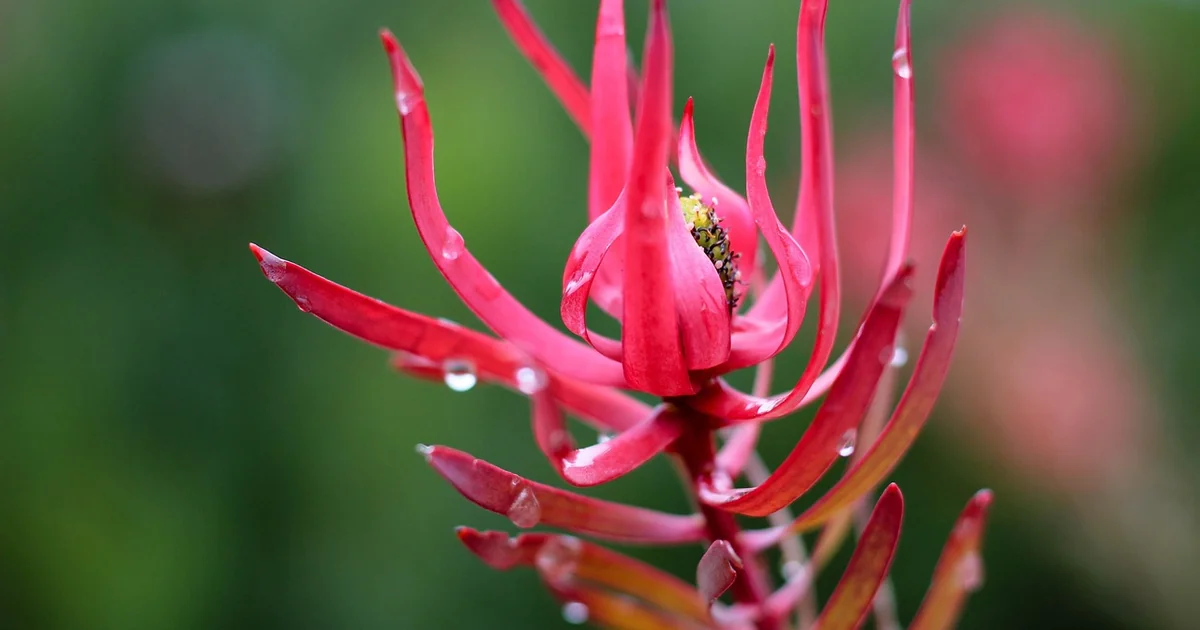
Imagine a shrub that delivers vivid pink, red, and yellow blooms even in the middle of winter, thrives on neglect, and demands almost no fertilizer. That is the leucadendron, also known as the conebush. Native to South Africa, this genus contains about 80 species, ranging from compact 3-foot bushes to towering 30-foot trees. Getting the basics right from the start makes all the difference. Here are five essential leucadendron planting tips that will set you up for success, whether you are a seasoned gardener or a curious beginner.
Tip 1: Choose the Perfect Spot – Sun, Soil, and Space
Leucadendrons are sun worshippers. They need a full day of direct sunlight to produce their most vibrant flower colors. In partial shade, the blooms become pale and the plant grows leggy. Select a location that receives at least six hours of unfiltered sun each day.
Soil is equally critical. These plants demand fast-draining, acidic ground with a pH of 6.0 or lower. Heavy clay or alkaline soil will cause root rot and yellowing leaves. If your garden has clay, build a raised bed or plant on a slope to improve drainage. You can also mix in plenty of coarse sand and organic compost to lighten the texture.
Space matters too. Leucadendrons need good air circulation to prevent fungal diseases. Avoid crowding them against other shrubs or walls. A spacing of 4 to 6 feet between plants (depending on the mature size of the variety) allows air to move freely and keeps foliage dry.
One often-overlooked detail: these shrubs have specialized roots called proteoid roots that form dense clusters to absorb nutrients from poor soils. Disturbing these roots during transplanting can shock the plant. So handle the root ball gently and avoid excessive digging around the base later.
Tip 2: Master the Planting Process – Timing and Technique
The best time to plant leucadendron is autumn or after the last spring frost. Autumn planting gives the roots several months to establish before summer heat arrives. Spring planting works well in cooler climates, but you must water consistently through the first summer.
Dig a hole twice as wide and the same depth as the nursery pot. Wider holes encourage roots to spread outward rather than circling. Do not bury the crown – the point where stems meet roots should sit level with the soil surface. Planting too deep invites rot.
Before placing the plant, amend the excavated soil with a handful of low-phosphorus fertilizer (such as a 15-0-15 formula) and some acidic compost. Leucadendrons are extremely sensitive to phosphorus, which can burn their roots and cause leaf scorch. Avoid bone meal or any high-phosphorus product.
Backfill the hole halfway, water gently to settle the soil, then complete the fill. Press down with your hands to remove air pockets, but do not stomp – you want the soil loose enough for roots to breathe. Finally, water deeply at the base, not from above. Overhead watering on a newly planted leucadendron is a fast track to stem rot.
Tip 3: Water and Feed with Care – Avoiding Root Rot
Overwatering is the single most common mistake with leucadendrons. These plants are drought-tolerant once established, but they need deep, infrequent watering during their first year. Allow the top inch of soil to dry out completely before watering again. In heavy rain climates, you may not need to water at all after the first month.
Always water at ground level. Use a soaker hose or drip irrigation to keep moisture off the leaves and stems. If you must use a sprinkler, irrigate early in the morning so the foliage dries before nightfall. Wet foliage overnight encourages fungal pathogens like Phytophthora root rot, which can kill a plant in days.
Fertilizer is rarely needed. Leucadendrons evolved in nutrient-poor South African soils. If you do fertilize, choose a product with an NPK ratio of 15-0-15 or similar, and apply only once in early spring. Too much nitrogen leads to soft growth that attracts pests. A light mulch of pine bark or gravel around the base helps retain moisture and suppress weeds without adding nutrients.
One hidden danger: phosphorus buildup. Many standard garden fertilizers contain phosphorus, which leucadendrons cannot process. Over time, phosphorus accumulates in the soil and causes leaf yellowing and stunted growth. If you see these symptoms, stop fertilizing and flush the soil with water.
Tip 4: Prune Like a Pro – Encouraging New Growth
Pruning leucadendron is straightforward but timing is everything. Wait until the plant finishes its main bloom cycle – usually late spring or early summer. Then cut back the green stems to about four sets of leaves from the base. Do not cut into the woody stems, because those older branches rarely produce new shoots.
Deadheading spent flowers as they appear keeps the plant tidy and may encourage a second flush of blooms in some varieties. Use clean, sharp pruners to make angled cuts just above a leaf node. Remove any damaged or crossing branches to improve air circulation.
For older, overgrown shrubs, you can perform a more severe rejuvenation prune every three to four years. Cut the entire plant back to about 12 inches from the ground, but only if you see healthy green growth near the base. This stimulates vigorous new stems that will flower the following season.
You may also enjoy reading: 7 Ways Banana Blossoms Are Taking Over Seafood.
One critical note: leucadendron wood is brittle. Avoid heavy pruning during wet or windy weather, as the stems may snap. Always prune on a dry day to reduce the risk of disease entering the cuts.
Tip 5: Grow in Containers – Extend Your Growing Zone
If you live outside USDA Zones 9 to 11, container growing is your best option. Leucadendrons can thrive in large pots that are moved indoors during cold snaps. Choose a container at least 18 inches wide with drainage holes. Terracotta or unglazed ceramic pots work well because they allow excess moisture to evaporate.
Use an acidic potting mix formulated for rhododendrons or azaleas. You can also make your own by mixing two parts peat moss, one part perlite, and one part coarse sand. Add a handful of low-phosphorus slow-release fertilizer at planting time.
Water container plants more frequently than garden plants, especially in summer. Check the soil every few days by sticking your finger two inches deep. If it feels dry, water thoroughly until water runs out the bottom. Empty the saucer afterward to prevent roots from sitting in water.
Repot every two years in early spring, moving to a slightly larger pot. Gently loosen the root ball and trim any circling roots. After repotting, keep the plant in partial shade for a week to recover before returning it to full sun.
In winter, bring the container indoors to a bright, cool room (around 50°F to 60°F). Reduce watering to once every two weeks. Do not fertilize during the dormant period. With these precautions, you can enjoy leucadendron blooms even in chilly climates.
Frequently Asked Questions About Leucadendron Planting
Can leucadendron grow in shade?
Leucadendrons prefer full sun. In partial shade, they become leggy and produce fewer, paler flowers. For best results, give them at least six hours of direct sunlight daily.
How often should I water a newly planted leucadendron?
Water deeply once or twice a week during the first growing season, allowing the top inch of soil to dry between waterings. After the first year, reduce to every two to three weeks, depending on rainfall.
Why are my leucadendron leaves turning yellow?
Yellow leaves often indicate overwatering, poor drainage, or phosphorus toxicity. Check the soil moisture and pH. If the soil is soggy, improve drainage or move the plant to a raised bed. If you have used high-phosphorus fertilizer, flush the soil with water.
Can I grow leucadendron from cuttings?
Yes, stem cuttings taken in late spring or early summer root easily. Use semi-hardwood cuttings about 4 to 6 inches long, dip them in rooting hormone, and place them in a mix of peat and perlite. Keep them humid and warm until roots appear.
Do leucadendrons attract pests?
They are relatively pest-free, but mealybugs and scale insects can occasionally appear. Treat with insecticidal soap or neem oil. Good air circulation and avoiding overhead watering prevent most problems.