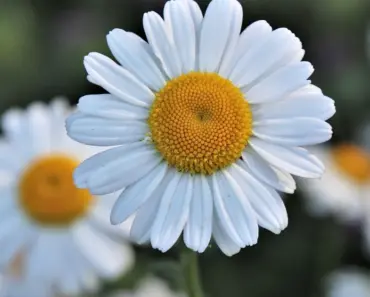
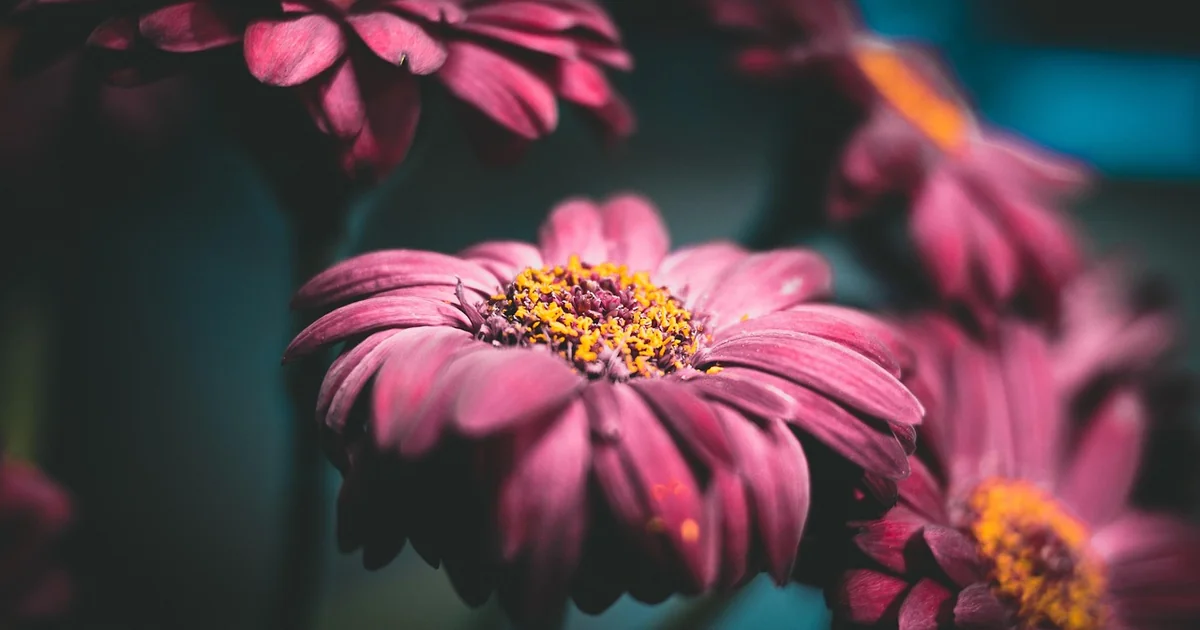
Growing painted daisies in your garden brings a reliable splash of color that lasts for months. These hardy perennials produce cheerful pink, red, and white blossoms above feathery, fern-like foliage from early summer until the first frost. They attract butterflies, resist deer, and work beautifully as cut flowers. Best of all, establishing them requires only a handful of simple techniques that any gardener can master.
Why Painted Daisies Deserve a Spot in Your Garden
Painted daisies, known botanically as Tanacetum coccineum, offer a lot more than good looks. Their foliage remains attractive throughout the growing season, ranging from chartreuse to medium green with a soft, fern-like texture. Even when the plants are not in bloom, this fine-textured foliage adds visual interest to borders and beds.
The flowering period is another strong selling point. These perennials begin blooming in early summer and continue producing new flowers sporadically until the first hard frost. For gardeners who value extended color, that kind of staying power is hard to beat. Each blossom lasts well over a week on the plant and even longer when cut and placed in a vase.
Pollinators adore these flowers. Butterflies flock to the daisy-like blooms, making painted daisies a natural choice for anyone building a butterfly garden. At the same time, deer tend to leave them alone. That combination of wildlife benefits — attracting helpful insects while repelling hungry mammals — makes them a smart pick for rural and suburban yards alike.
One important note: all parts of the painted daisy plant are toxic to humans and pets if ingested. This is worth keeping in mind if you have small children or curious animals that like to nibble on garden plants. The toxicity does not pose a risk from casual contact, but planting them away from vegetable gardens and play areas is a sensible precaution.
Five Simple Approaches to Growing Painted Daisies
Getting these perennials established does not require a green thumb or expensive equipment. Five straightforward methods exist, and each one suits a different set of circumstances. Choose the approach that matches your space, budget, and timeline.
1. Starting Seeds Indoors for a Head Start
Sowing seeds indoors gives you the widest selection of varieties and the longest possible growing season. Begin about four to six weeks before your area’s last expected spring frost. Use seed-starting trays filled with a lightweight, well-draining mix.
Painted daisy seeds need light to germinate, so do not bury them deeply. Sprinkle the seeds on the surface and press them gently into the soil. A very thin dusting of vermiculite or fine soil is acceptable, but keep the covering minimal. Mist the surface with water and cover the tray with a clear plastic dome or plastic wrap to maintain humidity.
Place the tray in a warm spot with bright, indirect light. Temperatures around 65 to 70 degrees Fahrenheit work well. Seedlings typically appear within two to three weeks. Once the first true leaves develop, remove the plastic cover and move the tray to a location with direct morning sunlight. Keep the soil evenly moist but never soggy.
Transplant the seedlings outdoors after all danger of frost has passed. Harden them off over the course of a week by setting them outside for a few hours each day, gradually increasing their exposure. Space the young plants 18 to 24 inches apart in the garden bed.
2. Transplanting Nursery-Grown Plants for Instant Impact
If you prefer a quicker path to blooms, purchase potted painted daisies from a local nursery or garden center. This method bypasses the seedling stage entirely and gives you established plants that may already have flower buds.
Choose plants with healthy green foliage and no signs of yellowing leaves or pest damage. Avoid specimens that look root-bound, with roots circling the bottom of the pot. A healthy root system is white or light tan, not dark or mushy.
Dig a hole twice as wide as the nursery container and just as deep. Remove the plant from its pot and gently loosen the root ball with your fingers. Place the plant in the hole so the top of the root ball sits level with the surrounding soil. Backfill with garden soil, pressing down lightly to eliminate air pockets.
Water thoroughly after planting. For the first few weeks, check the soil moisture every two to three days. New transplants need consistent moisture to develop strong root systems. Once established, these plants become much more drought-tolerant.
3. Propagating Established Clumps by Division
Division is the most cost-effective method for expanding your painted daisy collection. Mature plants form dense clumps that can be split into multiple new plants. The best time for division is early spring just as new growth emerges, or in early autumn after the weather cools.
To divide, dig up the entire clump using a spade or garden fork. Shake off excess soil so you can see the root structure. Use a sharp knife or the edge of your spade to cut the clump into three or four sections. Each section should have a good portion of roots and at least two or three growing points or shoots.
Replant the divisions at the same depth they were growing before. Space them 18 to 24 inches apart. Water well after planting and keep the soil moist for the first two weeks. Divisions usually establish quickly and may even produce flowers in the same season if divided early enough in spring.
Dividing every three to four years also keeps the original plant vigorous. Older clumps that have not been divided tend to produce fewer flowers and may die out in the center.
4. Direct Sowing Seeds in the Garden
Direct sowing works well for gardeners in mild climates who want to avoid indoor seed-starting setups. This method requires patience because the seeds need consistent moisture and moderate temperatures to germinate outdoors.
Sow seeds directly in the garden after the last spring frost when the soil has warmed to at least 60 degrees Fahrenheit. Prepare the planting area by loosening the soil to a depth of about six inches and removing any rocks or debris.
Scatter the seeds on the surface and press them lightly into the soil. Do not cover them deeply — remember, they need light to germinate. Water gently with a fine spray to avoid washing the seeds away. Keep the soil consistently moist until seedlings emerge, which may take two to four weeks depending on temperature.
Once the seedlings have two sets of true leaves, thin them to stand 18 to 24 inches apart. Choose the strongest seedlings to keep and snip the extras at soil level rather than pulling them up, which can disturb nearby roots.
5. Cultivating Painted Daisies in Containers
Container growing opens up possibilities for gardeners with limited space or challenging soil conditions. Painted daisies adapt well to pots as long as their basic needs are met.
Select a container with large drainage holes. The pot size matters: a diameter of at least 12 inches gives the roots enough room to spread. Use a high-quality potting mix that drains freely. Adding a handful of perlite or coarse sand improves drainage further.
Choose a compact cultivar for containers — smaller varieties are less likely to become top-heavy and tip over. Place the pot in a location that receives at least six hours of sunlight daily. In hot summer regions, morning sun with afternoon shade works best.
Container plants dry out faster than in-ground plants. Check the soil moisture every day during warm weather. Water when the top inch of soil feels dry. Potted painted daisies also need more frequent feeding. Apply a balanced liquid fertilizer every two to three weeks during the growing season.
Winter protection is critical for container-grown plants in cold climates. The roots are more exposed to freezing temperatures than they would be in the ground. Move pots to a sheltered location such as an unheated garage or wrap the container with insulating material before the first hard freeze.
Essential Care Practices for Thriving Plants
Once your painted daisies are in the ground or in pots, a few ongoing care routines make the difference between a mediocre display and a spectacular one.
Light Requirements
Full sun is non-negotiable for painted daisies in northern climates. They need at least six hours of direct sunlight each day to produce abundant flowers. In southern regions with intense summer heat, morning sun combined with afternoon shade helps prevent stress and keeps the plants blooming longer.
Plants grown in too much shade become leggy and produce fewer flowers. The stems stretch toward the light, giving the clump a floppy, unkempt appearance. If your garden has mostly dappled light, consider a different perennial.
Soil and Watering
Painted daisies are not fussy about soil texture, but they absolutely demand excellent drainage. Heavy clay soil that stays wet after rain will kill these plants quickly. If your garden has clay soil, amend the planting area with compost, aged bark, or coarse sand to improve drainage. Alternatively, grow them in raised beds or containers.
You may also enjoy reading: Tips to Make Compost Tea Like a Pro.
The ideal soil pH ranges from 5.2 to 7.0. Most garden soils fall within this range, so testing is usually unnecessary unless you suspect extreme conditions. A simple soil test kit from a garden center can confirm your pH if you are unsure.
Established plants are surprisingly drought-tolerant. They only need watering during extended dry periods — about a week with no rain. When you do water, soak the soil thoroughly rather than giving a light sprinkle. Deep watering encourages roots to grow deeper, making the plants even more resilient.
Fertilizer for Better Blooms
A single spring feeding sets the stage for a strong season. Apply a slow-release fertilizer with a higher phosphorus content, such as a 5-10-5 formulation, when new growth appears in early spring. Phosphorus supports flower development, so this specific ratio helps maximize bloom production.
A second application after the first flush of flowers fades can extend the bloom period. Use the same fertilizer at half the spring rate. Avoid high-nitrogen fertilizers, which encourage lush foliage at the expense of flowers.
Pruning and Deadheading
Pinching is a simple technique that transforms lanky plants into compact, bushy specimens. When the stems reach six to eight inches tall in spring, pinch off the top third of each stem. Use your thumb and forefinger to snap off the tip just above a leaf node. This encourages the plant to branch out, producing more stems and ultimately more flowers.
Deadheading — removing spent flowers — keeps the plants blooming for weeks longer than they would otherwise. Snip off each faded flower stem down to the nearest set of leaves. Do this regularly throughout the summer. The plant responds by channeling energy into new buds instead of seed production.
At the end of the growing season, leave the last flush of flowers in place if you want the plants to self-seed. Otherwise, cut the stems back to a few inches above the ground after the foliage dies back from frost.
Overcoming Common Growing Challenges
Even low-maintenance perennials encounter problems now and then. Knowing what to watch for helps you catch issues early.
Pests to Keep an Eye On
Several insects may visit painted daisies, though serious infestations are uncommon in healthy plants. Aphids sometimes gather on new growth and flower buds. A strong spray of water from the garden hose knocks them off effectively. For persistent aphid problems, insecticidal soap works well.
Spider mites appear during hot, dry weather. They cause stippled, yellowing foliage and fine webbing between leaves. Increasing humidity around the plants by misting the foliage can discourage them. Leaf miners leave winding trails inside the leaves; simply remove and discard affected leaves.
Thrips and leafhoppers may also appear, but they rarely cause enough damage to warrant treatment. Healthy plants tolerate low populations without any noticeable decline in flowering.
Heat and Humidity Struggles
Painted daisies thrive in cooler climates and struggle in regions with intense heat and high humidity. They perform best in USDA Hardiness Zones 3 through 7. Gardeners in Zones 8 and above will find these perennials challenging to keep alive through the summer.
If you live in a borderline zone, try planting them in a spot with afternoon shade and good air circulation. Mulching around the roots helps keep the soil cool. Even with these measures, the plants may behave as short-lived perennials or biennials in hot climates.
Toxicity Awareness
The same compounds that make painted daisies deer-resistant also make them toxic. The plant contains pyrethrins, natural insecticidal compounds that can cause digestive upset and neurological symptoms if eaten in significant quantities. Keep this in mind when choosing a planting location.
Wear gloves when handling the plants if you have sensitive skin. Some people develop mild skin irritation after prolonged contact with the sap. This is not common, but it is worth knowing before you spend an afternoon deadheading without protection.
Frequently Asked Questions About Growing Painted Daisies
How long do painted daisies live?
With proper care, individual plants live for three to five years. Regular division every three to four years keeps the clump vigorous and extends its useful life in the garden. Without division, older clumps become woody and produce fewer flowers.
Can painted daisies grow in partial shade?
They tolerate light afternoon shade, especially in hot climates, but full sun produces the best flowering. Plants grown in partial shade become leggy and bloom less heavily. Aim for at least six hours of direct sun daily for optimal results.
Are painted daisies safe around pets?
No, painted daisies are toxic to cats, dogs, and horses if ingested. The plant contains pyrethrins, which can cause vomiting, diarrhea, drooling, and in severe cases, tremors or seizures. If you have pets that like to chew on plants, choose a different perennial for your garden.
Do painted daisies need staking?
Taller varieties sometimes flop over, especially in rich soil or after heavy rain. Pinching the stems back in spring helps produce stronger, more compact growth that supports itself. If you grow taller cultivars, a ring-style plant support placed early in the season prevents flopping without looking obtrusive.
Can painted daisies be grown from cuttings?
Seed and division are the two standard propagation methods for painted daisies. Stem cuttings are possible but have a lower success rate. If you want to try it, take softwood cuttings in late spring and root them in a moist, sterile medium with bottom heat and high humidity.
Painted daisies reward modest effort with an impressive display of color that lasts from early summer to frost. Whether you start them from seed indoors, pick up nursery plants, divide an existing clump, sow directly in the garden, or grow them in containers, the process is straightforward and the results are reliably beautiful. Their butterfly appeal, deer resistance, and cut-flower quality make them a worthwhile addition to any sunny garden space.