Why White Pepper Holds a Unique Place in the Kitchen
White pepper and black pepper both come from the same tropical vine, Piper nigrum. The difference lies entirely in processing. White peppercorns are fully ripe berries that have been soaked and fermented to remove the dark outer skin. This leaves only the inner seed. The result is a spice with a milder, earthier flavor and a distinct aroma often described as nutty or woody.
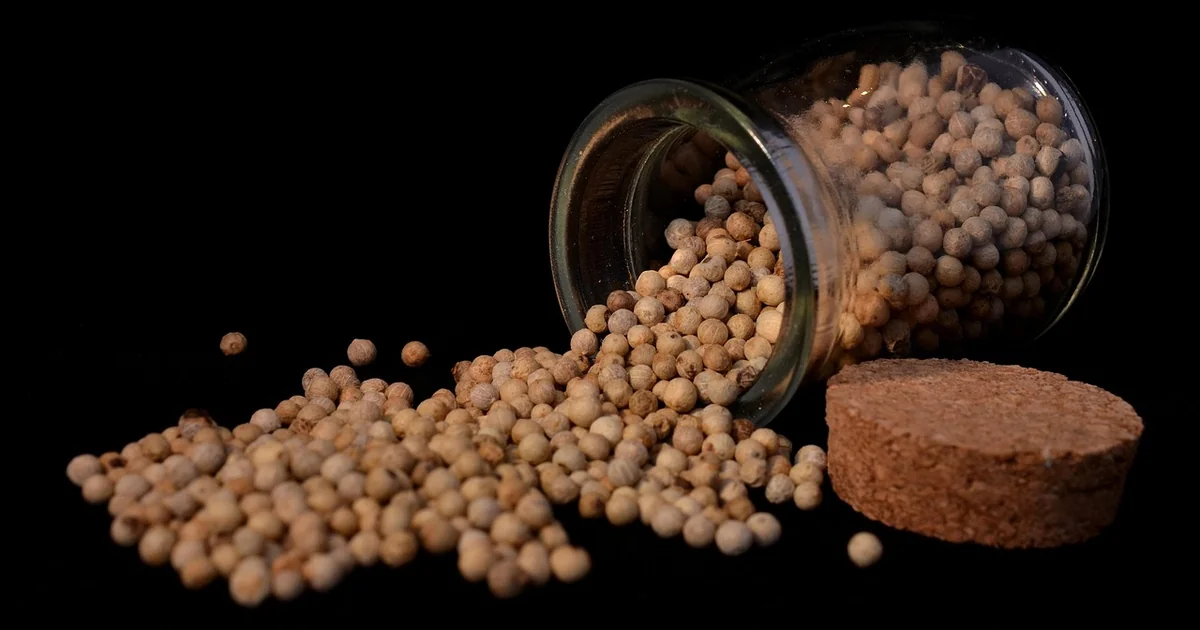
Chefs and home cooks reach for white pepper when appearance matters. A creamy Alfredo sauce, a delicate béchamel, or a bowl of mashed potatoes should look pristine. Black pepper would leave dark specks throughout the dish. White pepper provides warmth and spice without any visual evidence. It blends seamlessly into light-colored foods. Finding the right white pepper substitutes is about balancing three things: flavor, heat level, and visual impact. The good news is that you likely have several excellent options in your pantry right now.
When you run out of white pepper, the best substitute depends on what you are cooking. Some options mimic the heat. Others preserve the pale color. A few do both reasonably well. Here are the five best alternatives to consider.
1. Black Pepper: The Obvious Stand-In (With a Visual Caveat)
Black pepper is the most straightforward white pepper substitute because it comes from the same berry. The flavor profile is familiar, though black pepper is more pungent and complex. It has a sharper, more immediate heat due to the presence of the outer skin, which contains piperine in higher concentrations.
Use black pepper when the color of the specks does not matter. This works well for hearty stews, meat rubs, tomato-based sauces, and savory gravies. If you are making a dark soup that will be blended or a dish where a few dark flecks are acceptable, black pepper is a perfect swap. Start with about half the amount your recipe calls for. Black pepper can be stronger than white pepper, and its heat can intensify slightly as the dish sits. Taste and adjust gradually. You can always add more, but you cannot remove it.
2. Ground Ginger: A Pale and Gentle Alternative
Ground ginger is an excellent choice when keeping the dish pale is your highest priority. It offers a mild warmth and a slightly sweet, earthy flavor. It does not have the same pungent kick as white pepper, but it provides a gentle background heat that works well in delicate dishes.
This substitute shines in light-colored soups, cream sauces, and even some baked goods like savory scones or biscuits. Ground ginger dissolves easily and leaves no visible specks. Because it is milder, you will likely need to use more than the amount of white pepper called for. Start with an equal amount, then taste and add more if needed. The flavor of ginger mellows with cooking, so adjust near the end of the cooking process for the best results.
3. Ground Mustard: Tangy Heat for Creamy Classics
Yellow mustard powder is another surprising yet effective white pepper substitute. It brings a mild, tangy heat that complements cheese and cream-based dishes exceptionally well. This is the go-to swap for macaroni and cheese. The yellow powder dissolves easily and does not leave visible specks, making it ideal for maintaining a smooth, uniform color.
Mustard powder has a different kind of warmth. It has a sharpness that hits the back of the throat, similar to horseradish. This works beautifully in cheese sauces, creamy salad dressings, and deviled eggs. Start with half the amount of white pepper called for. The floral, pungent notes of mustard powder can elevate a simple cheese sauce into something more complex. It also pairs well with other spices, so you can combine it with a pinch of ground ginger for a more rounded flavor profile.
4. Pink, Green, or Multicolored Peppercorns: An Adventurous Swap
If you have a peppercorn blend containing pink, green, or white berries, you have a viable substitute. Pink peppercorns are not true pepper, but they offer a fruity, mild heat with a hint of sweetness. Green peppercorns are unripe berries that are preserved or dried. They have a fresh, herbal bite and a milder heat than black pepper.
These blends work best in dishes where a slightly different aesthetic is acceptable. They can add visual interest and a layered flavor profile. Crush them coarsely for a rustic finish on grilled meats or roasted vegetables. Use them in the same quantity as white pepper. Grind them fresh for the best flavor. The complexity of a multicolored blend can add a gourmet touch to simple dishes.
5. Cayenne Pepper: A Spicier Option for the Brave
Cayenne pepper is made from dried and ground chili peppers. It is much hotter than white pepper. It also has a bright red color. Cayenne should only be used if you want significant heat and the color change is acceptable. It is not suitable for spicy dishes like jambalaya, gumbo, or spicy cheese dips.
Use a very small pinch. Start with a quarter of the amount requested. Cayenne adds a sharp, penetrating heat that builds slowly. It is not suitable for delicate. It is not suitable for delicate pale sauces where you want to maintain a neutral color. If you are making a spicy mac and cheese or a chili, cayenne can be a fantastic substitute. Just be careful. A little goes a long way.
You may also enjoy reading: 7 Best Twin Mattresses The Spruce Tested.
How to Adjust Quantities When Substituting White Pepper
Substituting spices is not an exact science. The potency of your substitute depends on its age, form, and how it was stored. Ground spices lose their strength over time. Whole peppercorns retain their flavor much longer. Always start with less than the recipe suggests. You can always add more, but you cannot take it out.
Here is a simple guide for adjusting quantities:
- Black pepper: Start with half the amount of white pepper. Taste and add more.
- Ground ginger: Start with an equal amount. It is milder, so you may need to add up to 50% more.
- Ground mustard: Start with half the amount. It has a sharp heat that can dominate.
- Other peppercorns: Use the same amount. Grind fresh for the best flavor.
- Cayenne pepper: Start with a quarter of the amount. It is very hot.
Taste your dish before serving. Adjust the seasoning gradually. For ground ginger and mustard, the flavor mellows with cooking. For cayenne, the heat intensifies. Understanding these nuances helps you make the best choice for your specific dish.
Frequently Asked Questions About White Pepper Substitutes
Can I use cayenne pepper as a white pepper substitute?
Yes, but with caution. Cayenne is significantly hotter and has a red color. Use it only if you want a spicy kick and the color change is acceptable. Start with a pinch, about a quarter of the amount of white pepper called for.
How do I adjust ground ginger to match white pepper’s heat?
Ground ginger is milder. Start with an equal amount and taste. You may need to add up to half again as much to achieve a similar warmth. The flavor of ginger is sweeter and less pungent, so it works best in dishes where a gentle heat is desired.
White pepper is stronger than black pepper?
No, white pepper is generally milder and earthier. Black pepper has a more pungent, complex aroma due to the retained outer shell. White pepper provides heat without the intense floral notes of black pepper.
Can I use white pepper substitutes in baking?
Yes, in savory baking. Ground ginger works well in biscuits or bread. Black pepper can be used in cheese crackers or savory scones. Mustard powder is excellent in cheese bread. Avoid using cayenne unless you want a spicy baked good.
How should I store leftover white pepper substitutes?
Store them in airtight containers away from heat, light, and moisture. Ground spices last about 2 to 3 years before losing significant potency. Whole peppercorns last much longer, up to 4 to 5 years. Keep them in a cool, dark place like a pantry drawer.
Finding the right swap for white pepper depends on your dish’s visual requirements and flavor profile. Whether you choose black pepper for convenience or ground ginger for color, you have several excellent options at your fingertips. The key is to start with less and adjust to your taste.