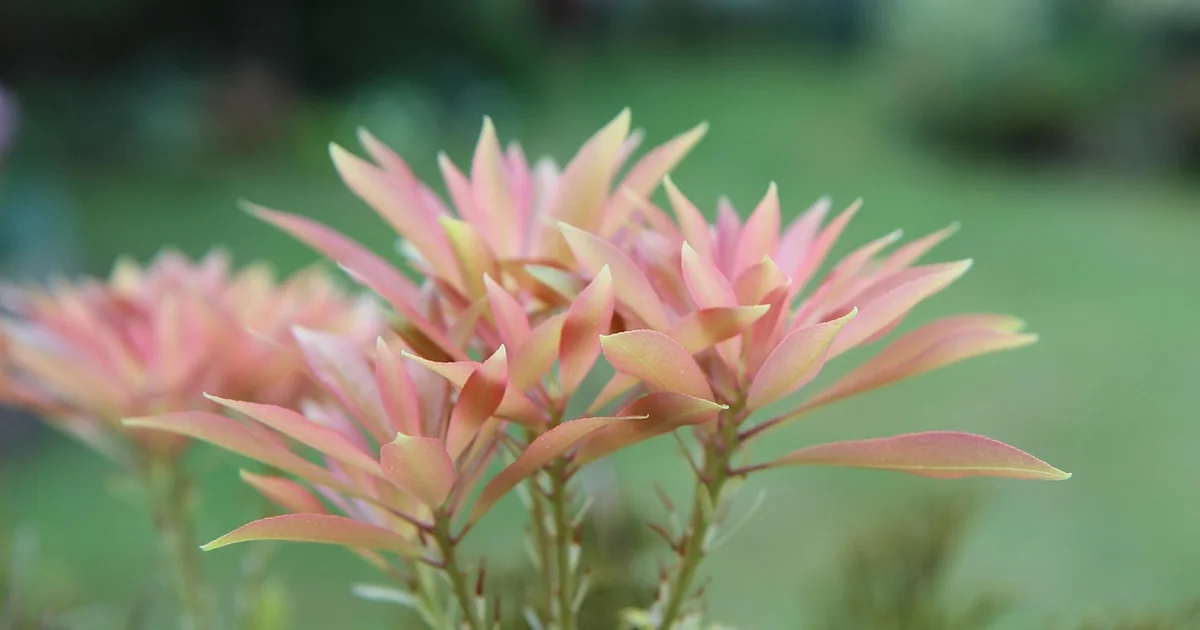
If you have ever wandered through a garden in early spring and spotted pendulous chains of puckered white flowers with a light, sweet scent, you have likely met the lily-of-the-valley shrub. Botanically known as Pieris japonica, this broadleaf evergreen offers much more than its early blooms. It provides reliable structure with its glossy foliage, and some cultivars even put on a show of coppery-red new growth. Understanding the essentials of pieris japonica care is the key to enjoying this multi-season beauty for decades. Let us walk through seven proven tips that will help your shrub thrive in your landscape.
Why This Multi-Season Shrub Deserves a Spot in Your Garden
Native to the mountainous regions of China, Taiwan, and Japan, this plant is remarkably adaptable to various garden styles. It naturally grows taller than it is wide, making it an excellent candidate for tight spaces, foundation plantings, or as a vertical accent in a mixed border. The foliage serves as a stunning backdrop for fall and winter plants, a feature often overlooked by gardeners focused solely on spring blooms.
A surprising fact is that the shrub’s flowers, leaves, and sap are highly toxic to humans and pets. This characteristic, while a major safety consideration, also makes it naturally deer-resistant. In areas where deer browsing is a constant battle, Pieris japonica stands resilient. This duality of beauty and biological defense is what makes it such a valuable addition to the garden. Though it may not be as intensely fragrant as the groundcover it resembles, its early-season display is unmatched by most other woody shrubs.
7 Proven Tips for Growing a Thriving Pieris Japonica
Tip 1: Master the Light and Location Dance
Pieris japonica thrives in full sun to partial shade, but the specific balance depends heavily on your climate zone. In cooler zones (USDA zones 4 through 6), full sun stimulates the most vibrant foliage color and the heaviest flower bud set. However, in warmer regions (zones 7 and 8), intense afternoon sun can scorch the leaves and stress the plant significantly.
The solution: Provide morning sun and dappled afternoon shade. Avoid harsh western or southern exposure whenever possible. Placing it on the east side of a building or under the canopy of a tall deciduous tree is ideal. This positioning mimics its natural woodland edge habitat. A common mistake is planting it in dense shade, which results in leggy growth and sparse blooms. Remember, it needs some direct light to flower well. If your shrub has healthy leaves but consistently fails to produce flowers, insufficient sunlight is the most likely culprit.
Tip 2: Perfect the Soil pH (The 5.0 to 6.0 Sweet Spot)
This is arguably the most critical technical aspect of pieris japonica care. Like its relatives, azaleas and rhododendrons, this shrub is a calcifuge. This term means it absolutely requires acidic soil to thrive. The ideal pH range is between 5.0 and 6.0. If your soil is neutral or alkaline (above 6.5), the plant will struggle with nutrient uptake, particularly iron. This leads to a condition called chlorosis, where the leaves turn yellow while the veins remain green.
The solution: Before planting, conduct a simple soil test. If your pH is too high, amend the soil with elemental sulfur or acidic compost at the time of planting. For ongoing care, apply a specialized fertilizer formulated for acid-loving plants in early spring before new growth emerges. Products designed for camellias or rhododendrons work perfectly. If your native soil is stubbornly alkaline, do not fight a losing battle. Consider growing a dwarf variety like ‘Mountain Fire’ or ‘Little Heath’ in a large container instead.
Tip 3: Water Deeply, But Never Drown
Pieris japonica has a fine, fibrous root system that needs consistent moisture. However, it is highly susceptible to root rot if left in soggy, waterlogged earth. This is the classic Goldilocks scenario of gardening. The balance between hydration and drainage is delicate but manageable.
The solution: For newly planted shrubs, water deeply once a week, providing roughly an inch of water. In hot, dry weather, you may need to increase this to twice a week. The key is to water slowly, allowing the moisture to seep into the root ball rather than running off the surface. A simple check is to stick your finger two to three inches into the soil. If it feels dry at that depth, it is time to water again. Apply a one to two-inch layer of mulch around the base, keeping it several inches away from the trunk. This practice conserves moisture, moderates soil temperature, and gradually decomposes to add organic matter to the soil lattice.
Tip 4: Prune with a Light Touch in Spring
One of the greatest appeals of this shrub is its low-maintenance nature. Pruning is minimal, but timing is everything. Pieris sets its flower buds for the next year in late summer and early fall. If you prune too late in the season, you will inadvertently cut off the developing buds and sacrifice the following spring’s display.
The solution: The best time to prune is immediately after the current season’s flowers have faded, usually in mid-to-late spring. Focus on removing dead or damaged branches first. Lightly shape the shrub by cutting back any excessively long shoots to maintain a compact form. Avoid heavy shearing, which destroys the natural graceful shape of the plant. Instead, use hand pruners for selective cuts that maintain an open, airy structure. This allows light to reach the interior leaves and promotes healthy growth throughout the canopy.
You may also enjoy reading: 9 Best Mini Fridges We Found Online.
Tip 5: Plant at the Right Time (Fall Versus Spring)
Timing your planting sets the stage for the shrub’s long-term health. While container-grown plants can technically be planted any time the ground is not frozen, there are two optimal windows: early spring and early fall.
The solution: Fall planting is arguably superior in regions with unpredictable springs. By planting in early fall, roughly six to eight weeks before the first hard frost, the soil is still warm. This warmth encourages robust root development before the plant goes dormant. An early fall planting gives the shrub a head start. When planting, dig a hole twice as wide as the root ball but exactly as deep. This wide hole is critical for fibrous roots. Mix in some acidic compost or peat moss if your soil needs organic matter. Position the top of the root ball level with the surrounding soil. Planting too deep is a leading cause of failure for this species. Water it in thoroughly and apply a light layer of mulch around the base, but again, not touching the stem.
Tip 6: Choose the Right Container for Patio Growing
If you have heavy clay soil, high pH, or limited garden space, growing Pieris japonica in a container is a fantastic option. It allows you to control the root environment completely. However, container growing requires specific practices to ensure success and prevent stress.
The solution: Select a pot that is at least five gallons in volume, or roughly 12 to 15 inches in diameter, for a single shrub. The material must be frost-proof if left outside in winter, and the pot must have excellent drainage holes. Use a potting mix formulated specifically for acid-loving plants, often labeled for rhododendrons, azaleas, and camellias. Avoid standard garden soil, which will compact and suffocate the roots in a pot. Container plants dry out much faster than in-ground ones. Throughout the growing season, check the moisture level daily. You will likely need to water every one to two days during hot spells. During winter, move the container to a sheltered location away from drying winds to protect the roots from freezing damage.
Tip 7: Respect the Toxicity and Plan Your Placement Carefully
It is impossible to ignore the reality that Pieris japonica contains grayanotoxins in its leaves, flowers, and sap. Ingestion can be serious for humans, cats, dogs, and horses. Symptoms can include vomiting, low heart rate, and respiratory depression. This is not a plant to be feared, but it demands respect and informed placement from the very beginning of your pieris japonica care journey.
The solution: Conduct a thorough assessment of your household and neighborhood. If you have young children who explore the garden by putting things in their mouths, reconsider planting it at toddler eye level, or place it in a fenced area. However, remember that this toxicity is also a superpower. It makes the plant highly resistant to deer and rabbits, which will leave it strictly alone while they decimate your hostas and roses. Position Pieris near property borders or woodland edges where deer pressure is high. You can safely enjoy its beauty by simply educating your family about the risk and wearing gloves when pruning. While its fragrance is lovely, bring cut flowers indoors with extreme care if you have curious pets or small children in the house.
Mastering pieris japonica care is truly about replicating the specific woodland conditions it evolved in centuries ago. You need acidic soil, consistent moisture, shelter from intense heat, and strategic placement. By following these seven proven tips, you are not just planting a shrub. You are building a relationship with a plant that will reward you with structured evergreen presence and enchanting early blooms for many years. Its resilience, beauty, and low-maintenance nature make it a true workhorse in any thoughtful garden design.