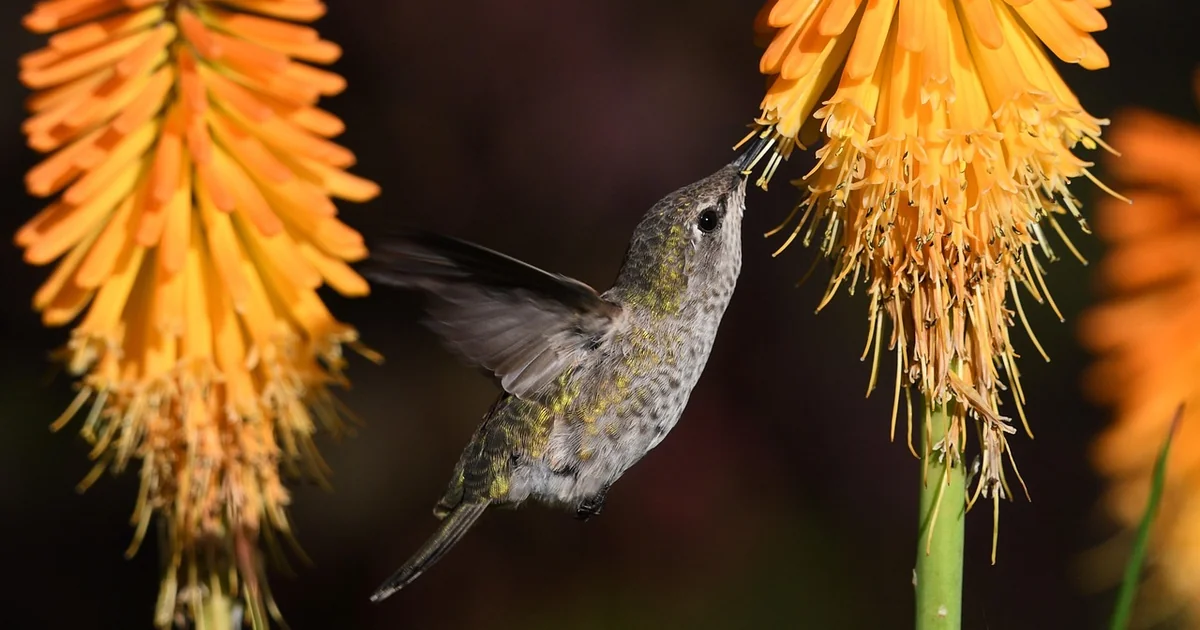
Hummingbirds zip through gardens like living jewels, their wings beating up to 80 times per second as they hover, dart, and sip. These tiny birds burn through enormous amounts of energy each day, which means they need reliable food sources from early spring through late fall. Choosing the right flowers makes all the difference between a yard that hummers merely visit and one they claim as their own territory. A well-planned hummingbird flowers list helps you create a sanctuary these birds will return to year after year.
Why Flower Choice Matters More Than You Think
Many gardeners assume any bright blossom will attract hummingbirds. The reality is more specific. Hummingbirds have evolved alongside particular plant families, and their feeding behavior is finely tuned to certain flower shapes, colors, and bloom times. Planting the wrong flowers wastes space and leaves these birds searching elsewhere for sustenance.
Mary Phillips, head of the National Wildlife Federation’s Garden for Wildlife and Certified Wildlife Habitat programs, explains that native plants have co-evolved with local hummingbird species. These plants meet the birds’ needs better than exotic ornamentals ever could. A garden habitat with at least 70% native plants and three-season bloom supports hummingbirds alongside other pollinators and birds.
The biggest mistake home gardeners make is thinking nectar alone is enough. Phillips notes that 80% of a hummingbird’s nutrition actually comes from insects. These include aphids, mosquitoes, gnats, fruit flies, spiders, caterpillars, and insect eggs. Native plants attract the insects hummingbirds need for protein, creating a complete food web in your yard.
What Flower Features Attract Hummingbirds
Color Preferences Are Built Into Their Vision
Hummingbirds possess retinal adaptations that make red flowers pop while muting cooler colors. Unlike insect pollinators that rely on scent to locate food, hummingbirds depend almost entirely on vision. They spot brightly colored, nectar-rich sources from a distance and fly directly toward them.
This does not mean they ignore other colors. Hummingbirds visit orange, pink, purple, and yellow blooms regularly, especially during migration when they need every calorie they can find. But red flowers act like a beacon, signaling a reliable food source. Flowers that evolved alongside hummingbird pollinators are often red for exactly this reason.
Tubular Shapes Give Hummingbirds an Edge
The long, narrow shape of tubular flowers matches the slender beak and extendable tongue of a hummingbird. While bees and butterflies struggle to reach nectar hidden deep inside these blooms, hummingbirds access it with ease. This gives them a competitive advantage and makes them especially effective pollinators for these plant species.
Common native single-trumpet flower shapes include trumpet vine and penstemon. Some flowers, like bee balm, have individual florets that are tubular even if the overall flower head looks rounded. Phillips recommends laying out an array of tubular blossoms at varied heights to support hummingbirds throughout the season.
7 Flowers Hummingbirds Love
The following hummingbird flowers list features native plants that provide reliable nectar and support local insect populations. Each one has been selected for its appeal to hummingbirds and its adaptability to home gardens.
1. Scarlet Sage (Salvia coccinea)
Scarlet sage produces an abundance of vivid red flowers that dance on wiry stems all summer long. The blooms are small but numerous, creating a continuous display of color that hummingbirds cannot resist. A popular cultivar called ‘Lady in Red’ is widely available and performs exceptionally well in garden settings.
This plant thrives in zones 8 through 11, making it a reliable choice for warmer regions. It blooms from late spring until the first frost, providing a steady nectar source during the months when hummingbirds are most active. Scarlet sage grows best in full sun with well-drained soil, and it tolerates heat and humidity better than many other salvias.
One of the lesser-known advantages of scarlet sage is its ability to self-seed. Once established, it returns year after year with minimal effort from the gardener. The flowers are also attractive to butterflies, adding another layer of pollinator activity to your yard.
2. Eastern Columbine (Aquilegia canadensis)
Eastern columbine is a native wildflower that produces distinctive red-and-yellow blossoms in early spring. The flowers hang downward like delicate lanterns, and their shape is perfectly suited for hummingbirds to hover beneath and sip upward. This plant is one of the earliest nectar sources for hummingbirds returning from migration.
Hardy in zones 3 through 8, eastern columbine thrives in partial shade and well-drained soil. It naturalizes easily in woodland gardens, rock gardens, and along shaded borders. The plants grow about 1 to 2 feet tall and spread gently over time without becoming aggressive.
An interesting fact about eastern columbine is that its nectar is produced at the tips of long spurs. Only hummingbirds and certain long-tongued insects can reach it. This specialized relationship means the plant relies heavily on hummingbirds for pollination, and the birds rely on it for early-season fuel.
3. Cardinal Flower (Lobelia cardinalis)
Cardinal flower produces brilliant, showy red blooms that appear in late summer and last until fall. This timing is critical because it provides nectar when many other flowers have finished blooming. Hummingbirds preparing for migration depend on late-season sources like cardinal flower to build up their energy reserves.
This plant grows in zones 4 through 9 and prefers moist soil with partial shade. It works beautifully along stream banks, rain gardens, and low-lying areas where water collects. The flower spikes can reach 3 to 4 feet tall, creating a dramatic vertical accent in the garden.
Cardinal flower is a short-lived perennial, but it self-seeds readily when conditions are right. Leaving the spent flower heads in place through winter allows the seeds to disperse naturally. The plant also attracts swallowtail butterflies and other large pollinators, making it a valuable addition to any wildlife garden.
4. Bee Balm (Monarda fistulosa)
Bee balm is native to much of North America and adapts to a wide range of growing conditions. Its tubular florets are arranged in dense, rounded clusters that hummingbirds can visit repeatedly in a single feeding session. The flowers come in shades of red, pink, purple, and white, though red varieties tend to attract the most hummingbird activity.
Hardy in zones 3 through 9, bee balm thrives in full sun to partial shade with average soil. It spreads vigorously through underground rhizomes, so give it room to expand or plan to divide it every few years. The foliage has a pleasant minty scent when crushed, and the leaves can be used for herbal tea.
One challenge with bee balm is its susceptibility to powdery mildew, especially in humid conditions. Choosing mildew-resistant cultivars and providing good air circulation helps keep the plants healthy. Despite this minor drawback, bee balm remains one of the most reliable plants on any hummingbird flowers list.
5. Pink Beardtongue (Penstemon)
Pink beardtongue is a short-lived perennial that produces clusters of pink, bell-shaped flowers along upright stems. The tubular shape is ideal for hummingbird feeding, and the flowers appear in late spring to early summer. This plant fills an important gap between the early columbine blooms and the later cardinal flower displays.
Hardy in zones 3 through 9, pink beardtongue prefers full sun and well-drained soil. It tolerates dry conditions once established, making it a good choice for xeriscaping or low-water gardens. The plants grow 1 to 2 feet tall and create a soft, airy texture in the landscape.
Penstemon species are known for their diversity, with over 250 varieties native to North America. Many of these have co-evolved with specific hummingbird species in different regions. Choosing a local ecotype of penstemon ensures the best match for the hummingbirds in your area.
6. Manzanita (Arctostaphylos)
Manzanita includes groundcovers, trees, and shrubs native to the West Coast. The plants produce small, urn-shaped flowers in early spring that are rich in nectar. These blooms appear before many other plants have leafed out, giving hummingbirds an early-season food source when they need it most.
Hardy in zones 8 through 10, manzanita thrives in Mediterranean climates with dry summers and mild winters. The plants are drought-tolerant once established and require little supplemental water. The smooth, reddish-brown bark and twisted branches add year-round ornamental interest to the garden.
Manzanita flowers are typically pink or white, proving that hummingbirds will visit colors other than red when the nectar reward is high enough. The berries that follow the flowers provide food for birds and small mammals later in the season. This makes manzanita a multi-functional plant for wildlife habitat.
You may also enjoy reading: 5 Reasons Your Monstera Is Turning Brown.
California fuchsia produces striking red trumpet-shaped flowers from late summer through fall. The blooms are a magnet for hummingbirds preparing for migration, offering a concentrated nectar source when other flowers are fading. This plant is native to California and parts of Oregon, where it grows in dry, rocky soils.
Hardy in zones 8 through 11, California fuchsia thrives in full sun with excellent drainage. It is extremely drought-tolerant and requires little water once established. The plants spread by underground runners and can form large colonies over time, creating a dense mat of gray-green foliage covered in bright red flowers.
One of the most remarkable features of California fuchsia is its long bloom period. In many areas, it flowers continuously from July until the first frost, providing months of reliable nectar. The plant is also deer-resistant, which is a significant advantage in suburban and rural gardens where deer pressure is high.
How to Arrange These Flowers for Maximum Impact
Planting individual specimens scattered across the yard rarely works well for hummingbirds. These birds are visual hunters, and they need to see clusters of color from a distance to feel confident about approaching. Creating drifts of plants establishes a flight path hummingbirds cannot miss.
Group at least three to five plants of the same species together in a single area. This creates a visual target that hummingbirds can spot from across the yard. Space the drifts about 10 to 15 feet apart so the birds have room to maneuver between feeding stations.
Layer plants at different heights to mimic natural habitat. Low-growing penstemon and columbine work well at the front of borders, while taller cardinal flower and bee balm anchor the middle. Vines like trumpet vine or coral honeysuckle can climb trellises or fences, adding vertical interest.
Providing Water and Shelter Alongside Flowers
Hummingbirds need to bathe frequently to keep their feathers in good condition for flight. They are attracted to moving water, so a shallow fountain, mister, or dripper works better than a traditional birdbath. The sound of splashing water catches their attention and encourages them to visit.
If you use a birdbath, keep the water depth under half an inch. Hummingbirds prefer to perch on the rim and lean forward rather than wade in. Adding a few small stones gives them secure footing while they bathe.
Shelter is equally important. Hummingbirds need protected perches where they can rest between feeding sessions. Deciduous trees, large shrubs, and even tall ornamental grasses provide cover from predators and harsh weather. Place these shelter plants within 10 to 20 feet of your flower drifts so the birds feel safe moving between feeding and resting areas.
Avoiding Common Pitfalls
One frequent mistake is relying too heavily on hybrid or non-native flowers. Many popular garden plants, such as petunias and impatiens, produce very little nectar compared to native species. Hummingbirds may visit them occasionally, but they will not linger in a yard filled with low-value flowers.
Another issue is the use of pesticides. Because hummingbirds depend on insects for 80% of their nutrition, spraying insecticides eliminates their primary food source. Even organic pesticides can reduce insect populations enough to harm hummingbird health. Focus on building a balanced ecosystem where natural predators keep pest populations in check.
Red dye in sugar water is another concern. Some commercial hummingbird feeders contain red dye that may be harmful to the birds. Clear sugar water made with one part white sugar to four parts water is safer and just as effective. The red parts of the feeder itself are enough to attract the birds.
Frequently Asked Questions About Hummingbird Flowers
How many flowers do I need to attract hummingbirds?
A single flower here and there will not sustain hummingbirds. Aim for clusters of at least three to five plants of the same species grouped together. Multiple clusters spaced throughout the yard create a reliable feeding route that hummingbirds will visit repeatedly.
Can I use a hummingbird feeder instead of planting flowers?
Feeders can supplement natural nectar sources, but they should not replace flowers. Flowers provide insects for protein, which feeders cannot offer. A combination of native flowers and a clean feeder gives hummingbirds the balanced diet they need.
What is the best time of year to plant hummingbird flowers?
Spring is ideal for most regions because it gives plants time to establish before the peak hummingbird season. However, fall planting works well for perennials in warmer zones. The key is to have flowers blooming from early spring through late fall to cover the entire hummingbird season.
Do hummingbirds prefer certain flower colors over others?
Red flowers attract hummingbirds most reliably due to their visual system, but they visit orange, pink, purple, and yellow blooms as well. The nectar quality and flower shape matter more than color alone. A diverse hummingbird flowers list with multiple colors will attract more birds than a single color alone.
How do I keep hummingbirds coming back every year?
Provide consistent food sources, water, and shelter throughout the season. Avoid pesticides, keep feeders clean, and leave some garden areas undisturbed for nesting. Once hummingbirds learn that your yard meets their needs, they will return year after year and may even bring their offspring.
Building a garden that hummingbirds love takes thoughtful planning, but the payoff is extraordinary. Watching these tiny birds hover inches from your face, their feathers catching the light like stained glass, is an experience that never grows old. Choose wisely from this hummingbird flowers list, plant in generous drifts, and create a habitat that supports these remarkable creatures through every stage of their busy lives.