Why the Right Compost Bin Changes Everything
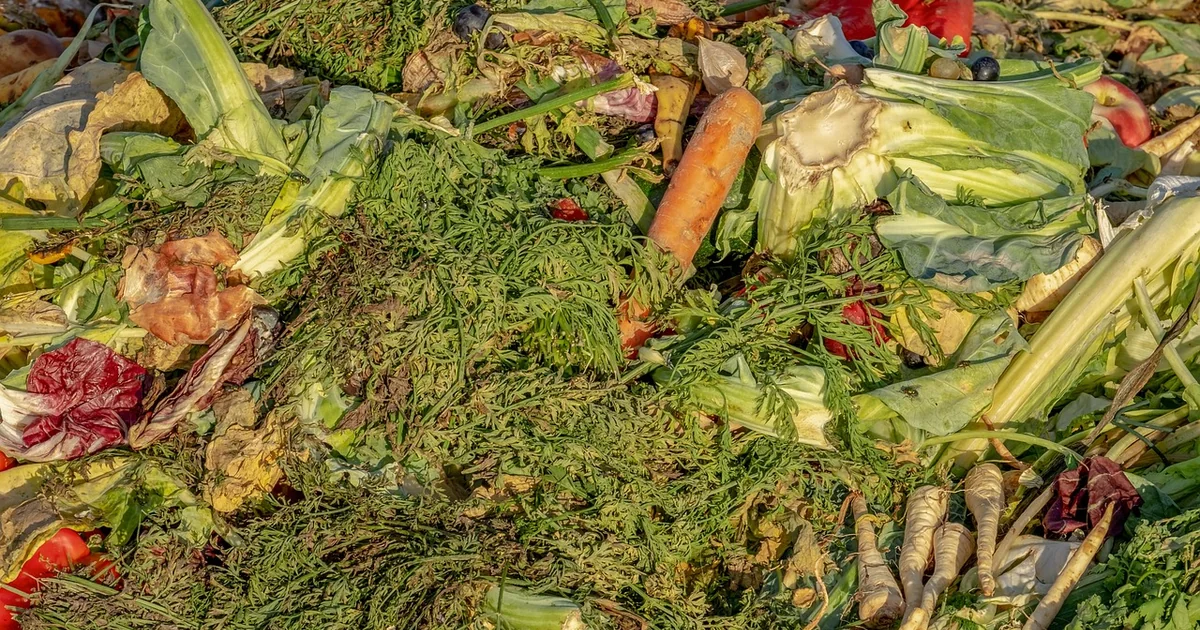
Composting can feel overwhelming at first. The word itself brings images of heavy raking, foul smells, and creatures digging through scraps. Yet the truth is much simpler. With the right container, the whole process becomes almost automatic. A good bin handles aeration, moisture, and pests for you. You just add kitchen waste and yard clippings. After speaking with horticulture extension specialist Aaron Steil, plant expert Fern Berg of Tree Vitalize, and nursery professional Andy Tait of True Green Nursery, we narrowed down the top seven models that meet real-world needs.
Each bin below was evaluated for design, capacity, odor control, durability, and value. We used them for months, noting what worked and what required extra effort. Whether you live in an apartment with a balcony or manage a large vegetable garden, one of these bins is likely a perfect fit.
What Makes a Great Compost Bin in 2026?
Before diving into the list, it helps to understand the key factors. The best compost bins are not just containers; they are systems that accelerate decomposition while keeping your yard or home clean. Here are the main traits to look for:
- Type – Tumbler, stationary bin, vermicomposter, or electric countertop unit. Each suits different spaces and lifestyles.
- Material – Durable plastic, untreated cedar, galvanized steel, or stainless steel. Must withstand sun, rain, and pests.
- Capacity – Range from 1-gallon indoor models to 100+ gallons for large yards. Pick based on how much waste your household generates.
- Odor and pest control – Sealed lids, fine mesh, or raised frames prevent smells and keep critters out.
- Ease of use – Assembly time, rotating mechanisms, and access doors matter more than people think.
The 2026 market offers several innovative designs that address common frustrations like back strain from turning piles and the delay in heating up cold compost. Below are the seven models that performed best in real-life use.
1. Vivosun 43-Gallon Tumbling Composter
This tumbler stood out because it makes aeration effortless. Instead of using a pitchfork, you simply rotate the drum using a handle. During our months of use, the Vivosun required very little maintenance after assembly. The setup took about three hours because of the many small parts and the need to work at awkward angles. Yet the instructions were clear, and once built, the bin felt sturdy on its galvanized steel frame.
Because it sits raised off the ground, you never have to bend down to add scraps or empty compost. The dual doors let you load fresh waste on one side while the other side cooks. Chipmunks, squirrels, and raccoons could not reach the contents because the metal frame lifts the drum and the doors latch securely. We detected no odor when the doors were closed; only upon opening did we notice an earthy smell, not a rotten one. After six months of outdoor exposure, the plastic showed no cracks, fading, or warping. The Vivosun is a top choice for anyone who wants to avoid heavy labor and pest problems.
- Type: Tumbler
- Material: Galvanized steel frame, high-density plastic drum
- Dimensions: 26.25 x 23.6 x 36.5 inches
- Capacity: 43 gallons
- Best for: Backyard composting with minimal effort
2. Worm Factory 360 Vermicomposter
If you want to turn kitchen scraps into rich compost faster, vermicomposting is the way. The Worm Factory 360 uses a set of stackable bins that let worms work through waste layer by layer. We kept it on a shaded, covered porch to protect it from direct sun and rain. The food scraps began breaking down within a few days. The quick-acting worms also prevented odors; the material smelled like damp soil rather than garbage.
However, this system demands more attention than a tumbler. You fill one tray at a time, then rotate them so the newer waste ends up on top. The inclusion of a small rake helped us fluff the bedding. There was a learning curve: our first batch of worms died because we left the composter in direct sunlight. Once we moved it to a warm but not hot sunroom, the worms thrived. After a month, they had produced usable compost. This bin is ideal for apartment dwellers or anyone with limited outdoor space who wants high-quality, fast compost.
- Type: Vermicomposter
- Material: Plastic
- Dimensions: 17.95 x 14.95 x 17.95 inches
- Capacity: Each tray holds about 1 liter
(Total volume with four trays: 4 liters) - Best for: Indoor or small-space composting with worms
3. Greenes Fence 173-Gallon Cedar Bin
For large yards and serious gardeners, this untreated cedar bin offers a classic solution. Its slatted sides allow natural airflow, which is essential for aerobic decomposition. The capacity is enormous — 173 gallons — so you can pile leaves, grass clippings, and kitchen waste without worrying about volume. The cedar is naturally rot-resistant and unreached by chemical treatments, making it safe for organic gardening.
Assembly is tool-free. The slats slide into corner posts, but we found using a mallet made the process faster. You can also expand the system by adding more modules, turning it into a multi-bin operation for continuous composting. Because the bin sits directly on the ground, earthworms and beneficial microbes can migrate upward from the soil. That speeds decomposition significantly. The only downside is that you must turn the pile manually, but the open front gives easy access. For those who enjoy hands-on gardening, this bin is a workhorse.
- Type: Stationary open bin
- Material: Untreated cedar
- Dimensions: 38 x 38 x 39 inches
- Capacity: 173 gallons
- Best for: Large gardens and multi-bin systems
4. OXO Good Grips Countertop Compost Collector
Not everyone has space for an outdoor bin. This stainless steel countertop collector holds about one gallon of kitchen scraps, which is enough for a family of two or three. The charcoal filter in the lid neutralizes odors, so you can keep it on your counter without smelling anything. The soft-close lid stays shut when not in use. We emptied it every two or three days into a larger outdoor bin, and the filter lasted about three months before needing replacement.
The biggest advantage is convenience. You do not need to walk to the backyard every time you peel a carrot. The sleek design fits on most countertops without clashing with your kitchen decor. Hand washing is recommended; the bin is not dishwasher safe. This model bridges the gap between production and final composting, making the whole process less messy.
You may also enjoy reading: We Asked Pro Cleaners: How Often to Really Clean Fridge?.
- Type: Kitchen collector
- Material: Stainless steel with plastic lid
- Dimensions: 8.5 x 8.5 x 8.5 inches
- Capacity: 1 gallon
- Best for: Reducing trips to the outdoor bin
5. Dual-Chamber Tumbling Composter by FCMP Outdoor
The FCMP dual-chamber tumbler solves a common problem: you never have to wait for a full batch to finish before adding new scraps. Each chamber holds about 37 gallons, and you can fill one while the other is finishing. The two chambers rotate independently on a sturdy metal frame. Assembly took about two hours, similar to the Vivosun, but the instructions were well illustrated.
Because the drum is raised, pests could not climb into it. We left it in full sun, and the black plastic helped heat up the interior, accelerating breakdown. No odors escaped when the doors were closed. After eight months of use, the plastic showed some minor fading but no structural issues. The handle makes turning effortless. For a family with moderate yard waste, this is a reliable choice that keeps compost cycles continuous.
- Type: Tumbler (dual-chamber)
- Material: Polypropylene with steel frame
- Dimensions: 36 x 31 x 33 inches
- Capacity: 37 gallons per chamber
- Best for: Continuous composting without mixing finished and fresh waste
6. Bokashi Organko Odorless Kitchen Composter
Bokashi composting uses an anaerobic fermentation process with a special bran that pickles food waste, including meat and dairy, which traditional compost cannot handle. The Organko bucket comes with a drain spigot at the bottom to collect liquid (bokashi tea) that is excellent as plant fertilizer. Because the bucket seals airtight, no odors escape. We placed it under the kitchen sink and noticed nothing.
After about two weeks, the fermented waste can be buried in soil or added to an outdoor compost pile. The process requires no worms and very little space. The 5-gallon bucket is affordable and easy to maintain. The only extra expense is buying bokashi bran regularly. For renters or people with small balconies, this method is a game changer because it can accept all food scraps without smell or flies.
- Type: Bokashi fermentation bucket
- Material: BPA-free plastic
- Dimensions: 15 x 12 x 12 inches
- Capacity: 5 gallons
- Best for: Composting meat, dairy, and cooked foods indoors
7. Looft Composter – Electric Countertop Unit
Electric composters are emerging as a convenient solution for those who want finished compost in hours instead of months. The Looft model uses heat and mixing to dehydrate and break down scraps. It can handle about a gallon of waste per cycle, and the output is a dry, crumbly material that can be used directly in garden soil or as a top dressing.
We used it for a week, running it once a day. The noise level was similar to a dishwasher — noticeable but not disruptive. The interior is non-stick, making cleanup easy. The main drawback is the upfront cost, which is higher than traditional bins. However, for condos or apartments where outside space is limited, an electric composter eliminates smell, pests, and waiting. The unit cycles automatically, and you can add scraps throughout the day before running the cycle at night.
- Type: Electric countertop composter
- Material: Stainless steel interior, plastic exterior
- Dimensions: 14 x 10 x 12 inches
- Capacity: 1.5 liters
- Best for: Immediate compost from kitchen scraps, no outdoor space needed
Common Composting Mistakes and How to Avoid Them
Even with a great bin, beginners often face a few hiccups. Here are the most frequent pitfalls we observed during testing, along with simple fixes.
- Too wet – If the pile smells bad or looks slimy, add dry browns such as leaves, shredded paper, or cardboard. Aim for a ratio of two parts browns to one part greens by volume.
- Too dry – Compost needs moisture to decompose. Sprinkle water when turning the contents. It should feel like a wrung-out sponge.
- Pests – Never add meat, dairy, or greasy foods to outdoor bins. For tumblers, ensure the doors close tightly. For open bins, use a lid or cover fresh scraps with a layer of browns.
- Slow decomposition – Lack of oxygen is usually the cause. Turn the pile weekly in a stationary bin, or spin a tumbler every two days. Smaller pieces break down faster, so chop large fruit rinds.
- Worm die-off – Keep vermicomposters out of direct sunlight. The ideal temperature range is 55 to 77°F (13 to 25°C). If worms are dying, move the bin to a cooler spot.