Why Container Growing Works for Peppers
Not everyone has a sprawling vegetable garden with endless rows of soil. Apartment dwellers, renters with tiny patios, and homeowners with paved backyards often feel left out of the homegrown harvest. Pepper plants, however, adapt remarkably well to life in containers. Their root systems are naturally compact compared to sprawling plants like squash or tomatoes. A single well-cared-for plant in a pot can produce as much fruit as one in the ground, sometimes more, because container soil warms up faster in spring. Growing peppers in pots also gives you control over soil quality, drainage, and sun exposure. You can move the containers to follow the light or shelter them from harsh weather. This flexibility makes potted peppers a perfect entry point for anyone wanting fresh produce without a full garden.
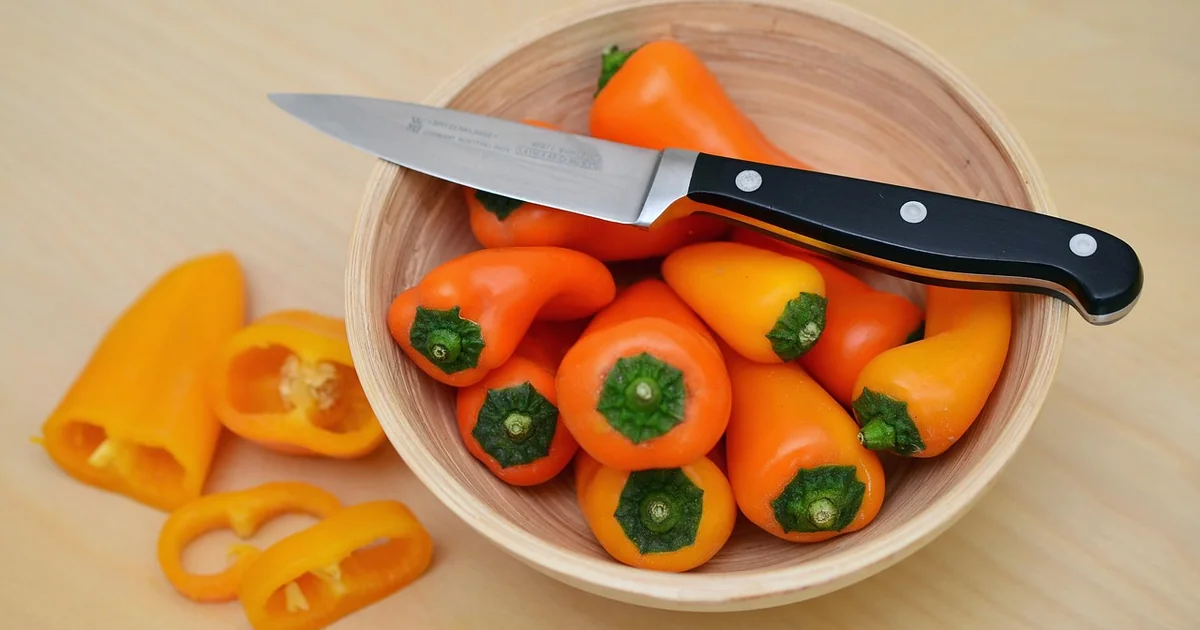
Choosing the right variety matters, though. Some pepper types stay small and bushy, while others grow tall and need staking. Some ripen quickly, which helps in cooler climates or on shady balconies. The five peppers listed below consistently perform well in containers. Each one offers something different in heat level, appearance, and kitchen use. Whether you want a mild snacking pepper or a fiery ingredient for homemade hot sauce, there is a container-friendly option waiting for you.
What Makes a Pepper Variety Ideal for Pot Growing
Pepper plants bred for compact growth or naturally small mature sizes thrive in confined spaces. Look for varieties described as dwarf, bush, or patio-friendly. These plants typically reach about 18 to 30 inches tall, which reduces the need for staking and keeps the root ball manageable inside a pot. Another factor is days to maturity. Varieties that ripen in 60 to 75 days from transplanting give you a faster payoff, which is especially valuable if your growing season is short. Yield per plant also matters. Some peppers produce dozens of fruits per season, making each pot highly productive. Below are five top contenders that check these boxes and earn their spot on any container gardener’s list.
Jalapeño: The Reliable Workhorse for Beginners
Jalapeño peppers are arguably the easiest option for anyone new to peppers in pots. Plants stay compact, usually topping out around 24 to 30 inches tall, and they do not require complicated pruning or support. A single plant in a 3-gallon container can produce 30 to 50 peppers over the growing season. You can harvest them while still green for a milder, grassy flavor, or leave them on the plant until they develop cracks called corking and turn red, which signals full ripeness and significantly more heat. The Scoville rating of a fully ripe jalapeño can reach 8,000 units, while green ones hover around 2,500 to 5,000. This range makes jalapeños versatile for salsas, stuffed poppers, or pickling. They also adapt well to partial shade, though full sun yields the best production.
One common mistake with jalapeños in containers is overwatering. The leaves turn yellow and growth stalls when roots sit in soggy soil. Let the top inch of potting mix dry out between waterings, and make sure your pot has drainage holes. A 12-inch diameter pot is the minimum size, but a 5-gallon fabric grow bag gives roots extra breathing room and improves airflow.
Shishito: Mild, Fun, and Conversation-Starting
Shishito peppers originated in Japan and are often served blistered in a hot pan with salt and sesame oil. Their heat level is mild, generally 50 to 200 Scoville units, which means almost no burn at all. About one in ten shishitos carries a surprising spike of moderate heat, making eating them a playful guessing game. Plants grow 18 to 24 inches tall and branch freely, producing dozens of slender, wrinkled fruits that start green and turn red if left to ripen. A 12-inch pot works for a single shishito plant, but upgrading to a 5-gallon container boosts yields noticeably. These peppers are ideal for families with children because the mild flavor and quick cooking process make them accessible to young palates. They also mature early, around 60 days from transplant, which suits gardeners in cooler northern zones.
Shishito plants do best with consistent moisture and a weekly dose of balanced liquid fertilizer once flowers appear. Their compact nature means they can sit on a balcony railing or a sunny kitchen windowsill without overwhelming the space. For anyone who grows peppers in pots primarily for fresh eating, shishitos deliver a steady supply of snacking peppers from midsummer until the first frost.
Thai Chili: Tiny Plant, Massive Yield
Thai chili plants rarely exceed 12 to 18 inches in height, making them one of the most space-efficient options for container gardening. Despite their small stature, each plant can produce over 100 peppers in a single season. The fruits grow upright, clustered like tiny candles, and turn from green to bright red as they mature. Their heat level is substantial, ranging from 50,000 to 100,000 Scoville units, about ten to twenty times hotter than a jalapeño. This makes Thai chilis perfect for drying and grinding into homemade chili powder or adding whole to stir-fries and curries. Because the plants are so compact, you can fit three or four pots in a small balcony corner and still have plenty of peppers for year-round cooking.
These peppers need at least six hours of direct sunlight per day to set fruit heavily. If you have a south-facing window indoors or a sunny patio, Thai chilis will thrive. Use a pot that holds at least 2 gallons, and stake the plant lightly if it becomes top-heavy with fruit. The high yield per square foot makes Thai chilis a top choice for anyone who wants maximum output from minimal space.
Habanero: Heat and Aroma in a Compact Package
Habanero peppers bring intense fruity heat, often clocking in between 100,000 and 350,000 Scoville units. Their distinctive citrusy, floral aroma sets them apart from other hot varieties. Plants grow 24 to 36 inches tall and are somewhat bushy, which suits container life well. A 3 to 5-gallon pot provides enough root volume for a single habanero plant to yield 50 to 100 peppers across a long season. Habaneros take longer to mature than jalapeños or shishitos, often requiring 80 to 100 days from transplant. However, they continue producing well into autumn if you protect them from frost by moving pots indoors or against a warm wall.
One advantage of growing habaneros in containers is the ability to control soil temperature. These peppers originated in the Yucatán region and prefer warm roots. Dark-colored pots absorb heat during the day and keep the root zone cozy. Use a well-draining potting mix and water deeply but infrequently. Habaneros reward patience with generous harvests that can be turned into mango-habanero hot sauce, spicy jams, or dried flakes for seasoning.
Banana Pepper: Mild, Prolific, and Kid-Friendly
Banana peppers are among the mildest options on this list, usually registering 0 to 500 Scoville units. Their sweet, tangy flavor makes them a favorite for salads, sandwiches, and pickling. Plants mature at around 24 to 30 inches tall and produce an abundance of elongated, pale yellow fruits that turn orange and red as they ripen. A single plant in a 3-gallon container can easily yield 20 to 40 peppers. Because they are so mild, banana peppers are excellent for involving children in gardening. Kids can safely eat them straight off the plant without any burning sensation, and the colorful ripening stages offer a visual lesson in plant development.
Banana peppers tolerate a wider range of soil moisture than some other varieties, though they still need well-draining containers. They also adapt to partial shade better than most hot peppers, producing a reasonable harvest with as little as four hours of direct sunlight. For gardeners with limited sun exposure or those who prefer a milder flavor profile, banana peppers are a reliable, low-stress addition to any container setup.
You may also enjoy reading: 7 Steps to Plant & Grow Wild Ginger.
How to Set Your Peppers in Pots Up for Success
Choosing the right variety is only half the battle. Container-grown peppers have specific needs that differ from in-ground plants. Paying attention to pot size, soil composition, watering rhythm, and sun exposure will determine whether your plants merely survive or truly thrive.
Pot Size and Material
Most pepper varieties perform well in containers that hold at least 3 gallons of soil. Larger pots, such as 5-gallon buckets or fabric grow bags, provide more root volume and buffer against temperature swings. Plastic pots retain moisture longer, which can be helpful in hot, dry climates. Terracotta pots allow the soil to breathe and dry out faster, which is beneficial in humid areas or for gardeners prone to overwatering. Fabric grow bags offer excellent drainage and air pruning of roots, leading to healthier root systems, though they require more frequent watering. Whatever material you choose, ensure the container has drainage holes in the bottom. Peppers sitting in stagnant water are vulnerable to root rot and fungal diseases.
Soil Mix and Fertilizer
Standard garden soil is too heavy for containers and compacts easily, suffocating roots. Use a high-quality potting mix designed for containers. Look for one that contains perlite, vermiculite, or coconut coir for aeration and moisture retention. Mix in a slow-release balanced fertilizer at planting time, then switch to a liquid fertilizer higher in phosphorus and potassium once flowers appear. Nitrogen-heavy fertilizers encourage leafy growth at the expense of fruit production. A weekly feeding with a tomato or pepper-specific liquid fertilizer keeps plants vigorous and productive throughout the season.
Watering Without Drowning
Overwatering is the most common cause of failure with peppers in pots. The soil should feel moist but not soggy. Stick your finger about an inch into the potting mix. If it feels dry, it is time to water. In hot summer weather, containers may need watering daily, sometimes twice a day if the pot is small or the material is porous. Always water at the base of the plant rather than overhead to minimize fungal issues on leaves. Adding a layer of mulch on top of the soil, such as shredded bark or straw, slows evaporation and keeps roots cool.
Sunlight Requirements
Peppers are sun-loving plants. They produce the most fruit when they receive at least six to eight hours of direct sunlight daily. A south-facing balcony, patio, or deck is ideal. If you only have partial sun, choose compact varieties like Thai chili or banana pepper, which are more forgiving. You can also supplement natural light with a grow light if you are growing indoors. Lack of adequate sunlight leads to leggy plants, fewer flowers, and disappointing harvests. Rotate your pots every few days to ensure even light exposure on all sides.
Harvesting Your Container Peppers at the Right Time
Peppers can be harvested at any size, but the flavor, heat, and nutritional content change as they mature. Green peppers are simply unripe fruits of any variety. Allowing peppers to stay on the plant until they reach their final color, whether red, orange, yellow, or purple, lets them develop full sweetness and higher vitamin content. For hot varieties, capsaicin levels increase as the fruit ripens, so a red jalapeño is substantially hotter than a green one. Use clean scissors or pruning shears to cut the stem just above the fruit. Pulling peppers by hand can damage the plant and reduce future yields.
Regular harvesting encourages the plant to keep producing. If you leave mature peppers on the plant, it may slow down or stop setting new fruit. Check your plants every few days during peak season. Most peppers store well in the refrigerator for up to two weeks, or you can freeze, dry, or pickle them for long-term use.
Growing your own supply of spicy or sweet peppers from a small patio or balcony is entirely achievable. Start with one or two of the varieties listed above, use the right pot size and watering schedule, and you will enjoy fresh peppers from midsummer through the first frost. The satisfaction of plucking a pepper you grew yourself from a pot on your doorstep never gets old.