Dahlias are the showstoppers of the late-summer garden, but getting them to produce those jaw-dropping, dinner-plate-sized blooms takes more than just planting a tuber and hoping for the best. These plants are heavy feeders, and without a strategic approach to nutrition, you will end up with tall, leafy plants and very few flowers. Understanding the specific hunger of a dahlia is the key to unlocking its full potential. Let’s break down the exact dahlia fertilizer tips that will transform your garden from ordinary to extraordinary.
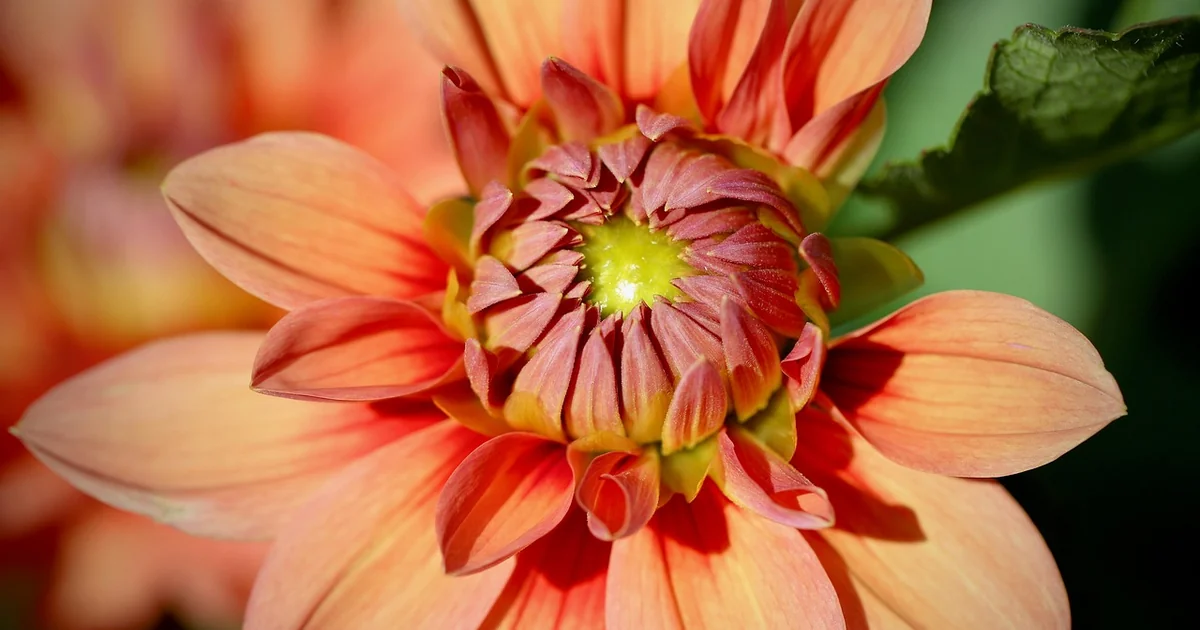
Why Dahlias Demand a Specific Feeding Strategy
Think of a dahlia like a high-performance athlete. It needs a precise balance of fuel to perform at its peak, not just a generic all-purpose mix. The primary goal is to encourage massive, vibrant blooms, not just a lot of green foliage. This is where most gardeners make their first mistake. They reach for a standard fertilizer high in nitrogen, which pushes leaf and stem growth at the expense of flowers. A dahlia needs a steady supply of phosphorus for bloom development and potassium for overall plant health and disease resistance, with just a modest amount of nitrogen for structural support.
In the world of floriculture, the NPK ratio (Nitrogen, Phosphorus, Potassium) is everything. For dahlias, a ratio like 5-10-10 or 10-20-20 is far superior to a balanced 10-10-10. The lower nitrogen and higher phosphorus and potassium signal to the plant that it is time to produce flowers, not just leaves. This is not a suggestion; it is a biological necessity if you want those iconic giant blooms. Ignoring this balance is the single most common reason for a disappointing dahlia display.
Tip 1: Start with a Soil Test for a Custom Feeding Plan
Before you buy a single bag of fertilizer, you need to know what you are working with. A soil test is the most important first step, and it is one that many home gardeners skip. You can purchase a simple at-home test kit from any garden center for about $10 to $15. This will tell you the existing pH and the levels of major nutrients already in your soil. Dahlias prefer a slightly acidic to neutral pH, ideally between 6.0 and 7.0.
Interpreting Your Soil Test Results
If your test shows high nitrogen, you will need to avoid any additional nitrogen entirely and focus on phosphorus and potassium. If phosphorus is low, you will need a heavy dose of bone meal at planting time. A soil test removes the guesswork. For instance, a soil sample from a bed that previously grew tomatoes might be depleted of calcium, which dahlias also appreciate. You would then look for a fertilizer that includes calcium, or add a separate supplement like gypsum. This targeted approach ensures you are correcting deficiencies, not creating toxicities.
Tip 2: Match the Fertilizer to the Dahlia Variety
Not every dahlia has the same appetite. A massive dinnerplate dahlia like ‘Café au Lait’ or ‘Thomas A. Edison’ requires significantly more fuel than a compact bedding variety like ‘Gallery Art Deco’. The larger the potential bloom, the hungrier the plant. A single dinnerplate dahlia can consume as much as 37% more phosphorus during its peak blooming phase compared to a smaller decorative type. This is a measurable difference that directly impacts flower size.
For giant-flowered varieties, you should consider a slow-release granular organic fertilizer at planting time, followed by a liquid feed high in phosphorus every two weeks once buds appear. For smaller bedding dahlias, a single application of a balanced organic fertilizer at planting and one more when the first buds form is often sufficient. Overfeeding a small variety can actually cause the stems to become weak and flop over under the weight of even modest blooms, so adjust your approach based on the plant’s genetics.
Tip 4: Timing Your Fertilizer Applications for Maximum Impact
Timing is everything when it comes to dahlia fertilizer tips. Applying nutrients at the wrong time can be worse than not applying them at all. The feeding schedule has three distinct phases, each with a specific goal.
Phase 1: The Starter Feed (Planting to Sprouting)
When you plant the tuber, do not add high-nitrogen fertilizer. The tuber contains enough stored energy to send up its first shoots. Instead, focus on phosphorus. Add bone meal to the planting hole to encourage strong root development. Once the sprouts emerge and are about 4-6 inches tall, you can give them a very light dose of a balanced liquid fertilizer (like fish emulsion) to support early stem growth.
Phase 2: The Budding Boost (Late Spring to Early Summer)
This is the most critical feeding window. As soon as you see the first flower buds forming, switch to a high-phosphorus, high-potassium fertilizer. This signals the plant to direct its energy into flower production. Apply a liquid feed every 2-3 weeks from June through August. This is the period when your dinnerplate dahlias are deciding whether to produce a 6-inch bloom or a 12-inch bloom.
Phase 3: The Maintenance Feed (Peak Bloom Season)
Continue feeding every 3-4 weeks through the main blooming season, which runs from July to the first frost in most zones. Use a balanced organic granular fertilizer scratched into the soil around the base of the plant, or continue with a liquid feed. For container-grown dahlias, you will need to feed more frequently, about every 10-14 days with a half-strength liquid fertilizer, because nutrients leach out of pots with every watering.
You may also enjoy reading: 11 Low-Cost Bathroom Updates That Won’t Drain Your Savings.
Tip 5: Adjust for Your Climate and Growing Conditions
Your local climate and how you grow your dahlias dramatically change their feeding needs. In hotter climates, like USDA zones 9 and 10, the soil warms up faster and nutrients break down more quickly. However, high heat can also stress plants and make them more susceptible to fertilizer burn. In these zones, reduce the amount of nitrogen you use by about 25% compared to a cooler climate. Focus on potassium to help the plant handle heat stress.
In cooler northern zones, like zones 3-5, the growing season is shorter, and the soil is slower to release nutrients. Here, you might need a slightly richer mix at planting time and a more aggressive feeding schedule to push blooms before the first frost. Container dahlias, regardless of zone, are a special case. They are entirely dependent on you for their nutrition. Use a high-quality potting mix and plan on feeding them with a liquid organic fertilizer at half strength every week to ten days during the growing season.
Tip 6: Recognize and Fix Common Fertilizer Problems
Even with the best intentions, problems can arise. The most common issue is overfeeding with nitrogen. The symptoms are unmistakable: huge, lush, dark green leaves, but very few flowers. If you see this, stop all nitrogen-containing fertilizers immediately. Switch to a phosphorus and potassium-only supplement like liquid bone meal or a bloom booster.
Another common problem is salt buildup from synthetic fertilizers. This shows up as yellowing leaf edges or a white crust on the soil surface. If you are using synthetic fertilizers, you must water deeply between feedings to flush out excess salts. Organic fertilizers are far less likely to cause this issue. If you notice stunted growth or yellowing leaves despite regular feeding, your soil pH may be off, locking out nutrients. A pH between 6.0 and 6.8 is ideal for dahlias to absorb iron and phosphorus.
Tip 7: End-of-Season Care for Next Year’s Tubers
Your feeding strategy doesn’t end when the blooms fade. In late August or early September, about 4-6 weeks before your first expected frost, stop fertilizing your dahlias entirely. This is a critical step. The plant needs to shift its energy from producing flowers to storing energy in the tuber for next year. Continuing to feed will push new growth that will just be killed by the frost, wasting the tuber’s precious stored energy.
After the first frost blackens the foliage, cut the stems back to about 6 inches. Carefully dig up the tubers, let them dry in a cool, dark place for a day or two, and then store them in peat moss or wood shavings in a cool (40-50°F), dark, frost-free location. A well-fed tuber will be firm and plump. A starved tuber will be shriveled and weak. The quality of your feeding program this year directly determines the size and health of your blooms next year.
Mastering these dahlia fertilizer tips transforms your approach from a casual gardener to a dahlia grower capable of producing award-worthy blooms. It is a process of observation, adjustment, and patience. Pay attention to what your plants are telling you, and they will reward you with a display that stops neighbors in their tracks.