Watching a hummingbird hover mid-air, its wings a blur, is one of gardening’s purest joys. These tiny visitors bring energy and color to any outdoor space. But coaxing them into your yard takes more than luck. It requires understanding their habits, preferences, and needs.
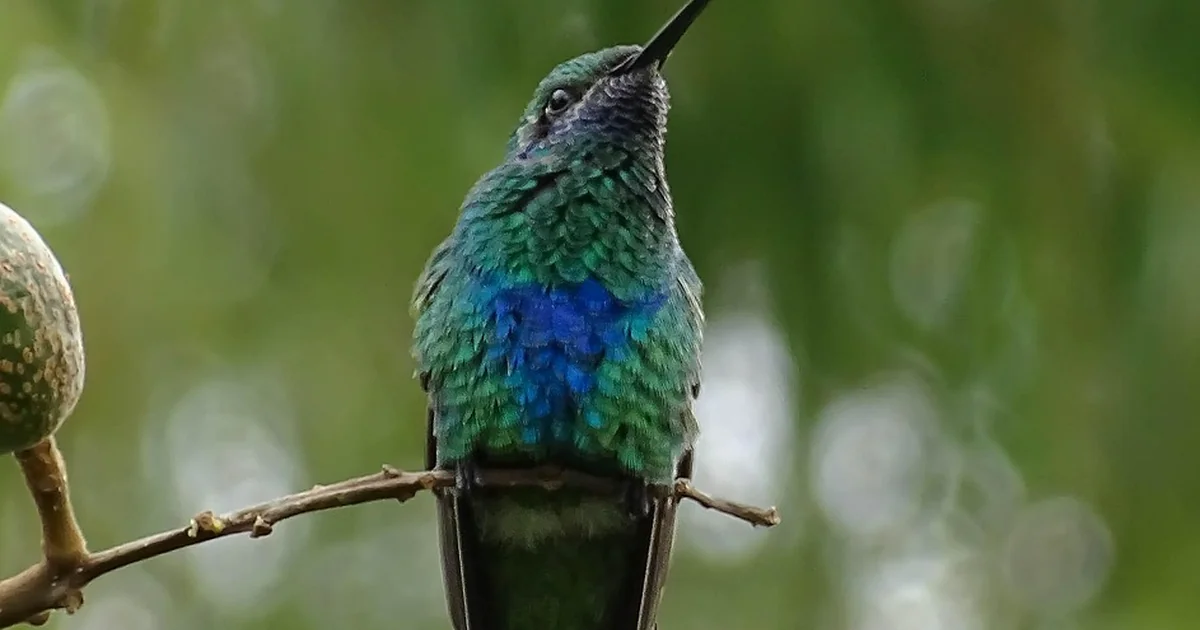
1. Hang Feeders With the Right Nectar Recipe
A well-placed feeder acts like a fast-food station for hummingbirds. It provides an instant energy source without waiting for flowers to bloom. But the nectar you use matters enormously.
Skip the red dye found in many commercial mixes. Studies suggest it offers no benefit and may even harm the birds. Instead, make your own solution. Combine 4 cups of water with 1 cup of white granulated sugar. Bring the mixture to a boil, stirring until the sugar dissolves completely. Let it cool before filling your feeder. Do not add honey, brown sugar, or artificial sweeteners — these can cause fungal infections or provide no calories.
One feeder can deliver the same amount of energy as 2,000 to 5,000 individual flowers. That is a massive advantage, especially during migration months. Hang the feeder between 3 and 5 feet off the ground. Position it in a spot that receives partial shade, as hot direct sun can spoil nectar quickly. If you have multiple feeders, space them at different heights and locations to reduce territorial squabbles.
Cleanliness is non-negotiable. Replace nectar every three days — more often in hot weather. Wash the feeder weekly with hot, soapy water and a bottle brush. Rinse thoroughly. A dirty feeder can grow black mold, which causes a fatal tongue infection in hummingbirds. This single practice can save lives.
2. Plant Tubular, Native Flowers in Warm Hues
Feeding stations are excellent, but living plants create a sustainable, natural buffet. Hummingbirds evolved alongside specific flower shapes and colors. They are especially drawn to blooms that are orange, red, or pink with a tubular form — their long, thin bills fit perfectly inside those narrow corollas.
Native plants are particularly effective because local hummingbirds already recognize them. Here are four powerhouse species to consider:
Bee Balm (Monarda)
This perennial produces ragged clusters of tubular flowers in red, pink, purple, or white. Its blooms appear from mid to late summer, providing nectar when many other plants have faded. Bee balm also attracts butterflies and bees, but its shape favors hummingbirds.
Columbine (Aquilegia)
With delicate, bell-shaped blossoms and backward-pointing spurs, columbine blooms in early spring — a critical time when hummingbirds arrive from migration. Colors span blue, purple, pink, yellow, and white. The spurs force hummingbirds to hover and dip, reinforcing their natural feeding posture.
Cardinal Flower (Lobelia cardinalis)
This striking plant sends up tall spikes of vivid red, trumpet-shaped flowers in late summer and early fall. It thrives in moist soil and partial shade. The sheer intensity of its color acts like a beacon, drawing hummingbirds from a distance.
Jewelweed (Impatiens capensis)
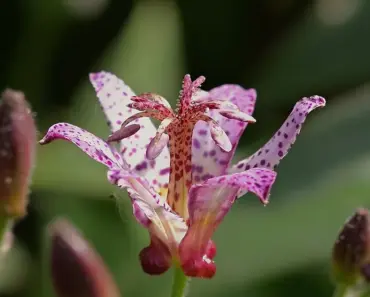
Often considered a wildflower, jewelweed tolerates deep shade and wet ground where few other nectar sources grow. Its orange or yellow trumpet flowers, dotted with reddish spots, bloom in mid to late summer. Hummingbirds visit it eagerly, and it also supports pollinators like bees.
Beyond these, consider planting lilies, trumpet vine, salvia, petunias, and fuchsia. A mix of perennials and annuals ensures continuous bloom from spring through fall.
3. Provide Perches and Shelter Nearby
Hummingbirds are not always in motion. They spend a surprising amount of time resting between feeding bouts. A garden that lacks perches forces them to expend extra energy hovering, which they may avoid altogether.
Place a few small tree branches, thin dowels, or a clothesline near your feeders and flower beds. Hummingbirds prefer perches that offer a clear view of the surrounding area — they are wary of predators and like to scan before darting in. A dead branch or a shepherd’s hook works perfectly.
Shelter is equally important. Provide shrubs, small trees, or a dense hedge within 10 to 15 feet of feeding zones. Evergreens like arborvitae or juniper give year-round cover. Deciduous options such as dogwood or serviceberry offer both hiding spots and additional flowers or berries. If you have the space, leave a small thicket of native brush untouched. Hummingbirds will use these spots for roosting at night and escaping rain or extreme heat.
4. Offer a Shallow Water Source
Nectar and bugs supply moisture, but hummingbirds also enjoy drinking and bathing in clean water. A standard birdbath is often too deep for their tiny bodies. They prefer water no deeper than 1.5 inches — about the depth of a large saucer.
You can buy a shallow dish or simply modify an existing bath by filling the bottom with coarse gravel or flat stones. The goal is to create a safe landing area where the water barely covers the bird’s feet. Place a few twigs or small stones protruding from the water so hummingbirds can perch while drinking.
Position the water source in partial shade, near shrubs or perches, so birds feel secure. Change the water every two to three days to prevent mosquito larvae from hatching. A moving water feature, such as a drip basin or a small fountain with a gentle trickle, attracts even more attention because hummingbirds are curious about splashing sounds.
You may also enjoy reading: 5 Tips to Plant & Grow Variegated Ribbon Grass.
5. Encourage Insects for Natural Protein
Many gardeners overlook a critical fact: hummingbirds do not live on sugar alone. Nectar supplies quick energy, but for growth, feather development, and feeding their young, they need protein from tiny insects and spiders. A single hummingbird may consume dozens of small bugs each day.
To attract hummingbirds effectively, you must also attract their prey. Allow a small corner of your yard to grow a little wild. A patch of native weeds, a cluster of grasses left un-mowed, or a small vegetable garden that goes to seed all serve as insect nurseries. Gnats, aphids, fruit flies, and small spiders thrive there, and hummingbirds will hunt among the foliage.
You can also place overripe fruit — such as bananas, melon rinds, or berries — in a shallow dish near a feeder. Rotting fruit draws fruit flies and gnats, giving hummingbirds an easy protein snack. Remove the fruit after a couple of days to avoid attracting larger pests or bees. This simple trick mimics the natural abundance of a late-summer garden.
6. Never Use Pesticides or Insecticides
This secret is as much about what you do not do as what you do. Spraying chemicals to kill aphids, mosquitoes, or caterpillars can devastate the hummingbird food web. The birds consume contaminated insects, and the poison residues on flowers can sicken them directly.
Instead, embrace integrated pest management. Encourage beneficial insects like ladybugs and lacewings, which naturally control aphid populations. Use a strong spray of water from a hose to dislodge pests on plants. Apply neem oil sparingly and only on non-flowering parts of plants during times when hummingbirds are not active.
If you must treat a severe infestation, choose a product labeled safe for pollinators and apply it at dusk when hummingbirds have stopped feeding. Better yet, plant pest-resistant native species that require little to no intervention. A hummingbird-friendly garden should be a chemical-free sanctuary.
7. Create a Staging Area With Seasonal Variety
Hummingbirds are migratory in many regions. They arrive in early spring, breed through summer, and depart in fall. To keep them coming back year after year, your garden must offer something in every season.
Start with early bloomers like columbine, red buckeye, or flowering quince. These provide critical fuel for birds making the long journey north. As spring transitions to summer, add bee balm, salvia, and trumpet vine. In late summer and early fall, cardinal flower, jewelweed, and Mexican sunflower maintain the nectar supply for southbound migrants and resident birds building fat reserves.
Vary the height and location of your plants. Hummingbirds prefer to feed in areas with some open space for aerial maneuvers. Group flowers in clusters rather than scattering single plants — a mass of color is far more visible to a flying bird. Leave a few dead flower stalks standing through winter; some hummingbirds may use them as roosts on cold nights, and the seeds provide food for other wildlife.
Finally, keep a hummingbird journal. Note which flowers they visit most, what time of day they appear, and when they leave. Over time, you will learn the unique rhythm of your local population and can adjust your garden accordingly. This patient observation is the truest secret of all.
Each of these seven steps builds on the others. Feeders give quick energy, flowers sustain long-term visitation, perches and water provide comfort, insects supply necessary protein, and avoiding chemicals protects the whole system. Put them together, and your yard will become a hummingbird magnet — a living, buzzing showcase of nature’s most astonishing little acrobats.