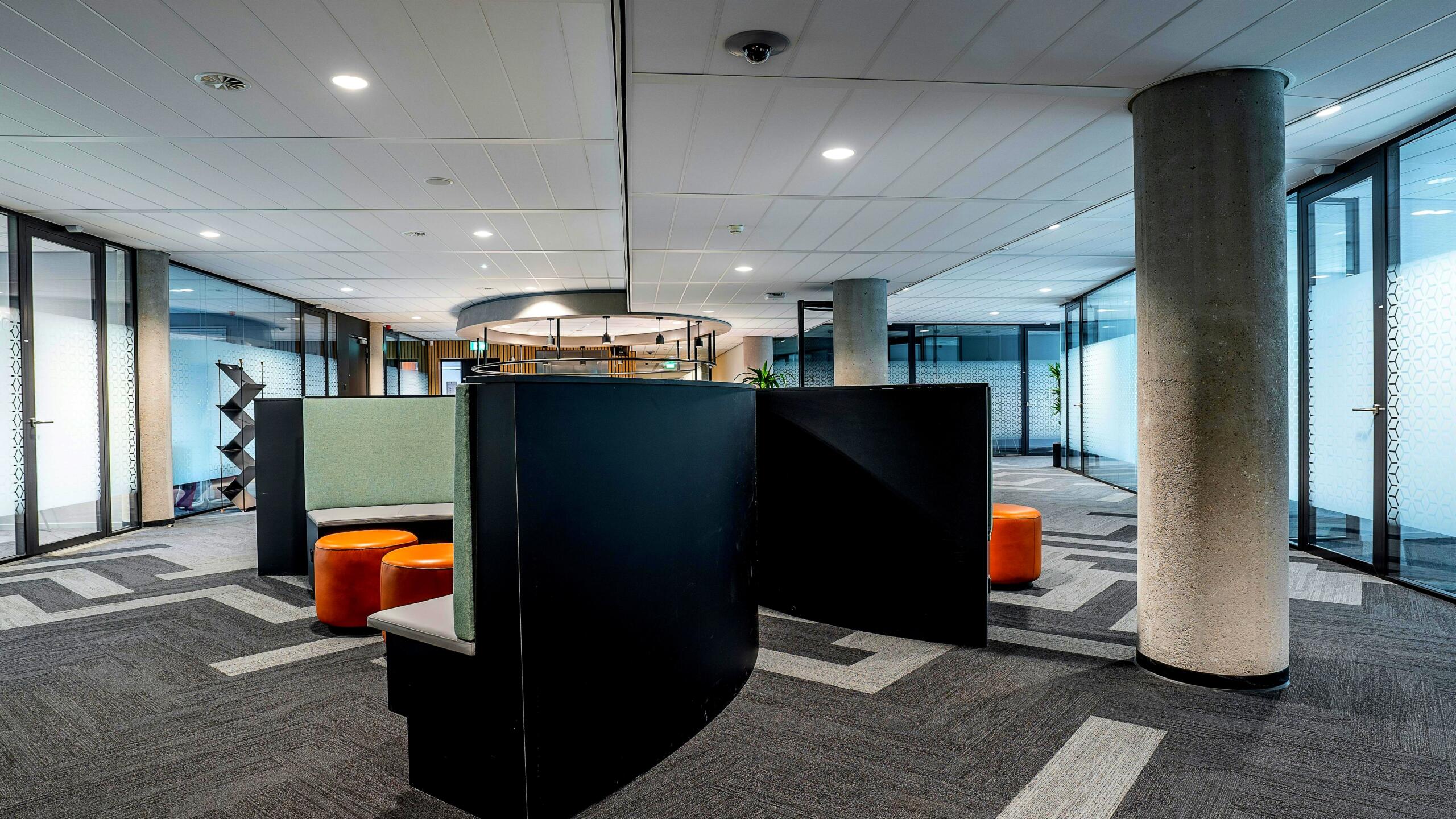
For business, transformative office design ideas include biophilic elements like live plants to boost creativity and reduce stress, using natural light to enhance mood and productivity, and creating hybrid workspaces with Team Ready rooms and hot-desking for flexibility. These ideas foster a collaborative, efficient environment. Office design ideas for business encompass strategic interior enhancements such as biophilic elements, natural lighting, and hybrid layouts to improve employee productivity and well-being. The following sections compare several key design strategies, providing a framework for business owners and managers to evaluate options for their workspace transformation.
Comparison of Office Design Ideas for Business
The table below provides a high-level comparison of key office design concepts, highlighting their primary benefits and typical applications to help you make an informed decision.
| Design Idea | Primary Benefits | Key Features |
|---|---|---|
| Biophilic Elements | Enhances well-being and cognitive function | Natural materials and elements to connect with nature |
| Noise Control Measures | Enhances focus and reduces distractions | Sound-absorbing materials and designated focus areas |
| Hybrid Workspaces | Supports flexible, modern work models | Spaces for both in-office and remote collaboration |
| Branding and Themed Elements | Enhances company culture and employee engagement | Themed decor and branded elements |
| Flexible Furniture | Adapts to changing needs and promotes collaboration | Modular, adaptable furniture systems |
| Texture and Minimalist Accents | Enhances aesthetic appeal and comfort | Soft textiles and natural accents |
| CR&A Custom Services | Expert design and project management support | Professional design and implementation support |
Biophilic Elements
Integrating nature into the workplace directly influences cognitive function and employee well-being. Natural light is a key element in biophilic design, known to positively influence worker well-being. This approach, known as biophilic design, uses more than just windows; it involves strategic placement of greenery and materials that evoke the outdoors. Properly incorporating natural light can help regulate employees’ circadian rhythms, improving alertness, and it reduces reliance on harsh artificial lighting that can cause eye strain.
Live plants contribute to improved indoor air quality and create a calming visual element, which can help reduce mental fatigue. A space filled with natural elements is not only aesthetically pleasing but also supports long-term cognitive health and focus, which are critical for sustained productivity. By connecting employees to nature, businesses can foster a calmer, more inspired atmosphere that naturally encourages innovation.
Noise Control Measures
Effective noise management is essential in open-concept offices to prevent distractions and maintain privacy. Installing wooden slated walls or acoustic panels reduces noise and improves concentration by absorbing sound waves that would otherwise bounce around the space. These solutions can be both functional and stylish, contributing to the overall design aesthetic while solving a practical problem.
For tasks requiring deep focus, dedicated quiet zones like mothers’ rooms or libraries can boost productivity in open-concept offices by providing a refuge from ambient noise. Creating these intentional spaces signals that the company values different work styles and the need for uninterrupted thought. A well-balanced acoustic environment ensures that collaborative areas remain lively without compromising the ability of individuals to focus when needed.
Hybrid Workspaces
The modern office must support a fluid mix of in-person and remote collaboration, requiring a versatile physical layout. This flexible setup ensures that various work activities can be accommodated efficiently. Team Ready rooms are equipped for seamless video conferencing and group work, while Zoom booths offer private, soundproofed pods for individual calls. By dividing the space into distinct zones, the office can simultaneously accommodate meetings, focused work, and casual collaboration.
Hot-desking, supported by flexible furniture and robust technology, allows employees to choose their workstation based on their task for the day, promoting autonomy and efficient use of space. This model moves away from assigned seating, encouraging movement and spontaneous interactions. Ultimately, a hybrid setup acknowledges that work is an activity, not a place, and provides the tools for that activity to happen productively anywhere in the office. This adaptability is central to modern office design.
Branding and Themed Elements
Office design is a powerful tool for reinforcing company identity and values, extending brand experience to employees and visitors. Incorporating elements like travel photos or city-themed rooms can boost employee performance by creating an engaging and memorable environment that breaks the monotony of a standard corporate space. These themes can reflect the company’s history, values, or aspirations.
Designated social media zones with biophilic displays or brick-effect walls support marketing goals by providing attractive backdrops for content creation. Furthermore, illuminated signage in reception areas communicates brand and creates a warm atmosphere, making a strong first impression. When employees feel connected to their company’s story through their surroundings, it can enhance morale and a sense of belonging, which translates to better performance.
Flexible Furniture
As work patterns evolve, static desk arrangements can become a hindrance to collaboration and space utilization. Plug-and-play furniture with integrated power points offers a flexible alternative to traditional setups, allowing teams to quickly reconfigure a space for a brainstorm, a training session, or a social event. This modularity empowers employees to shape their environment based on immediate needs.
This approach reduces the need for permanent, single-purpose fixtures and supports the principles of hot-desking and activity-based working. Furniture with built-in technology, like USB ports and wireless charging, eliminates cord clutter and keeps the workspace functional and tidy. Investing in adaptable furnishings is a practical strategy for future-proofing an office, ensuring it can evolve alongside the business without requiring constant, costly renovations.
Texture and Minimalist Accents
A minimalist office design promotes clarity and reduces visual clutter, but it risks feeling sterile or impersonal without careful detailing. Adding texture to a minimalist office can include materials like throws, rugs, and plants, which introduce tactile variety and warmth. These elements soften the hard lines of modern furniture and architecture, making the space feel more inviting and comfortable.
The strategic use of texture adds depth and visual interest without compromising the clean, uncluttered ethos of minimalism. A wool throw on a chair, a textured rug under a meeting table, or the varied leaves of indoor plants can create focal points and stimulate the senses. This layered approach humanizes the workspace, contributing to an environment where employees feel at ease, which is conducive to both focus and creative thinking.
CR&A Custom Services
Implementing a cohesive office design plan often benefits from professional expertise to navigate choices and ensure proper execution. CR&A Custom offers guidance on office design, including installation services, helping businesses translate concepts like biophilic design or hybrid layouts into a functional reality. Their role involves assessing space, understanding workflow needs, and sourcing appropriate materials and furnishings.
Working with a service like CR&A Custom can streamline the renovation process, from initial consultation to final fit-out, ensuring all elements work together harmoniously. They provide the practical knowledge to avoid common pitfalls and can manage project logistics, saving business owners time and resources. This partnership allows companies to leverage specialized design knowledge to create a workspace that truly aligns with their operational goals and cultural values.
Decision Criteria: How to Choose the Right Design
Selecting the right office design ideas involves aligning them with your company’s specific operational needs, culture, and budget. Consider the following criteria to guide your evaluation.
Primary Work Activities: Analyze whether your team’s work is mostly collaborative, requires deep individual focus, or a mix of both. This will prioritize ideas like hybrid workspaces or quiet zones.
Company Culture and Brand: Determine if your design should actively reflect your brand story. A strong cultural or thematic element might be a priority for client-facing businesses or those wanting to boost internal engagement.
Budget and Flexibility: Evaluate both initial investment and long-term adaptability.
Solutions like plug-and-play furniture or acoustic panels may offer more flexibility per dollar than permanent structural changes.
Employee Well-being Needs: Consider which aspects of the work environment most impact your team’s stress and satisfaction. Introducing biophilic elements or improving natural light often provides a high well-being return on investment.
Future Growth: Choose designs that can scale or adapt easily. Modular furniture and flexible zoning will better accommodate team size changes than fixed, built-in workstations.
Recommendation by Use Case
The most effective office redesign combines several ideas tailored to specific business scenarios. Here are recommended approaches for common use cases.
For Start-ups and Dynamic Teams: Prioritize Hybrid Workspaces and Flexible Furniture. A layout with hot-desking, movable furniture, and a few Zoom booths supports rapid iteration, varied work styles, and cost-effective scaling as the team grows.
For Creative Agencies and Marketing Firms: Combine Branding and Themed Elements with Biophilic Design. Create inspiring, Instagram-worthy spaces with strong visual themes and plenty of natural elements to stimulate creativity and serve as a backdrop for content creation.
For Law Firms or Finance Offices Needing Focus: Emphasize Noise Control Measures and Texture and Minimalist Accents.
Incorporate ample quiet zones, high-quality acoustic treatment, and a sophisticated, textured minimalist aesthetic to convey professionalism and support concentrated work.
For Companies Emphasizing Employee Wellness: Focus on Biophilic Elements and access to Natural Light. Maximize windows, add abundant greenery, and create relaxation spaces with plants and natural materials to reduce stress and improve overall mood and health.
Conclusion
Transforming an office is a strategic investment that extends far beyond aesthetics, directly impacting productivity, employee satisfaction, and brand perception. The most successful designs thoughtfully integrate elements that support diverse work modes, from collaborative hybrid spaces to quiet zones for deep focus. By starting with a clear assessment of your team’s needs and company culture, you can select and combine the ideas—whether biophilic, acoustic, or thematic—that will deliver the greatest return. The goal is to create an environment that not only functions efficiently but also inspires and nurtures the people within it, laying a foundation for sustained business success.
FAQ
Q: Which office design idea is most cost-effective for boosting productivity?
A: Biophilic elements like live plants and maximizing natural light are low-cost and effective, reducing stress and enhancing mood. Q: How can I implement hybrid workspaces in my office?
A: Designate Team Ready rooms, add Zoom booths, and introduce hot-desking with plug-and-play furniture for flexibility. Q: What is the role of CR&A Custom in office design?
A: CR&A Custom provides guidance on implementing design ideas, from consultation to installation, ensuring a cohesive workspace.