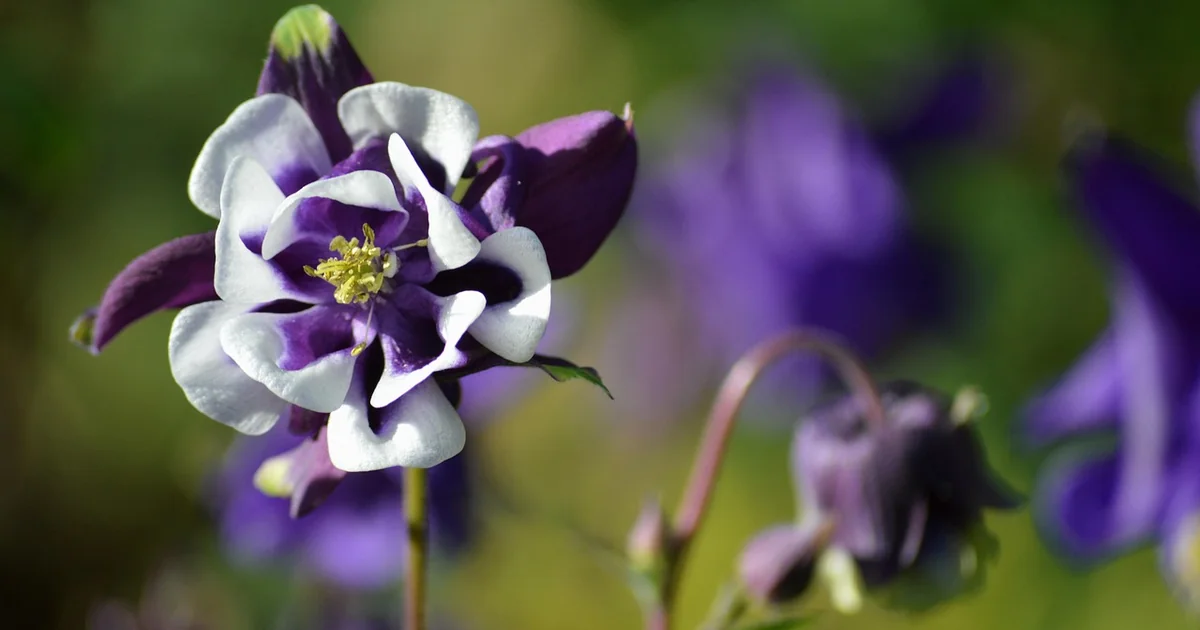
If you have ever wandered through a garden in late spring and spotted a flower that looks like a tiny acrobat suspended in midair, you have likely encountered a columbine. These perennials bring an airy, almost whimsical quality to garden beds with their nodding blooms and spurred petals. Beyond their visual charm, columbines are remarkably adaptable plants that thrive with minimal fuss.
Tip 1: Choose the Right Location and Light Exposure
Light is one of the most critical factors in successful columbine cultivation. Most columbine species perform best in partial shade, which translates to about four to six hours of direct sunlight daily, preferably in the morning. The afternoon sun can be intense, especially in warmer climates, and may cause the foliage to scorch or the flowers to fade quickly. However, alpine columbine varieties, which hail from mountainous regions, actually prefer full sun and well-drained, rocky soils. If you are unsure which type you have, observe the natural habitat of your specific species or check the plant tag.
For gardeners in Zones 3 through 9, columbines are generally reliable perennials. In hotter zones (7 to 9), providing afternoon shade is especially important to prevent heat stress. Some species even respond to extreme summer heat by going dormant, only to regrow their foliage in the cooler autumn months. This natural survival mechanism means you might see the plant disappear for a while, but it is not dead—just resting.
How to Assess Your Garden’s Light Conditions
If you are unsure how much sunlight a potential planting spot receives, spend a day observing it. Mark the area at sunrise, midday, and late afternoon. Partial shade typically means the spot gets direct sun for four to six hours, with the rest of the day in dappled or full shade. Full sun locations receive six or more hours of direct sunlight. Columbines can tolerate full sun in cooler climates, but in warmer regions, a spot with morning sun and afternoon shade is ideal.
Tip 2: Master Soil Preparation and Drainage
Columbines are not overly demanding when it comes to soil, but they have one non-negotiable requirement: excellent drainage. These plants absolutely cannot tolerate soggy roots. If the soil stays wet for more than a day or two after rain, the crown and roots are likely to rot. This is why heavy clay soils are problematic. If your garden has clay, consider amending the soil with coarse sand, perlite, or well-rotted compost to improve drainage. Alternatively, planting columbines in raised beds or containers bypasses this issue entirely.
The ideal soil pH for columbines is neutral, around 6.5 to 7.0. Most garden soils fall within this range, but if you suspect acidity, a simple soil test kit from a garden center can give you peace of mind. Evenly moist soil is the goal—think of a wrung-out sponge rather than a soaked one. During dry spells, water deeply once a week rather than giving shallow sprinkles every day. Deep watering encourages roots to grow downward, making the plant more drought-tolerant over time.
Testing Drainage Before Planting
Before you commit a columbine to a particular spot, perform a simple percolation test. Dig a hole about 12 inches deep and 12 inches wide. Fill it with water and let it drain completely. Then fill it again and measure how much the water level drops each hour. A drop of about one inch per hour indicates good drainage. If the water level barely changes after several hours, you have a drainage problem that needs addressing before planting.
Tip 3: Planting Techniques for Strong Establishment
When it comes to planting columbines, timing matters. Early spring or early fall are the best windows, allowing the plant to establish roots before extreme temperatures arrive. If you are starting from seed, scatter the seeds on the surface of a seed-starting mix in a small pot, then cover them very lightly with soil—columbine seeds need light to germinate. Place the pot in a sunny spot, and within a few weeks, seedlings should appear. Once they reach about three to four inches tall, they are ready to be transplanted outdoors.
For nursery-bought plants, dig a hole that is roughly the same width and depth as the container. Gently remove the plant from its pot and loosen any circling roots with your fingers. Place the plant in the hole so that the top of the root ball is level with the surrounding soil. Backfill with soil, pressing down lightly to eliminate air pockets, and water thoroughly. Space multiple plants about 10 to 15 inches apart to allow for air circulation and mature growth. Proper spacing reduces the risk of fungal diseases and gives each plant room to spread its delicate foliage.
Why Spacing Matters More Than You Think
It can be tempting to plant columbines closer together for an immediate full look, but overcrowding invites trouble. Poor air circulation can lead to powdery mildew, a common issue for columbines in humid conditions. Giving each plant enough breathing room also makes it easier to spot and remove self-sown seedlings that appear in unwanted places. A little patience in the first season pays off with healthier, more vigorous plants in subsequent years.
Tip 4: Watering, Fertilizing, and Seasonal Care
Once established, columbines are relatively low-maintenance, but they do benefit from consistent care during the growing season. Water regularly until the plants are established—usually the first four to six weeks after planting. After that, most columbine species are surprisingly drought-tolerant, though they look their best with occasional deep watering during prolonged dry periods. Container-grown columbines, however, dry out faster and may need watering every day or two in hot weather.
Fertilizer is not strictly necessary for columbines, but a light application can encourage more abundant blooms. Use a balanced liquid fertilizer, such as a 10-10-10 NPK formula, once a month during the spring and early summer. Avoid over-fertilizing, which can produce lush foliage at the expense of flowers. If your columbine’s blooms seem lackluster or the foliage looks pale, a single feeding often solves the problem.
Pruning for Extended Bloom Time
One of the most rewarding columbine growing tips involves strategic pruning. After the first flush of flowers fades in late spring or early summer, cut the flower stems back to the base of the plant, just above a set of healthy leaves. This practice, known as deadheading, often encourages a second, albeit smaller, wave of blooms later in the season. Even if a second bloom does not occur, removing spent flowers prevents the plant from putting energy into seed production too early, which can prolong the overall flowering period.
You may also enjoy reading: 7 Organic Materials to Fill a Raised Garden Bed.
At the end of the blooming season, cut the entire plant back by about half. This tidies up the garden and encourages fresh, compact growth. Leave a few flower heads on the plant if you want it to self-seed naturally. The seeds will drop and germinate the following spring, creating new plants without any effort on your part.
Tip 5: Growing Columbines in Containers
Columbines are excellent candidates for container gardening, especially if your garden soil is heavy clay or if you have limited space. A single columbine plant needs a pot at least 12 inches in diameter to accommodate its root system for the first few years. If you want to plant multiple columbines in one large container, space them 12 to 18 inches apart, just as you would in the ground. The container must have drainage holes—without them, the roots will rot quickly.
Choose a potting mix that drains well but retains some moisture. A standard all-purpose potting soil mixed with a handful of perlite or coarse sand works wonderfully. Avoid garden soil, which compacts in containers and hinders drainage. In cold winter climates (Zones 3 to 5), select a container made from a material that can withstand freezing temperatures, such as concrete, wood, metal, resin, or fiberglass. Plastic and composite resin pots are also good choices because they retain moisture better than porous terracotta, which dries out quickly.
Container Care Adjustments
Potted columbines need more frequent watering than those in the ground, especially during hot, dry spells. Check the soil moisture by sticking your finger about an inch deep; if it feels dry, it is time to water. Container plants also benefit from a monthly dose of liquid fertilizer during the growing season, as nutrients leach out with each watering. In winter, move the container to a sheltered spot or wrap it in bubble wrap to protect the roots from freeze-thaw cycles.
Common Challenges and How to Overcome Them
Even with the best columbine growing tips, occasional problems arise. One of the most common issues is powdery mildew, a white, dusty coating on the leaves. This fungal disease thrives in humid conditions with poor air circulation. To prevent it, space plants properly and avoid overhead watering. If mildew appears, remove affected leaves and improve airflow around the plant. In severe cases, a fungicide labeled for ornamental plants can help, but prevention is usually sufficient.
Another challenge is the columbine leaf miner, a small insect that creates winding tunnels in the leaves. While unsightly, leaf miners rarely cause serious harm to the plant. Simply remove and discard the affected leaves to reduce the pest population. Columbines are also deer resistant, which is a relief for gardeners in areas with heavy deer pressure. The foliage contains compounds that deer find unpalatable, making columbines a safe choice for woodland edges and open gardens alike.
Designing with Columbines in Your Garden
Columbines shine in a variety of garden styles, from informal cottage gardens to structured rock gardens. Their airy form pairs beautifully with other spring-blooming perennials like bleeding hearts, ferns, and hostas. The blue-green foliage provides a cooling contrast to brighter flowers, and the self-seeding habit means they will naturalize over time, creating a meadow-like effect. For a dramatic display, plant columbines in drifts of three to five plants rather than as isolated specimens.
Because columbines bloom near the end of bulb season, they fill the gap between spring bulbs and summer perennials. Plant them near daffodils or tulips, and as the bulb foliage fades, the columbine foliage will grow in to hide the dying leaves. This clever layering keeps your garden looking vibrant and tidy with minimal effort.