March Through Your Kitchen at Sunrise
You pour your morning coffee and notice a dark line moving across the countertop. Ants. Dozens of them. By the time you grab a paper towel, the trail has already split in two. This scene plays out in millions of homes every spring and summer. Ants are active from March through October in most climates, and they do not wander inside by accident. They are following scent trails left by scout ants that discovered something valuable—a drop of honey, a crumb of bread, or a damp spot near the sink.
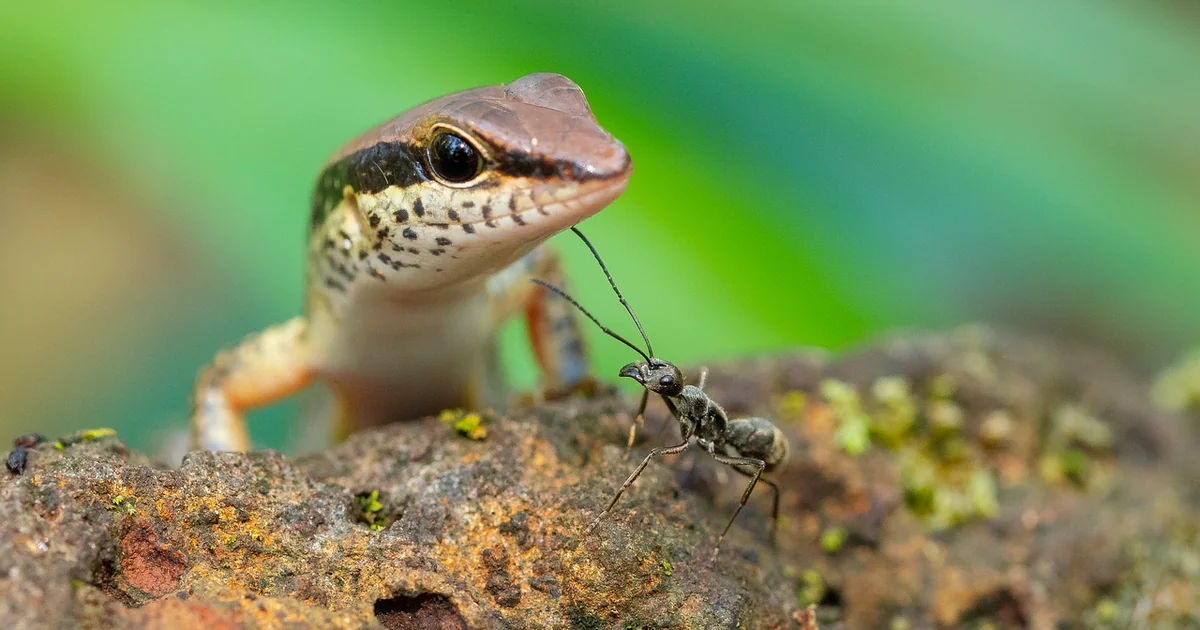
Most people make one critical mistake when they see ants. They squash the visible ones and assume the problem is solved. In reality, the workers you see represent only a tiny fraction of the colony. The queen and the majority of the nest remain hidden behind walls or underground. To truly eliminate the problem, you need to target the colony itself. That is where proper ant bait methods become essential. Below are nine concrete strategies to remove ants quickly and prevent them from returning.
1. Use Ant Bait Methods to Destroy the Entire Colony
Spraying a few ants with household cleaner might feel satisfying, but it does almost nothing to the colony. The ants you kill are foragers. The nest keeps producing more. Ant bait methods work differently. They turn the ants into delivery trucks that carry poison directly back to the queen and the brood.
How Commercial Bait Stations Work
Store-bought ant baits contain a slow-acting insecticide mixed with an attractive food source, usually sugar or protein. Worker ants find the bait, feed on it, and then carry the poisoned food back to the nest. They share it through trophallaxis—the process of regurgitating food for other colony members. Within a few days, the queen and the developing larvae consume the poison, and the colony collapses. Most commercial baits take between three and seven days to show results. Patience matters here. If you see ants still moving after two days, that is a good sign. It means they are actively carrying bait home.
A Simple DIY Borax Bait Recipe
Boric acid has been used as an ant killer for decades. It damages the ants’ digestive systems and exoskeletons, but it works slowly enough that the ants carry it back to the nest before dying. Mix three-quarters of a teaspoon of borax with one-quarter cup of granulated sugar. Add just enough warm water to dissolve the mixture into a syrupy consistency. Soak cotton balls in the liquid and place them on small squares of wax paper or plastic lids. Position these near ant trails but away from pets and children. The sugar attracts the ants, and the borax does the rest. Replace the baits every two to three days until ant activity stops.
Citrus Rind Bait for a Chemical-Free Option
Citrus peels contain D-limonene, an acidic oil that is toxic to ants. This compound breaks down the waxy coating on their exoskeletons and causes dehydration. To make a citrus bait, peel an orange, lemon, or grapefruit. Scrape away most of the white pith and chop the rind into small pieces. Sprinkle a little sugar over the pieces to attract the ants. Place the rinds on a small plate or lid near the ant trail. The ants will eat the sugar and come into contact with the D-limonene. This method works best for small, localized infestations rather than large colonies.
2. Locate the Trail and Place Baits with Precision
Ant baits only work if the ants find them. Follow the visible trail back toward its origin. Ants leave a pheromone trail—a chemical scent marker—that leads from the food source to the nest entrance. You can often trace this trail to a crack in the baseboard, a gap under the kitchen cabinet, or a hole near a window frame. Place the bait directly on or very close to this trail. Do not clean the trail with bleach or vinegar before placing the bait, because the scent markers help guide the ants to the poison. If the trail splits, place multiple baits at each branch point.
3. Use Natural Deterrents to Disrupt Scent Trails
Natural deterrents will not kill ants, but they can break the chemical trail that guides the colony. Without a clear trail, the ants become disoriented and may stop entering that area. These methods work best as a complement to baiting, not as a replacement.
Vinegar and Water Spray
Mix equal parts white vinegar and water in a spray bottle. Spray this solution along baseboards, windowsills, countertops, and any other surfaces where ants have traveled. The vinegar smell overpowers the pheromone trail, confusing the ants. Reapply daily until you no longer see fresh trails. The smell fades quickly for humans but lingers long enough for ants to avoid the area.
Spices and Coffee Grounds
Cinnamon, cayenne pepper, and cloves contain compounds that ants find repellent. Sprinkle a thin line of ground cinnamon or cayenne pepper across door thresholds, windowsills, and along baseboards. Used coffee grounds work similarly. Spread them in a barrier around the foundation of your home or near known entry points. These substances do not kill ants, so they are most useful as a temporary block while baits do the real work.
4. Treat Outdoor Nests with Targeted Spray
Sometimes the ant nest is outside the house, with workers traveling indoors through a crack or gap. If you can locate the outdoor nest—often a small mound of soil near the foundation, under a patio stone, or along a sidewalk—you can treat it directly. Purchase an insecticide spray labeled for outdoor ant nests. Follow the label directions carefully. Apply the spray in the evening when the ants are most active. Drench the entire mound and the soil around it. One thorough application usually eliminates the colony within 24 to 48 hours. Avoid using general-purpose pesticides that kill beneficial insects like honeybees. Choose a product that targets ants specifically.
5. Seal Every Possible Entry Point
Ants can squeeze through gaps as small as one-sixteenth of an inch. That is roughly the width of a credit card. Inspect your home’s foundation, exterior walls, windows, and doors. Look for cracks in the caulking around window frames. Check the gaps where cables, pipes, and wires enter the house. Seal these openings with silicone caulk or expanding foam. Pay special attention to the spaces under exterior doors. Install weather stripping if you see light coming through the gap between the door and the threshold. This step alone can reduce ant entry by more than half.
6. Modify Your Landscaping to Remove Ant Bridges
Ants use plants as bridges to reach your home. Tree branches that touch the roof, shrubs pressed against the siding, and ground-cover plants growing right up to the foundation all provide easy access. Trim back vegetation so that there is at least three feet of open space between your home and any plant material. Mulch can also harbor ant nests. Keep mulch layers no deeper than two inches and pull it away from the foundation by at least six inches. Remove leaf piles, stacked firewood, and other debris from the perimeter of your home. These simple changes eliminate hiding spots and make it harder for ants to find a path inside.
You may also enjoy reading: Birds Fighting in Your Yard? 5 Easy Ways to Peace.
7. Eliminate Moisture Sources That Attract Ants
Ants need water just as much as they need food. Leaky pipes, dripping faucets, and condensation around windows all create moisture that draws ants into your home. Check under sinks, behind the refrigerator, and around the washing machine. Repair any drips you find. Wipe down wet countertops and dry the area around the kitchen sink each evening. If you have a basement or crawl space, use a dehumidifier to keep the relative humidity below 50 percent. Ants are less likely to establish a nest indoors when the environment is dry.
8. Store Food in Airtight Containers
Ants have an extraordinary sense of smell. They can detect a single grain of sugar from several feet away. Keep all pantry foods in containers with tight-fitting lids. Glass jars, hard plastic containers, and metal canisters work well. Cardboard boxes and plastic bags are not sufficient barriers. Pet food is another common attractant. Do not leave pet bowls sitting out overnight. Store dry pet food in a sealed bin. Wipe down countertops, sweep floors, and take out the trash regularly. A clean kitchen offers fewer incentives for ants to explore.
9. Bring in Professional Pest Control for Stubborn Infestations
Sometimes home remedies and store-bought products are not enough. If you have tried baiting, sealing, and cleaning for two weeks with no reduction in ant activity, it is time to call a professional. Exterminators have access to stronger insecticides and specialized application tools. They can identify the exact ant species, locate hidden nests inside walls, and apply treatments that are not available to the public. Carpenter ants, which can grow up to five-eighths of an inch long and burrow through structural wood, often require professional intervention. A pest control specialist can also distinguish between ants and termites, which look similar but require completely different treatment approaches. Termites lack the narrow waist and segmented body that ants have, and they cause even more severe structural damage. If you see wings, wood dust, or hollow-sounding wood, do not wait. Contact a professional immediately.
Frequently Asked Questions About Ant Control
Why am I suddenly getting ants in my house?
Ants usually appear suddenly because a scout found a reliable food or water source. A shift in weather, such as a heavy rain that floods outdoor nests, can also drive ants indoors. Seasonal changes in March, April, and May trigger increased foraging activity as colonies expand.
How do you find out where ants are coming from?
Follow the trail backward from the food source. Look for the crack, gap, or hole where the ants disappear. If the trail vanishes under a baseboard, check the exterior wall on the other side. A flashlight and a few minutes of observation will almost always reveal the entry point.
Will ants go away on their own?
No. Ants will not leave on their own. They have found a viable food or water source, and they will keep sending workers until that source is removed or the colony is eliminated. Without intervention, the problem will persist and likely grow.
What smells deter ants?
Vinegar, cinnamon, cayenne pepper, cloves, peppermint oil, tea tree oil, eucalyptus oil, and coffee grounds all produce scents that ants avoid. These deterrents disrupt pheromone trails but do not kill the colony. Use them as a temporary barrier while you apply baits.
Ant infestations do not have to take over your home. A combination of strategic ant bait methods, thorough sealing, and consistent cleanliness will eliminate the colony and prevent future invasions. Start with the bait. Let the ants do the work for you. Within a week, your kitchen counters should be clear, and the only line you will see is the one separating your coffee cup from the morning paper.