You step outside to enjoy your garden, and suddenly you spot it: a small mound of dirt with a perfectly round hole. Ground wasps have taken up residence. While these insects help pollinate plants and keep pest populations in check, they become a real problem when their nest sits near a walkway, playset, or flower bed. If you need to remove ground wasps quickly, these seven methods are proven to work without harsh chemicals. Each approach uses common household items or natural products, and you can apply most of them in a single evening.
Know Your Enemy: Ground Wasp Identification and Risks
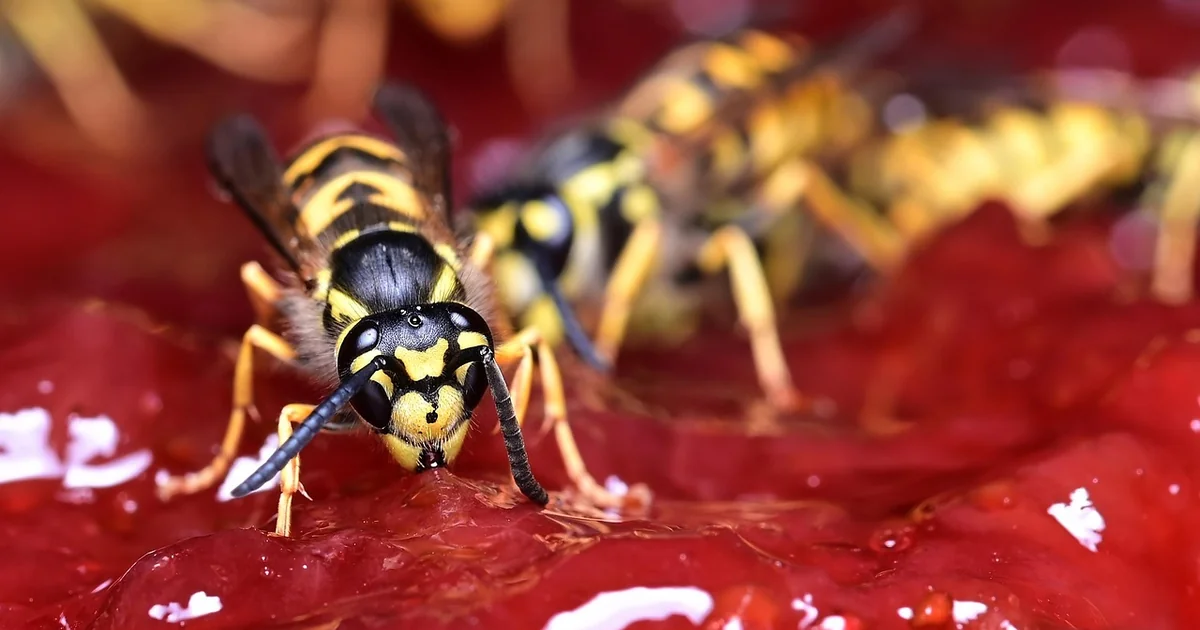
Ground wasps include several species: yellow jackets, hornets, cicada killer wasps, digger wasps, and solitary mud daubers. Social species like yellow jackets live in colonies and defend aggressively. Solitary species, such as cicada killers, rarely sting unless handled. Regardless of temperament, any ground nest within 10 feet of human activity poses a sting risk. Nest entrances are about 1.5 inches wide, often with a conical pile of sandy soil trailing from the opening. These insects prefer loose, dry soil near fruit trees or berry bushes because they feed on sugary substances. Before you act, identify the wasp type. Aggressive species require more caution and faster removal timing.
7 Fast-Acting Methods to Remove Ground Wasps
Choose the method that fits your situation. Each technique works best when applied at dusk or after dark, when all colony members have returned to the nest and are less active. Wear protective clothing: long pants, long sleeves, gloves, and a veil or bee hat if possible. Move slowly and avoid vibrations near the hole.
1. Diatomaceous Earth: A Natural Way to Remove Ground Wasps
Diatomaceous earth (DE) consists of fossilized diatoms—microscopic algae with silica shells. When wasps crawl through the powder, the sharp particles cut through their waxy exoskeleton. This causes dehydration and death within 24 to 48 hours. To use it, wait until evening. Sprinkle a generous tablespoon of food-grade DE directly into the nest entrance and around the surrounding soil. Do not disturb the opening; let the wasps walk through it naturally. One application often eliminates a small colony. For larger nests, repeat the dose the next night. DE remains effective as long as it stays dry, so cover the treated area with a lightweight tarp if rain is expected.
2. Soapy Water Flood: A Fast Method to Remove Ground Wasps
Soapy water kills wasps almost instantly by breaking the surface tension of their exoskeleton and clogging their breathing tubes (spiracles). Mix 2 tablespoons of liquid dish soap with 1 quart of warm water in a spray bottle or watering can. At night, locate the nest entrance. If the soil is very loose, place a piece of landscaping fabric over the hole and cut a small slit in the center. Slowly pour the soapy water through the fabric directly into the tunnel. The fabric prevents wasps from escaping. Use a full gallon of solution for deeper nests. Within 30 seconds, you should see activity stop. Leave the fabric in place overnight to trap any survivors.
3. Boiling Water: Immediate Elimination with Caution
Boiling water works fast and requires no chemicals. Bring a large pot of water to a rolling boil. After dark, carefully pour the entire pot directly into the nest entrance. The heat kills wasps on contact and collapses the tunnel. This method is best for nests located in open areas away from plants you want to keep, as the hot water can scorch roots. One treatment usually suffices for shallow nests (6–12 inches deep). For deeper colonies, repeat the process the next night. Wear heavy boots and stand at least 3 feet away when pouring to avoid splashback from angry survivors.
4. Vinegar and Essential Oils: Non-Toxic Repellent and Killer
A mixture of white vinegar and peppermint essential oil repels most ground wasps and can kill them on contact. Combine 1 part vinegar with 2 parts water, then add 10 drops of peppermint oil. Pour this solution into the nest entrance at dusk. The strong scent overwhelms their olfactory senses, causing disorientation. Wasps that exit the nest die within minutes from the acidity. This method is slightly slower than soapy water, but it leaves no toxic residue and is safe around pets and edible plants. Reapply every three days if you notice renewed activity, as persistent queens may attempt to rebuild.
You may also enjoy reading: 5 Crucial Azalea Care Tasks for May.
5. Wet Soil and Mulch: Prevent Future Nesting
Ground wasps prefer dry, sandy soil for digging. Keeping the soil consistently moist discourages them from establishing new nests. Water the area thoroughly every evening during the active season (spring through late summer). Use a soaker hose or gentle sprinkler to avoid disturbing existing holes. While this method does not eliminate an active nest quickly, it stops wasps from expanding the colony and prevents new queens from settling nearby. Combine wetting with a thick layer of wood mulch (at least 3 inches deep) around your garden beds. The mulch makes digging difficult and forces wasps to find better locations.
6. Carbon Dioxide Injection: A Precision Method
Carbon dioxide (CO2) displaces oxygen in the nest tunnels, suffocating the wasps within minutes. You can use dry ice (frozen CO2) or a CO2 tank from a welding supply store. For small nests, place a handful of dry ice chunks into the hole and cover immediately with a heavy stone or a piece of cardboard weighed down with dirt. The gas sinks into the tunnel. After 15 minutes, remove the cover and check for movement. This method is odorless, chemical-free, and leaves no residue in the soil. However, handle dry ice with thick gloves to avoid frostbite. One application typically eliminates a colony of 50–100 wasps.
7. Professional-Grade Traps: Capture and Relocate the Colony
If you prefer not to kill the wasps or if the nest is too large for DIY methods, use a trap-and-release approach. Purchase a wasp-specific trap that lures them with a sweet attractant (like sugar water or fermented fruit). Place the trap within 5 feet of the nest entrance but away from your home. Over the course of a week, the trap will catch most foragers and eventually the queen. Once activity stops, monitor the hole for 48 hours. Then seal the entrance with a small stone and a mound of damp clay. This method works best for solitary ground wasps like cicada killers, which are unlikely to rebuild once removed.
When to Call a Professional
If the nest is larger than a dinner plate, located under a concrete slab, or belongs to an aggressive species like the European hornet, do not attempt removal yourself. Professional pest control technicians have commercial-grade insecticides that penetrate deep into the soil and protective gear that prevents stings. A single treatment from a licensed applicator costs between $100 and $300 and provides a guarantee. For elderly individuals, allergy sufferers, or families with small children, hiring an expert is the safest route.
After successfully removing the nest, fill the hole with soil and pack it firmly. Water the area for a week to discourage recolonization. Monitor your yard each spring for early signs of new holes. With these seven strategies, you can reclaim your garden quickly and without relying on harsh pesticides. Remember, ground wasps play a valuable role in the ecosystem—only remove nests that pose a direct risk to your family’s safety.