The $100 Thrift Find That Killed My Junk Drawer Problem
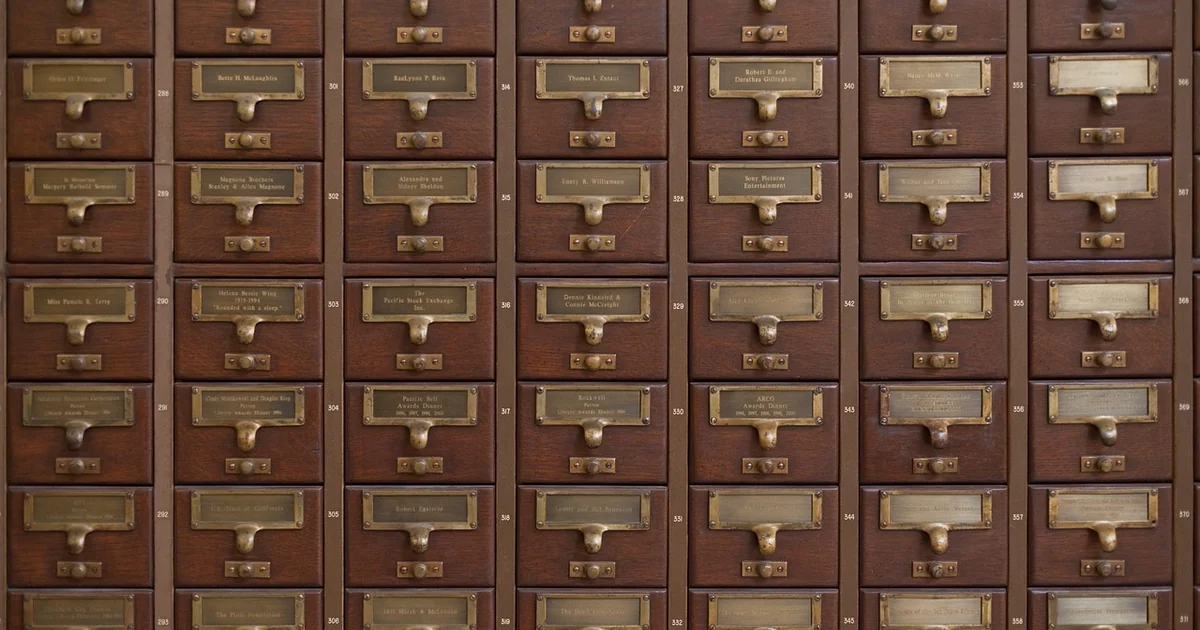
Every home has that one drawer. You know the one — it swallows lip balm, loose change, and old receipts whole. Digging for a single paperclip can take ten frustrating minutes. I lived with this chaos until I spotted a dusty wooden cabinet at a thrift store for just $100. It was an original Gaylord Brothers card catalog, a piece of library history from a company that started making furniture in the late 1800s. That single purchase transformed my cluttered desk into a neatly organized workspace. This is how you can do the same with your own thrifted card catalog storage solution.
Why Choose a Card Catalog for Your Office?
Most home office desks come without built-in drawers. My own desk has plenty of surface space but zero hidden storage. That forces everything — pens, sticky notes, chargers, scissors — to pile up on top. A card catalog solves this problem elegantly. It provides labeled drawers specifically designed for small items, allowing you to create a custom, personal storage system without spending a fortune on fancy organizers.
The beauty of this piece lies in its original purpose. Libraries used these cabinets to organize thousands of tiny index cards. That same design works perfectly for office supplies. Each drawer is shallow and wide, just right for holding writing tools, notepads, and craft materials. The best part? Those little glass windows on the front of each drawer were made for labels. You can see exactly where your staples, push pins, or washi tape live without opening every single compartment.
Repurposing a vintage find makes your space feel intentional and personal. You do not need a massive budget to pull off a high-end, well-organized look. A single $100 purchase can replace a dozen plastic bins and drawer dividers.
What Sizes of Card Catalogs Are Available?
Card catalogs come in a surprising range of sizes. Before you go hunting, it helps to know what exists. The smallest options are desktop units. These compact cabinets vary from 10 to 20 inches wide and hold between 4 and 16 drawers. They sit neatly on a console table, a craft desk, or a shelf.
Medium cabinets, like the one I found, offer more capacity. They typically have between 24 and 36 drawers and stand between 30 and 50 inches tall. This size works well as a standalone piece next to a desk or against a wall. It provides ample vertical storage without dominating the room.
For the truly ambitious organizer, large antique cabinets exist. These tall, ornate pieces stand nearly 6 feet high and boast over 70 drawers. They make a dramatic statement in any home office, but they require significant floor space. Measure your room carefully before committing to one of these giants. The drawer size also matters. Most card catalog drawers are designed to hold 3-inch-by-5-inch cards. Some older models use slightly smaller 2-inch-by-5-inch cards. That half-inch difference can affect what fits — a standard Post-it note pad, for instance, slides perfectly into the larger size.
Where Else Can a Card Catalog Be Used?
While I love mine for office supplies, the possibilities extend throughout the entire home. Move it to the kitchen to organize spices, individual drink packets, and pantry staples. Every small bottle or envelope gets its own dedicated drawer, and the labels keep cooking efficient. No more rummaging through a crowded cabinet for oregano.
Set it up in the playroom to hold dolls, Hot Wheels cars, and building blocks. Each drawer becomes a little world for a specific toy set. Children learn to put things back in their labeled spot, making clean-up time faster and less painful. The solid wood construction also withstands years of rough handling better than plastic storage bins.
Place it in the entryway as a catchall for keys, mail, and gloves. Assign one drawer per family member. No more lost house keys or misplaced sunglasses. The vintage aesthetic adds warmth and character to a space that usually feels purely functional. This piece transforms a boring task — grabbing your wallet on the way out — into a small moment of delight.
How to Choose the Right Card Catalog for Your Space
Choosing the right cabinet starts with one critical step: measure your space. Bring a tape measure to every thrift store or antique shop you visit. Note the height, width, and depth of the area where you plan to place it. A medium cabinet with 30 drawers looks fantastic until it blocks a door or overpowers a small corner.
Consider how many drawers you actually need. A desktop unit with eight drawers might suffice if you only need to organize writing tools and a few charging cables. A medium cabinet with three dozen drawers works better if you also plan to store craft supplies, stationery, and various tech accessories. Think about your daily routine. What items do you reach for most often? Put those in the middle drawers, at the most comfortable height.
Inspect the condition carefully. Pull each drawer out to check if it slides smoothly. Look for any signs of water damage or missing hardware. The wood can be refinished if needed, but significant structural damage requires professional repair. A little wear and tear adds character. A broken drawer or cracked dovetail joint is a red flag.
The Vintage Conversation Piece Factor
Beyond its practical storage benefits, a card catalog serves as a fantastic conversation starter. Every guest who sees mine immediately smiles. They remember visiting the library as a child, pulling out that heavy drawer, and flipping through cards to find a book. The piece sparks nostalgia and curiosity. It brings a tangible piece of history into a modern home.
This emotional connection makes the furniture feel more valuable than its thrift store price tag would suggest. It is not just a storage box. It is a relic from an era before digital everything. That Gaylord Brothers stamp on the back tells a story. You are preserving a small piece of library heritage while solving a very modern problem: where to put all those tiny office supplies.
Incorporating such a piece into your decor also shows that you value craftsmanship. These cabinets were built to last decades. They are solid wood, often oak or maple, with dovetailed joints and smooth-gliding metal runners. Compare that to a particleboard drawer organizer from a big-box store, which might warp after a year. The card catalog is built for a lifetime.
Thrift Store Treasure Hunting Tips for Furniture Upgrades
Finding your own card catalog requires patience and a strategy. Visit thrift stores in affluent neighborhoods first. People there often donate higher-quality furniture. Go regularly — new stock arrives constantly. The best finds disappear within hours. Ask store employees if they have furniture in the back that has not been put out yet.
You may also enjoy reading: Where Royal Flower Bouquets Really Go.
Look beyond the obvious. Some card catalogs end up in the furniture section mixed in with old dressers and nightstands. Others get pushed to the side because they look dusty and unremarkable. Do not be deterred by a layer of grime. A good cleaning with wood soap can reveal beautiful grain underneath. Minor scratches and dents add to the vintage charm rather than detracting from it.
Negotiate. Thrift stores often have wiggle room on prices, especially for furniture that has been sitting for a while. Point out any flaws you notice — a missing drawer pull, a chipped corner — and ask if they can lower the price. Even saving $20 makes the purchase feel like a bigger win.
Mixing Vintage and Modern Decor for Unique Style
A heavy wooden card catalog can clash with a sleek, minimalist modern office if you are not careful. The trick is to balance the vintage piece with contemporary elements. Pair it with a clean-lined modern desk and a simple metal chair. Let the card catalog be the star of the room. Keep the rest of your decor understated so the wood does not feel overwhelming.
Play with color. A bright white or pale gray wall makes the warm wood tones pop. Add a modern desk lamp with a geometric shape. Use clear acrylic or metal organizers on your desk to keep the overall look cohesive. The contrast between old and new creates visual interest. It tells guests that you have intentional taste.
Do not be afraid to update the hardware. Replacing original brass pulls with modern black metal or sleek chrome handles can bridge the gap between eras. Keep the original hardware in a bag somewhere in case you ever want to restore the piece. A simple swap is reversible and costs very little.
Alternatives to Card Catalogs for Small Item Storage
If you cannot find a card catalog at a reasonable price, a few other vintage furniture pieces work similarly. Apothecary cabinets, often used in old pharmacies, have many small drawers of various sizes. They are rare and expensive but stunning when you find one. Old printing type cabinets, used by letterpress printers to store metal type, also feature shallow drawers perfect for small office supplies. These tend to be wider and shorter than card catalogs.
A multi-drawer machinist’s chest is another option. These steel or wood chests were designed to hold precision tools. They are compact, sturdy, and often roll on casters. They lack the library nostalgia of a card catalog but offer similar organizational benefits. A simple wooden shadow box hung on the wall can also hold small items like paper clips and binder clips if you prefer wall-mounted storage.
Ultimately, the best solution is the one you will actually use. If you love the look of a card catalog and have the space, it is worth the hunt. If you need something smaller or cheaper, keep an eye out for these alternatives. The principle remains the same: labeled, shallow drawers for tiny items eliminate clutter forever.
Frequently Asked Questions
How do I clean and maintain a vintage card catalog without damaging the wood?
Start by dusting the entire piece with a soft, dry microfiber cloth. For deeper cleaning, mix a small amount of mild wood soap with warm water, dampen a cloth, and wring it out thoroughly before wiping the surfaces. Never soak the wood. Dry each drawer immediately after cleaning. Apply a thin layer of furniture wax once or twice a year to protect the finish and keep the wood moisturized.
What if the drawers don’t slide smoothly – can they be repaired?
Smooth operation is usually fixable. First, check if the metal rails or wood runners are dirty or sticky. Clean them with a dry cloth and apply a small amount of paraffin wax or beeswax to the sliding surfaces. Do not use oil-based lubricants that attract dust. If the drawers stick because the wood has swollen, sand the edges lightly with fine-grit sandpaper. Refinish the sanded area with a matching stain to protect the wood.
Why does the drawer size matter if I plan to store non-card items?
The drawer dimensions determine what fits comfortably. Standard 3-inch-by-5-inch drawers hold most office supplies like pens, notepads, and sticky notes very well. Older 2-inch-by-5-inch drawers are more restrictive. A standard smartphone, for instance, is about 3 inches wide and may not sit flat in a smaller drawer. Measuring a drawer before you buy ensures your specific items — charger blocks, craft scissors, or spice jars — will fit without forcing the drawer shut.