When a child comes down with a stomach bug or a partner catches a seasonal virus, the immediate priority is comfort and care. But soon after, a less obvious concern emerges: the pile of bedding, towels, and clothing that may now be harboring invisible germs. A standard wash cycle with detergent alone often fails to eliminate certain bacteria and viruses, especially those that cause gastrointestinal issues. In fact, a University of Arizona study found that a single contaminated garment can contaminate an entire load of laundry, and regular detergent does not effectively kill enteric viruses like rotavirus and adenovirus. Understanding how to properly sanitize laundry is key to keeping your household healthy without damaging your fabrics. Below are nine straightforward methods that work for different fabric types, machine setups, and contamination levels.
What Does It Mean to Sanitize Laundry?
Sanitizing laundry goes beyond simple cleaning. While detergent removes dirt, oils, and some microbes, sanitization reduces the presence of bacteria and viruses to a safe level—typically a 99.99% reduction. Many people assume that a regular hot water cycle does this, but the reality is that water temperature, contact time, and the type of sanitizer all play critical roles. Without one of these targeted methods, you run the risk of spreading illness through towels, sheets, and clothing. The following nine techniques offer reliable ways to sanitize laundry in various situations.
9 Simple yet Effective Methods
1. Use the Sanitize Cycle on Your Washing Machine
If your machine has a dedicated sanitize setting, this is the most effortless option. Many modern high-efficiency washers include a sanitize cycle that uses extra-hot water—often reaching 140°F (60°C) or higher—and a prolonged wash time. According to Laura J. Goodman, a senior scientist at Procter & Gamble, this cycle eliminates 99.99% of the most common bacteria found in clothes, sheets, and towels. To use it, simply select the sanitize button on your machine and choose the appropriate load size. Keep in mind that this cycle is harsher on fabrics than regular cycles, so it should not be used for every load. Reserve it for times when someone in the home is sick or for heavily soiled items like bedding after an illness.
2. Wash with the Hottest Water Available
If your machine lacks a sanitize cycle, the next best option is to set the water temperature to the highest setting your washer offers. Most household washing machines reach around 130°F to 140°F on hot cycles, which is sufficient to inactivate many viruses and bacteria. However, always check the care labels on your garments first. High heat can cause shrinkage, fading, or damage to delicate fabrics like wool, silk, or some synthetics. For durable items such as cotton sheets, bath towels, and underwear, hot water is a reliable way to sanitize laundry without needing chemical additives.
3. Add Liquid Chlorine Bleach
Chlorine bleach is one of the most potent and widely studied laundry sanitizers. The University of Arizona study mentioned earlier found that adding bleach to a load reduced virus presence by over 99.99%. For standard loads, use about ¾ cup of bleach; for heavily soiled or larger loads, you may need up to 1¼ cups. Always dilute bleach in water before adding it to the machine to avoid direct contact with fabrics. This method works best on white cotton items, as bleach can discolor colored clothing. Never mix bleach with ammonia or vinegar—the combination produces toxic gases. If your fabrics are colorfast to chlorine, this is a budget-friendly and highly effective way to sanitize laundry.
4. Use a Commercial Disinfecting Detergent
Several laundry detergents on the market are formulated to kill bacteria and viruses that regular detergents miss. Brands often label these as “disinfecting” or “antibacterial” detergents. They contain active ingredients such as phenolic compounds or quaternary ammonium that target a broad spectrum of microbes. To use, follow the dosage instructions on the package—most require a specific amount per load and a certain water temperature to activate the sanitizing agents. Test a small hidden area of colored clothing first to ensure the product does not cause fading. This method is a good alternative for those who want sanitization without bleaching.
5. Apply a Non‑Bleach Laundry Sanitizer
For delicate fabrics that cannot tolerate chlorine bleach, non‑bleach sanitizers offer a gentle yet effective solution. Products like those containing hydrogen peroxide or quaternary ammonium compounds are widely available. They work in cold or warm water, making them suitable for wool, silk, and many synthetic blends. Simply add the recommended amount to the rinse cycle or as directed on the label. These sanitizers are often fragrance‑free and less likely to cause skin irritation, which is beneficial for households with sensitive skin or allergies. They provide a reliable way to sanitize laundry without heat damage.
6. Soak in Hot Water with Oxygen Bleach
Oxygen bleach (such as sodium percarbonate) is a color‑safe alternative to chlorine bleach. When dissolved in hot water, it releases hydrogen peroxide, which has mild sanitizing properties. While it may not achieve the same 99.99% reduction as chlorine bleach, it can help reduce microbial load on lightly soiled items. To use, fill a basin or your washing machine with hot water, add the recommended amount of oxygen bleach, and soak items for at least 30 minutes before washing normally. This method is particularly effective for removing stains and whitening whites while also offering some sanitization. It works well for colored fabrics that would be damaged by chlorine.
You may also enjoy reading: 7 Expert Tips to Grow and Care for Yucca Plant.
7. Dry on High Heat in the Clothes Dryer
Heat does not only work during the wash cycle. A hot dryer can also kill many germs. After washing, transfer damp laundry to the dryer and set it to the highest heat setting that the fabric can tolerate. The sustained high temperature—typically above 135°F (57°C) for at least 10 minutes—can inactivate a wide range of bacteria and viruses. This method is especially useful for items that cannot be washed in hot water but can withstand high heat, such as cotton towels and polyester blends. Just be cautious with delicate items; check the dryer care label first.
8. Use Steam for Quieter Sanitization
If you have a steam‑capable washing machine or a garment steamer, you can harness steam to sanitize laundry. Many modern washers offer a steam cycle that injects hot steam into the drum, raising the temperature evenly and penetrating fabric fibers. This cycle is gentler than a full hot‑water wash and works well for items that cannot be submerged in hot water, such as decorative pillows or stuffed toys. Alternatively, you can use a handheld garment steamer on items that are not machine‑washable. Hold the steamer close to the fabric for several seconds to ensure the surface reaches a sanitizing temperature. Steam sanitization is chemical‑free and leaves fabrics lightly damp, ready for drying.
9. Expose to Direct Sunlight
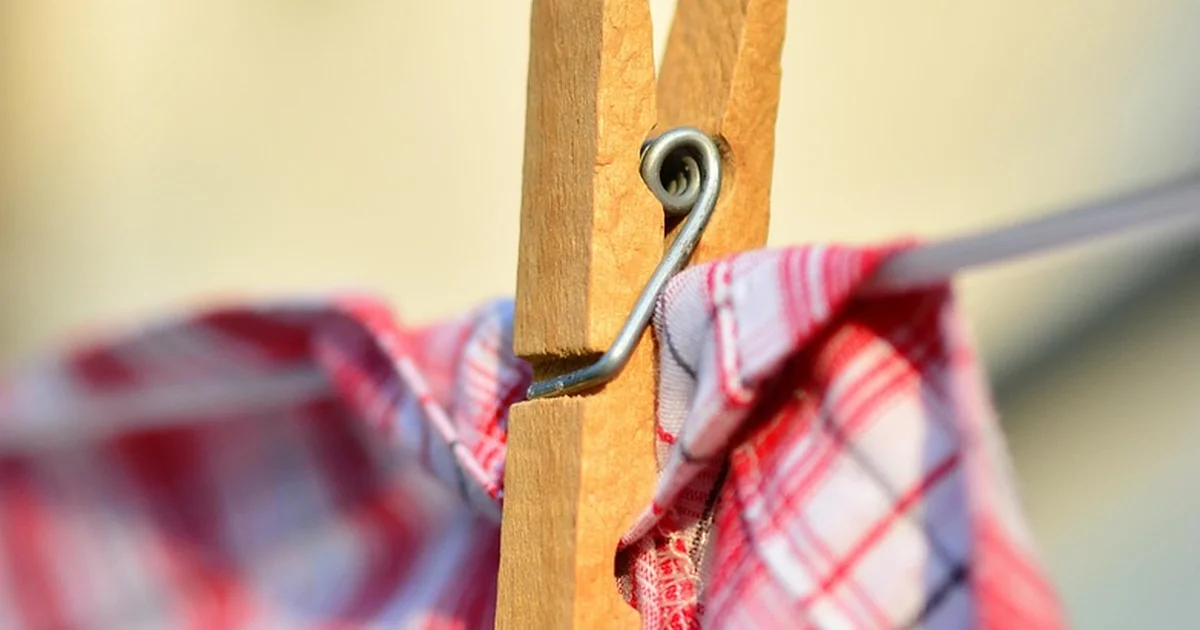
Before modern washing machines, sunlight was one of the oldest methods of disinfecting fabric. Ultraviolet (UV) rays from the sun can damage the DNA of many microorganisms, reducing their ability to cause illness. While sunlight alone may not be as consistent or powerful as heat or chemical sanitizers, it is a useful supplementary method for items that cannot tolerate high temperatures or harsh chemicals. Hang freshly washed laundry outdoors on a sunny day for several hours. Turn items inside out to expose both sides. This method is free, eco‑friendly, and also helps remove odors. Use it for everyday items like sheets and towels after a thorough wash with detergent.
How Often Should You Sanitize Laundry?
Sanitizing every load is neither necessary nor recommended, as it can wear out fabrics and increase energy use. Reserve sanitization for specific circumstances: after a household member has been ill (especially with gastrointestinal or respiratory infections), for heavily soiled items like gym clothes and cloth diapers, and for bedding and towels that have been exposed to sweat, bacteria, or allergens. Bath towels should be washed every three to four days, and sheets weekly, with a standard hot‑water cycle. Add a sanitizing step if someone in the home is immunocompromised or if you are caring for an elderly relative who may be more vulnerable to infections.
Handling Contaminated Laundry Safely
Before you even start the wash, proper handling can prevent cross‑contamination. When collecting items from a sick person’s room, wear disposable gloves if possible. Avoid shaking dirty laundry—this can disperse germs into the air. Place soiled items directly into a plastic bag or a dedicated laundry basket that can be wiped down later. Wash your hands after handling contaminated laundry. Sort items by fabric type and care label, but keep heavily contaminated loads separate from lightly soiled ones. If you are using a shared laundry facility (like in an apartment building), consider sanitizing your machine’s drum before washing by running an empty hot water cycle with a cup of bleach or a commercial sanitizer.