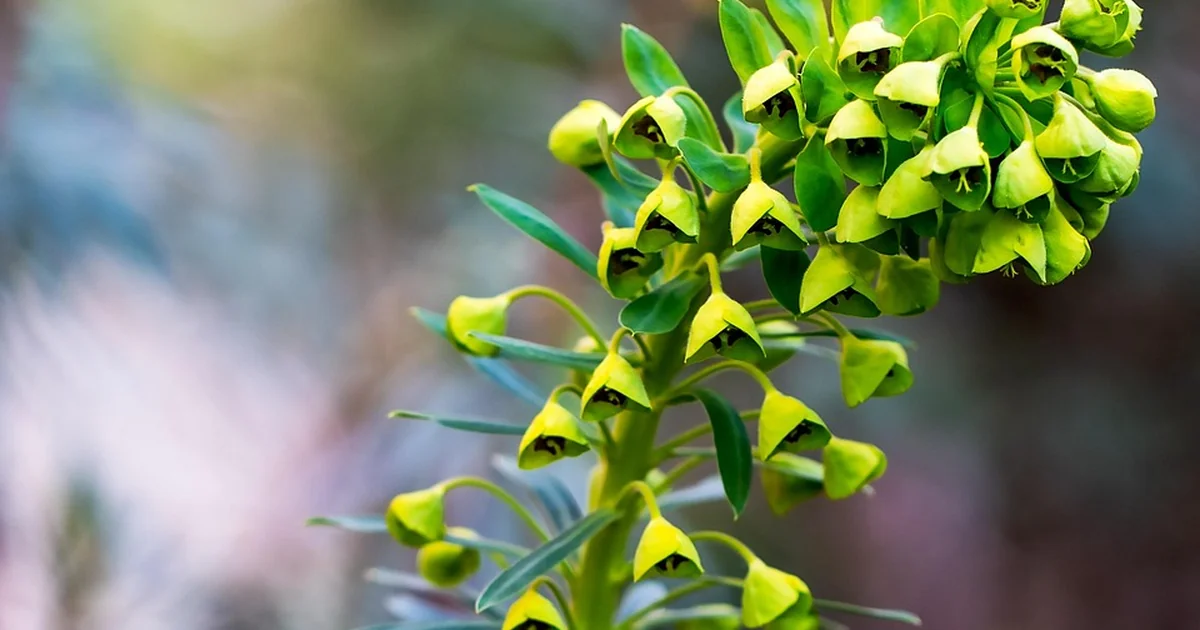
When most gardeners envision a striking, low-maintenance groundcover, they rarely picture something with the gritty resilience and toxic defense mechanisms of the Euphorbia genus. Yet, growing spurge in your landscape offers a fascinating paradox: you get vivid chartreuse, burgundy, or blue-green foliage that persists through droughts, but you must also respect a plant potent enough to irritate human skin. With over 2,000 species scattered across the globe, from annual weeds to succulent-looking perennials, mastering the art of spurge cultivation requires specific knowledge. This guide aims to separate the charming, well-behaved cultivars from the aggressive invaders while giving you expert techniques to handle this plant safely and effectively.
7 Expert Tips for Successfully Growing Spurge
1. Know Your Species and Your State Regulations
The first step in growing spurge responsibly is researching your local regulations. Several species, particularly Leafy Spurge and Myrtle Spurge, are classified as noxious weeds in states like Colorado, Oregon, and Washington. These varieties spread aggressively, outcompeting native flora. Before ordering seeds or starters online, consult your state’s agricultural extension office. Opt for well-behaved ornamental varieties such as Euphorbia polychroma (Cushion Spurge) or Euphorbia ‘Diamond Frost’. These alternatives provide the same beauty without the ecological threat.
Many online nurseries ship to all states without verifying whether a species is banned in your area. Take personal responsibility to check. If a variety is prohibited in your region, do not plant it. The risk of it escaping cultivation and damaging local ecosystems is too high. Stick to non-invasive cultivars that bring curb appeal without legal or environmental headaches.
2. Prioritize Safety: The Toxic Sap Protocol
This rule is non-negotiable for safe growing spurge. The sap contains diterpene esters, compounds that cause photodermatitis. Contact with skin can result in painful blisters and rashes that worsen with sun exposure. Eye contact can lead to conjunctivitis and, in severe cases, corneal damage. Always wear thick gardening gloves and long sleeves when pruning, transplanting, or weeding spurge. Keep children and pets away from planting beds, as a broken stem can leak sap that they might accidentally touch.
If contact occurs, wash the affected area immediately with soap and cold water. Do not rub your eyes until you have thoroughly washed your hands. When possible, wear safety glasses during heavy pruning. I once brushed a stem against my forearm while weeding. The next day, despite the brief contact, blisters developed across the contact area. The lesson is simple: assume contact will happen and wear protective gear. Keep a bottle of hand soap near the garden hose for immediate clean-up.
3. Provide Full Sun for Vibrant Color
While some species can tolerate partial shade, the true beauty of spurge emerges in full sun. In order to achieve the intense chartreuse glow of ‘Blue Haze’ or the deep burgundy of ‘Blackbird’, the plant needs at least six hours of direct sunlight daily. Inadequate light results in leggy growth, fewer floral bracts, and faded foliage. If you notice your spurge stretching toward the window or looking washed out, it is signaling for more sun.
Although spurge can endure partial sun, this often leads to reduced flowering and less vibrant foliage. The plant becomes loose and floppy. For the best visual impact, choose a spot that bakes in the afternoon sun. The heat and light intensify the pigments, making the bracts look almost fluorescent against the soil. This is particularly important for varieties with blue or burgundy foliage, as the color depth is directly linked to light exposure.
4. Respect the Root System: Plant in Fall
For optimal root establishment, autumn is the superior planting season. Cooler soil temperatures and natural autumn rainfall allow the roots to anchor deeply without the stress of summer heat. When planting, maintain the same depth as the nursery pot. Space your spurge 1 to 3 feet apart, depending on the mature spread of the specific species. Remember, they will spread out over time, so giving them room from the start prevents overcrowding.
If you must plant in spring, commit to regular deep watering throughout the plant’s first summer to prevent transplant shock. Fall planting reduces this burden because the plant focuses on root growth rather than top growth. The result is a sturdier, more drought-tolerant specimen by the following summer. This seasonal strategy is one of the most effective ways to boost establishment rates.
5. Water Sparingly to Avoid Root Rot
A common error in growing spurge is overwatering. Many ornamental spurges are highly drought-tolerant, sharing characteristics with succulents. Their roots sit shallowly and rot quickly in soggy soil. It is better to keep the soil on the dry side. Wait until the top two inches of soil are completely dry before watering again. During rainy periods, ensure the bed has excellent drainage. If you are growing them in pots, elevate the container to allow excess water to escape freely.
Some spurge varieties resemble succulents and should be treated like cacti. They store water in their stems and leaves. Overwatering causes the lower leaves to yellow and drop, and the stems may become mushy at the base. If you see these signs, reduce watering immediately. In humid climates, spacing the plants further apart improves air circulation and helps keep the foliage dry.
6. Fertilize Only When Necessary
Spurge thrives in moderately fertile soil. In fact, rich soil often leads to floppy, weak growth. Typically, fertilization is not required. However, if you observe the lower leaves turning yellow while the upper growth looks thin, this indicates a nutrient deficiency. In this case, apply a balanced, water-soluble fertilizer diluted to half strength every few months. This targeted approach prevents the boom-and-bust cycle that over-fertilization causes.
If you are growing spurge in containers, the nutrients may leach out faster. In this situation, a half-strength dose every six to eight weeks during the growing season is sufficient. Avoid high-nitrogen fertilizers, as these encourage leafy growth at the expense of flowers and can make the plant more susceptible to frost damage.
7. Prune and Propagate with Purpose
Pruning spurge is a task that demands timing and gear. In early spring, remove any stems damaged by frost. After the blooming cycle ends, cut back the spent flower stems to the base of the plant. This encourages fresh, compact growth and often triggers a second flush of bracts. Remember to wear gloves during the pruning process to avoid the sap.
For propagation, root cuttings taken in early spring have the highest success rate. Some varieties can root in water, but soil propagation is more reliable for most species. You can also divide established clumps in early spring or fall. This not only gives you new plants but also rejuvenates the parent plant. Deadheading the flowers before they go to seed is an effective control method to prevent unwanted spreading.
You may also enjoy reading: 5 Tips: Grow Watermelons from Seed for Successful Summer.
Common Challenges in Growing Spurge (and How to Overcome Them)
Dealing with Invasive Spread
Even the well-behaved spurge species can self-seed aggressively. If you have a particularly aggressive variety, planting it in a buried nursery pot can contain its rhizomatous roots, preventing it from taking over the bed. Regular deadheading also prevents seed dispersal. If you already have an invasive patch, removing the plants before they flower is critical. Mowing or cutting back early in the season can reduce seed production for that year.
Managing Pests and Diseases
The toxic sap deters most mammals, which is why spurge is rated as highly deer resistant. However, spider mites can be an issue in very hot, dry conditions. A strong blast of water from the hose usually manages these pests. Mealybugs occasionally infest indoor specimens; these can be dabbed with a cotton swab soaked in rubbing alcohol. Fungal diseases are rare if the soil is well-drained, but powdery mildew can appear in humid conditions. Improving air circulation by spacing plants properly is the best prevention.
Protecting Your Eyes and Skin
The severity of the sap’s reaction cannot be overstated. Photodermatitis from spurge sap can leave blisters that take weeks to heal. If sap gets into the eyes, it can cause temporary blindness. This is why protective gear is so important. Keep a bottle of hand soap near the garden hose, and wash immediately if any sap gets on you. If a family member or pet has a severe reaction, seek medical attention promptly. Knowing the risks and preparing for them is part of growing spurge responsibly.
Frequently Asked Questions About Growing Spurge
Is spurge toxic to dogs and cats?
Yes, extremely. The milky sap contains diterpene esters which cause vomiting, diarrhea, drooling, and skin irritation in pets. Keep animals away from spurge plants. If you suspect your pet has ingested spurge, contact a veterinarian immediately.
Can I grow spurge in a container?
Yes, and this is often the best method for controlling its spread. Container growing allows you to manage the soil quality, restrict root growth, and move the plant to a safe location away from children and pets. Use a pot with drainage holes and a well-draining cactus or succulent mix.
Why is my spurge turning brown?
This is often sunscald or overwatering. Check the soil moisture first. If it is too wet, allow it to dry out completely before watering again. If the soil is dry and the plant is in intense afternoon sun, brown spots may be a sunburn. Move the container to a spot with morning sun and afternoon shade if needed.
When is the best time to transplant spurge?
Early fall or early spring. Cool weather reduces stress on the plant and allows the roots to establish before extreme temperatures arrive. Avoid transplanting during hot, dry summer spells.
How long does spurge live?
Perennial species typically live for 3 to 5 years in ideal conditions. Annual species must be replanted each year. Some biennial varieties live for two years, flowering in the second year before dying.
Mastering the care of spurge is a lesson in balance. You must admire its resilience while respecting its defenses. By choosing non-invasive species, protecting your skin, and providing lots of sun and little water, you can enjoy one of the most visually striking plant families in complete safety. Whether you are looking for a vibrant groundcover or a textural thriller in a container, the right spurge variety will reward you with years of dependable, colorful growth.