Secret 1: Site Selection and Soil Preparation for Growing Stokes Aster
The foundation of any successful perennial garden lies in understanding the specific needs of your plants. When it comes to growing stokes aster, the single most important decision you will make is where you place it in your landscape. This southeastern native has specific preferences that, when met, reward you with months of vibrant color.
The Sunlight Equation
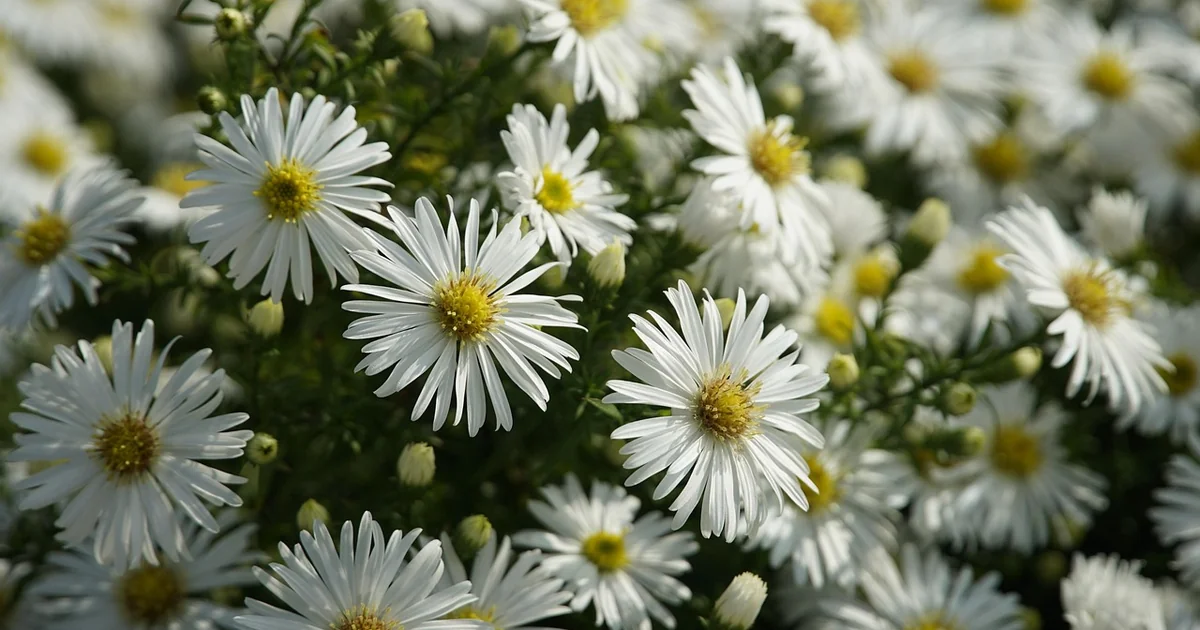
Stokes’ aster craves sunshine. For the most impressive display of its 2 to 4 inch wide, cornflower-like blooms, you need to select a spot that receives at least 6 hours of direct sunlight each day. I have seen gardeners struggle with leggy, flopping plants that produce only a handful of flowers. In almost every case, the culprit was insufficient light. While the plant can technically survive in partial shade, it will not bloom with any real enthusiasm. The stems stretch toward the light, becoming weak and prone to flopping over after a rainstorm. If you have a hot, sunny border that bakes in the afternoon heat, this is the perfect home for your Stokesia.
The Drainage Imperative
If sunlight is the primary ingredient for success, excellent drainage is a very close second. Stokes’ aster is remarkably adaptable. It tolerates drought, heat, and even occasional damp soil once established. However, there is one condition it absolutely cannot stand: wet soil during its winter dormancy. In fact, wet winter soil is the leading cause of death for this perennial. Over 37% of winter losses in home gardens can be traced back to poor drainage around the crown of the plant.
If your garden has heavy clay soil that holds water like a sponge, do not despair. You have options. You can amend the planting bed generously with compost and coarse sand or grit to improve drainage. Alternatively, consider building a raised bed or a mound. Planting on a slight slope also helps water run away from the crown. A simple test is to dig a hole, fill it with water, and see how long it takes to drain. If it is still standing after 24 hours, you need to improve the soil or choose a different spot.
Spacing and Air Circulation
When growing stokes aster, give each plant enough room to breathe. Space multiple plants 20 to 24 inches apart. This might seem generous for a plant that only reaches 12 to 18 inches wide, but good air circulation is essential for preventing fungal diseases like powdery mildew. It also allows the plant to develop its natural, clump-forming shape without competition from its neighbors.
Secret 2: Mastering the Watering Rhythm
Watering is where many gardeners either overdo it or neglect their plants entirely. Stokes’ aster has a Goldilocks personality: it likes its moisture just right. Understanding the plant’s lifecycle will help you provide the perfect amount of water at the perfect time.
The Establishment Phase (First Year)
During its first growing season, Stokes’ aster is busy putting down a deep and extensive root system. This taproot is what makes it so drought-tolerant later in life. To encourage this deep root growth, you need to water deeply and less frequently. In the absence of rainfall, give the plant a thorough soaking once a week. A slow, deep watering at the base of the plant is far more effective than a quick sprinkle every day. Deep watering encourages roots to grow downward, seeking moisture. Shallow watering encourages roots to stay near the surface, making the plant vulnerable to heat and drought.
The Mature Plant (Drought Tolerance in Action)
Once established, Stokes’ aster is a champion of tough conditions. It can handle the heat and humidity of a southern summer with grace. After the first year, you can significantly reduce your watering frequency. Unless you are experiencing an extended drought, your Stokesia will likely be happy with whatever natural rainfall it receives. The plant will let you know if it is stressed. The leaves may look a bit wilted in the midday heat, but they should recover by evening. If they remain wilted, a deep drink is in order.
Managing Damp Sites
One of the unique features of Stokes’ aster is its tolerance for damp soil. This makes it a fantastic candidate for a rain garden or a spot near a pond. However, remember the winter wet rule. If you are planting it in a naturally damp area, ensure the soil still has some drainage. Standing water for days on end is a death sentence, but consistently moist, well-aerated soil is perfectly fine.
Secret 4: Winter Care and Cold Hardiness in Growing Stokes Aster
Stokes’ aster is hardy in USDA zones 5 through 9. For gardeners in zones 7, 8, and 9, winter care is minimal. However, for those of us gardening in the cooler end of its range, a little preparation goes a long way in ensuring the plant survives the cold months.
The Real Enemy: Wet Soil
It is worth repeating: the cold is not the real threat to your Stokes’ aster. The real threat is wet soil combined with freezing temperatures. When the soil is saturated and then freezes, ice crystals can form around the crown of the plant, causing damage and rot. The key to success in zone 5 and 6 is to ensure the plant is in well-drained soil and to protect it from excessive winter moisture.
You may also enjoy reading: 7 Best Twin Mattresses The Spruce Tested.
Proper Fall Cleanup
In late fall, after the foliage has died back from a hard frost, cut the stems back to the basal rosette of leaves. Do not cut the plant all the way to the ground. The basal rosette is the low cluster of leaves at the very base of the plant. This protects the crown. Once you have cut back the stems, apply a light, airy mulch over the crown. Pine straw or shredded oak leaves are excellent choices. These materials allow air and water to pass through while providing a layer of insulation. Avoid heavy, matting mulches like whole maple leaves or bark dust, as these can trap moisture against the crown and cause rot.
The Dormancy Rule
Once the plant has gone dormant for the winter, stop watering it completely. Nature will provide enough moisture from rain and snow. Watering a dormant Stokes’ aster is one of the fastest ways to kill it. The plant is not actively growing, so it cannot use the water. The excess moisture sits around the roots, inviting rot and disease. Let the plant sleep in peace until spring.
Secret 5: Propagation and Division for Long-Term Vigor
Stokes’ aster is a clump-forming perennial that benefits from periodic division. Dividing the plant not only gives you more plants to fill your garden or share with friends, but it also rejuvenates the parent plant, preventing the center from dying out and keeping it vigorous for years to come.
Division Every Two to Three Years
The best time to divide Stokes’ aster is in early spring, just as the new growth begins to emerge. Dig up the entire clump with a shovel. You will likely be surprised by the size and density of the root system. Use a sharp spade or a garden knife to cut the clump into smaller sections. Each division should have a healthy set of roots and at least one or two growing points (shoots). Replant these divisions at the same depth they were growing originally, spacing them 20 to 24 inches apart. Water them in well. Dividing every two to three years keeps the plant young, healthy, and blooming its head off.
Starting from Stem Cuttings
If you want to propagate a specific cultivar without disturbing the main plant, stem cuttings are a reliable method. In the spring, take 4-inch cuttings from the tips of healthy stems. Remove the leaves from the bottom half of the cutting. Dip the cut end in rooting hormone powder to speed up root development. Insert the cutting into a small pot filled with a loose, well-draining potting mix. Water the pot and cover it with a clear plastic bag. Punch a few holes in the bag for air circulation. Place the pot in a bright location out of direct sunlight. Keep the soil consistently moist. In a few weeks, the cutting should develop roots and can be transplanted into the garden.
Growing from Seed
Stokes’ aster can be grown from seed, but it requires a bit of patience. The seeds need a period of cold stratification to break dormancy. You can mimic this by placing the seeds in a damp paper towel inside a sealed plastic bag in the refrigerator for 4 to 6 weeks before sowing. Sow the seeds indoors in late winter, and transplant the seedlings outdoors after the last frost. Keep in mind that named cultivars will not come true from seed. If you want a specific color or form, you will need to buy a plant or get a division from a friend.
Frequently Asked Questions About Growing Stokes Aster
-
Is Stokes’ aster deer resistant?
Yes, Stokes’ aster is generally considered deer resistant. This makes it an excellent choice for gardens in rural or suburban areas where deer pressure is high. However, rabbits are a different story. They often find the young, tender shoots to be quite tasty, so be prepared to provide protection if rabbits are common in your neighborhood. -
Why is my Stokes’ aster not blooming?
The most common reasons for a lack of blooms are insufficient sunlight and overly rich soil. Stokes’ aster needs at least 6 hours of direct sun to flower well. If it is planted in too much shade, it will produce plenty of foliage but very few flowers. Additionally, soil that is too high in nitrogen will encourage lush green leaves at the expense of blooms. -
Can I grow Stokes’ aster in a container?
Absolutely. Stokes’ aster is a wonderful candidate for container gardening. Choose a pot with large drainage holes and use a well-draining potting mix. Keep in mind that potted plants dry out much faster than plants in the ground, so you will need to water and fertilize more frequently. Repot the plant every two years or when you see roots coming out of the drainage holes. -
When is the best time to plant Stokes’ aster?
The best time to plant Stokes’ aster is in the spring, after the last average frost date in your area. This gives the plant a full growing season to establish its root system before the winter cold arrives. Fall planting is possible in warmer zones, but spring planting is always the safer bet. -
How do I keep Stokes’ aster from flopping over?
Flopping is usually a sign of too much shade, overly rich soil, or simply a need for the Chelsea chop. Ensure the plant gets enough sun. In late spring, cut the plant back by one-third to one-half. This encourages shorter, sturdier stems that are much less likely to flop. If you still have trouble, you can use peony rings or small stakes to provide support.
Stokes’ aster is a true gem for the late-season garden. It asks for so little and gives so much in return. By providing a sunny spot with good drainage, watering wisely, pruning with purpose, and protecting it over the winter, you will be rewarded with a spectacular display of color that bridges the gap between summer and fall. Whether you are a seasoned gardener or just starting out, growing stokes aster is a rewarding experience that brings beauty and pollinators to your outdoor space.